Malek Bennabi: The Algerian Philosopher and His Impact on Modern Arabic Philosophy

Who is Malek Bennabi? He is a contemporary Algerian philosopher known by several titles including "Philosopher of the Era," "Scholar of Civilization," and "Visionary of the Islamic Renaissance." He dedicated his life to studying civilizational and intellectual problems and introduced profound ideas for civilizational advancement. He developed a comprehensive intellectual project to overcome civilizational issues through a vision derived from Islam, inspired by the spirit of the age and science, and considered a continuation of the great scholar Ibn Khaldun. His writings are regarded as a clear roadmap for the revival of nations, foundational for advanced states across times and places from a theoretical and intellectual perspective. Bennabi is considered the spiritual father of both the Malaysian and Indonesian experiences, serving as a practical application of his ideas and the starting point for any civilization. Malek Bennabi's ideas were an exemplary free model for an advanced state and the creation of the best model for a civilized society.
قراءة مقترحة
عرض النقاط الرئيسية
- Malek Bennabi is a contemporary Algerian thinker known as the "Scholar of Civilization," dedicating his life to diagnosing intellectual and civilizational issues within the Islamic world.
- He grew up in a conservative Islamic environment in the city of Constantine, instilling in him from a young age the necessity of resisting colonization and clinging to Islamic identity.
- He was influenced by the intellectual school of Abdelhamid Ben Badis and began his academic work while residing in Paris, where he wrote his major works like "The Quranic Phenomenon" and "Conditions for Revival."
- ADVERTISEMENT
- His home in Cairo became a creative cultural hub during his stay, and he was later appointed as an advisor to the Islamic Congress in Cairo.
- His ideas were deliberately marginalized in Algeria due to his opposition to the prevailing socialist ideology during the revolution, leading to his exclusion from the intellectual and national arena.
- The theory of "Susceptibility to Colonization" he articulated expressed his view on the necessity of building humans first as a foundation for any actual civilizational revival.
- He passed away in 1973, leaving a legacy of knowledge and an intellectual project seen by many as a continuation of Ibn Khaldun's thought, connecting humans, time, and land to establish civilization.
His Origin and Life:

"Malek Bennabi" was born in early 1905 in the city of "Constantine" to a conservative Islamic family, later moving with his family during his primary school years to the city of "Tebessa," where he studied the Quran and received his primary education at a French school.
The necessity to resist the colonizer was ingrained in "Bennabi" from a young age when he heard about many families migrating to Tripoli to avoid mingling with the French, witnessing the changes colonialism brought to Algerian life and values, as moral and social vices spread. He held onto Islam and its morals and values, learning Arabic to preserve his identity from being assimilated into the colonizer's identity.
"Malek Bennabi" was influenced by the magazine Al-Shihab published by the Association of Muslim Scholars headed by "Abdelhamid Ben Badis," adopting his intellectual methodology, dispelling superstition from the mind.
He traveled to Paris, struggled with unemployment there, dedicated himself to intellectual work, worked as a journalist for the newspaper "Le Monde," and published his first book "The Quranic Phenomenon." His books continued, including "Conditions for Revival" and "The Destination of the Islamic World," where he presented his theory of "Susceptibility to Colonization," and the book "Labbaika," focusing on the African-Asiatic idea.
Malek Bennabi in Cairo
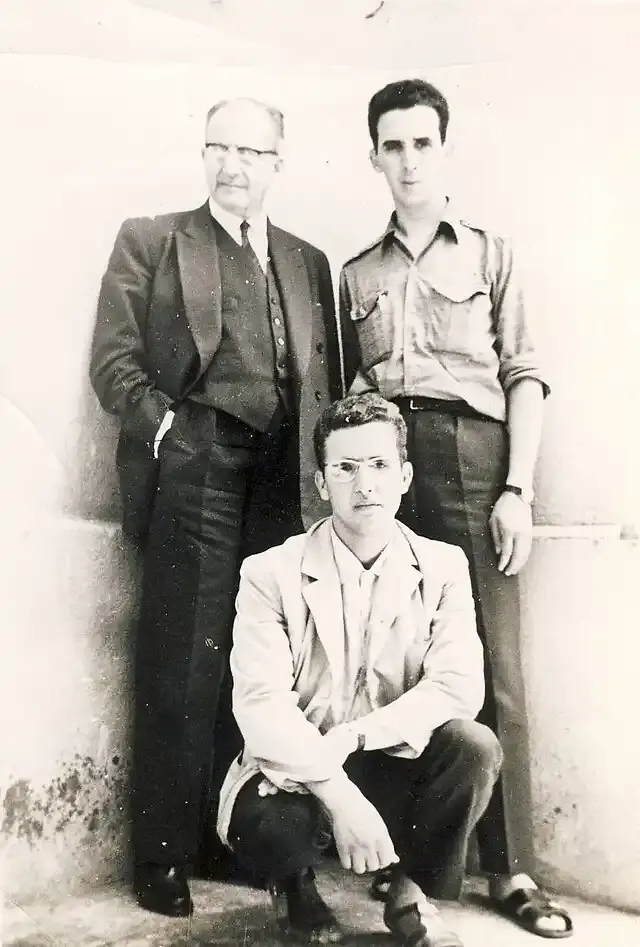
Cairo was a dream for "Bennabi" as it was one of the pivotal sites of change in the Islamic world. He arrived in Cairo in 1956, with his house becoming a kind of intellectual forum attended by many intellectuals. He published his book "Intellectual Struggle in Colonized Countries" here, with his books eventually numbering twenty, and he was later chosen as an advisor for the Islamic Congress in Cairo.
The Algerian Society's View on Bennabi's Ideas
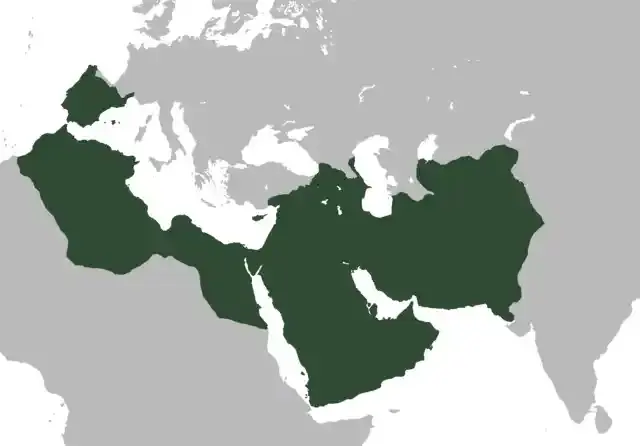
Many of the younger generations are unaware of Malek Bennabi, his writings, or his intellectual legacy. He's neither recognized as a philosopher nor a contemporary Algerian thinker, as his name is absent from educational curricula. He was deliberately marginalized due to his stances during the liberation revolution, opposing the socialist thought foundational to the reformist ideology of the Association of Muslim Scholars.
Those in power saw his ideas as increasing awareness among the Algerian people, making it difficult, if not impossible, to manipulate and impose their will on an informed population. His concept of "Susceptibility to Colonization" was central to this, explaining why Bennabi faced numerous challenges, peaceably fought in his homeland, and had his ideas intentionally hidden from his country's youth.
Malek Bennabi wanted Algeria to follow the right path post-French colonization to avoid sinking into third-world despair. If the conditions for revival espoused by Bennabi were implemented, Algeria could have been a pioneering experience, competitive with those of South Korea, Singapore, or Malaysia.
Malek Bennabi's Theory of Social Reform in Contemporary Philosophy
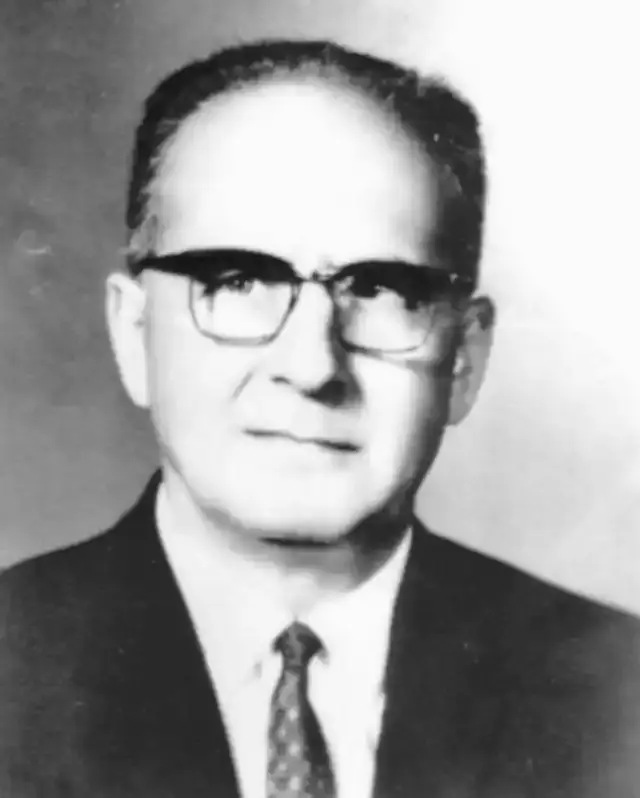
Malek Bennabi considered human beings as the initial building block of revival, seeing that a nation's revival is possible if supported by planning and application. Algeria has the components of civilization, both human and material. Bennabi famously said, "The economy isn't about banking and factory construction, but about constructing humans and creating a new attitude towards all problems."
The End of Malek Bennabi's Journey in Contemporary Arabic Philosophy
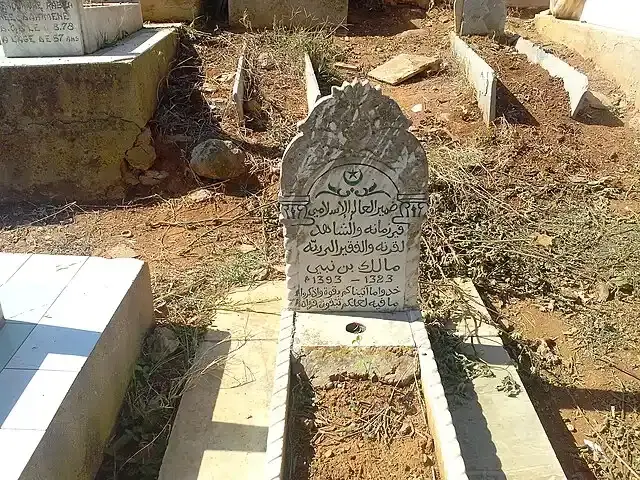
Malek Bennabi attended a symposium in Syria in 1972 titled "The Role of Muslims in the Last Third of the 20th Century," which many considered his testament to the Islamic world. He passed away on October 31, 1973, at the age of 68.
He left behind a wealth of social philosophical ideas, viewing civilization as resembling a mathematical equation with the variables "land, human, and time," and their interactions. He believed civilization was a human product.
He saw the Islamic nation at risk as it lost many stimuli that elevated its status in past centuries. "Susceptibility to Colonization" was seen as characteristics that made a nation vulnerable to invaders. He criticized the imposition of politicization on revival efforts and the narrow focus on the role of authority in social reform, which was a main reason for postponing the social revival process.