The Ultimate Imitation: 5 Stones That Look Like Diamonds

Whether you're looking for a diamond substitute in jewelry or are more intrigued by the geology of gems, you might wonder about stones similar to diamonds. As it turns out, many stones fall into this category. Discover what makes a diamond a diamond, and then delve into these five rocks that resemble diamonds.
عرض النقاط الرئيسية
- Diamond is known as one of the hardest and best natural materials for heat conductivity, consisting of pure carbon under extreme pressure and heat.
- Although rare in nature, moissanite is lab-produced, featuring a multicolored light reflection that sets it apart from diamonds.
- White sapphire is noted for its high purity and resembles diamonds in appearance and hardness, although it has less sparkle and requires regular cleaning to maintain its shine.
- ADVERTISEMENT
- Cubic zirconia, a synthetic stone used as a budget-friendly alternative to diamonds, is noted for its brilliance and good hardness, though less than diamond.
- White zircon is a natural stone extracted from the earth, resembling diamonds when heat-treated, but it is more brittle than other stones.
- White topaz, a transparent type of natural topaz, is relatively common and hard, yet sensitive to cleaners that might alter its color.
- Many diamond substitutes differ in origin and optical properties, each having unique features and uses in the jewelry world.
What is a Diamond?
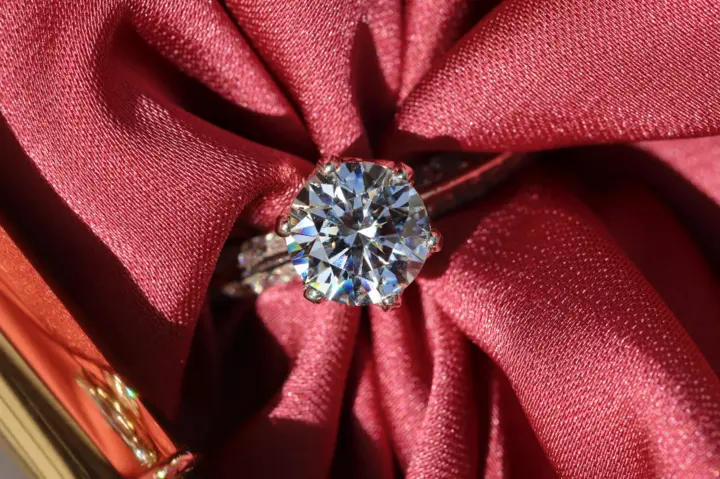
While you might be familiar with diamonds in the context of jewelry and accessories, you may not know much about this precious stone in its natural setting.
A diamond is a solid form of carbon, one of the elements on the periodic table. Other forms of carbon, like graphite, are formed under different conditions than diamonds. Among all natural materials, diamonds have the highest hardness and thermal conductivity. This makes them not only prized in jewelry but also valuable in crafting tools for cutting and polishing. On the Mohs hardness scale, diamonds rate a perfect 10.
قراءة مقترحة
Diamonds are typically mined from the earth. However, because this is a dangerous and costly process, alternatives have been developed. This includes lab-grown diamonds, which are created in a controlled environment to mimic natural diamond formation closely. Scientists apply extreme pressure and heat to pure carbon, leading to diamond crystallization.
Natural diamonds can come in a variety of colors depending on how they formed. Nevertheless, colorless diamonds remain the most famous.
Although diamonds are rare and have a unique chemical structure, many stones resemble diamonds. Explore the following five stones to learn more about their appearance, formation, and hardness compared to diamonds.
Diamond-Like Stones: Moissanite:
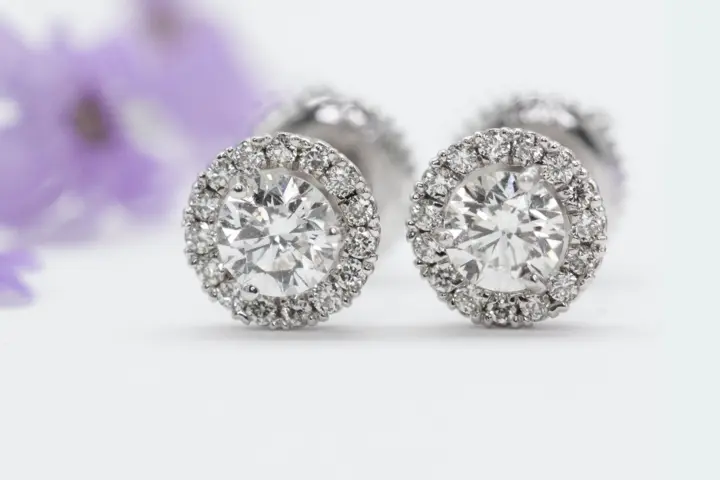
When considering jewelry, two stones are most similar to diamonds in appearance. Scientifically, one is made similarly to diamonds, while the other, despite a different manufacturing process, is also a natural gemstone. These diamond look-alikes are moissanite and white sapphire.
Like diamonds, moissanite is a natural material. It forms when carbon and silicon are subjected to high pressure and temperature. While it does not have the color spectrum of diamonds, it boasts a similar colorless appearance, with rare shades of yellow and green. Moissanite rates 9.25 on the Mohs scale. Because large natural moissanite is extremely rare, most moissanite used in jewelry is lab-grown.
Though colorless moissanite and diamonds are quite similar, they also have differences. The most notable distinction is their reflection when used in jewelry. The way gemstones are cut to create rings and other jewelry shapes causes them to reflect light. This is what gives them their sparkling, dazzling look. Colorless diamonds reflect white light, but moissanite produces a rainbow-like reflection.
Diamond-Like Stones: White Sapphire:
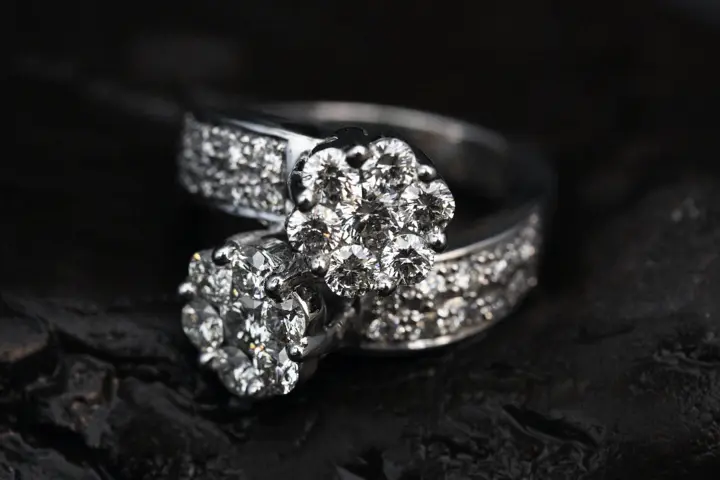
When you think of sapphires, those stunning blue gemstones might come to mind. However, sapphire is a high-quality form of aluminum oxide. Red aluminum oxide is called ruby, and all non-red aluminum oxides are known as sapphires. Therefore, white sapphire — despite lacking the familiar blue hue — is still a sapphire as it is not red.
Like diamonds, sapphire, specifically white sapphire, is one of the few true gemstones. White sapphire is especially known for its generally pure nature. Its colorless appearance indicates that nothing, like glass, has been added to alter its look.
Compared to diamonds, white sapphire has less noticeable sparkle. This property is known as refractive index in jewelry. As a result, diamonds maintain their brightness in dim environments, while white sapphire requires more frequent cleaning to achieve a beautiful shine. On the Mohs hardness scale, diamonds and sapphires have almost similar hardness. White sapphire's hardness generally ranges between 9 and 10.
Diamond-Like Stones: Cubic Zirconia:
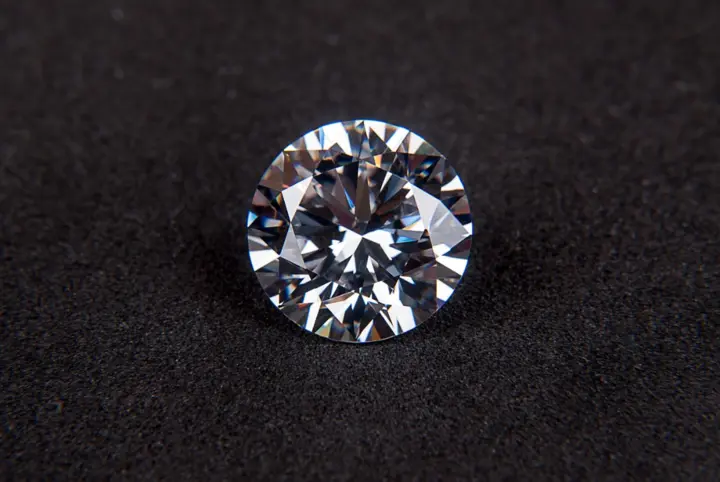
It's important not to confuse cubic zirconia with white zircon. Both are diamond-like stones, but they differ significantly. Cubic zirconia is the crystalline form of zirconium dioxide (ZrO2). While sapphire and diamond are classified as gemstones, cubic zirconia is a mineral oxide.
Like moissanite, much of the cubic zirconia used in jewelry is synthetic. Its production began in 1976. Since then, it has become a staple diamond alternative in jewelry, friendly on the budget. However, while cubic zirconia has a colorless appearance close to that of diamonds, it ranks lowest on the Mohs scale in this list. Cubic zirconia's hardness ranges from 8.0 to 8.5. While this is lower than diamonds, moissanite, and white sapphire, such hardness is still suitable for everyday jewelry wear.
In its natural form, zirconia is a powder used for a wide range of purposes, including ceramics. To form cubic zirconia crystals, zirconium oxide is mixed with other materials such as magnesium and calcium. This mixture is then heated. Once removed from heat, crystals form, which later become cubic zirconia.
Diamond-Like Stones: White Zircon:
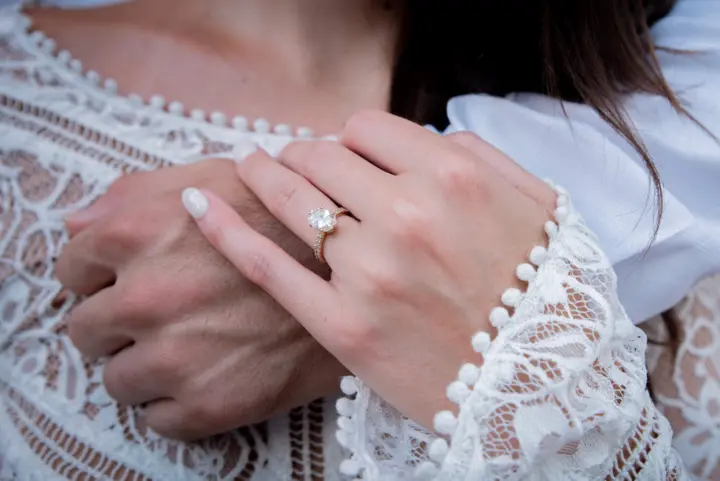
As seen above, cubic zirconia is a synthetic material made by humans. It requires magnesium and calcium at high temperatures for stabilization, hence it doesn't occur naturally. This is not the case for white zircon, which is why it's important not to confuse the two.
White zircon is extracted from the earth, like diamonds and white sapphire. Regions with this diamond-like stone include East Africa and Cambodia. Naturally, white zircon may not be completely colorless or white. However, when heated, the stone acquires its diamond-like appearance. Similar to cubic zirconia, white zircon has been used for decades as a budget-friendly diamond alternative.
Although it is a natural, not synthetic material, white zircon actually has lower hardness than cubic zirconia on the Mohs scale. This makes it one of the weaker diamond-like stones in this list. However, despite not being as strong as diamonds or moissanite, white zircon has a Mohs hardness rating of about 7 to 7.5. For reference, steel nails have a Mohs hardness of approximately 6.5.
Diamond-Like Stones: White Topaz:
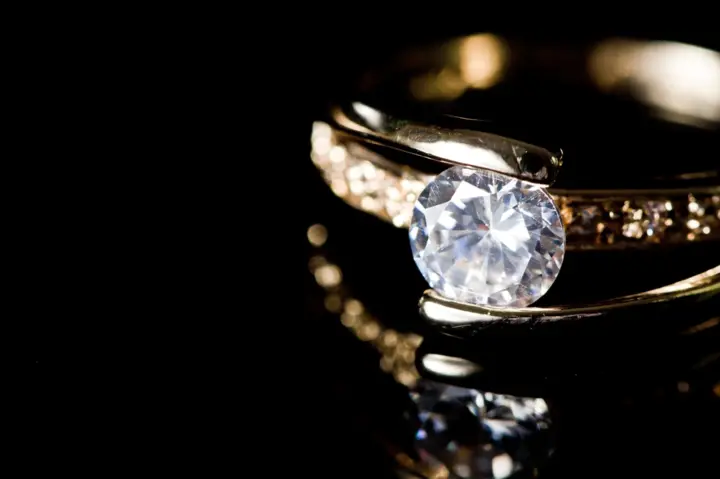
White topaz is also known as colorless or silver topaz. Despite its hardness of 8 on the Mohs scale, it can be challenging to keep clean. This is due to its susceptibility to color change, especially when cleansers are used. Nonetheless, in terms of everyday durability against scratches and chips, white topaz matches cubic zirconia.
This stone is naturally found in various regions worldwide, including the United States, Brazil, Russia, Mexico, and China. It's commonly discovered in the fractures of volcanic rock cavities. Topaz forms during the later stages when magma cools, thanks to sufficient fluorine to stabilize the chemicals and form white topaz crystals. As topaz requires volcanic magma cooling and volatile elements like fluorine, it is one of the last crystals to form in the magma site.
White topaz is a colorless type of topaz and is the most common of topaz stones.