6 Funny and Absurd Food Names That Are Entirely Real

There are amazing facts about certain foods that will entertain and astound your mind.
عرض النقاط الرئيسية
- Caesar Salad is not linked to the Roman Emperor; it's named after an Italian chef named Caesar Cardini.
- The name "Häagen-Dazs" has no real linguistic meaning and was invented to impart a luxurious European feel to the brand.
- "Ladyfingers" are a dessert from the Italian Renaissance, named for their slender shape associated with elegant women.
- ADVERTISEMENT
- "Dutch Baby" is a German-origin puffed pancake, named due to a translation mistake from "Deutsch" to "Dutch."
- Sweetbreads have nothing to do with sweets or bread; they're delicate internal glands cooked and eaten as a gourmet meat dish.
- Monkey bread is a sticky dessert made of dough balls coated in cinnamon, believed to be named for its interactive eating style.
- Rocky Mountain Oysters are actually bull testicles, humorously named by cowboys to make them sound more 'desirable.'
Take, for instance, these tales of food origins: Did you know that Caesar Salad has no connection to the famous Roman emperor? Or that the name Häagen-Dazs is entirely fabricated? There are many other funny food names, and many originate from highly entertaining stories. (Go ahead, prepare your food jokes.)
We're compiling some of the best names that have appeared on our menus. These foods may not be everyone’s favorite, but they are certainly some of the funniest ones.
Here are the stories behind some funny food names you might have always been curious about.
Ladyfingers
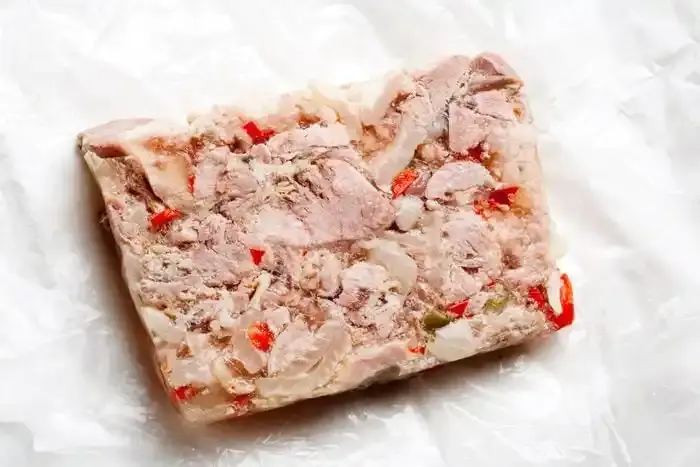
Ever assumed that delicate ladyfingers were named after those light and delicate fingers? Well, you're right!
قراءة مقترحة
Nobles enjoyed this cake-like cookie during the Italian Renaissance, known as savoiardi. In the late 19th century France, these treats were called biscuit à la cuiller - or "spoon biscuits" - due to their shape, making them perfect for scooping up soft desserts like custard and mousse. Once their popularity spread to England, they were called "ladyfingers," partly because of their association with the refined ladies who enjoyed them at tea, and partly due to their slim shape, reminiscent of a lady's finger. If you're a snack enthusiast who loves biscuits with milk, you’ll find a new favorite in this humorously named treat.
Dutch Babies
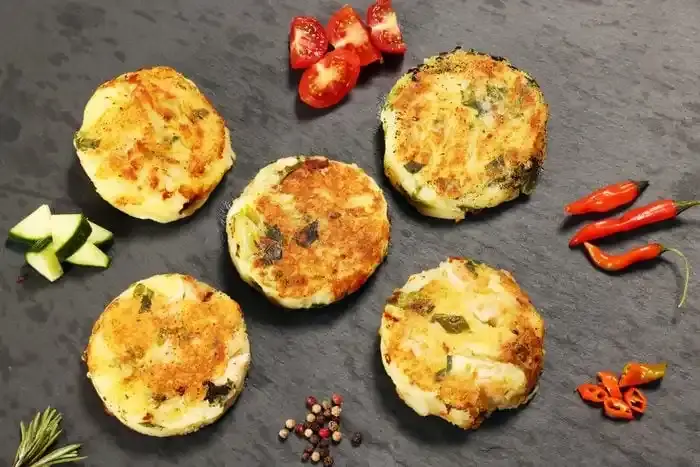
Pancakes are universally loved, with each country putting its own spin on this breakfast favorite.
The Dutch Baby is one such dish, but it's neither from the Netherlands nor the size of a real baby (thank goodness!). So, what exactly is a Dutch Baby? Also referred to as a German pancake or pfannkuchen, this puffed pancake features a thin, watery batter reminiscent of crepes and popovers. While baking - in a hot oven skillet - the water rapidly evaporates, causing the Dutch Baby pancake to puff up like a delicate cloud.
So where does the name come from? According to culinary tradition, it's all thanks to the daughter of a Seattle restaurant owner who mistakenly added German pancakes to the menu; she inadvertently mistranslated "Deutsch" (German in German) as "Dutch" in English. And when the restaurant downsized the pancakes to individual portions, they affectionately referred to them as "Dutch Babies."
Sweetbreads
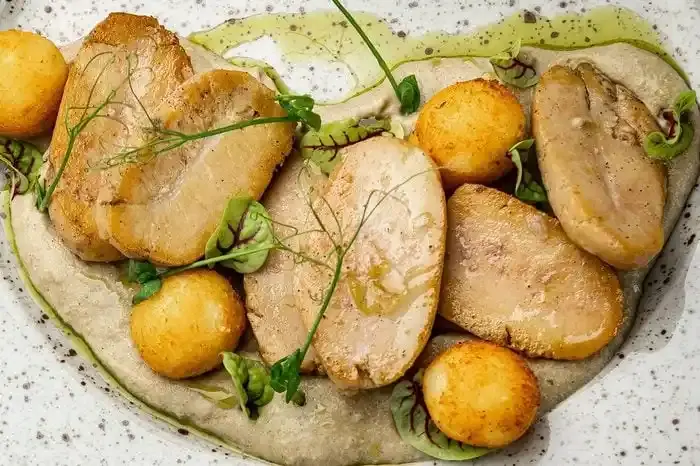
Here's a surprising revelation: Sweetbreads, despite their misleading name, are neither sweet nor bread. They're quite the opposite. Sweetbreads are offal - specifically, the thymus and pancreatic glands of calves or lambs.
The earliest recorded mention of "sweetbreads" comes from a 16th-century British text. At that time, the term bread (also spelled "brede") referred to roasted meats. Compared to other tougher meat cuts, sweetbreads are tender enough to be cut with a fork, and they were perhaps termed "sweet" to distinguish them from roasted meats and other cuts requiring more cooking to be edible.
Monkey Bread
When it comes to funny food names, this misnomer won’t disgust you. It has nothing to do with monkeys, which is fortunate, as it's a delicious dessert.
Monkey Bread consists of small dough balls rolled in sugar and cinnamon, then baked together in a bundt pan to form a soft, sticky treat. There's no definitive answer as to why this dessert is called Monkey Bread, but a popular theory points to its interactive, fun nature. Another suggests once the cinnamon-coated dough balls rise and expand, they create a texture that resembles a monkey's fur coat.
Bubble and Squeak
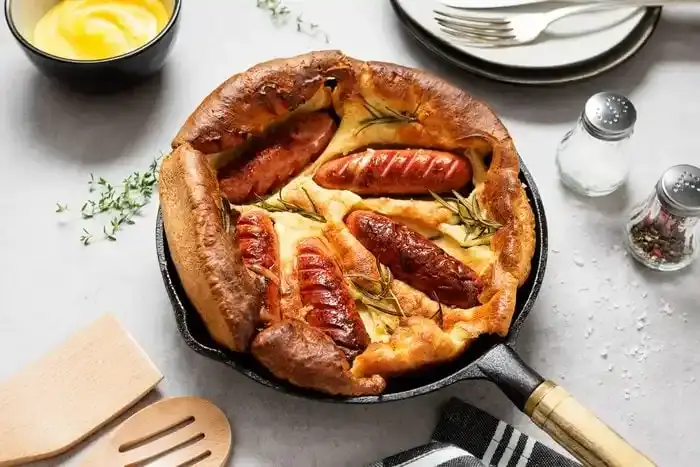
Bubble and Squeak is typically made from leftover vegetables, especially those from a Sunday roast, a signature dish across continents. And like many other British food names, it's delightfully quirky. The term comes from the sounds it makes while cooking. As the vegetables - including potatoes, cabbage, and Brussels sprouts or any available leftovers - cook, they release liquids that bubble as they boil. Eventually, all the liquid evaporates, and the wilted vegetables squeak as they fry in the hot pan.
Rocky Mountain Oysters
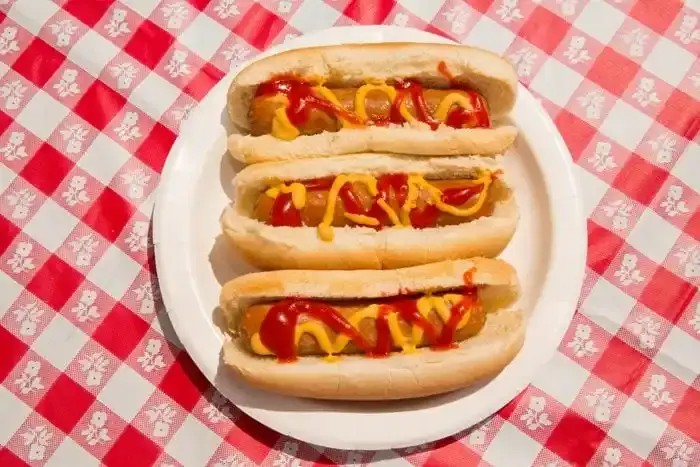
Though the term oyster may evoke images of ocean-fresh seafood treasures, Rocky Mountain Oysters are not that at all; in fact, they're not from the ocean at all. They are - and brace yourself for this - bull testicles. Yes, you read that correctly. Testicles. (And you thought eating oysters was a scary prospect?)
You might not be surprised that some adventurous chefs would give a catchy nickname to bull testicles to make them seem more appetizing. They're certainly one of the most outrageous foods on the list of funny food names. But this isn't part of the food's history. So where does the misnomer come from? This delicacy is a specialty of the American West, which is why it's associated with the Rocky Mountains. Legend has it that early pioneers and cattle ranchers - who often ate every part of a cow out of necessity - coined the name as a joke, comparing bull testicles to coveted seafood. In case you were curious: no, they do not taste like sea oysters.