Tesla's Near Bankruptcy: Elon Musk’s Entrepreneurial Journey

In the annals of modern business history, few stories resemble that of Tesla, the electric car company that nearly faced financial bankruptcy. At the heart of this tale is Elon Musk, the controversial and dynamic figure who propelled Tesla from obscurity to the forefront of the automotive industry. Musk’s journey with Tesla stands as a testament to peaks of creativity alongside significant challenges in navigating the volatile market landscape.
عرض النقاط الرئيسية
- Elon Musk led Tesla from the brink of bankruptcy to the top of the automotive industry with his dedication to innovation and bold vision.
- The launch of the Tesla Roadster marked the beginning of a revolution in the automotive world by proving high performance could be combined with environmental sustainability.
- Musk's success with ventures like PayPal and Zip2 from his early years solidified his status as an innovative and influential entrepreneur.
- ADVERTISEMENT
- Tesla faced enormous financial challenges due to production issues and cash flow problems, but overcame them through bold steps and Musk's personal support.
- Tesla's product portfolio expanded to include solar energy and energy storage, establishing its role as a comprehensive provider of sustainable energy solutions.
- Regulatory challenges and public skepticism about electric cars did not stop Tesla from innovating and educating the public to achieve sustainable transformation.
- Through global manufacturing strategies like the creation of Gigafactory, Tesla sought to expand its global presence, reduce costs, and reach more consumers.
Musk's entrepreneurial journey traces back to his early years, characterized by a restless mind and an insatiable desire for exploration. From early software development attempts to his pivotal role in founding PayPal, Musk demonstrated a knack for identifying transformative opportunities and seizing them with unwavering confidence. Yet, it was his bold vision of revolutionizing transportation through sustainable energy that would ultimately define his destiny.
قراءة مقترحة
Enter Tesla, a young venture founded in 2003 with the audacious hope of accelerating the world’s transition to sustainable energy. Armed with innovative technology and a steadfast commitment to innovation, Tesla embarked on a mission to transform the traditional automotive industry dominated by fossil fuel-powered vehicles. Under Musk’s leadership, Tesla’s rise was nothing short of meteoric, captivating both consumers and investors with its sleek designs and advanced electric cars.
Amid the ecstatic heights of Tesla's rapid ascent, however, lurked the specter of financial instability. With mounting production delays and dwindling cash reserves, Tesla found itself teetering on the brink of bankruptcy, ushering in a turbulent period in the company's history. Yet, in the face of mounting odds, Musk remained undeterred, spearheading a series of bold moves and bets to avert the impending threat of insolvency.
The saga of Tesla's near financial collapse and subsequent recovery stands as a testament to an indomitable entrepreneurial spirit, underscoring the sheer power of vision, resilience, and steadfast determination. In the arena of adversity, Musk and his team at Tesla charted a path forward, mapping out a road to success that redefined the boundaries of what's possible in the name of innovation and progress.
The Birth of a Visionary: Elon Musk’s Early Entrepreneurial Ventures
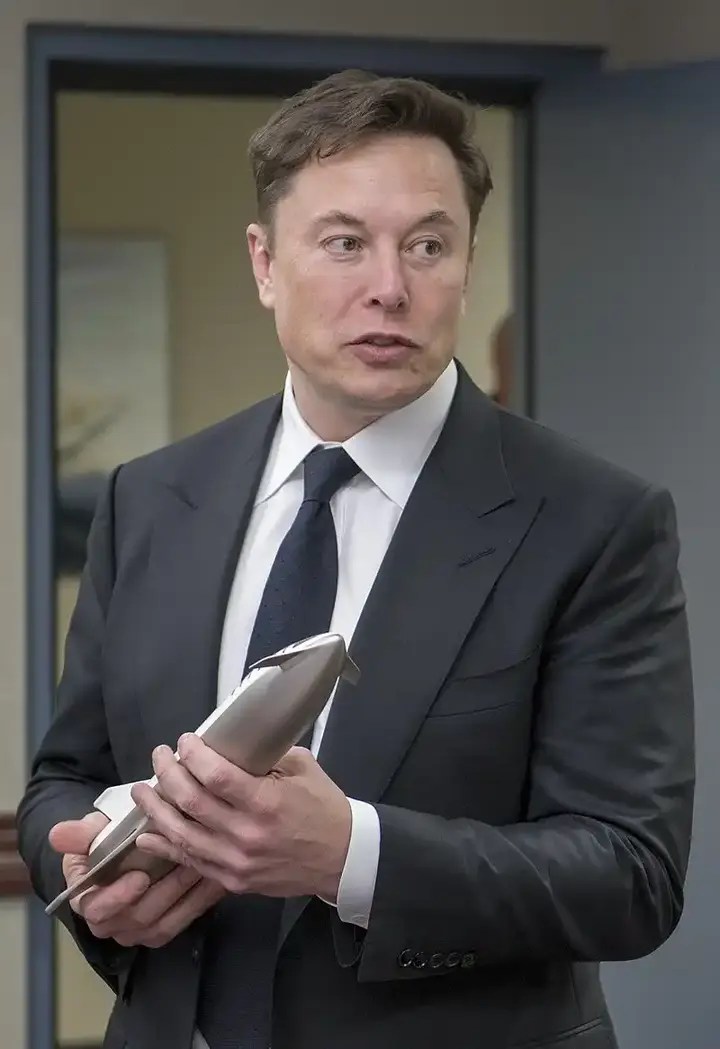
From a young age, Elon Musk embarked on his entrepreneurial journey with zeal and an unyielding desire to explore new realms and intriguing challenges. From his early years, Musk displayed a keen interest in technology and science, spending long hours learning programming and developing software. He wasn't just an ordinary teenager; he was filled with a later curiosity and an extraordinary drive for innovation.
Musk's entrepreneurial spirit began to manifest during his teenage years when he launched his first ventures. One of his earliest projects was creating a video game called "Blastar," which he sold to a computer magazine for $500 when he was just 12 years old. This early success demonstrated Musk's capacity for innovation and his ability to turn ideas into tangible products.
As he continued to grow and learn, Musk further delved into the world of technology and business. He then decided to study physics and economics, laying the groundwork for his future in entrepreneurship. During his college years, Musk co-founded "Zip2," a company that provided business directories and maps for newspapers. This step marked a pivotal turning point in Musk’s journey, showcasing his ability to identify market opportunities and build successful companies from the ground up.
Following the sale of "Zip2," Musk went on to establish "X.com," an online payment company that later evolved into PayPal. Under Musk’s leadership, PayPal revolutionized the world of online payments and became one of the most successful fintech companies of its era. Musk's early entrepreneurial projects not only exhibited his business acumen but also laid the stage for his future undertakings, establishing the foundation for pioneering innovations and ambitious ventures that would define his career.
The Rise of Tesla: Shattering Conventional Automotive Industry
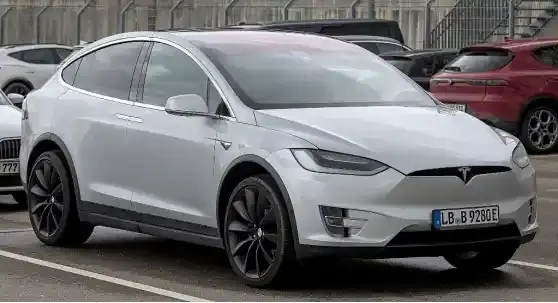
The emergence of Tesla marked a turning point in the automotive industry, ushering in a new era of electric mobility and sustainable transportation. Founded in 2003 by a group of engineers, including Martin Eberhard and Marc Tarpenning, Tesla set its sights on challenging conventional norms and redefining the possibilities of what a car could be. Yet, it was Elon Musk’s entry into the company in 2004 as Chairman and later as CEO that truly propelled Tesla into the limelight.
Under Musk's leadership, Tesla embarked on a mission to accelerate the world’s transition toward sustainable energy. The company’s first breakthrough came with the launch of the Tesla Roadster in 2008, the world’s first high-performance electric sports car. This groundbreaking vehicle shattered prior assumptions about electric cars, demonstrating that they could not only be environmentally friendly but also powerful and exhilarating to drive.
Building on the success of the Roadster, Tesla expanded its lineup to include the Model S sedan, Model X SUV, and later, Model 3 and Model Y, targeting a broader segment of the automotive market. These vehicles combined advanced technology, innovative design, and long-range electric powertrains, setting new standards for performance, safety, and sustainability.
Tesla’s influence extended beyond its products; it changed how cars were manufactured and sold. The company’s integrative approach to production, with its direct-to-consumer sales model, challenged the traditional automotive business models and paved the way for a new paradigm in the industry.
As Tesla continued to innovate and push the boundaries of electric mobility, its impact resonated throughout the automotive world, inspiring other companies to invest in electric vehicle technology and accelerate the shift toward a more sustainable future. Tesla’s rise not only shattered the conventional automotive industry but also encouraged a global movement toward clean and green transportation.
Facing the Brink: Financial Turmoil and Near Bankruptcy
As Tesla advanced with its ambitious vision and innovative products, it also faced significant financial challenges that brought the company to the brink of bankruptcy. Despite its innovative technology and widespread acclaim, Tesla encountered increasing pressure due to production delays, rising costs, and an ongoing need for capital investment.
One of the critical junctures in Tesla's history came in the early 2010s when the company struggled to ramp up production of its Model S sedan. Manufacturing delays and supply chain issues not only hampered Tesla's ability to fulfill customer orders but also exacerbated its financial troubles. The company was burning through cash at an alarming rate, raising concerns among investors and analysts about its long-term viability.
To make matters worse, Tesla's financial problems were complicated by its heavy reliance on external funding and a series of high-profile setbacks.
With mounting losses and dwindling cash reserves, Tesla found itself on the brink of insolvency, with serious doubts about its ability to survive.
Tesla faced the looming threat of bankruptcy, forcing Elon Musk and Tesla’s leadership team to take drastic actions to keep the company afloat. Musk poured a significant portion of his personal funds into the company, secured emergency loans, and Tesla began taking measures to cut costs in order to conserve cash. Additionally, Tesla made an relentless effort to ramp up production and streamline operations, aiming to prove critics wrong and demonstrate its ability to overcome the odds.
The financial crisis period served as a painful reminder of the challenges inherent in disrupting established industries and pushing the boundaries of innovation. Nonetheless, Tesla showed resilience and determination to persevere in the face of adversity. Ultimately, its ability to overcome the crisis and emerge stronger paved the way for its transformation into a global leader in electric cars and sustainable energy solutions.
Innovation and Expansion: Diversifying the Product Portfolio
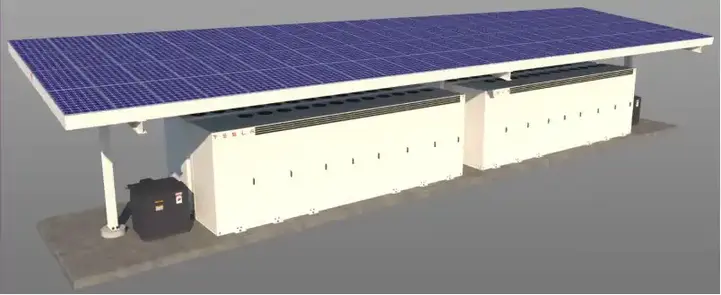
With its foundation secured and financial crises averted, Tesla entered a phase of rapid innovation and expansion, diversifying its product portfolio to address different market segments and capitalize on emerging trends in sustainable technology.
One of the key milestones during this period was the launch of the Tesla Model 3, aimed at making electric cars more accessible to the mass market. Launched in 2017, the Model 3 quickly gained popularity due to its affordability, long range, and sleek design. Its success catapulted Tesla into the mainstream automotive market, reinforcing its position as a major player in the electric vehicle industry.
In addition to expanding its lineup of electric cars, Tesla also ventured into new product areas, such as energy storage solutions and solar technology. Tesla’s acquisition of SolarCity in 2016 marked a significant step towards vertical integration, enabling Tesla to offer comprehensive energy solutions that combined solar power generation with battery storage.
Tesla’s commitment to innovation extended to broader areas beyond its product offerings. The company continued to push the boundaries of technology through advancements in autonomous driving capabilities, energy-efficient manufacturing processes, and renewable energy infrastructure. Through initiatives such as the Gigafactory, Tesla aimed to scale up production and reduce costs, making sustainable technology more accessible to consumers globally.
Furthermore, Tesla’s global expansion efforts saw the establishment of manufacturing facilities and sales networks in key markets worldwide. By localizing production and distribution, Tesla aimed to reduce logistical barriers and enhance its competitiveness in the global market.
Challenges and Triumphs: Navigating Regulatory Hurdles and Improving Public Perception
Despite its remarkable achievements, Tesla faced a diverse range of challenges in its journey to modernize the automotive and energy industries. One of the biggest hurdles was navigating regulatory obstacles and overcoming public skepticism about electric cars and renewable energy solutions.
In various jurisdictions, Tesla faced resistance from entrenched interests in the automotive sector and regulatory frameworks that favored traditional gasoline-powered vehicles. These often led to legal battles and bureaucratic delays, hindering Tesla’s ability to expand its operations and introduce new technologies to the market.
Moreover, Tesla had to confront public perception issues related to electric vehicles, ranging from range anxiety and charging infrastructure concerns to misconceptions about performance and safety. Tesla had to overcome these perceptions through concerted efforts to educate consumers and dispel myths about electric cars through innovative marketing campaigns and outreach initiatives.
Despite these challenges, Tesla emerged victorious, thanks in part to its relentless commitment to innovation and its ability to adapt to shifting market dynamics. Ongoing investment in research and development, along with strategic partnerships and collaborations, allowed the company to stay ahead of the curve and maintain its position as a leader in the clean energy revolution.
Furthermore, Tesla’s success in gaining consumer and organizational trust highlights the growing acceptance and reliance on electric cars and renewable energy solutions worldwide. With increasing emphasis from governments and industries on sustainability and decarbonization, Tesla is poised to play a central role in shaping the future of transportation and energy.
In conclusion, this article highlights Tesla's resilience and determination in overcoming regulatory challenges and public skepticism to embrace a new era of clean and sustainable technology. Through perseverance and innovation, Tesla has not only transformed industries but also paved the way for a more sustainable and environmentally conscious future.