9 Incredible Facts About Gladiators That Will Blow Your Mind

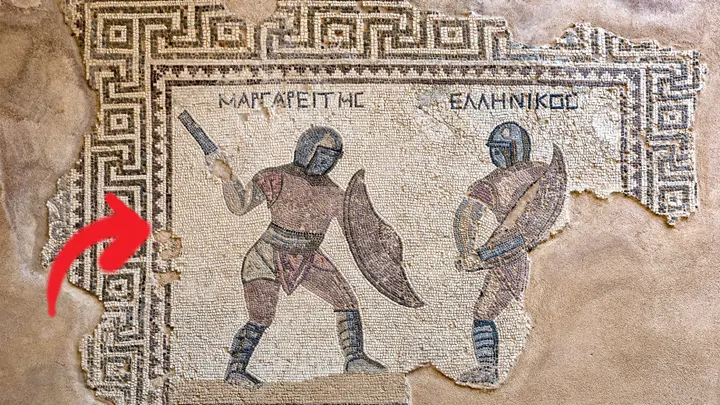
The Roman Empire lasted for an incredibly long time, so there's a lot of history worth talking about. One of the most famous professions in ancient Rome was that of the gladiator: an armed fighter who battled other gladiators in the arena for the entertainment of large crowds. You’ve surely heard of this profession, and perhaps you hold some stereotypes about it in your mind - but there are things about it that might surprise you! Read on to find out if they were truly all men, what weapons they used, and how long their careers could actually last!
عرض النقاط الرئيسية
- There is no precise historical consensus on when gladiator combat began, but it's believed to have started in 264 BC or during Etruscan funeral rituals.
- Initially, gladiatorial battles likely served as a bloody way to honor the dead during noble Roman funerals.
- Gladiators came in various types with different fighting styles; some used swords and shields, while others fought on horseback or in chariots.
- ADVERTISEMENT
- While gladiator costumes looked impressive, they didn't offer much protection against blows from opponents.
- Women also participated in gladiatorial battles, though their involvement was rare and often seen as light entertainment.
- Some gladiators were children or started training at a very young age, especially if they were slaves with little regard for their lives.
- A number of Roman emperors took part in gladiatorial shows, but it is believed they were treated gently and allowed to win to avoid harm.
1. No one knows exactly when it all started...

Historians aren’t entirely sure when gladiators first became a thing! The Roman Empire spanned from 753 BC to 476 AD, nearly a thousand years, and gladiators didn't exist throughout that entire period. An ancient historian noted that the first gladiatorial games happened in 264 BC, and other early writers proposed these games might have been imported from the Etruscans (an ancient civilization integrated into the Roman Empire).
قراءة مقترحة
2. ...but it probably started as a funeral ritual

Contemporary historians believe that gladiatorial combat might have originated from strange funeral rituals of wealthy Roman nobles. According to this view, battles between slaves were staged at these funerals as a blood sacrifice for the deceased. This was thought to purify their souls for the afterlife. Over time, this practice gained popularity and evolved into the arena battles we envision today. Thankfully, such customs are no longer part of our traditions!
3. There were different types of gladiators
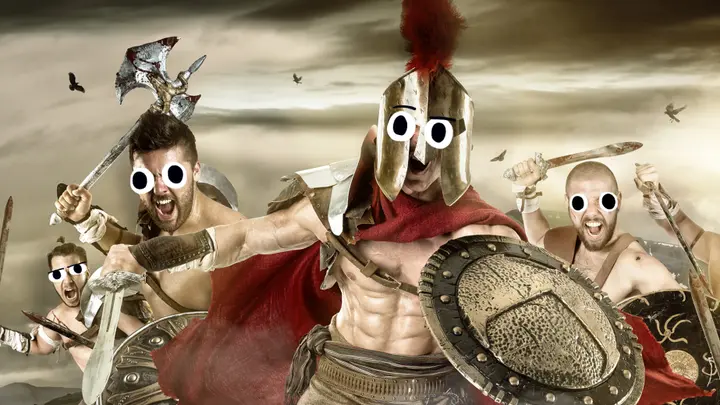
And they all had different names! The most famous included the thraeces and murmillones, who fought with a sword and shield. Other types were the equites, who fought on horseback, the essedarii who rode in chariots, the dimachaerus with two swords, and the retiarius who used a net and trident!
4. Their costumes were designed to impress
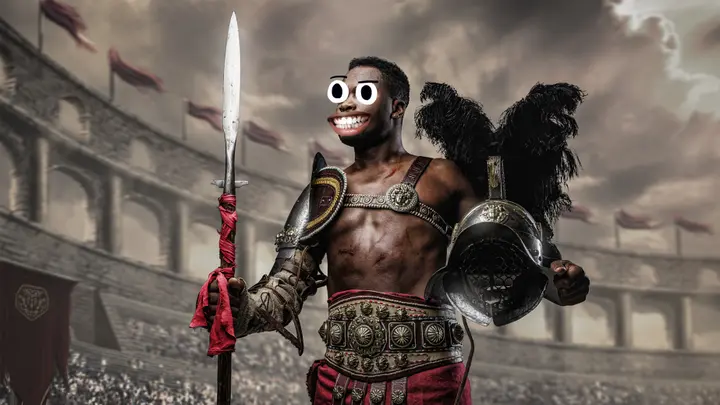
Gladiators wore helmets and wielded swords and shields, but their outfits actually didn’t provide much protection from their opponents’ weapons! The main purpose was to look impressive more than anything else.
5. There were some female gladiators

Female gladiators (known as gladiatrices in plural, gladiatrix in singular) were less common than males, but they did appear occasionally in the historical records of gladiatorial combat. Often their presence was seen as a novelty and not taken seriously, but some were exceptionally skilled fighters. Emperor Commodus banned female gladiators by 200 AD because he believed they caused the audience to misbehave.
6. ...and even children too

Think physical education is tough? Consider it could be much worse! Gladiators started training at very young ages, and there are accounts of children being sent to fight, though this wasn't the norm and was often a form of novelty. Remember, in that society, children could be slaves, so many lives were not considered to have great value.
7. Some of them were also emperors
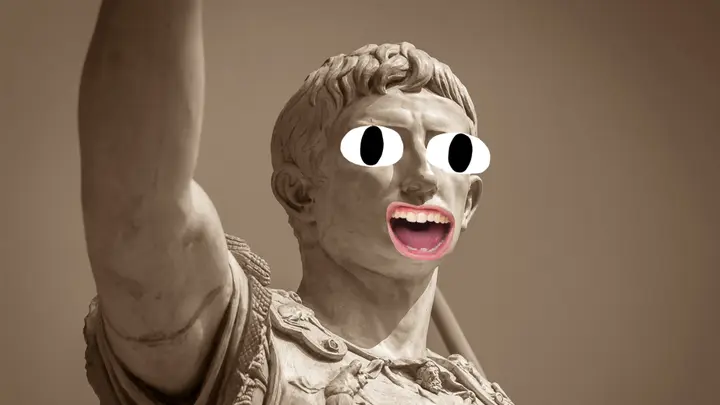
Gladiators lived in extremely lowly conditions, but that didn’t stop emperors from occasionally joining in on the action! Caligula, Hadrian, and Titus were among those known to have participated in gladiatorial combat. Historians agree it's likely that gladiators were gentle with them and allowed them to win unscathed. Emperor Commodus also liked to slaughter animals in the gladiator arena, but he did so from the safety of an elevated platform. Nice, huh?!
8. Many gladiators were enslaved

Ancient Rome was a society where owning slaves was permitted, meaning a person could legally own another and use them as unpaid laborers. In most modern societies, such practices are utterly unacceptable and completely illegal, but it was a key factor in the enduring success of the Roman Empire. Slaves could be born into servitude or were individuals captured from communities conquered by the Empire. Those slaves who were particularly physically strong were likely to become gladiators.
9. The "thumbs down" sign didn't mean what we think it does

In the Russel Crowe movie "Gladiator," it's famously depicted that the emperor decides whether a gladiator will be killed by signaling with a thumbs-down gesture. However, some historians believe this is inaccurate, and raising a thumb was actually the signal for death, whereas lowering the thumb meant mercy. Nevertheless, it's likely these signals were changed in the film to convey opposite meanings for modern audiences.