Why Do Surrendering Soldiers Raise White Flags?

Show key points
- The white flag is a universal symbol of surrender or truce, and its use was formally legalized in the Geneva Convention.
- The use of the white banner dates back thousands of years, being used in both the Roman Empire and ancient China as a sign of surrender.
- Historians believe the choice of white was not purely symbolic but rather because it was the most available and easy to distinguish from the colored war banners.
- ADVERTISEMENT
- In China, white was associated with mourning and death, which explains its acceptance as a symbol of defeat and surrender during the Eastern Han dynasty.
- Over time, the white flag became an internationally recognized means to initiate negotiations and ceasefire, appearing in influential legal writings like those of Hugo Grotius.
- Historical experiences, such as its use by the Zamorin of Calicut and missionaries in the Middle Ages, helped establish the white flag as a symbol of peace.
- The Hague and Geneva Conventions prohibit using the white flag as a deceptive means to launch an ambush, stressing the importance of respecting its symbolism.
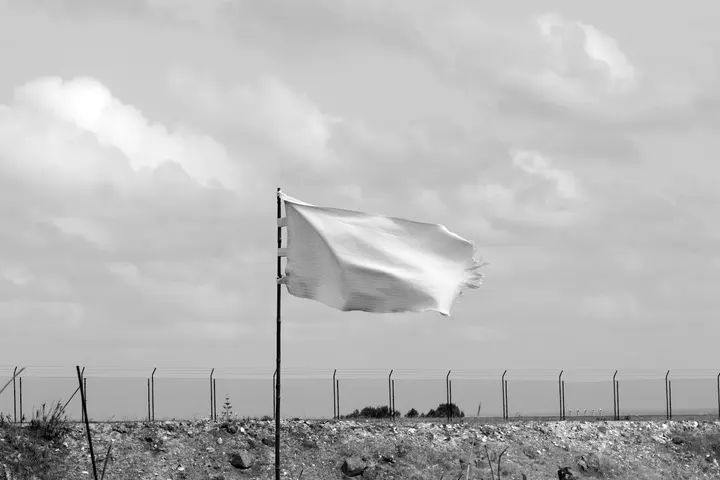
A white flag (or cloth) signals a soldier's intent to surrender, call a truce, or negotiate. Waving a white flag isn't just tradition — it's recognized by the Geneva Conventions. But why was white chosen to mean surrender?
We looked into the question for trivia lovers. Here's what historians say.
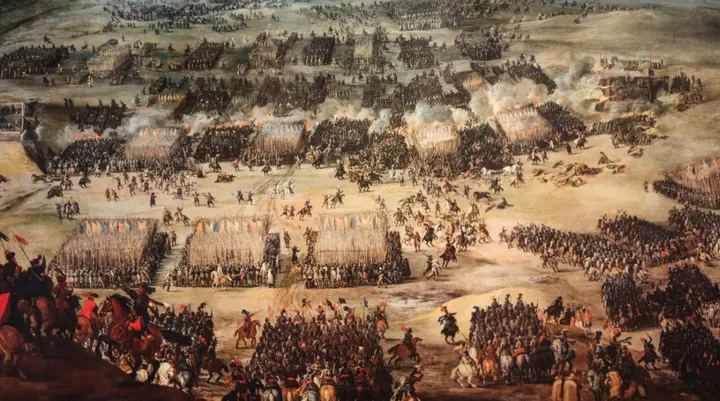
White flags have signaled surrender in both Rome and China for nearly two millennia. Remarkably, the practice appears to have developed independently in East and West. In the West, Roman historian Cornelius Tacitus records its use as early as 69 AD: writing about the Second Battle of Cremona, he notes that the Vitellians "waved a white flag upon surrendering to the Vespasians." In China, the custom likely began during the Eastern Han dynasty (roughly 25–220 AD). Because white has long been associated with death and mourning there, soldiers may have used it to show sorrow at defeat. Why would two very different cultures pick the same color?
Recommend

While we can't be certain, historians generally agree the choice was practical. Synthetic dyes took centuries to develop, so plain white cloth was widely available. Vexillologists (flag experts) also note that unadorned white contrasted clearly with the colorful banners armies carried into battle.
I also think another reason is that a white flag carried no emblems or insignia, which made a soldier's intentions appear more genuine. You don't really signal surrender by hoisting your country's flag, after all.
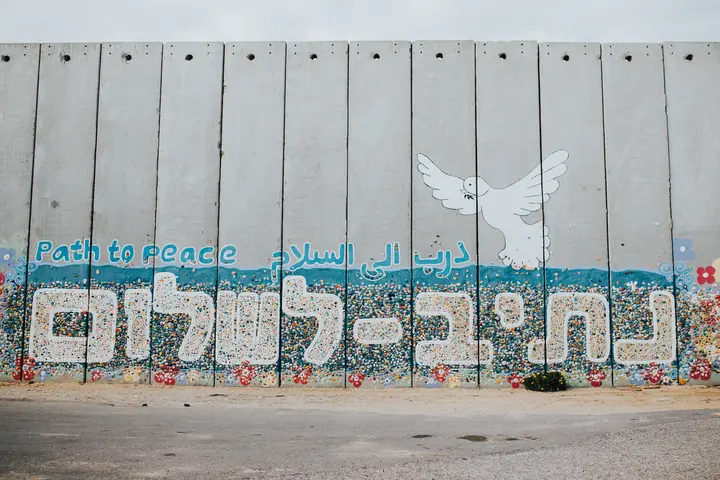
The use of white flags continued to spread across Europe in the following centuries. In the 16th century, Portuguese historian Gaspar Correia recorded that in 1502 the Zamorin of Calicut — the ruler of Calicut — ordered peace negotiators to carry "a piece of white cloth tied to a stick" as a "sign of peace." The white flag is also mentioned in Hugo Grotius's De jure belli ac pacis (On the Law of War and Peace), published in 1625. He described it as "an implied signal for the demand to negotiate, and its use should be as binding as if expressed in words."
In modern times the white flag has become internationally recognized not only for surrender but as a request for ceasefires and negotiations. Missionaries in the Middle Ages carried white rods and standards to mark themselves as noncombatants, and Civil War soldiers waved white truce flags before collecting the wounded. The various meanings of the white flag were later codified in the Hague and Geneva Conventions in the 19th and 20th centuries. Those treaties also prohibit using the white flag to fake surrender and ambush enemy forces.