6 Simple Morning Routines to Transform Your Life in 30 Days
ADVERTISEMENT
4 AM is the hour of champions.
Our habits define who we become, as we continually do the same thing day after day, building ourselves into who we want to be in the end.
These simple morning routines will change your life in 30 days...
1. Wake up at 4
ADVERTISEMENT
AM.
Image from Wikimedia
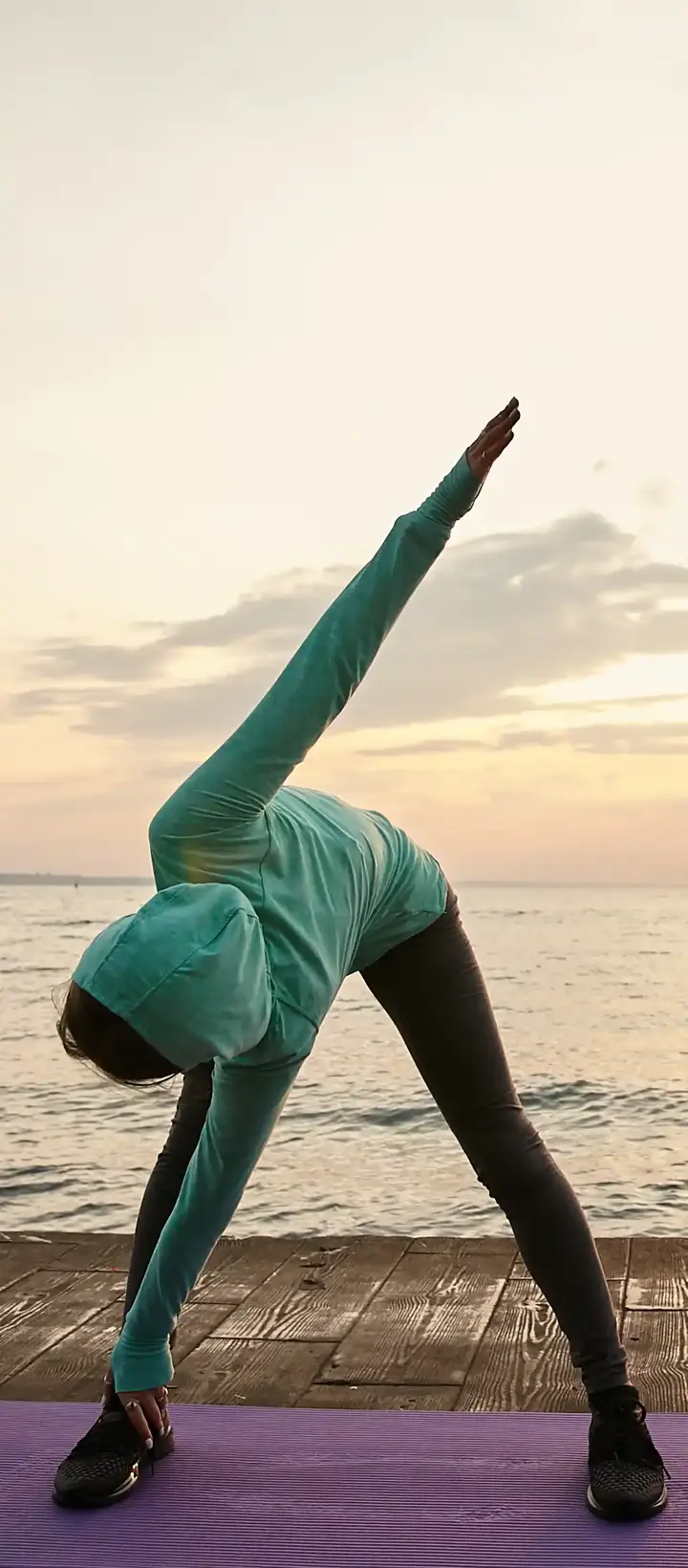
Waking up early is a step towards leading your life. How do you cultivate a positive morning mood?
Start by doing the following:
• Set the alarm for 9 PM
• Set a timer for seven hours of sleep
• Get out of bed as soon as you hear the timer.
2. Drink one liter of water
Image from Pexels
It refreshes your mind and body, enhancing your positive energy in the early morning.
Drinking water can:
• Recharge your brain
• Give you more focus
ADVERTISEMENT
• Improve your mood
3. Go for a 45-minute walk
Image from Pexels
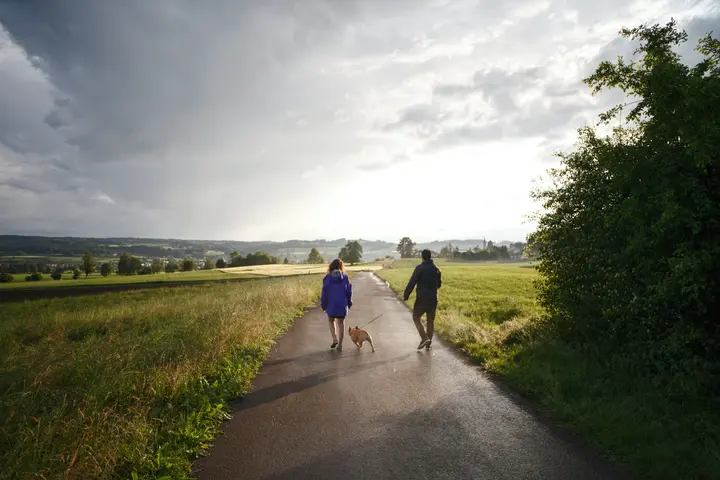
Going for a walk allows you to spend some time in nature. Plus, you'll get exposure to Vitamin D, essential for a healthy mindset and emotional well-being.
Aim to achieve the following:
• At least 5000 steps
• Maintain a brisk pace.
4. Read 10 pages
Image from Unsplash
Street noises, birdsong, and the good morning vibe might not help you concentrate.
For more inspiration, try reading motivational topics.
Consider reading:
• 'Atomic Habits' by James Clear for developing good habits.
• 'The 5 AM Club' by Robin Sharma, embracing the early wake-up call.
• 'Think and Grow Rich'
5. Exercise for one hour
Image from Unsplash
A massive lifestyle hack that multiplies your productivity tenfold.
ADVERTISEMENT
Make exercising a routine practice as it's a simple way to enhance physical and mental strength.
Do the following:
• Push-ups
• Squats
• Weightlifting
6. Take a cold shower
Image from Unsplash
A cold shower is better than your morning coffee for starting the day.
Here's why:
• It reduces your stress
• It boosts your energy perfectly
• It improves your immune system.
After a cold shower, dive into your deep work world.
Image from Pixabay
Spend two hours daily on:
• Side projects
• Your progress
• Your work
• Your skills
This will put you ahead of 98% of people.
Stop being lazy and start improving yourself.
Deniz Aksoy
ADVERTISEMENT
Cartagena, Colombia: A City of Walls and History on the Caribbean Sea
ADVERTISEMENT
Cartagena de Indias, or simply Cartagena, is located on Colombia's northern Caribbean coast and is one of the most notable tourist destinations in Latin America. It combines the scent of colonial past with the pulse of modern life, captivating its visitors with its ancient walls, cobblestone streets, and music flowing
ADVERTISEMENT
from the windows of colorful houses.
Visiting Cartagena isn't just a tourist trip; it's an experience rich in history, culture, and stunning landscapes. Founded by the Spanish in 1533, the city became one of the most important coastal fortresses on the continent and today is considered a UNESCO World Heritage Site treasure.
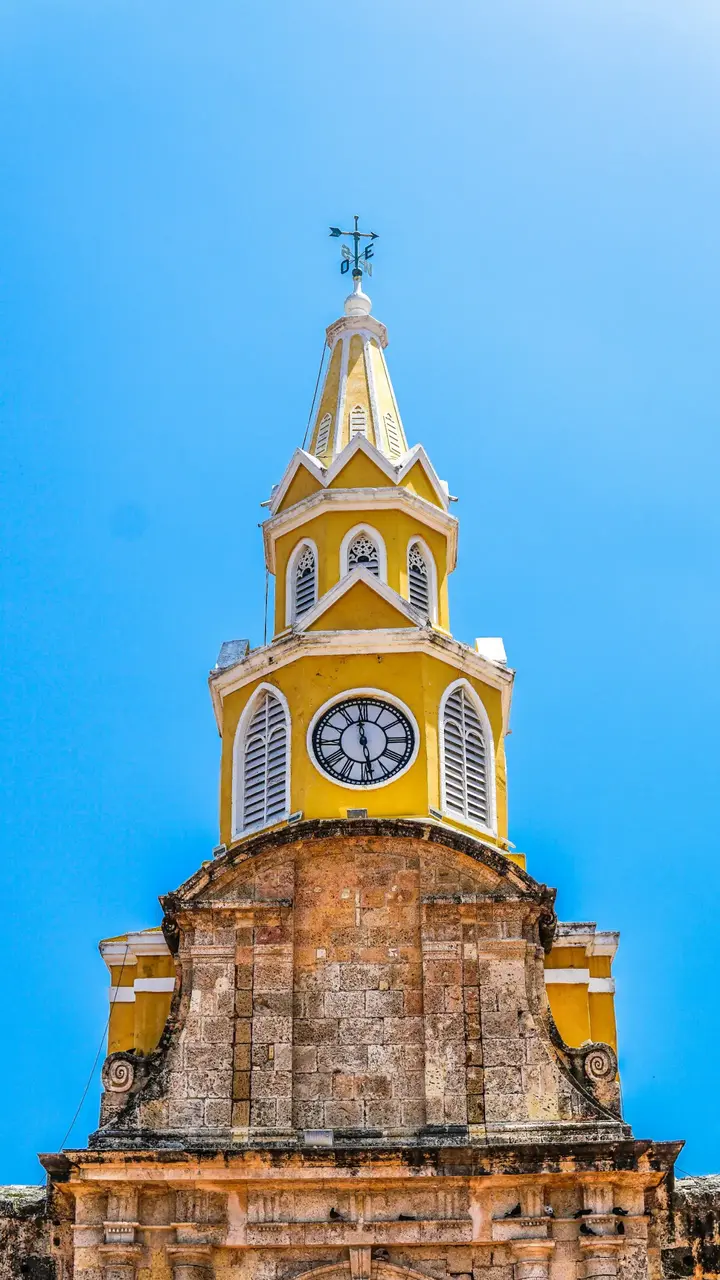
Image by Ricky Beron on Unsplash
The Old City of Cartagena: A Heartbeat of History
ADVERTISEMENT
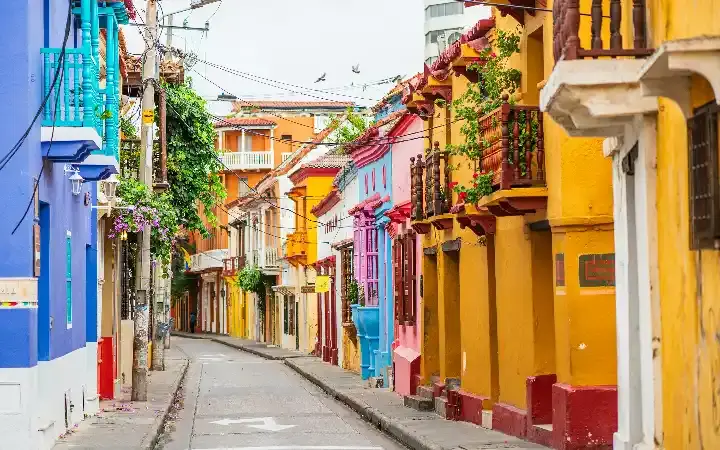
If you're to visit just one place in Cartagena, make it the Old City, locally known as "Ciudad Amurallada." This historic area is surrounded by massive stone walls built in the 16th century to protect the city from pirate attacks. Walking through its alleys feels like a journey back in time, with colonial houses featuring wooden balconies, ancient churches, and squares shaded by palm trees.
Highlights of the Old City include:
Plaza Bolívar: A perfect spot to relax and enjoy local performances.
Cathedral of Santa Catalina de Alejandría: A 16th-century architectural gem.
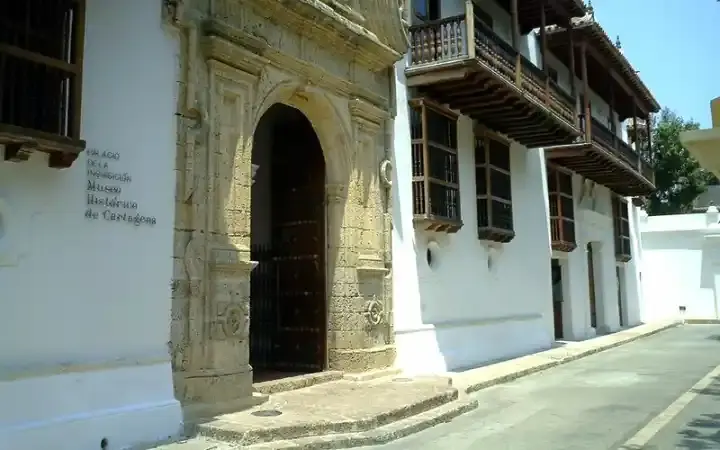
Palacio de la Inquisición: A historic building that embodies the era of the Inquisition.
Photo by Edgar Jiménez via flickr
You can't ignore the joy of sitting at a small café on the sidewalk, under the glow of lanterns, where traditional Colombian music fills the air with the aroma of coffee and roses.
The City Walls: A Journey Along the Historic Line of Defense
ADVERTISEMENT
The walls of Cartagena offer a unique opportunity to walk over stones that have witnessed centuries of conflicts and heroism. The walls stretch approximately 11 kilometers, built to protect the city from European invasions and pirate attacks.
A stroll on the walls at sunset is an awe-inspiring experience; you can watch the Caribbean Sea waves crash against the rocks while the setting sun bathes the old city in its golden light.
Among the walls’ notable points are:
Castillo de San Felipe de Barajas: The greatest defensive landmark in Colombia, built by the Spanish to monitor sea and land entrances.
Torre del Reloj: The main entrance to the old city, a distinctive symbol, and a popular photography spot.
Bocagrande and Getsemani: A Balance Between Modernity and Heritage
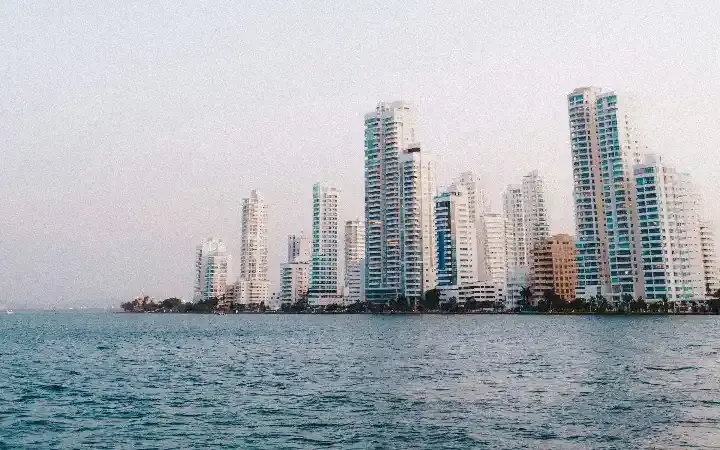
Just minutes from the Old City, you'll find Bocagrande, a modern district brimming with luxury hotels, upscale restaurants, and high-rise buildings overlooking the sea. This area is perfect for those seeking comfort and modern amenities after a long historical tour.
ADVERTISEMENT
Meanwhile, the Getsemaní neighborhood has transformed from a marginal area into a vibrant hub of street culture and art. With graffiti-adorned walls, small cafes, and music on every corner, this neighborhood offers a lively space reflecting contemporary Colombian spirit.
Photograph by Joel Severino on Unsplash
Nearby Beaches and Islands: Another Face of Caribbean Beauty
Cartagena is not just a city of walls and forts but also a gateway to some of Colombia’s most beautiful beaches. Among the coastal destinations surrounding the city are:
Rosario Islands: An amazing archipelago featuring clear waters and vibrant coral reefs. Snorkeling here is a must-do experience.
Playa Blanca: Located on Barú Island, it's one of the most popular beaches due to its white sands and turquoise waters.
Cholón Island: Ideal for party lovers and marine adventures.
You can set off on a cruise from Cartagena's port and enjoy a sunny day amidst the Caribbean Sea, where relaxation, nature, and delicious seafood await you.
Cartagena Cuisine: A Blend of Caribbean Flavors
ADVERTISEMENT
The cuisine in Cartagena is rich with African, Spanish, and Caribbean influences. Seafood is the star of the table, and here are some dishes you must try:
Arepa de Huevo: A fried corn cake stuffed with egg.
Colombian Ceviche: A mixture of seafood with lime juice and onion.
Pan de Bono: Soft bread made with cheese and yuca, usually served with coffee.
Local markets like Bazurto Bazaar offer opportunities to experience everyday life and taste fresh tropical fruits like guava, papaya, and passion fruit.
Culture and Arts: A City Playing Its Tunes at Every Corner
Cartagena is a city rich in culture, hosting international festivals and artistic events throughout the year, including:
The International Classical Music Festival in January.
The Hay Festival of Literature, which gathers prominent Spanish-speaking writers.
Colorful carnivals filling the streets with traditional dances.
The city is also home to numerous museums such as the Gold Museum and the Museum of Modern Art, along with theaters and small galleries that reflect local creativity.
Important Tips for Travelers to Cartagena
Best time to visit: Between December and April, when the weather is dry and mild.
Language: The official language is Spanish, but some tourism workers speak English.
Safety: The city is generally safe, but caution is advised in distant neighborhoods at night.
Currency: Colombian Peso (COP), and credit cards are accepted in most places.
Conclusion: Cartagena, a City of Walls and Open Hearts
ADVERTISEMENT
Cartagena in Colombia is more than just a tourist destination; it's a living page of history, a cultural beacon overlooking the Caribbean waters, and a place where every traveler can find something that touches their soul. Whether you are a heritage lover, seeking comfort on charming beaches, or yearning for an artistic and culinary adventure, Cartagena welcomes you with its ancient walls and the smiles of its people.
On your next trip to Latin America, don’t make Cartagena just a stopover—make it a destination worth every moment. From cobblestone alleys to coral islands, from the flavor of arepa to sunset over the forts, this city retains its timeless spirit amidst changing times.
Aylin Deniz
ADVERTISEMENT
Morocco's largest mosque, King Hassan II Mosque in Casablanca
ADVERTISEMENT
Morocco's economic capital, Casablanca, is famous for many, but the most prominent is the King Hassan II Mosque. It is the largest mosque in Morocco, the second largest in the continent of Africa and not to mention being the first mosque overlooking the Atlantic Ocean and its high-rise minaret. It
ADVERTISEMENT
was built by 2,500 workers and 10,000 traditional craftsmen, in addition to being supervised by King Hassan II himself, and designed one of its domes, which was used for the first time in Moroccan mosques.
Design of King Hassan II Mosque
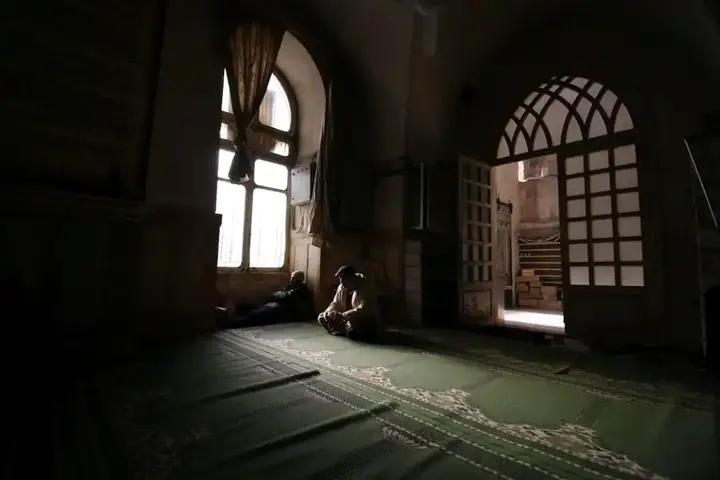
رجال يجلسون في المسجد (المصدر)
The Hassan II Mosque was designed by the French architect Michel Bensau, who was brought to Morocco by the king, to work on several designs, including this mosque. Designed on a historical structure and based on contemporary architecture, Benso followed years studying Moroccan Islamic architecture where he lived in Casablanca for more than 20 years. His inspiration was the Koutoubia Mosque in Marrakech, the old part of the Hassan Mosque in Rabat, as well as the Great Mosque of Seville.
ADVERTISEMENT
Designed on a total area of 90 square meters, the mosque was a mixture of ancient Andalusian designs, integrating a Moroccan style with modern design features, keeping pace with developments in historical buildings globally. This mosque was built on two sides, the first side from the land side, consisting of an entrance decorated with ornate doors and carved arches indicating historical connotations, and the second in the middle of the water.
One of the challenges facing the construction was the burial and backfilling of 15 hectares of sea space through the use of highly resistant and rigid materials, concerned with the durability of the building and its stability above the waves, such as travertine and titanium coating for doors, and "Tadlakt" (a type of waterproof dyes famous in Moroccan architecture), a material against moisture. The construction also required nearly 300,000 cubic meters of concrete and 40,000 tons of steel.
ADVERTISEMENT
Design of the minaret of the King Hassan II Mosque
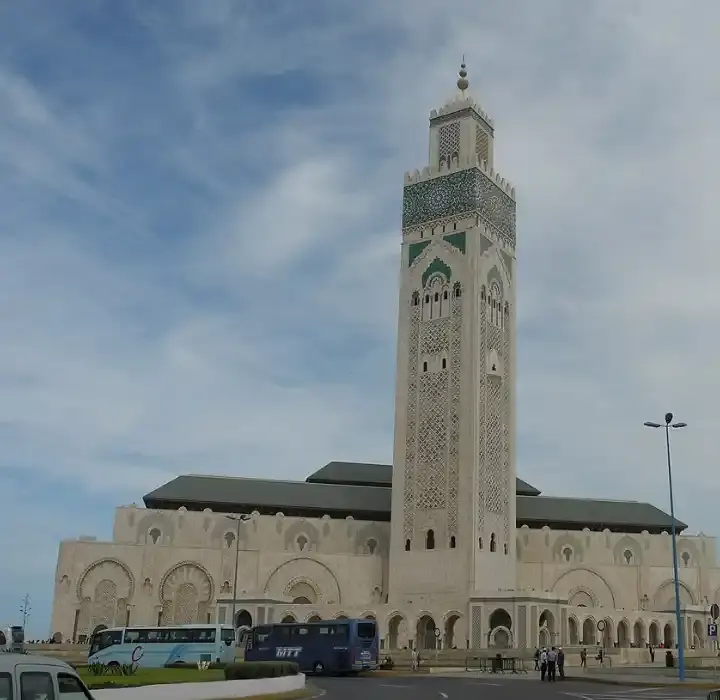
مسجد الملك الحسن الثاني ومئذنته الشاهقة (المصدر)
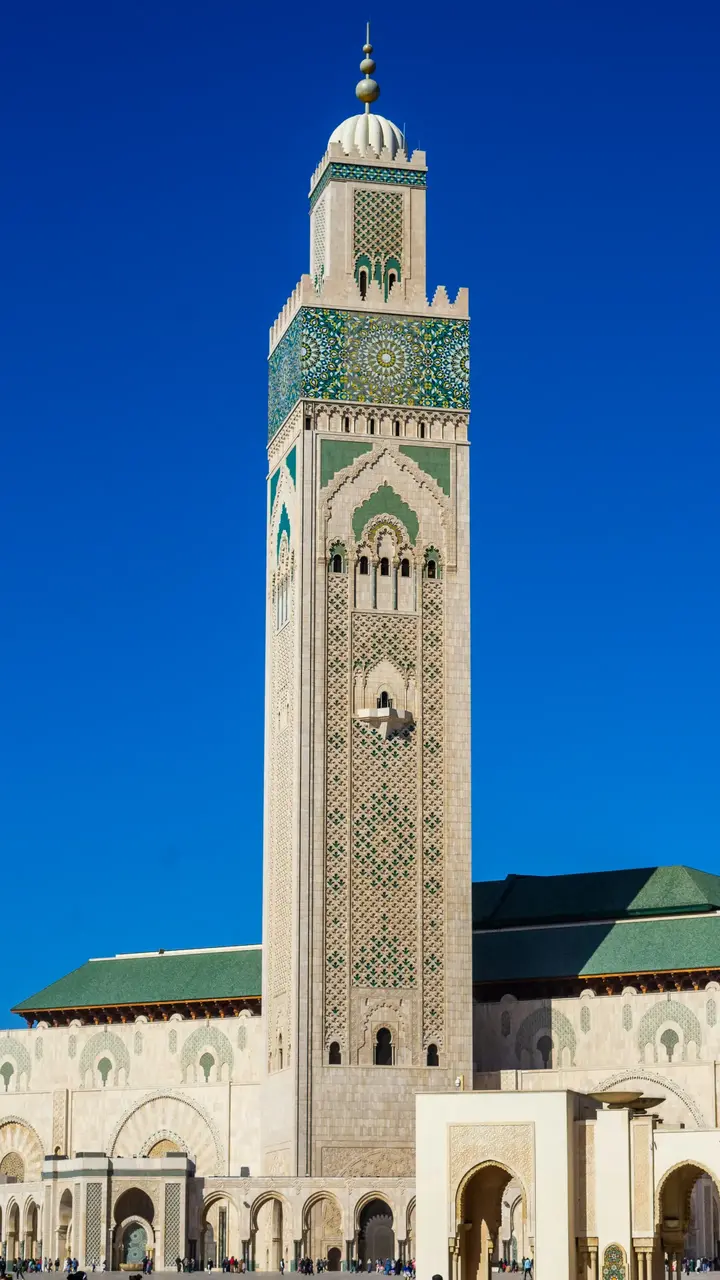
The design of the minaret has a Moroccan-Andalusian architectural character, oriented towards the qibla in a corner direction, unlike the rest of the mosques in the Islamic world, whose sides were built in the direction of the qibla. The minaret rises 200 meters, making it one of the highest religious monuments in the world, and it is equipped with a lighthouse, and a jamour of 3 golden balls with a height of 15.5 meters, in addition to that it radiates a laser beam with a range of 30 kilometers, and it is a beacon for ships coming to the port of Casablanca.
During his visit to the site, the king had asked the responsible company to raise the minaret an additional 25 meters after noticing that its size was not commensurate with the size of the building, which required the development of building materials to be able to withstand this additional weight following this modification. As for the facades of the minaret, they are decorated with ornate figures of Rodani limestone, and with a mosaic green glass paste, made of titanium, on stainless steel frames. With a base area of 625 square meters, there is an elevator for 12 people, which enables them to reach the top of the minaret in less than a minute, which is great work!
ADVERTISEMENT
The architectural style of the mosque
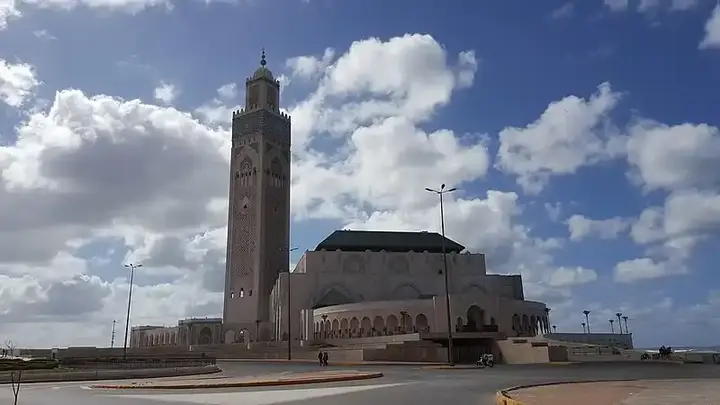
مسجد الملك الحسن الثاني بالمغرب (المصدر)
The mosque embodied the characteristics of Arab-Islamic architecture, in terms of form, decoration, size and location, and its architecture was inspired by the cultural richness of Moroccan building art over the centuries. He revived the Andalusian heritage, while preserving the Moroccan architectural form. One of the most important points that reflect this style is the focus on the prayer hall (prayer hall or mosque nave) in proportion to the area of the mosque, because it is the source of light and air for the rest of its parts.
The prayer hall is located on an area of two hectares, and can accommodate 25,000 worshippers, in addition to another 80,000 in the outdoor courtyard. The hall is topped by a 60-meter-high movable ceiling, which opens and closes automatically in 5 minutes to see a sunny courtyard similar to the old buildings with Arab-Andalusian architecture. There are also Murano chandeliers, glass doors on the north wall, a collection of sumptuous alabaster deaconesses, as well as 3 openings made in an arched wooden frame.
ADVERTISEMENT
Moreover, the courtyard of the mosque is equipped with a heated floor covered with marble, granite and limestone, which makes it mimicking the décor of Moroccan carpets, and is decorated with "Stenia" domes and domes in the shape of a rose, called "Hassaniya" whose design was supervised by the king himself, so it was the first domes used in Moroccan mosques, which are carved wood and installed on frames weighing 971 tons of stainless steel and suspended from a concrete structure. The mosque is also characterized by the height of its columns of 13 meters, and its diversity in form and craftsmanship, where we find an aesthetic employment of calligraphy and decoration of wood, gypsum, copper, marble, mosaics and dyes of different colors,