Unexpected Discovery: Tiny Snails Have the Most Teeth in the World


Many believe that tiny snails are just small creatures, but they hold a bizarre secret within their bodies. According to recent studies, it has been discovered that tiny snails have the largest number of teeth in the world. This unexpected finding gives these creatures a unique character and raises many questions about their evolution and the role of these teeth.
عرض النقاط الرئيسية
- Recent studies have revealed that tiny snails hold the record for the most teeth among all living creatures, capturing the attention of researchers.
- These teeth are located within invisible channels that run throughout the snails' bodies, adding a new mystery to their intricate internal structure.
- This vast number of teeth plays multiple roles, including aiding in feeding, defense, and sometimes reproduction, according to current scientific hypotheses.
- ADVERTISEMENT
- This discovery helps scientists explore biological adaptation mechanisms, offering a chance for a deeper understanding of marine life evolution.
- Thanks to these unique teeth, tiny snails can exploit food sources that are difficult for other creatures to access, giving them a significant evolutionary advantage.
- It's anticipated that this discovery will lead to new technological developments in medicine and biotechnology, especially in dentistry and 3D manufacturing.
- Tiny snails exemplify how small organisms can harbor big secrets that directly impact the advancement of biological sciences and evolutionary learning.
1. Astonishing Discovery: The Enormous Number of Teeth in Tiny Snails.

The wonders of the animal world never cease, and the latest amazing discovery comes from the world of tiny snails. It has been found that these small creatures possess an enormous number of teeth. This exciting discovery opens the door to new studies about this strange phenomenon and the role of teeth in the lives of these tiny snails.
قراءة مقترحة
It's fascinating to realize that tiny snails, known for their small size, possess a vast number of teeth. The numbers range from dozens to hundreds, which is truly remarkable. You might wonder what purpose such an enormous number of teeth serves and whether they have a specific function in the snail's life?
Frankly, even scientists were unaware of the existence of this vast number of teeth in tiny snails until the recent discovery. Scientists begin their research by analyzing the snail's structure using advanced technologies, and they were surprised to find such a large number of teeth.
The diversity of teeth in tiny snails raises many questions and curiosity among scientists. The existence of this vast number of teeth suggests they have an important function, possibly related to feeding, defense, or even reproduction. Do these teeth help in feeding on specific food? Or are they used for self-defense against predators? Or do they play a role in the reproduction of these small creatures?
Scientists' current mission is to understand the role of teeth in the lives of tiny snails and determine their true function. Therefore, scientists are conducting in-depth experiments and studies to understand the relationship between the function of the teeth and the life of tiny snails. We are all excited to learn the answers to these questions, which could lead to new and astonishing discoveries in the animal world.
We realize that life in the animal world is full of wonders and astonishing surprises. The discovery of the vast number of teeth in tiny snails is an example of this. These small snails may be tiny, but they carry big secrets. With ongoing research and development in the scientific world, we hope to uncover more of these wonders and gain a better understanding of the lives of these fascinating creatures.
2. Beyond Expectations: Where Are These Teeth Located in Tiny Snails?

When thinking about animal teeth, what comes to mind is the teeth visible in the mouth or even in the jaw, but the situation is entirely different with sea snails. In these small creatures, teeth are located in a canal that runs along their soft, spiral bodies. This means that marine snails carry a vast number of teeth within their bodies, though not visible as one might expect.
Although tiny snails don't seem frightening or threatening, they surprise us with much mystery and strangeness in their body structure. While we might expect the teeth to be concentrated in the mouth, they are actually found in unexpected places. Some teeth are located in the throat, while others are in the body's rear, indicating that tiny snails might use these teeth for different purposes than eating.
In recent research led by a team of scientists, modern examination and imaging techniques were used to explore the body of marine snails and their teeth count. The results were truly amazing, revealing small channels in the snails' bodies that contain teeth. These channels run along the body and branch in every direction, giving marine snails the appearance of having an endless series of teeth.
It is important to explore and understand where these unusual teeth are located in the body of tiny snails; these teeth distributed in unexpected places might influence the way tiny snails move or protect themselves from predators and reveal their relationship with the surrounding environment.
3. Unique Evolution: What Role Do These Teeth Play in the Lives of Tiny Snails?

Among the fascinating creatures that attract attention with their incredible diversity and adaptation, we find tiny snails. What makes these creatures even more captivating is their mysterious existence in the world of sea snails, a family distinguished by having the most teeth globally. Despite their small size, these teeth play a unique and important role in the lives of tiny snails. So, what exactly is the role of these teeth, and how do they impact the life of this amazing marine creature?
This new discovery opens the door to a greater understanding of the life of tiny snails and their adaptation to the environment. Until now, scientists have wondered why there is such a vast number of teeth in this small animal. This discovery has set researchers on a new path to study the impact of these teeth on snail feeding, protection from enemies, and their role in digestion and reproduction.
While we still know little about the function of these teeth, researchers believe they play a crucial role in how tiny snails interact with their environment and food system. Scientists have observed that these teeth allow tiny snails to capture and digest unique food sources. Thanks to these teeth, tiny snails can exploit food sources inaccessible to other creatures, enabling effective survival and growth.
Even though the teeth have a positive impact on the life of tiny snails, they also play an important role in defending them against predators. These teeth act as powerful tools enabling them to defend themselves and ward off external threats. This means that tiny snails with numerous teeth have a strong competitive advantage to survive in an environment full of potential enemies.
By studying the role of these teeth, we can shed light on the mechanisms of evolution and adaptation of living organisms in oceans, aiding us in expanding our knowledge and improving the protection of the marine environment.
4. Future Studies: Could These Discoveries Lead to a Deeper Understanding of Biological Evolution?

Following the astonishing revelation about the vast number of teeth in tiny snails, these discoveries raise many important questions about biological evolution and the origin of these creatures. Could these discoveries lead us to a deeper understanding of evolutionary processes and the diversity of life on Earth? Do teeth play a fundamental role in adapting living organisms to their environments and enhancing their biological capabilities? And what ecological role do these tiny snails play in the marine food system and food chain?
These amazing discoveries have opened the door to numerous future studies and in-depth research. These studies may contribute to understanding the origin and evolution of teeth in marine organisms and the theories related to biological evolution. These new explorations may help us understand more details about adaptation and biological evolution mechanisms and their impact on the environment and other organisms within it.
Future studies may also provide deeper insights regarding the impact of climate change on teeth formation and the potential for adaptation to a changing environment. We can benefit from these findings in areas such as biodiversity conservation and biotechnology.
These future studies could open doors to a deeper understanding of biological evolution and offer numerous new opportunities for studying biodiversity in the marine world and on Earth as a whole. It's an important step toward expanding our knowledge of life and enhancing environmental protection, as well as developing new technologies based on the nature of living organisms.
5. Impacts of This Discovery on Medical and Technological Fields.
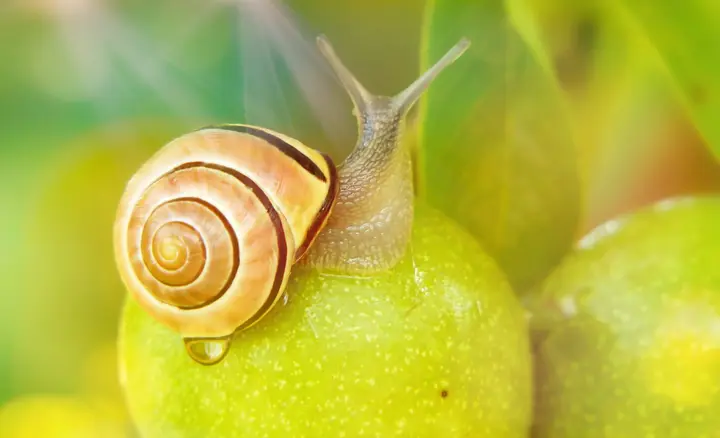
Tiny snails and their astonishing discovery of a vast number of teeth are widely recognized in medical and technological fields. This new discovery could impact the advancement of dental treatments and improve 3D manufacturing and more.
One potential impact of this discovery is the development of new therapeutic techniques in dentistry. By better understanding the function of these unique teeth in tiny snails, doctors can treat dental diseases and solve dental problems using innovative technological methods. Artificial materials inspired by these teeth may be developed to fill missing teeth or repair damaged ones more effectively and durably.
Furthermore, this discovery could also lead to advancements in 3D manufacturing techniques. By understanding the complex formation process of these teeth in tiny snails, engineers could use this knowledge to develop new 3D manufacturing methods. These techniques could be applied in various industries such as medicine, science, and engineering to produce complex and advanced products with high precision and quality.
In addition, this discovery may have a stunning impact on the development of biotechnology. Information on the composition and function of teeth in tiny snails could be used to develop new technologies in biology and medicine. For example, this knowledge could improve prosthetic design and develop strong artificial materials for surgical use.
This new discovery of numerous teeth in tiny snails marks a significant turning point in medical and technological fields. Dental treatments, 3D manufacturing techniques, and biotechnology will evolve thanks to a better understanding of these unique teeth and their function in tiny snails. This discovery paves the way for innovation and progress in these fields, enhancing scientific and technological development and benefiting humanity in general.
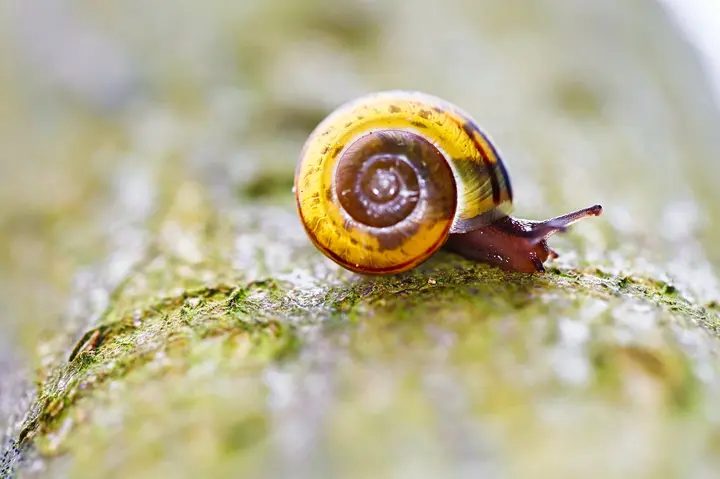
The discovery that tiny snails possess the most teeth in the world adds charm and wonder to these creatures. Despite their small size, tiny snails continue to amaze and intrigue us. Understanding the role of these unique teeth in the lives of tiny snails may open the door to more astounding discoveries in the world of biological evolution. This discovery could also impact medical and technological fields, as these teeth could be used to develop new materials and innovative therapeutic techniques. Unexpectedly, tiny snails reveal the fascinating and surprising aspects of marine life.