The Majestic Deer: Unveiling the Secrets of This Graceful Creature

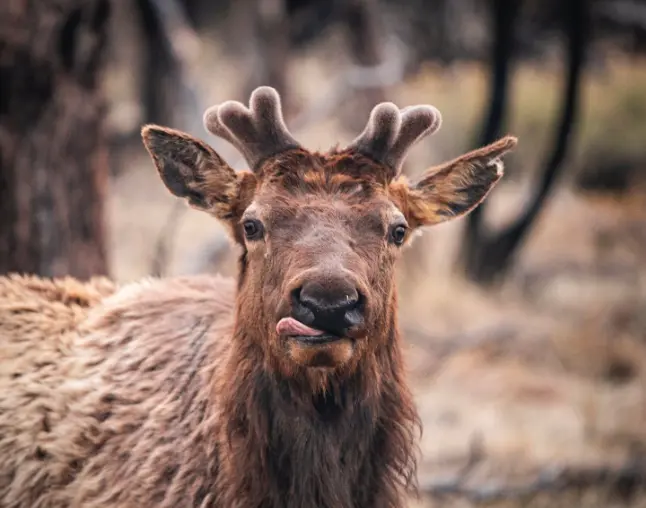
The majestic deer are animals that evoke wonder and admiration with their graceful charm and captivating beauty. Among the most mysterious and enchanting creatures in the animal kingdom, deer possess unique traits and abilities that seem almost otherworldly. Unveiling the secrets of these impressive deer is a fascinating endeavor, offering insights into their lives, behavior, and environmental impact.
عرض النقاط الرئيسية
- Deer captivate with their graceful beauty and elegant appearance, making them one of the most admired animals in nature.
- Deer species vary worldwide in size, color, and antler shape, reflecting their adaptation to different environments.
- Deer prefer diverse habitats such as forests, mountains, and deserts, and skillfully adapt to various climatic conditions.
- ADVERTISEMENT
- Deer rely entirely on a plant-based diet and live in herds characterized by cooperation and social organization.
- Deer possess remarkable abilities like high jumps and strong antlers that aid in defense and navigating rugged terrain.
- Deer have shown significant adaptability to environmental changes, helping them survive in harsh and constantly changing habitats.
- Deer contribute significantly to the ecosystem by dispersing seeds, controlling plant growth, and cleaning natural habitats.
1. Understanding Deer: Their Appearance and Diverse Types.
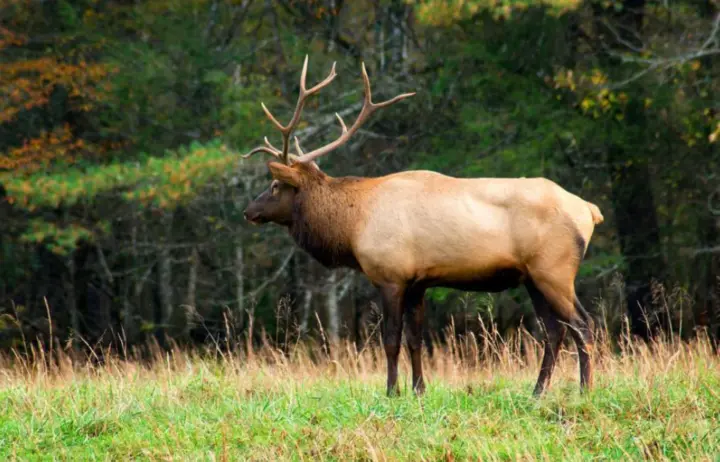
Deer are among the magnificent and beautiful animals that deserve our attention for their amazing characteristics. Notable for their elegant and graceful appearance, deer can reach body lengths of 1.5 to 2.5 meters and heights over one and a half meters. They have slender, delicate bodies and long necks that enhance their beauty and help them remain vigilant of their surroundings.
قراءة مقترحة
There is a wide variety of deer species worldwide, including North American deer, Eurasian deer, and high mountain deer, each differing in size. For instance, northern deer are generally larger than other varieties. They also vary in color and antler formation, which can be branched or intricately patterned.
With their natural beauty and elegance, deer offer a unique glimpse into the wild and play a crucial role in maintaining ecological balance in their habitats.
2. The Natural Habitat of Deer: Their Locations and Preferred Environments.
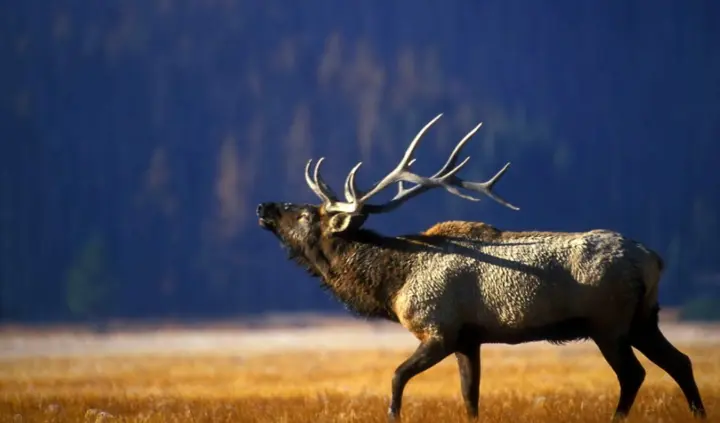
Deer are found in numerous regions worldwide, thriving in various environments ranging from forests to mountains, plains, and deserts. They prefer areas with cool to moderate climates, where they can adapt best to the conditions.
In mountainous regions, deer inhabit higher altitudes where tall grass and wild herbs are available as food. The Alps in Europe and the Rocky Mountains in North America are prime habitats for deer.
In forested areas, deer reside under dense canopy cover, finding shade and protection. The northern forests of Europe and North America provide ideal habitats, offering thick vegetation and shrubs for concealment.
For deer in desert regions, they inhabit rugged and challenging landscapes where foraging can be difficult. The Atlas Mountains in North Africa and the Gobi Desert in Australia are notable deer habitats in desert environments.
The wide range of habitats deer occupy promotes biodiversity and helps maintain ecological balance. By cautiously interacting with and preserving these environments, we can ensure the continued presence of these magnificent creatures in our beautiful world.
3. The Way of Life of Deer: Their Diet and Social Structure.
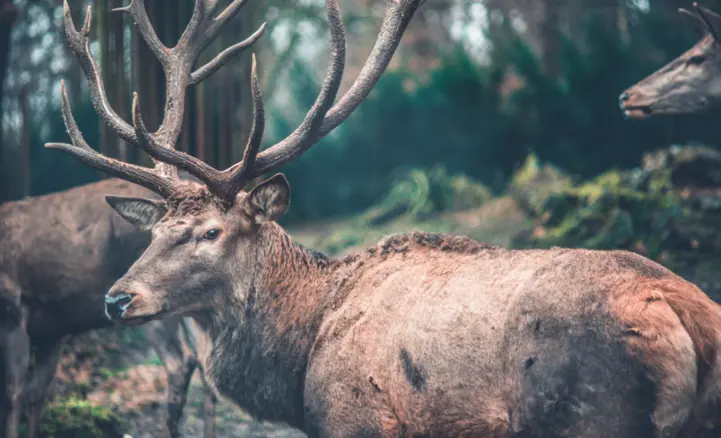
Deer lead a unique lifestyle that includes a specific diet and complex social structure. Understanding their diet and social dynamics offers deeper insights into these remarkable animals.
Deer are herbivores, depending entirely on a vegetarian diet. They primarily consume grass, leaves, tender branches, and seeds. Grass provides essential nutrients, and deer have the ability to digest the coarse fibers found in it. Interestingly, deer are known to consume small stones to aid digestion and supply their bodies with essential minerals.
Socially, deer live in herds, typically comprising female deer and their young, led by one or more adult male deer. The males protect the females and young, defending the herd from potential threats. Studies have shown that deer exhibit a social structure based on cooperation and solidarity, with members participating in food foraging and danger avoidance.
The life of deer is truly distinctive, presenting many lessons on the necessities for survival and thriving in their natural setting.
4. Amazing Abilities: The Antlers and High Jumps of Deer.
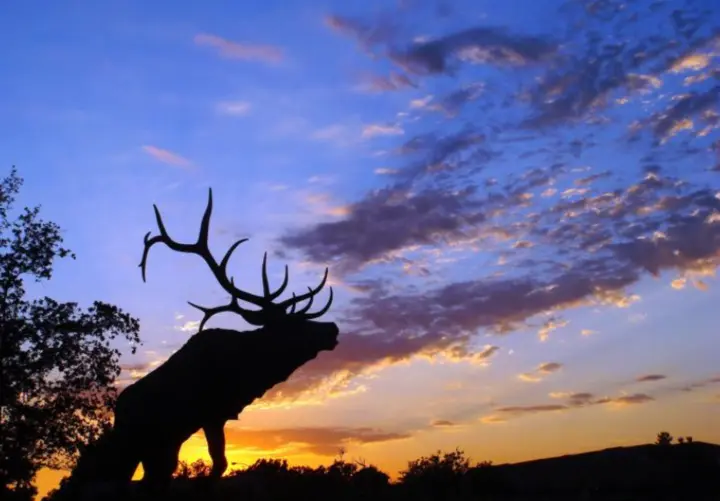
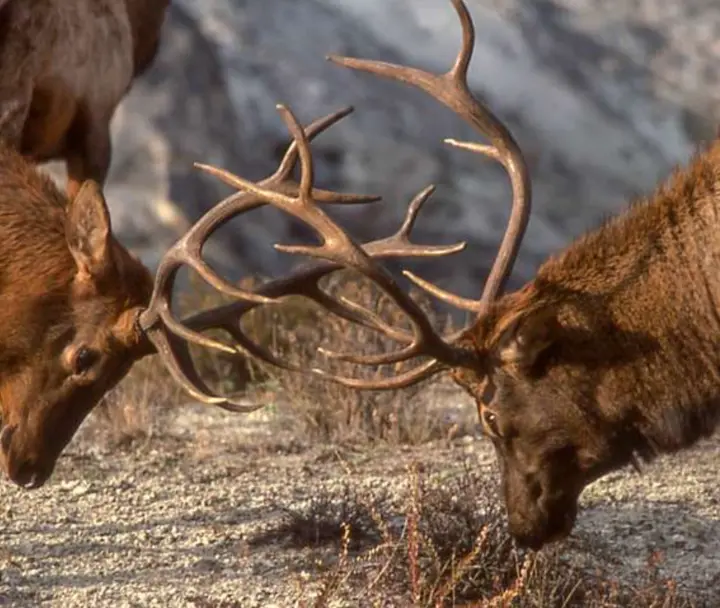
The deer’s ability to leap high is among its most impressive traits. Deer possess some of the strongest antlers in the animal kingdom, which are integral to their adaptation and lifestyle in rugged landscapes. These long and robust antlers serve as a form of defense and competition among males in deer’s social groups.
The high jumping capability of deer is both astonishing and admirable. They can effortlessly jump over two meters, with an average leap ranging from 1.5 to 2.5 meters. Their strong muscles and high flexibility allow them to traverse rugged mountainous landscapes and overcome natural barriers seamlessly.
High jumping is a critical survival strategy in harsh environments, enabling deer to leap over tall rocks, narrow crevices, and steep slopes to access water sources or new grazing grounds. This agility helps them evade predators and maintain safety.
High jumping also enhances deer’s reproductive prospects and supports strong social groups. Males utilize their impressive leaps to display strength and attract females, while young deer can swiftly jump over long distances to escape predators, ensuring survival.
In essence, deer’s antlers and high jumping ability define their enchanting allure. These traits enable them to adapt to rugged environments and use high jumping as a means for survival, making them truly one of the most captivating and extraordinary creatures in the animal kingdom.
5. Deer and Evolution: Adaptations to Environmental Changes and Species Preservation.
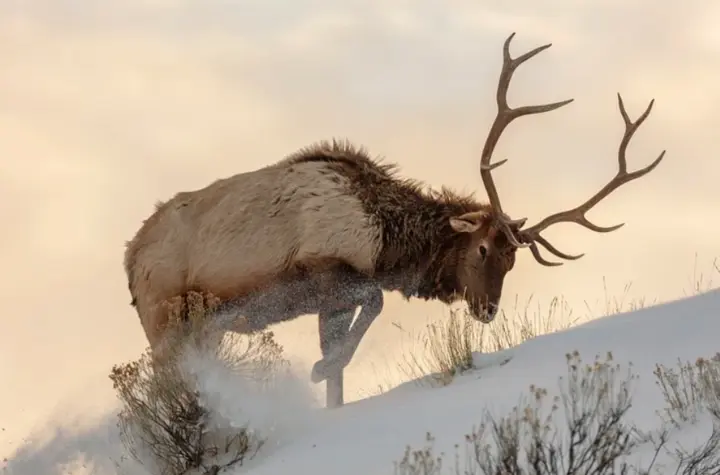
The animal kingdom is in constant evolution amid changing environments, and deer remain a species that has remarkably adapted to these changes. Deer face various environmental factors, including climate variations, reduced nutrition levels, and environmental degradation.
Deer deploy a suite of strategies to adjust to these changes, having developed a phenomenal ability to endure extreme temperatures, allowing them to survive in harsh and challenging environments such as hot deserts and cold mountainous areas.
Furthermore, deer can adapt to changes in feeding and water locations, traveling long distances in search of essential resources for survival. Their dietary flexibility enables them to consume a variety of plants available in their surroundings.
Additionally, deer habitats face constant changes due to human activities and structural interventions. Despite these challenges, deer continue to preserve their distinctive species by encouraging natural selection and reproduction processes, alongside preserving habitats and migration routes.
In summary, deer’s adaptability to environmental changes highlights their unique ability to thrive in diverse and challenging settings. Deer retain genetic traits that enable their survival and prosperity, continuing to fulfill their essential role in maintaining ecological balance and supporting biodiversity.
6. The Role of Deer in the Environment: Their Impact on the Ecosystem and Land Preservation.
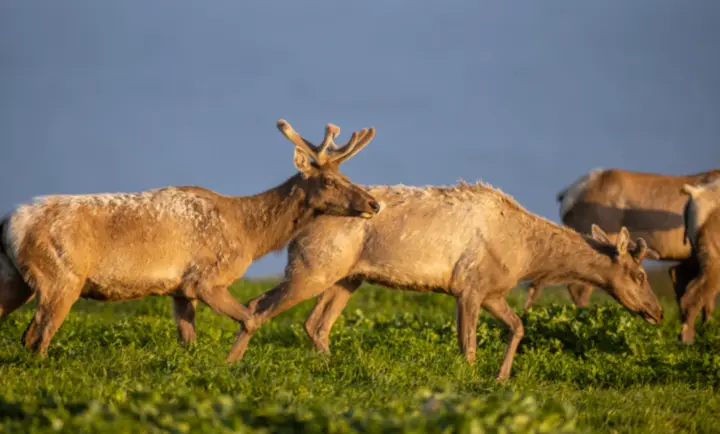
Deer play a crucial and vital role in the environment, contributing to the ecological balance and biodiversity of the areas they inhabit. Here are some of the key environmental roles played by deer:
Firstly, seed dispersion: Deer are notable for their role in spreading plant seeds. As deer consume plant leaves and fruits, seeds within their digestive system can be transported to locations far from the parent plant, aiding plant distribution across different areas.
Secondly, impact on plant growth: When deer feed on plants, they influence their growth and renewal. By consuming the upper parts of plants, they encourage the growth of new branches and leaves. Moreover, the plant shoots eaten by deer have the capacity for robust growth and regeneration.
Thirdly, impact on aquatic environments: Deer also have a significant role in affecting aquatic environments. By drinking water and consuming aquatic plants, they help cleanse wetlands and rivers of excess algae and aquatic plants, keeping water areas clean and viable for other life forms.
Fourthly, maintaining natural balance: Deer consume overgrown grass, shrubs, and dead plant parts, helping maintain plant balance and preventing weed proliferation. They play a crucial role in rejuvenating rugged lands and supporting the ecosystem in mountainous and desert regions.
Fifthly, deer as an environmental indicator: The presence and state of deer can be used as an environmental indicator in natural areas. High deer populations and varied groupings typically indicate a healthy and balanced ecosystem. Conversely, if deer are endangered or their numbers decline, it may signal environmental problems or deterioration.
In brief, deer contribute significantly to the environment through seed dispersal, plant growth impacts, aquatic cleaning, natural balance maintenance, and serving as an ecological indicator. Preserving this graceful animal in its natural habitat will aid in maintaining ecological balance and ensuring important biodiversity for our planet.
In conclusion, it's clear that the majestic deer are fascinating animals deserving of attention and exploration of their secrets. By uncovering their life patterns and exceptional environmental adaptations, we can appreciate the importance of this animal in maintaining ecological balance and natural diversity. So, let's cherish this graceful creature and discover its captivating magic and secrets.