Survival Tactics: How to Prepare and Protect Yourself During a Dust Storm

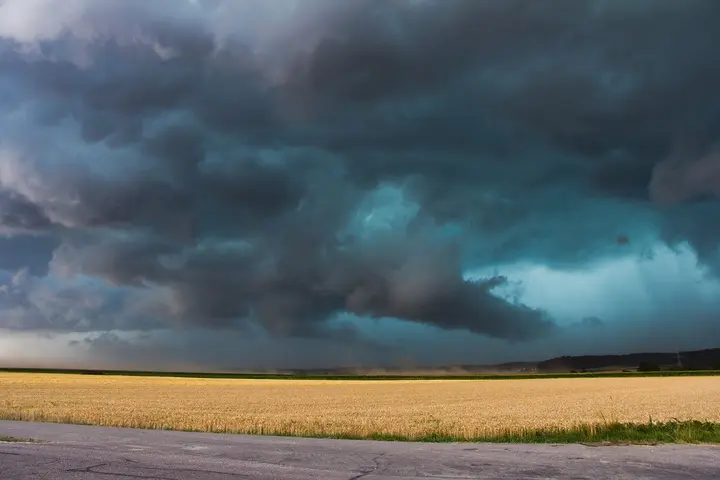
Dust storms are destructive natural phenomena that threaten human life, causing numerous health and environmental issues. With the increasing frequency and intensity of these storms in recent years, knowing the necessary survival tactics and maintaining our safety becomes crucial. This article explores how to prepare and protect ourselves during a dust storm, outlining five effective tips that can help us face this devastating natural occurrence.
Show key points
- Dust storms pose a significant threat to health and safety, making prior preparation essential.
- It's advisable to secure emergency supplies such as batteries, non-perishable food, and clean water before the storm hits.
- Wearing protective clothing, goggles, and suitable hats helps reduce exposure to dust and harmful particles.
- ADVERTISEMENT
- Staying indoors during the storm with sealed vents and using air purifiers minimizes pollution risks.
- Using internationally certified protective masks helps guard against fine airborne particles.
- Maintaining communication with family and official bodies is crucial during and after the storm.
- Community cooperation and awareness-raising of preventive measures enhance public safety in these natural disasters.
1. Advance Preparations: How to Ready Yourself for a Dust Storm Before It Hits

When a dust storm is anticipated, its powerful and hazardous effects on our lives and safety cannot be underestimated. Thus, it is essential to prepare for this destructive natural phenomenon before it arrives. Here are some tips that can help you prepare for a dust storm and protect yourself and your family from its harmful impacts.
Recommend
Recognize the primary signs of a dust storm: Before the storm occurs, it is important to recognize the early indicators pointing to its onset. These signs might include increased wind speed, reduced visibility due to airborne dust, and temperature changes. Upon noticing these signs, it's crucial to start early preparations.
Secure essential supplies: Prepare a good stock of fresh water and non-perishable food to maintain your basic needs during the storm. You can also equip yourself with a battery-powered flashlight, first aid kits, and air cleaning tools.
Secure the home: Ensure your home is secure and repair any window or door damage to prevent the entry of dust and harmful particles. Remove any fallen trees or heavy objects close to the house to prevent property or personal damage.
Keep water tanks full: Ensure your water tanks are filled before the storm occurs, as water supplies might be cut off for some time. This guarantees a reliable source for drinking and daily use.
Stay updated and follow authority guidelines: Given that dust storms can pose health and safety risks, maintaining updates with weather conditions and local authority guidelines is crucial. Monitor official websites and local stations for reliable information and follow directions accurately.
By employing these advance preparations, you can improve your safety and protect yourself and your family during a dust storm. Don't hesitate to share this information with others and work together for collective safety.
2. Wear Appropriate Clothing: How to Protect Your Body from Dust and Harmful Particles

Dust storms are powerful and destructive occurrences, bringing vast amounts of dust and harmful particles potentially affecting our health. Thus, wearing appropriate clothing is necessary to protect our bodies and prevent the negative consequences that these natural phenomena may cause.
Initially, we should choose clothing made from heavy and tightly woven fabrics, as such materials can effectively prevent dust and particles from penetrating the body. Cotton, linen, or nylon can be used as basic materials in these garments, known for their ability to block out small particulates.
Additionally, clothes should be slightly loose to allow the body freedom of movement and breathing. Given our exposure to frequent dust storms, ease of movement and good ventilation are crucial in ensuring comfort and effective protection during these disturbed periods.
It's also necessary to wear hats or protective head coverings to shield the face and head from dust and particles. It’s preferable to choose hats with wide brims made from materials that resist particle penetration, providing optimal protection for the face, eyes, and nose.
Moreover, wearing protective goggles is crucial for guarding against harmful particles. These goggles act as a temporary barrier for the eyes, reducing the chance of dust entering and alleviating resulting irritation and discomfort.
Finally, we should avoid wearing tight or thin clothes during dust storms. Tight clothing may trap dust and particles in certain body areas, leading to increased irritation and sensitivity in those regions. Similarly, excessive friction from thin clothes on the skin can cause irritation and redness.
By selecting appropriate clothing and following the above tips, we can easily protect our bodies from the dust and harmful particles caused by dust storms. Taking necessary precautions to protect ourselves enhances personal safety and contributes to maintaining our health and comfort during these harsh conditions.
3. Stay Indoors: How to Remain Safe Inside Your Home or Office During a Dust Storm
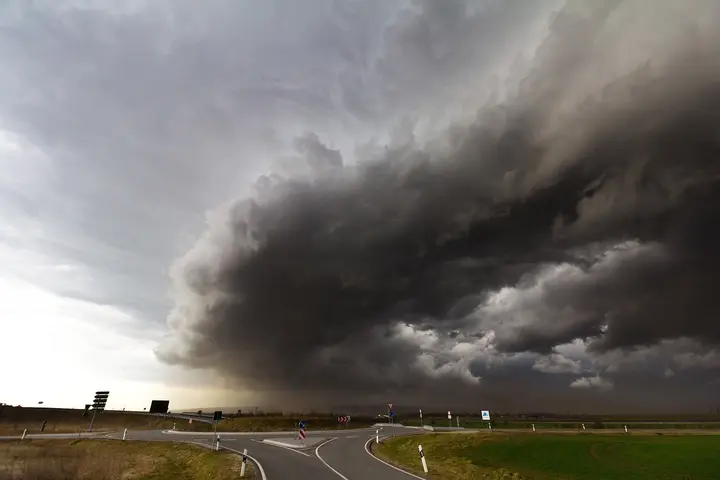
Amidst the fierce winds and airborne dust and particles during a dust storm, staying indoors is one of the best options to ensure your safety and health. Indoors, you can avoid direct exposure to harmful elements and reduce the risks arising from this destructive natural phenomenon. So, what measures should you take to remain safe inside your home or office during a dust storm? This section outlines some important tips you should follow.
Firstly, seal all doors and windows securely. It is recommended to use rubber seals around any gaps to prevent dust and harmful particles from entering. Additionally, using adhesive strips to further secure windows and doors can be useful.
Secondly, set up air shelters indoors. You can use air filters or temporary air conditioning to ensure that clean, dust-free air enters the protected space. Avoid using fans or natural ventilation during the storm, as they might bring in more harmful dust.
Thirdly, avoid outdoor activities. It is advised against leaving the home or office during a strong dust storm. Refrain from garden walks or outdoor exercises until the storm has subsided and weather conditions have improved.
Fourthly, maintain and clean the indoors regularly. Having gloves and protective masks while cleaning surfaces and furniture prevents the absorption of harmful dust and particles. Moisten towels or fabric pieces before use to avoid stirring dust into the air.
Fifthly, ensure the ventilation system is functioning correctly. Regularly clean and sanitize air conditioning devices to ensure the circulated indoor air is clean and particle-free.
In essence, staying indoors during a dust storm is an effective way to maintain safety and protect yourself from harmful elements. Properly preparing your home or office and following necessary safety guidelines can assist you in remaining safe during these challenging conditions. Prepare well, take necessary precautions before the storm, and refrain from leaving safe spaces in unsafe conditions. Your safety is paramount; do not hesitate to seek shelter until this devastating dust storm passes.
4. Use Protective Masks: How to Choose and Use Masks for Protection Against Dust and Harmful Particles
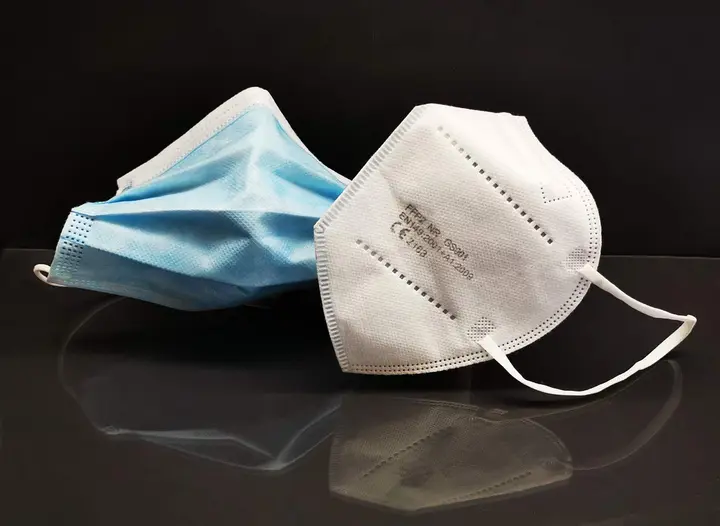
During violent dust storms, protective masks are a safeguard against the harmful particles carried by polluted air. Using these masks shields us from storm dust, granting us fresh and clean air to breathe. However, we must know how to select the right masks and use them correctly to ensure their full effectiveness. This segment enumerates the process of selecting suitable protective masks and the correct ways to use them.
Before using protective masks, we must ensure the right type is chosen to meet our needs. Protective masks offer multiple layers that help filter fine particles and air pollutants, yet protection levels differ across masks. Therefore, we should consider the severity of pollution and dust composition in the area to select the most suitable masks.
When selecting protective masks, adhering to health standards and quality is vital. We must ensure that masks bear quality marks and conform to global health specifications. They should be designed to allow good ventilation and fully cover the nose and mouth. Reusability and environmental friendliness are other preferable features.
After selecting the suitable masks, understanding proper usage is critical. Before putting on a mask, hands should be thoroughly washed to ensure cleanliness. Then, the mask should be positioned to cover the nose and mouth entirely without gaps. Ensure the mask is breathable and doesn’t affect vision or breathing. Refrain from touching the mask while wearing it, and use it only once, then dispose of it properly.
By correctly using protective masks, we can maintain our safety and protect ourselves from harmful airborne pollution caused by dust storms. Emphasizing the selection of appropriate masks and their correct usage reflects wisdom and personal health care. Therefore, we should acknowledge the significant importance of using protective masks and adhere to the previous guidelines to ensure our safety during preparation and throughout a dust storm.
5. Stay Connected: How to Communicate with Family, Friends, and Authorities During and After the Storm
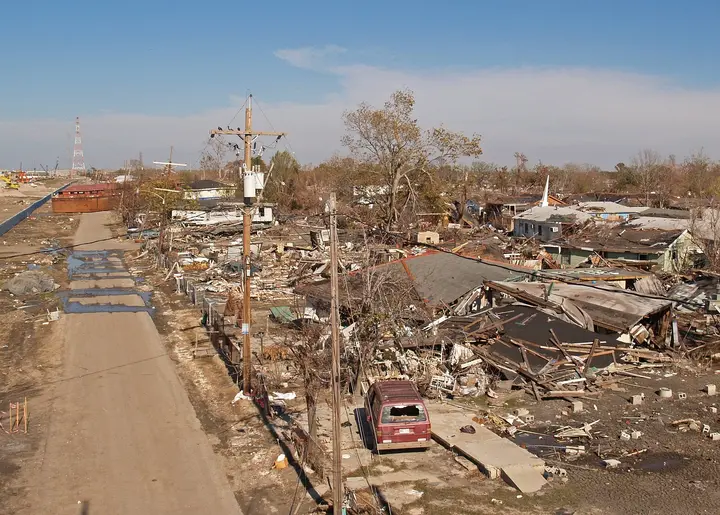
During intense dust storms, when thick dust blankets the horizon and fierce winds sweep away everything in their path, staying in contact with family, friends, and authorities becomes challenging. The world seems torn apart, enveloped in darkness where structures disappear, and voices are silenced by the raging storm. However, there are ways to stay connected and informed about each other's conditions during these harsh circumstances.
First and foremost, we should ensure that we have necessary communication tools before the storm hits. Spare batteries for mobile phones, wireless devices, and radios should be kept handy. Before the storm begins, we should inform family and friends of our location, confirm our safety, and ensure we have a functional communication means.
Secondly, continuous efforts to stay connected with the relevant authorities and government institutions are necessary. In some cases, emergencies and public calls might require our attention. Therefore, keeping important emergency numbers and local support resources accessible is advisable.
Thirdly, if you must travel during the storm, ensure to share your location and contact details with family and friends. Use geographic location apps on smartphones to track each other's positions and ensure safety.
Once the storm subsides and conditions return to normal, we should promptly reconnect with family, friends, and authorities to report our safety and discuss any possible damages. This simple step will enhance social bonds, providing reassurance and care.
Staying connected with family, friends, and authorities during and after dust storms is crucial. Good communication provides safety, support, and shared knowledge. Therefore, take the necessary steps to ensure connectivity in all circumstances, even in the face of this mighty force of nature.
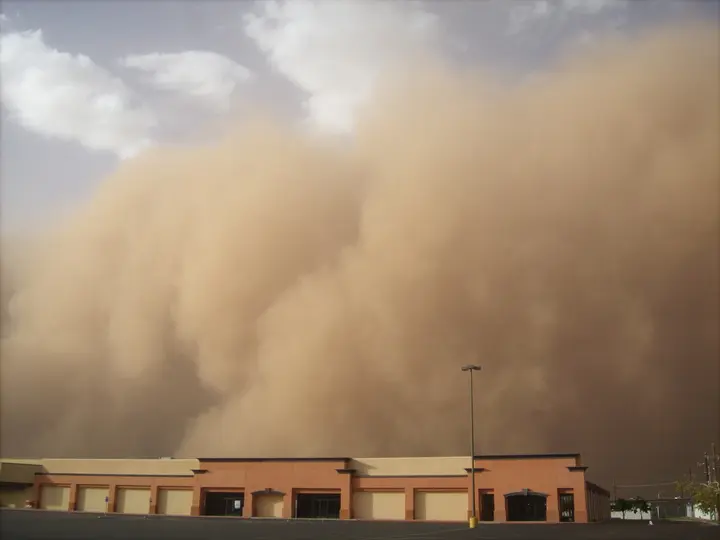
In light of what has been discussed in this article, knowing and applying these crucial tactics can make the difference between safety and danger during a dust storm. Therefore, everyone should prepare and take necessary preventive actions to ensure their safety and protect themselves and their families. Let's all cooperate to face this natural phenomenon with courage and wisdom, ensuring we all remain safe.