How The Muslim Community In Chile Prepares For Ramadan?

Despite its small size, Chile's Muslim community celebrates Ramadan with deep devotion and a strong sense of community. This article offers a brief overview of the community, how it typically prepares for the holy month, and how it celebrates it.
1. Spiritual Preparation:
Focus on Intention: Muslims in Chile, like Muslims around the world, begin Ramadan with a firm intention to fast, pray, and seek spiritual growth. It is a time of self-discipline, gratitude, and drawing closer to God.
Quran Recitation: Many aim to complete their recitation of the Quran during the month, either individually or together at mosques and Islamic centers.
Educational Programs: Islamic organizations often hold workshops or seminars to educate the community, especially new or younger Muslims, about the significance and practices of Ramadan.
Recommend
2. Community Iftars:
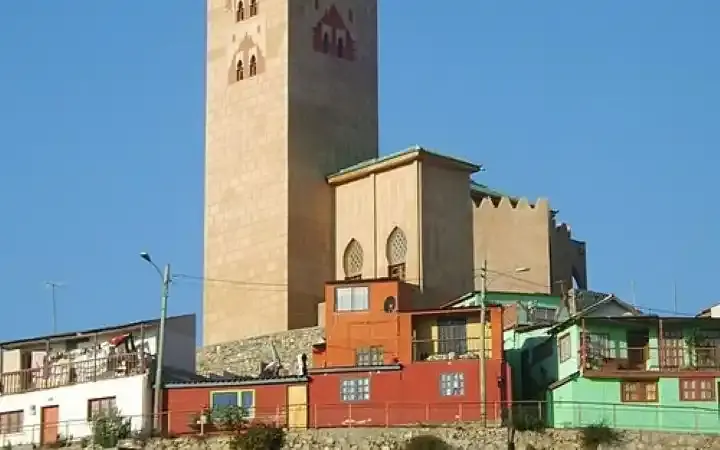
Mosque Iftars: Mosques in cities such as Santiago, Iquique, and Coquimbo organize daily iftar meals, where community members gather to break their fast together. These meals often include traditional dishes from various Islamic cultures as well as local Chilean cuisine.
Home Gatherings: Families and friends also host special iftars, inviting neighbors and colleagues to share the experience. These gatherings help build community bonds and introduce non-Muslims to Ramadan traditions.
Interfaith Iftars: Some local communities organize interfaith iftars to promote dialogue and understanding within Chile's predominantly Catholic society.
3. Charity and Social Responsibility:
Zakat and Sadaqah: Ramadan is a time of giving, and Muslims in Chile contribute to charitable causes through zakat (obligatory charity) and voluntary donations. Funds are often used to support local Muslims in need or are donated to international relief efforts.
Food Distribution: Many communities organize food drives or distribute meals to the homeless and less fortunate, reflecting the spirit of generosity and compassion during Ramadan.
Support for New Muslims: The community often provides extra support to new converts, helping them with fasting, prayer, and other Ramadan practices.
4. Tarawih Prayer:
Night Congregational Prayer: Tarawih prayers are held in mosques after the Isha prayer. In Chile, these prayers are often led by local imams or visiting scholars, with the Quran recited in a melodic style.
Women's Participation: Many mosques in Chile make efforts to accommodate women by providing separate prayer areas or by organizing Tarawih sessions exclusively for women.
Youth Participation: Younger members of the community are encouraged to take part in Tarawih prayers, helping them connect with their faith and traditions.
5. Cultural Adaptations:
Halal Food: While halal food is less widely available in Chile than in some other countries, Muslims often prepare meals at home or obtain ingredients from halal specialty stores. Some restaurants in major cities also offer halal options during Ramadan.

Local Flavors: Chilean Muslims sometimes incorporate local ingredients, such as seafood, fruits, and vegetables, into their traditional Ramadan dishes, creating a unique blend of cultures.
Fasting in the Southern Hemisphere: Chile's location in the Southern Hemisphere means that Ramadan falls during the summer months this year. This results in longer fasting hours compared with many Northern Hemisphere countries, with fasts lasting approximately 13 to 15 hours per day.
6. Eid al-Fitr Celebrations:
Eid Prayer: The community gathers for Eid prayers, usually held in mosques or rented halls. The prayer is followed by sermons that emphasize unity, gratitude, and the importance of sustaining good deeds after Ramadan.
Eid Meals: Families prepare special meals and desserts to celebrate Eid. Dishes from various Islamic cultures, such as biryani, samosas, and baklava, are shared alongside Chilean favorites like empanadas.
Gifts and Charity: It is customary to exchange gifts, especially with children, and to give charity before Eid prayers (Zakat al-Fitr).
Public Events: In some cities, the Muslim community organizes public Eid festivals featuring food stalls, cultural performances, and children's activities. These events help raise awareness of Islam and foster goodwill with the wider Chilean community.
7. Challenges Facing the Community:
Small Population: Since Muslims make up less than 0.1% of Chile's population, the community is relatively small and dispersed. This can make it difficult to maintain a strong sense of unity and to organize large-scale events.
Limited Resources: There are few mosques and Islamic centers in Chile, and halal food options are limited outside major cities. This requires the community to be resourceful and largely self-reliant.
Cultural Integration: Balancing Islamic traditions with Chilean culture can be challenging, especially for younger generations. Many, however, view it as an opportunity to promote diversity and understanding.
8. Interfaith Outreach and Outreach Efforts:
Open Houses: Some mosques and Islamic centers host open houses during Ramadan, inviting non-Muslims to learn about Islam, observe prayers, and join iftar meals.
Media Engagement: Chile's Muslim community often uses social media and local media to share information about Ramadan and its significance, helping to dispel misconceptions and build bridges with the wider public.
Conclusion:
Despite the small size of Chile's Muslim community, they observe Ramadan with deep devotion and a strong sense of togetherness. They adapt to their local context while preserving their religious traditions and actively engage in charitable and interfaith activities to promote understanding and goodwill. Ramadan in Chile shows how faith can flourish within diverse cultural settings.