Dinder reserve : The Wild Paradise of Sudan

In the far southeast of Sudan, on the border with Ethiopia, lies Dinder National Park, one of the most important nature reserves in Africa. Established in 1935, the park covers an area of more than 10,000 square kilometers. Dinder represents a unique model of biodiversity and embraces an integrated natural environment that is home to hundreds of animal and plant species.
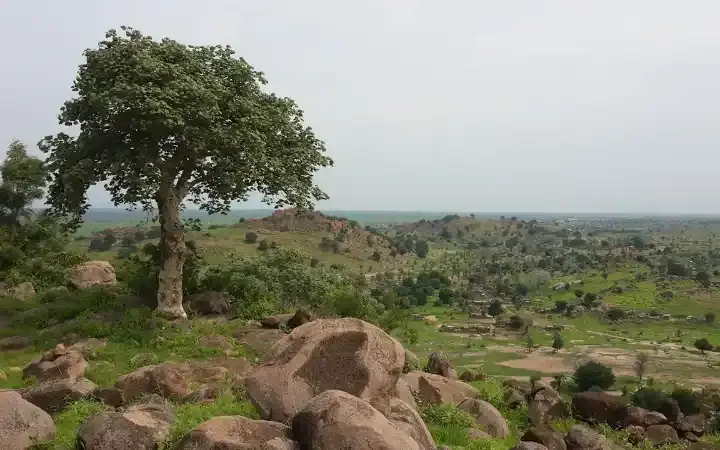
The Dinder National Park is not just a green space; it is a vibrant ecosystem consisting of savannah forests, seasonal rivers, swamps, and mountain ranges. Over the decades, this area has become a magnet for scientists, wildlife enthusiasts, photographers, and adventure tourists. Dinder is also a UNESCO World Heritage Site, designated as an important environmental site that contributes to the conservation of rare and endangered species in Africa.
قراءة مقترحة
Where is the Dinder National Park located?
The Dinder National Park is located in southeastern Sudan, along the Ethiopian border, approximately 500 kilometers from the capital, Khartoum. Its lands are distributed across the states of Sennar and Gedaref, and it covers an area of approximately 10,000 square kilometers. The region is a meeting point between tropical and seasonal climates, giving it exceptional ecological diversity.
The park contains several seasonal valleys, such as Khor Al-Qa'ra, Khor Abu Qamri, and Khor Abu Habira, which are seasonal tributaries that constitute major water sources that attract wildlife and birds. The area is affected by a hot tropical climate, with heavy rainfall in the summer and dry soil in the winter, creating a natural cycle of life within the park.
The park's unique geographical location, combining forests, plains, and mountains, makes it one of the most diverse areas of wildlife in Sudan.
The Unique Animals and Plants of Dinder
The Dinder National Park is a natural habitat for an amazing array of wildlife, including more than 160 species of mammals, birds, and reptiles. In Dinder, you'll find lions, leopards, hyenas, antelopes, giraffes, African buffalo, wild boars, and other rare species rarely seen elsewhere.
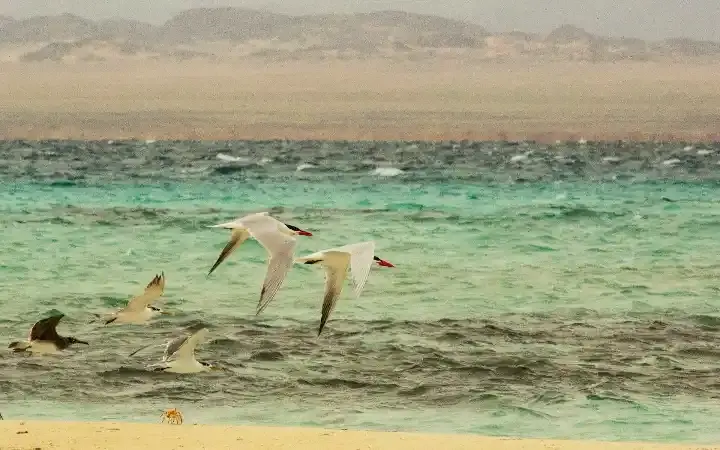
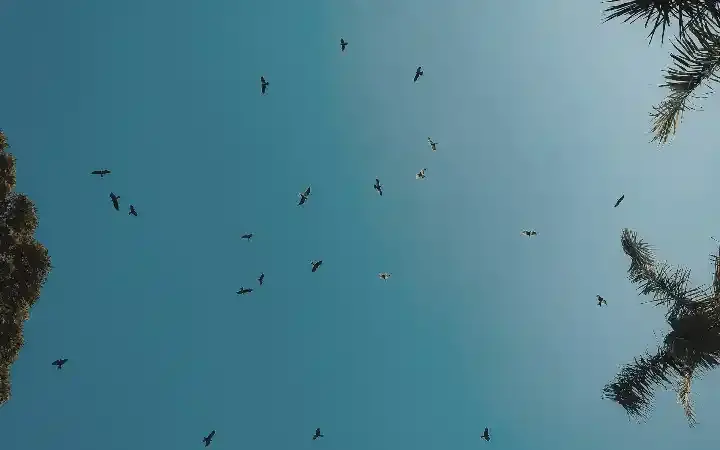
The park also houses more than 250 species of birds, including migratory birds from Europe and Asia, such as the white stork, the pink-headed flamingo, and the heron. As for flora, Dinder boasts a unique plant diversity, ranging from acacia trees to medicinal plants and seasonal herbs that provide a natural food source for wildlife.
The balance between fauna and flora in the park reflects a sensitive and dynamic ecosystem, making Dinder a vital center for environmental and biodiversity studies.
The Most Important Rare Endangered Animals in the Dinder National Park
One of the most prominent rare endangered animals in the Dinder National Park is the African leopard, one of the most elusive creatures, and is at risk of extinction due to habitat degradation and poaching.
The striped hyena, a species whose numbers have declined sharply in many parts of Africa, also resides in the park. However, it maintains a relatively stable presence in the Dinder National Park. The park also includes rare antelopes such as the great kudu and the sand gazelle, which are highly sensitive to environmental changes and require large, safe grazing areas for breeding.
Threatened birds also have a share; the park is a major stopover for several threatened migratory birds, such as the bald ibis and the black stork. The importance of the Dinder National Park lies in its being one of the last natural environments that still provides protection for these creatures.
Therefore, continued efforts to protect this natural heritage are not a luxury; they are a necessity to maintain local and global ecological balance and ensure that these rare animals remain part of our biodiversity for future generations.
Best Times to Visit the Reserve
If you're planning to visit the Dinder National Park in Sudan, it's essential to choose the right time to maximize your experience. The best time to visit the reserve is from December to May, when the rains have subsided and animals begin to appear around natural water sources. Keep in mind that Sudan is one of the hottest places in the summer, so be careful and prepare well for your trip if you decide to go during the summer months.
At this time, the reserve's roads become passable, offering opportunities to see animals in their natural habitat without having to hike long distances. The weather is relatively mild, making safaris and wildlife tours more comfortable.
Conversely, it's advisable to avoid visiting during the rainy season (June to October), when the muddy roads become impassable and the chances of seeing wildlife are reduced due to the dense vegetation. Careful planning and choosing the right season will ensure you have an exceptional trip into the heart of Sudan's wildlife.
How do you prepare for a successful safari in Sudan?
A safari in Dinder requires some basic preparation to ensure an enjoyable and safe experience. First, make sure to join a specialized tour team or hire a local guide who knows the area well. Second, pack appropriate items such as light, long-sleeved clothing, sturdy walking shoes, sunglasses, sunscreen, and insect repellent.
It's also essential to carry a good camera to capture rare photos, as well as binoculars to view birds and animals from a distance. Make sure your vehicle is equipped to handle unpaved roads and that you have sufficient water and food.
Don't forget to check your entry permits, as the reserve authorities require prior official permission. By following these guidelines, you'll be able to embark on a safe, exciting, and discoverable wilderness adventure.
Challenges and Opportunities in Conserving Biodiversity
Despite the richness and unique biodiversity of the Dinder National Park, it faces numerous environmental and human challenges. The most prominent challenges include overgrazing, poaching, and climate change, which threaten the survival of some of the reserve's rare species.
Significant efforts are being made by Sudanese authorities and international environmental organizations to protect this reserve. These efforts include strengthening guarding, raising awareness among local communities, and supporting sustainable ecotourism, which contributes to funding biodiversity conservation.
In turn, the reserve provides golden opportunities for scientific research and education, attracting ecologists and researchers to study rare ecosystems. It also opens promising prospects for ecotourism, which enables visitors to interact with nature without harming it.
Local Culture: How Do People Live Alongside Nature?
A number of local communities live on the outskirts of the Dinder National Park, developing a lifestyle that is integrated with nature. The inhabitants of these areas do not view the reserve simply as a wilderness; rather, they consider it part of their cultural and livelihood heritage. They rely on simple agriculture, livestock breeding, and the collection of medicinal herbs that grow abundantly in the reserve. During your visit, you can interact with the locals in villages such as Abu Deleiq and Al-Qalabat, and taste local foods such as asida, qarasa, and malah, prepared from pure natural ingredients. You can also attend folk storytelling sessions narrated by sheikhs about mythical animals and spirits that were once believed to guard the forest.
Dinder Through the Eyes of Its Residents
When you travel to Dinder, don't just observe nature; listen to the stories of the local people living on the edge of the reserve. These people tell fascinating stories about the animals they encountered, the journeys that led them deep into the forest, and how wildlife has become part of their daily culture.
The people of the region have an innate knowledge of the place and recognize the value of the reserve as a source of livelihood and part of their heritage. They share their local chants, traditional foods, and stories about the seasons, animals, and water with visitors.
These interactions constitute an important human aspect of the Dinder experience, where visitors feel they are not just spectators, but part of a living community that celebrates and respects nature. Through this experience, visitors can realize that preserving the environment is a collective responsibility that begins with the individual and ends with the world.
The Future of Ecotourism in Dinder
Ecotourism in the Dinder National Park represents a promising opportunity to boost the local economy and raise environmental awareness, but achieving this goal requires a clear strategy for sustainable development. In recent years, the Sudanese government, in collaboration with international organizations, has begun implementing programs to rehabilitate tourism infrastructure, train local guides, and improve facilities.
Among the main objectives of these efforts are reducing the environmental impact of tourism activities and providing alternative income for neighboring communities through tourism services. The initiatives also seek to market Dinder National Park as an international destination for wildlife enthusiasts, similar to the reserves of Kenya and Tanzania.
If this balance between environmental conservation and tourism development is maintained, Dinder National Park will become a pillar of ecotourism in Africa. It is an opportunity to present Sudan in a different light, one based on natural beauty, sustainability, and environmental responsibility.