Arab Cinema Shines At Cannes: Five Films To Compete In Prestigious Lineup

The prestigious Cannes Film Festival will showcase Arab talent this year, with five films from the region included in the official selection. Running from May 13 to 24, the 78th edition will provide a global platform for Arab filmmakers to display their creativity and storytelling. This article gives an overview of the festival and profiles the five Arab films competing at the 78th edition.
The Five Arab Films:
Arab cinema continues to gain international recognition, showcasing a diverse range of stories, and 2025 is no different. Two Arab films will compete for the Palme d'Or, while three others will appear in Un Certain Regard, a section known for highlighting original and diverse voices.
Recommend
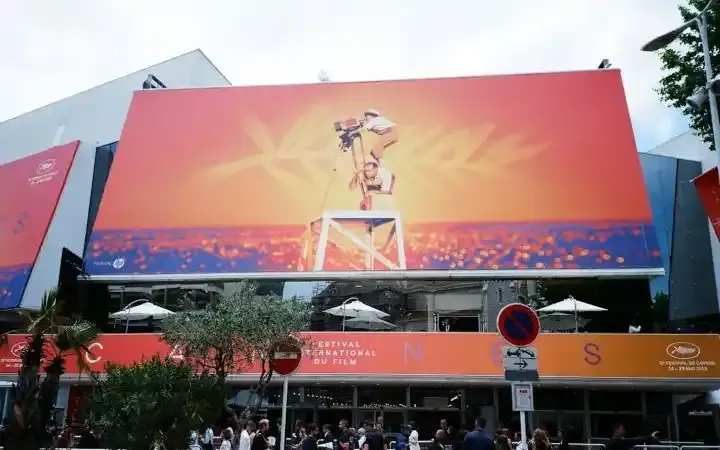
Festival Hall Entrance and Palme d'Or
1- "Aisha Can't Fly Far" by Murad Mostafa:
This is the debut feature by Egyptian director Murad Mostafa, produced with support from the Red Sea Film Foundation. It marks Mostafa's second appearance at Cannes, following his short film "Eissa," which won awards at the 76th edition.
The film follows Aisha, a 26-year-old immigrant living in Ain Shams, a Cairo neighborhood with a large African immigrant population. Through its story, it examines the social and political tensions between Egyptians and various African nationalities living in the area. Mostafa employs a largely silent filmmaking style that lets the audience feel the pain of the migration crisis. This film also marks the return of Egyptian cinema to Cannes after nine years in the Un Certain Regard competition.
2- "La Petite Dernière" (The Last) by Hafsia Herzi:
Based on the novel La Petite Dernière by Fatima Daas, this feature from French-Tunisian director Hafsia Herzi follows Fatima, the youngest daughter of an Algerian immigrant family living in Paris. The story charts Fatima's search for faith, her discovery of her sexuality, and her pursuit of personal ambitions. Herzi, who is no stranger to Cannes, brings a film that competes alongside some of the festival's most prestigious entries. By highlighting women's experiences, directors like Herzi help encourage international dialogue and contribute to the broader conversation on gender and identity.

French-Tunisian director and screenwriter Hafsia Herzi
3- "Eagles of the Republic" by Tarik Saleh:
"Eagles of the Republic," written and directed by Swedish-Egyptian director Tarik Saleh, concludes the director's acclaimed "Cairo" trilogy of political thrillers, which includes "The Nile Hilton Incident," winner of the Grand Jury Prize at Sundance, and "Boy from Heaven," which won Best Screenplay at Cannes in 2022. "Eagles of the Republic" is competing for the Palme d'Or and, given Saleh's track record, is among the strongest contenders in the lineup.
The film centers on George Nawabi, an actor who angers the authorities and accepts an offer he would otherwise never have considered. With this entry, Saleh continues his practice of crafting provocative narratives that engage and challenge audiences.

Swedish-Egyptian director Tarik Saleh
4- Once Upon a Time in Gaza by Tarzan and Arab Nasser:
Screening at the 2025 Cannes Film Festival, Once Upon a Time in Gaza has drawn widespread attention. Brothers Tarzan and Arab Nasser (real names Mohammed and Ahmed Abu Nasser) are known for bold narratives, and here they present a poignant story set against the backdrop of the Gaza conflict.
Set in Gaza in 2007, the film follows a young student and his friendship with a restaurant owner. They sell illegal substances while posing as falafel delivery drivers, and the story chronicles the obstacles they face along the way. The Gaza-born twins, best known for their romantic drama series Gaza Mon Amour, depart from that genre in this project to explore more complex themes.
5- "The Promised Sky" by Irij Sehiri:
"The Promised Sky," by French-Tunisian director Irij Sehiri, was selected for Un Certain Regard. The film explores themes of migration and femininity within a Tunisian context. It follows Marie, an Ivorian shepherd and former journalist, who helps vulnerable women cope with the difficulties they face. Despite the heavy subject matter, the film balances drama with warmth and laughter as it tells the stories of its distinctive characters.
Networking Opportunity:
In addition to screenings, the festival will feature a Saudi pavilion and an inaugural Iraqi tent, alongside pavilions representing Palestine, Algeria, and Egypt. These spaces offer networking opportunities for directors, producers, and distributors.
With rising expectations, Arab filmmakers are poised to captivate audiences and critics alike, offering rich narratives and fresh perspectives. The festival promises to be a significant moment for Arab cinema, celebrating past achievements and paving the way for future successes.
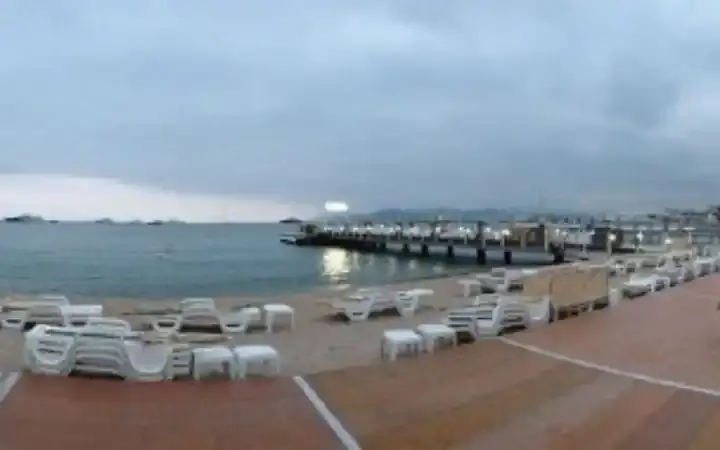
One of Cannes' famous beaches
Conclusion:
The 78th Cannes Film Festival marked a watershed moment for Arab cinema. With five compelling films selected across the main categories, Arab filmmakers are no longer on the fringes of the international cinematic scene but at its center. These works — ranging from intimate personal stories to sweeping political epics — are both artistically daring and socially resonant. The growing presence of Arab films at Cannes reflects the region's thriving film industry and its ability to tell stories that resonate globally.