Ceuta and Melilla: Spain's enclaves in North Africa

Ceuta and Melilla, two cities located on the northern coast of Africa, are Spanish enclaves in the heart of Moroccan territory. They are considered meeting points between two distinct cultures and civilizations, and they constitute a sensitive issue in Spanish-Moroccan relations. With a history spanning centuries, they are seen as a symbol of European dominance in North Africa, and their presence sparks debate over sovereignty and national identity.
According to a BBC report, these two cities are considered an important gateway connecting Europe to Africa and play a strategic role in controlling trade and migration flows through the Strait of Gibraltar. On the other hand, these enclaves raise questions about the nature of relations between Morocco and Spain and their impact on the geopolitics of the region.
قراءة مقترحة
In this article, we will review the historical, cultural, and political aspects related to Ceuta and Melilla, and discuss the importance of these cities as bridges of communication or points of tension between different cultures.
History of Ceuta and Melilla: The Roots of Intertwined Relations
The history of Ceuta and Melilla dates back to ancient times, when the two cities were part of the Carthaginian and Roman worlds before being controlled by different civilizations. Spain took control of the two cities in the 15th century, making them part of its permanent colonies in North Africa.
According to Atalayar, the history of the two cities reflects the struggle of European and Islamic powers for control of the Strait of Gibraltar. This long and intertwined history made them strategic points of military and commercial control.
Today, Ceuta and Melilla are considered integral parts of Spain, but they retain a distinctly African-Moroccan character evident in their architecture, language, and cuisine.
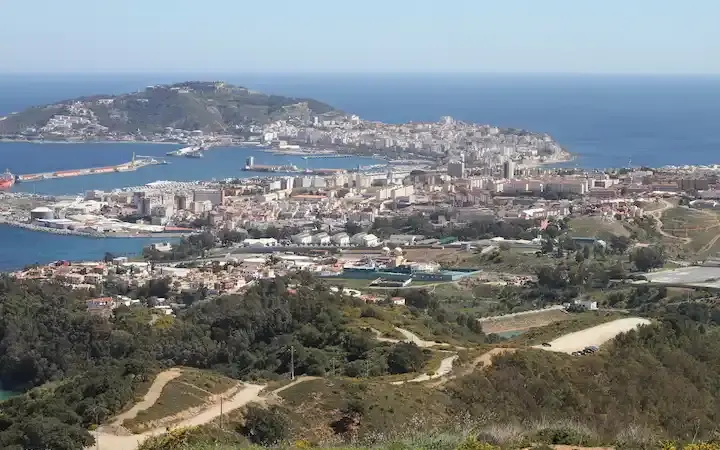
A view of Ceuta and the Almina Peninsula from the perspective of Isabella II
Geography and Politics: Dual Strategic Importance
Ceuta and Melilla enjoy a strategic geographic location that makes them an important pivot in the geopolitics of the Mediterranean region. Located on the northern coast of Africa, the two cities play a dual role as gateways for trade and maritime transport, and as barriers to the flow of illegal immigration from Africa to Europe. These two cities serve as vital gateways controlling the movement of people and goods through the Strait of Gibraltar, doubling their importance on the international scene.
However, this exceptional geographic location is not only a source of strength; it is also a source of ongoing tensions between Spain and Morocco. While Spain considers them an integral part of its territory, Morocco views them as a natural extension of its history and culture. These sovereignty disputes have complicated bilateral relations between the two countries and directly impacted regional cooperation in the areas of security and migration.
On the other hand, their geographic location has made Ceuta and Melilla a cultural and commercial link between Africa and Europe. This dual role places them at the heart of international discussions regarding the balance between economic development and border protection. If this importance is leveraged positively, the two cities could become models for integration and cooperation between the two continents, rather than a point of ongoing geopolitical contention.
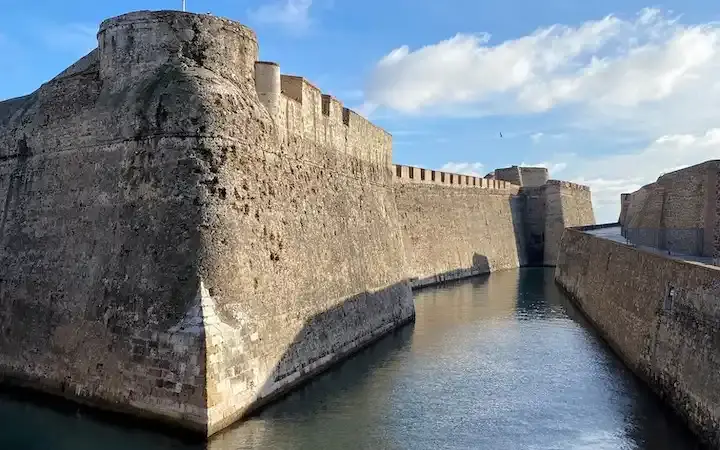
Ceuta's Fortifications
A Tangled Culture and a Mixed Identity
The culture of Ceuta and Melilla reflects a long history of coexistence between different civilizations. Both cities blend Spanish and Moroccan cultural influences, giving them a unique and undeniable character. The bustling souks offer local products reflecting Moroccan heritage, such as handicrafts and spices, while Spanish landmarks add a distinctly European touch to the landscape. Residents of both cities live a dual lifestyle, with many speaking both Spanish and Arabic, reflecting the deep intermingling of the two cultures. Cultural events and traditional celebrations also highlight the harmony between this dual identity. However, this cultural fusion is not just a tourist attraction; it is a challenge that reflects the complexities of identity amidst the divergent political claims over sovereignty over the two cities.
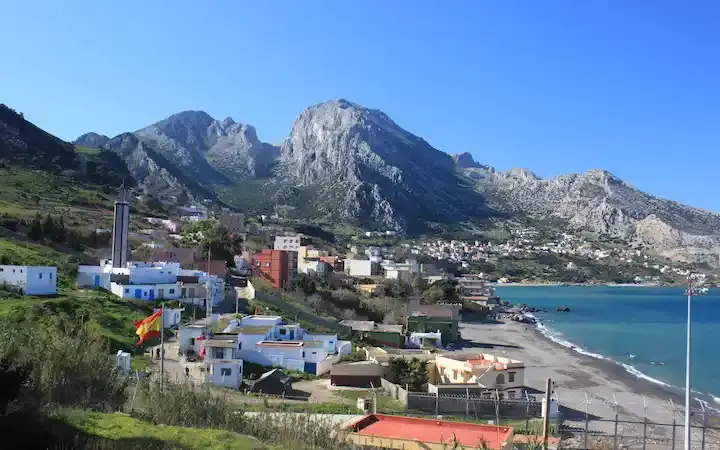
Morocco's Mount Moses, as seen from Pinzo. Also known as "Dead Woman" due to its shape.
Current and Future Challenges
Ceuta and Melilla face complex challenges related to their geographic and political location. They are a major transit point for migrants seeking a better life in Europe, placing them at the heart of an international debate on migration policies and human rights. These pressures are compounded by diplomatic disputes between Morocco and Spain over sovereignty over the two cities. Conversely, Ceuta and Melilla represent a model of cultural bridges that, if properly utilized, could enhance cooperation between Europe and Africa. Future solutions depend on enhancing regional understanding and striking a balance between security issues and the rights of local and migrant populations, making the two cities a hub of both challenges and opportunities.
The Marinid walls, built by order of Abu Said Uthman II in 1328 AD.
Ceuta and Melilla are not just two small cities on the African coast; they are a symbol of the cultural and geopolitical intertwining between Europe and Africa. They represent a living model of coexistence between civilizations, but at the same time, they reflect the complex challenges facing international relations.
While the two cities remain the focus of global attention due to their strategic location and cultural significance, the question remains: Will they become a bridge for communication and cooperation, or will tensions continue to hinder their potential? The answer lies in finding solutions that promote understanding and coexistence, so that Ceuta and Melilla remain testaments to the capacity of humanity to cooperate despite differences.