محافظة نينوى في العراق: كل ما يجب أن تعرفه قبل زيارتها
ADVERTISEMENT
محافظة نينوى، التي تقع في شمال العراق، هي واحدة من أغنى المناطق تاريخيًا وثقافيًا في العالم. تمتد هذه المحافظة على مساحات شاسعة من الأرض، وتضم مدينة الموصل كعاصمتها الرئيسية، التي كانت مركزًا حضريًا وتاريخيًا منذ العصور القديمة. تتميز نينوى بتنوع ثقافتها وتراثها الذي يعود إلى آلاف السنين، مما يجعلها واحدة من الوجهات الفريدة التي تجمع بين التاريخ والحضارة.
تعد نينوى مهد الحضارة الآشورية، حيث تضم آثارًا ومعالم تاريخية تعود إلى فترات زمنية مختلفة. ومن نهر دجلة الذي يمر عبرها إلى آثار نينوى القديمة، تتيح المحافظة تجربة غنية تجمع بين الجمال الطبيعي والعمق التاريخي. بالإضافة إلى ذلك، تشهد المحافظة جهودًا متواصلة
ADVERTISEMENT
لإعادة إعمارها بعد الفترات الصعبة التي مرت بها، مما يفتح آفاقًا جديدة للسياحة والاستكشاف. في هذه المقالة، سنأخذك في جولة لاستكشاف أهم المعالم الثقافية، التاريخية، والطبيعية التي تجعل من نينوى وجهة لا تُنسى.
ADVERTISEMENT
التاريخ العريق لنينوى
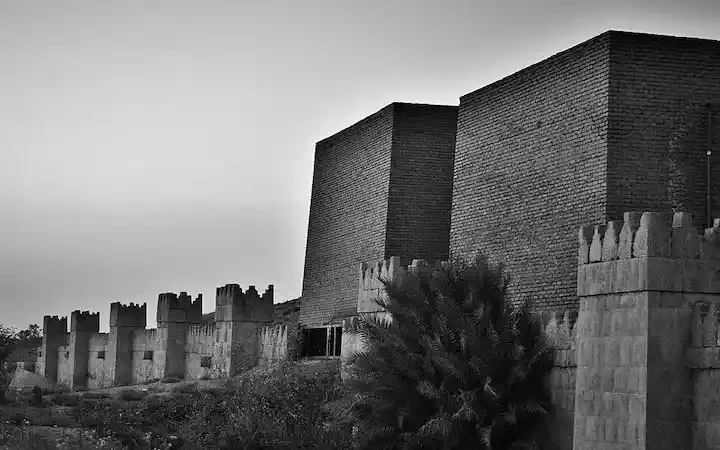
تمثل نينوى واحدة من أعظم الشواهد التاريخية على تطور الحضارات الإنسانية. كانت عاصمة الإمبراطورية الآشورية وأحد أبرز مراكز الحضارة القديمة. تعود أصولها إلى آلاف السنين، حيث ازدهرت كمركز إداري وتجاري وثقافي. تضم نينوى أطلال المدينة القديمة التي كانت تحيطها أسوار ضخمة وقلاع تعكس براعة الهندسة المعمارية لتلك الحقبة. ومن بين أبرز معالمها قصر آشور بانيبال، الذي اشتهر بمكتبته العريقة التي تضمنت أقدم النصوص المكتوبة.
شهدت نينوى فترات تاريخية متنوعة، حيث تأثرت بالحضارات السومرية، البابلية، والإسلامية، مما جعلها حافلة بالقصص التاريخية والتراث الثقافي. رغم ما تعرضت له المدينة من تدمير في بعض الفترات التاريخية، إلا أن جهود الترميم الدولية تسعى لإحياء معالمها وإبراز دورها كمهد للحضارة الآشورية.
ADVERTISEMENT
بواسطة Omar Siddeeq Yousif على Wiki
نينوى - بوابة مشكي
التنوع الثقافي والديني في نينوى
تعكس نينوى لوحة فسيفساء ثقافية تجمع بين مختلف الأعراق والديانات. يعيش في المحافظة العرب، الأكراد، الآشوريون، والإيزيديون، ما يخلق مجتمعًا متنوعًا ثقافيًا ودينيًا. تعد الموصل، العاصمة الإدارية لنينوى، مركزًا حضريًا يعكس هذا التنوع الثقافي، حيث يمكن للزوار مشاهدة المساجد والكنائس والمعابد التي تقف جنبًا إلى جنب، مثل الجامع النوري الكبير وكنيسة الطاهرة.
يمثل هذا التعايش انعكاسًا لتاريخ المنطقة، الذي شهد مراحل من الانفتاح الثقافي والتعددية الدينية. كما تُبرز المهرجانات والفعاليات المحلية هذا التفاعل، من خلال الاحتفاء بالفنون والموسيقى والتراث الشعبي. يعمل سكان نينوى على الحفاظ على تقاليدهم، مع التركيز على تعزيز التفاهم والتعايش بين المجتمعات المختلفة.
ADVERTISEMENT
بواسطة Faisal Jeber على Wiki
مئذنة الحدباء عام 2013.
الطبيعة والجمال الطبيعي لنينوى
نينوى ليست فقط مدينة تاريخية بل أيضًا واحة طبيعية تجمع بين النهر والسهول. يمتد نهر دجلة عبر المحافظة، ما يمنحها إطلالات خلابة وفرصًا لا مثيل لها لممارسة الأنشطة المائية، مثل التجديف وصيد الأسماك. بالإضافة إلى ذلك، تعد المناطق الجبلية والسهول موطنًا للتخييم والمغامرات الطبيعية، مما يجعلها وجهة محببة لعشاق الطبيعة والمغامرات.
تحتضن القرى الريفية في نينوى ثقافة الحياة التقليدية، حيث يمكن للزوار تجربة الزراعة اليدوية والاستمتاع بالضيافة المحلية. كما تمثل التلال الخضراء والغابات القريبة ملاذًا لمن يبحث عن الهدوء والسكينة. يجذب هذا التنوع الجغرافي السائحين الذين يتطلعون لاكتشاف وجهة تجمع بين التاريخ والطبيعة في تجربة متكاملة.
ADVERTISEMENT
بواسطة Michael Bracken على Wiki
نهر دجلة الموصل، العراق
إعادة الإعمار والآفاق المستقبلية
رغم ما مرت به نينوى من تحديات على مر العقود، فإن المحافظة تشهد نهضة عمرانية وثقافية تسعى لاستعادة مجدها السابق. يتمثل هذا في مشاريع إعادة الإعمار التي تشمل ترميم المواقع التاريخية وبناء بنية تحتية حديثة تدعم نمو السياحة والاستثمار.
تهدف هذه الجهود إلى تحويل نينوى إلى وجهة عالمية تجذب السياح من جميع أنحاء العالم. يعكس ذلك رؤية مستقبلية تستند إلى الحفاظ على التراث الثقافي وإعادة الحياة إلى المدينة. إضافة إلى ذلك، تُشكل المبادرات المجتمعية والإقليمية جزءًا من هذه الاستراتيجية، حيث يعمل السكان على تعزيز دور المحافظة كمركز ثقافي وتجاري.
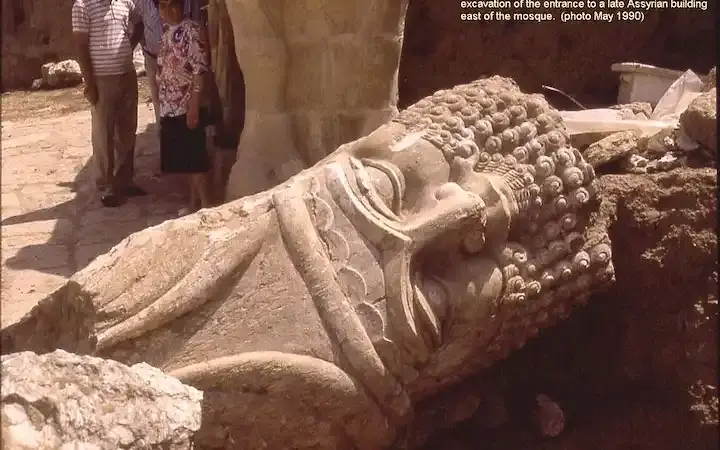
بواسطة Fredarch على Wiki
الثور المجنح الذي اكتشفه علماء الآثار العراقيون في تل النبي يونس
ADVERTISEMENT
محافظة نينوى هي أكثر من مجرد وجهة سياحية؛ إنها تجربة تاريخية وثقافية تأخذك عبر الزمن لاستكشاف إحدى أقدم الحضارات في العالم. تجمع نينوى بين الماضي والحاضر، حيث تحتضن مواقع تاريخية رائعة مثل سور نينوى والجامع النوري الكبير، إلى جانب طبيعتها الساحرة ونهر دجلة.
تُعد المحافظة رمزًا للتعايش والتنوع الثقافي، حيث تمتزج فيها ثقافات وأديان متعددة، مما يجعلها وجهة فريدة من نوعها. ورغم التحديات التي واجهتها، فإن جهود إعادة الإعمار تسهم في إعادة الحياة إلى هذه الأرض العريقة، مما يجعلها واحدة من أكثر الوجهات جذبًا في العراق. إذا كنت تبحث عن مزيج من التاريخ، الثقافة، والجمال الطبيعي، فإن نينوى هي المكان المثالي لاستكشافه.
حكيم مرعشلي
ADVERTISEMENT
دلّل شهيتك للحلويات: اكتشف فن صنع حلوى البودينغ التي لا تقاوم
ADVERTISEMENT
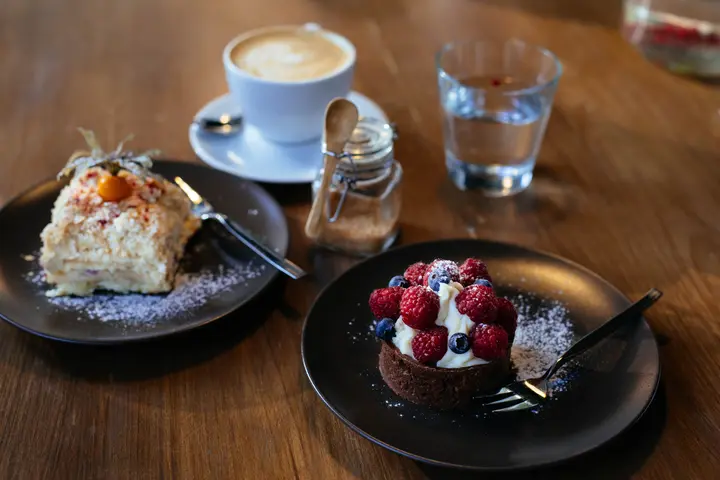
قد لا يقاوم الكثيرون الحلويات، فهي تعتبر وجبة ختامية لذيذة تستحضر في الذهن أطيب الذكريات. ولكل شخص طريقته الخاصة في تحضير الحلويات، إلا أن هناك نوعاً من الحلويات تتميز بفن صنعها الخاص وطعمها اللذيذ، إنها حلوى البودينغ. إذا كنت ترغب في استعادة ذكريات الطفولة ودلال شهيتك بحلوى لا تقاوم، فإن صنع حلوى البودينغ سيكون الخيار المثالي. استعد لاكتشاف فن صنع هذه الحلوى الشهية، والاستمتاع بنكهتها الساحرة في أقرب وقت.
أصل حلوى البودينغ وتاريخها العريق.
عندما تتذوّق حلوى البودينغ اللذيذة، فإنك تشعر بأنها تحكي قصة طويلة وعريقة. إن أصل هذه
ADVERTISEMENT
الحلوى الشهية يعود للعديد من الثقافات والتقاليد القديمة التي قد تصعب تتبعها. لذا، دعنا نستعرض معًا تاريخ حلوى البودينغ وكيف انتشرت في أنحاء العالم.
ADVERTISEMENT
تعود أصول حلوى البودينغ إلى القرون الوسطى في أوروبا، حيث كانت تعد طبقًا محبوبًا في المطابخ الملكية. وفي تلك الفترة، كانت حلوى البودينغ تُحضَّر بمكونات بسيطة، ثم تطورت لاحقًا لتشمل الخبز والسكر والتوابل، وفي بعض الأحيان الفواكه المجففة.
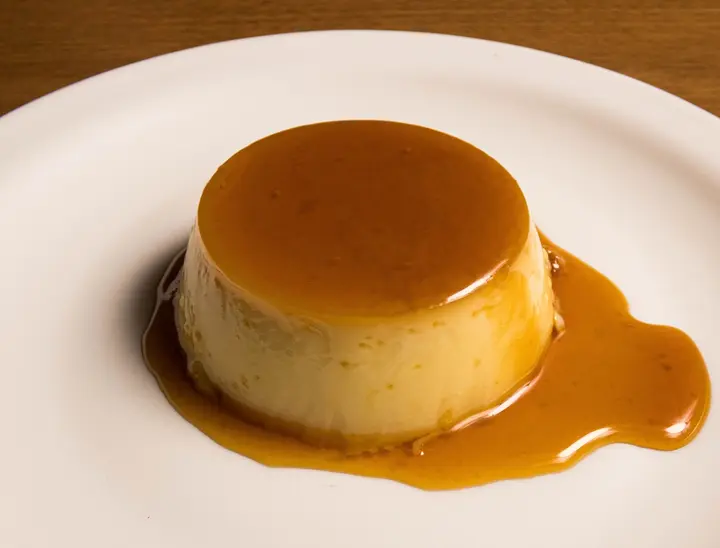
بينما تطورت الثقافات والمطابخ المختلفة، عرفت حلوى البودينغ تغيرات وتحسينات في تكوينها وطرق تحضيرها. فمثلاً في المملكة المتحدة، تم اضافة الميلك تدريجياً إلى وصفة البودينغ، وهذا ما أضاف له نكهة وكريمية عصرية ومميزة. بينما في فرنسا، يعرف البودينغ بإسم "كريمة الكراميل" ويتميز بتكوينه الغني من الميلك والكريمة والبيض.
وتهاجرت حلوى البودينغ إلى أمريكا مع المهاجرين الأوروبيين في القرن السابع عشر، ومنذ ذلك الحين، أصبحت البودينغ جزءًا لا يتجزأ من التقاليد الأمريكية ومناسباتها الخاصة. وقد استوحى الأمريكيون أنواعًا متنوعة من البودينغ، مثل البودينغ بالتفاح والكراميل والشوكولاتة، وصارت لديهم تقنيات فريدة لتحضيرها وتقديمها.
ADVERTISEMENT
إن حلوى البودينغ هي عبارة عن رحلة لذيذة في زمن يعبر الثقافات والعصور. فلم يعد هناك حدود لإبداعك في تحضيرها، فلا تتردد في استكشاف تاريخها الغني وتجربة تنوع وتنوعاتها، واستمتع بتلذذ النكهات الغنية والمذاق الرائع الذي تقدمه حلوى البودينغ، التي استحقت بجدارة لقب "حلوى لا تقاوم".
المكونات الأساسية لصنع حلوى البودينغ اللذيذة.
pixabay على C0rinne الصورة عبر
إذا كنت ترغب في دلال شهيتك بحلوى البودينغ اللذيذة، فإن الأمر لا يتطلب سحرًا، بل يحتاج فقط إلى تجميع المكونات الأساسية المثالية التي ستضفي على هذه الحلوى طعمًا لا يُقاوَم. فنجاح صنع حلوى البودينغ يكمن في اختيار المكونات الصحيحة وتحضيرها ببراعة. فلنلق نظرة أعمق على المكونات الأساسية التي ستجعل حلوى البودينغ الخاصة بك قمة الإغراء:
1. الحليب: يعد الحليب المكون الأساسي في صنع حلوى البودينغ، حيث يضفي نعومة وقوامًا لذيذًا على الحلوى. يمكن استخدام الحليب العادي أو حليب اللوز أو حليب جوز الهند حسب الاختيار الشخصي.
ADVERTISEMENT
2. السكر: يعد السكر جزءًا أساسيًا في تحسين طعم حلوى البودينغ وإضافة الحلاوة المثالية. يمكن استخدام السكر الأبيض أو السكر البني حسب الذوق الشخصي والتفضيلات.
3. البيض: تعمل بيضات الدجاج على منح حلوى البودينغ هيكلية جميلة وقوام كريمي. يتم استخدام البيض بشكل عام بكميات محددة وتعتمد على كمية الحليب المستخدمة.
4. الفانيليا: تمنح نكهة الفانيليا الساحرة لحلوى البودينغ طابعًا خاصًا. يمكن استخدام بذور الفانيليا الطازجة أو البذور المطحونة أو القطرات السائلة لتحقيق النكهة المرغوبة.
5. النشا: يستخدم النشا لإضافة قوام وكثافة إلى حلوى البودينغ الخاصة بك. يمكن استخدام نشا الذرة أو نشا البطاطس حسب التفضيلات.
6. التوابل الاختيارية: بالإضافة إلى المكونات الأساسية المذكورة أعلاه، يمكن استخدام التوابل الاختيارية مثل القرفة أو الهيل أو الزنجبيل لإضفاء نكهة مميزة على حلوى البودينغ.
ADVERTISEMENT
باختيار المكونات المثالية واستخدامها بشكل صحيح، ستكون أقرب خطوة لصنع حلوى البودينغ اللذيذة والمثيرة للإعجاب. لا تخجل من التجربة والتلاعب بنسب المكونات حتى تجد توازن النكهات الذي يناسب ذوقك الشخصي. استمتع بالمغامرة واستعد لتجربة البودينغ اللذيذ بكل مكوناته السرية ونكهاته الساحرة.
الخطوات الأساسية لتحضير حلوى البودينغ التي لا تقاوم.
unsplash على Veronika Jorjobert الصورة عبر
تعتبر حلوى البودينغ إحدى الحلويات الكلاسيكية التي تستحضر الذكريات الجميلة وتلبي شهية الحلوى. إلا أن صنعها قد يثير بعض الاحتمالات والمخاوف لدى البعض، ولكن مع معرفة الخطوات الأساسية، ستتمكن من إعداد حلوى البودينغ التي لا تقاوم بسهولة وثقة. انطلق في رحلتك الإبداعية في تحضير هذه الحلوى الشهية باتباع الخطوات التالية:
1. اختيار نوعية البودينغ المفضلة: يوجد العديد من أنواع البودينغ مثل الشوكولاتة والفانيليا والكراميل. قم باختيار نوع البودينغ الذي يناسب ذوقك ويمتع حواسك.
ADVERTISEMENT
2. تحضير البودينغ: اتبع تعليمات العبوة لتحضير البودينغ الأساسي. ستحتاج عادة إلى خلط المسحوق مع الحليب أو الماء والتسخينهما على نار هادئة.
3. تضييف المكونات الإضافية: قد ترغب في تخصيص حلوى البودينغ الخاصة بك عن طريق إضافة مكونات إضافية. يمكنك إضافة قطع الفاكهة المجففة أو الشوكولاتة المفضلة لديك أو حتى إضافة نكهات مثل قشور الحمضيات أو الفانيليا.
4. التبريد والتجميد: بعد تحضير البودينغ، قم بصبه في وعاء التقديم المناسب. ثم، ضعه في الثلاجة لبضع ساعات ليتماسك. إذا كنت ترغب في مزيد من القوام الصلب، قم بتجميده لبضع ساعات قبل التقديم.
5. تزيين وتقديم البودينغ: قبل تقديم البودينغ، يمكنك تزيينه بالقليل من الكريمة المخفوقة أو الشوكولاتة المبشورة أو قطع الفاكهة الطازجة. استمتع بالإبداع في تزيين البودينغ بأسلوبك الخاص لجعله يبدو أكثر جاذبية.
ADVERTISEMENT
6. الاستمتاع بحلوى البودينغ: ما عليك سوى تقطيع حلوى البودينغ إلى قطع وتقديمها في أطباق التقديم الفردية. استمتع بمذاقها اللذيذ واستمتع بكل لقمة من هذه الحلوى الرائعة.
اكتشف الإبداع في تحضير حلوى البودينغ ولا تخف من التجارب والتعديلات الخاصة بك. استمتع بتناول هذه الحلوى اللذيذة وقدمها لأحبائك لمشاركتهم فرحتك وخبايا هذه التجربة المبدعة.
نصائح مهمة لضمان نجاح صنع حلوى البودينغ الشهية.
unsplash على Jana Ohajdova الصورة عبر
تعتبر حلوى البودينغ واحدة من الحلويات الكلاسيكية التي لا تقاوم، ولكن لضمان النجاح في صنعها والحصول على النكهة اللذيذة المطلوبة، هنا بعض النصائح المهمة التي يجب مراعاتها:
1. اختيار الحليب المناسب: استخدم حليبًا طازجًا وذا جودة عالية في صنع حلوى البودينغ. يفضل استخدام الحليب الكامل للحصول على نكهة أكثر غنى وقوام متماسك.
ADVERTISEMENT
2. استخدام بودرة الكاسترد: إضافة بودرة الكاسترد إلى قائمة المكونات ستساعد في تحقيق قوام سميك ومتجانس للحلوى. قم بتذويبها في الحليب الساخن قبل إضافتها إلى باقي المكونات.
3. استخدام البيض المخفوق: يمكن الحصول على قوام كريمي ومتماسك لحلوى البودينغ عن طريق استخدام بيض مخفوق. قم بخفق البيض جيدًا قبل إضافته إلى الخليط.
4. اختيار النكهة المناسبة: يمكنك اختيار النكهة التي تفضلها لإضفاء طابع فريد على حلوى البودينغ. من الفانيليا الكلاسيكية إلى الشوكولاتة الغنية، يمكنك تجربة مختلف النكهات لإرضاء ذوقك الشخصي.
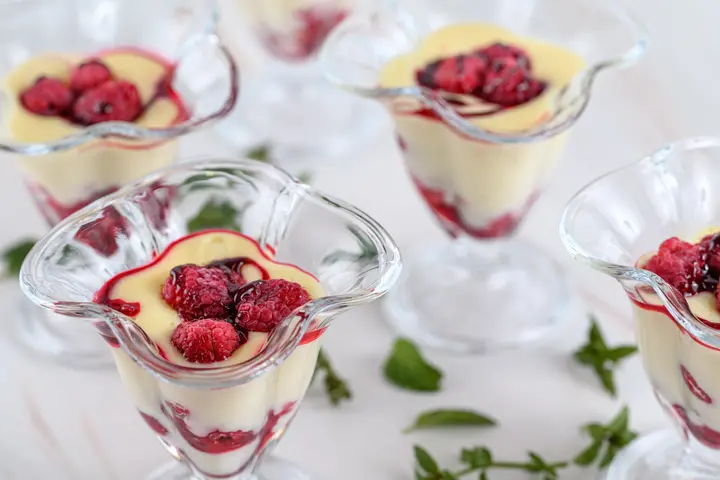
5. طبقات الحشو: لإضافة لمسة مميزة إلى حلوى البودينغ، يمكنك وضع طبقات من الفواكه أو الشوكولاتة المذابة أو الكراميل بين طبقات البودينغ. ستضفي هذه الطبقات الإضافية تجربة متعددة الأبعاد للحلوى.
6. التوقيت ودرجة الحرارة: تأكد من إتباع توقيت الخبز المناسب وضبط درجة الحرارة بدقة وفقًا لوصفة البودينغ التي تتبعها. قد تختلف الأوقات ودرجات الحرارة اعتمادًا على حجم الوصفة ونوع الفرن الذي تستخدمه.
ADVERTISEMENT
عند اتباع هذه النصائح والارتقاء بمهاراتك في صنع حلوى البودينغ، ستكون قادرًا على تحضير هذه الحلوى اللذيذة والشهية بكل سهولة وتقديمها بفخر لعائلتك وضيوفك. استمتع بكل لحظة في مطبخك ودع إبداعك ينبعث من خلال تحضير هذه الحلوى الكلاسيكية المدهشة.
تنويعات مثيرة لحلوى البودينغ لإرضاء كافة الأذواق.
unsplash على Brenda Godinez الصورة عبر
في عالم حلوى البودينغ، تنتشر تحف الإبداع والتجديد التي تلهم الشيفات ورواد المطاعم على حد سواء. فإلى جانب نكهة البودينغ التقليدية، تم تطوير تنويعات طعمية مذهلة تجعل حلوى البودينغ تتألق بالتجديد والإثارة. إذا كنت ترغب في إرضاء كافة الأذواق وتقديم تجربة فريدة ومبتكرة لضيوفك، فإليك بعض التنويعات المثيرة لحلوى البودينغ.
بودينغ الشوكولاتة الداكنة الممزوجة بزبدة الفول السوداني وقطع الشوكولاتة اللذيذة. اندمجت نكهتين كلاسيكيتين في وصفة واحدة تضفي طابعًا مميزًا على حلوى البودينغ.
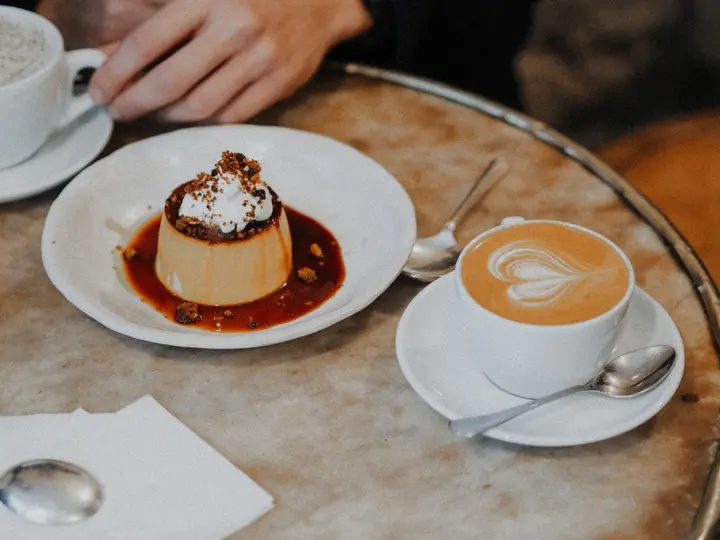
بودينغ التوفي في مزيج رائع بين الكاكاو والفانيليا، مع قشطة وكراميل مغلفة بطبقة رقيقة من الشوكولاتة المذوبة. اكتشف مذاق لا يقاوم يمزج بين الحلاوة والحموضة بطريقة مذهلة.
بودينغ التفاح المسكر مع قطع البسكويت المقرمشة. استمتع بتناغم مثير بين الحلاوة الطبيعية للتفاح والمذاق اللذيذ للبسكويت المشوي.
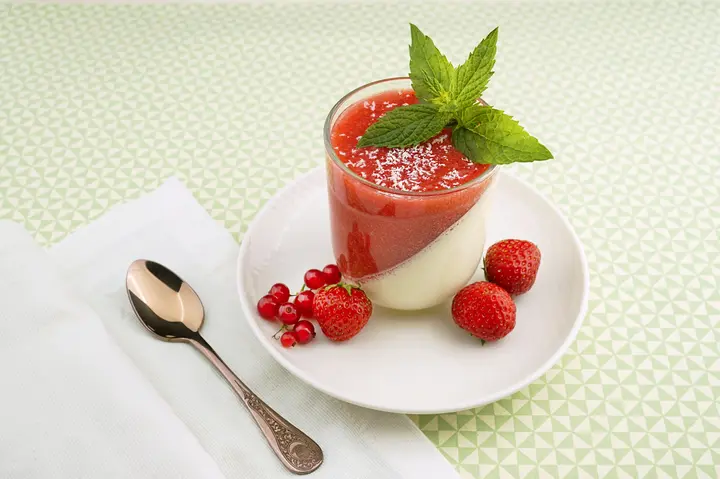
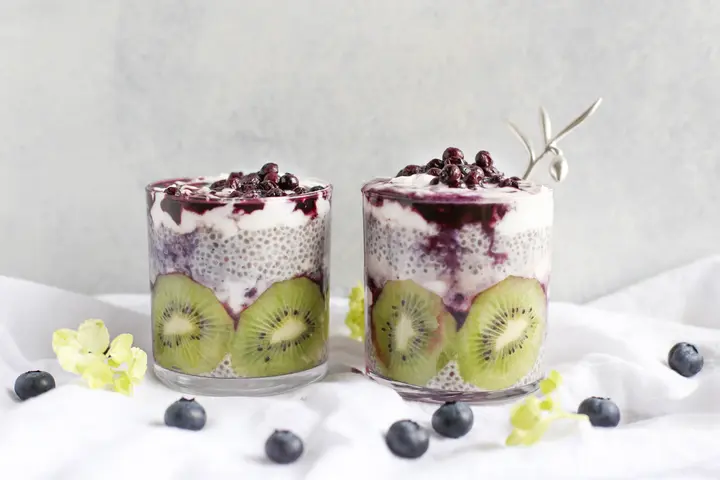
بودينغ الشوكولاتة البيضاء مع حبات التوت البري الحامضة. صلصة التوت البري الحمراء المنعشة تضفي لمسة من الحموضة المنعشة على حلوى الشوكولاتة البيضاء الكريمية.
استكشف هذه التنويعات المثيرة ودعم خيالك يأخذك في رحلة بلا حدود كي تبتكر تجارب حلوى البودينغ الخاصة بك. اجعل كل لقمة تعكس شغفك وإبداعك في عالم صنع الحلويات.
ADVERTISEMENT
طرق تقديم حلوى البودينغ بأسلوب مبتكر وجذاب.
unsplash على an_vision الصورة عبر
في عالم الطهي، لا يقتصر الإبداع على صنع الحلويات فحسب، بل يمتد أيضًا إلى طرق تقديمها بأسلوب يثير الإعجاب والدهشة. وعندما يتعلق الأمر بحلوى البودينغ، يمكنك أن تصبح فنانًا حقيقيًا في اختيار طرق تقديمها بأسلوب مبتكر وجذاب يتناسب مع جمالها وروعتها.
احترامًا لهذا الفن، نقدم لكم بعض الأفكار المبتكرة لتقديم حلوى البودينغ بطرق لا تقاوم:
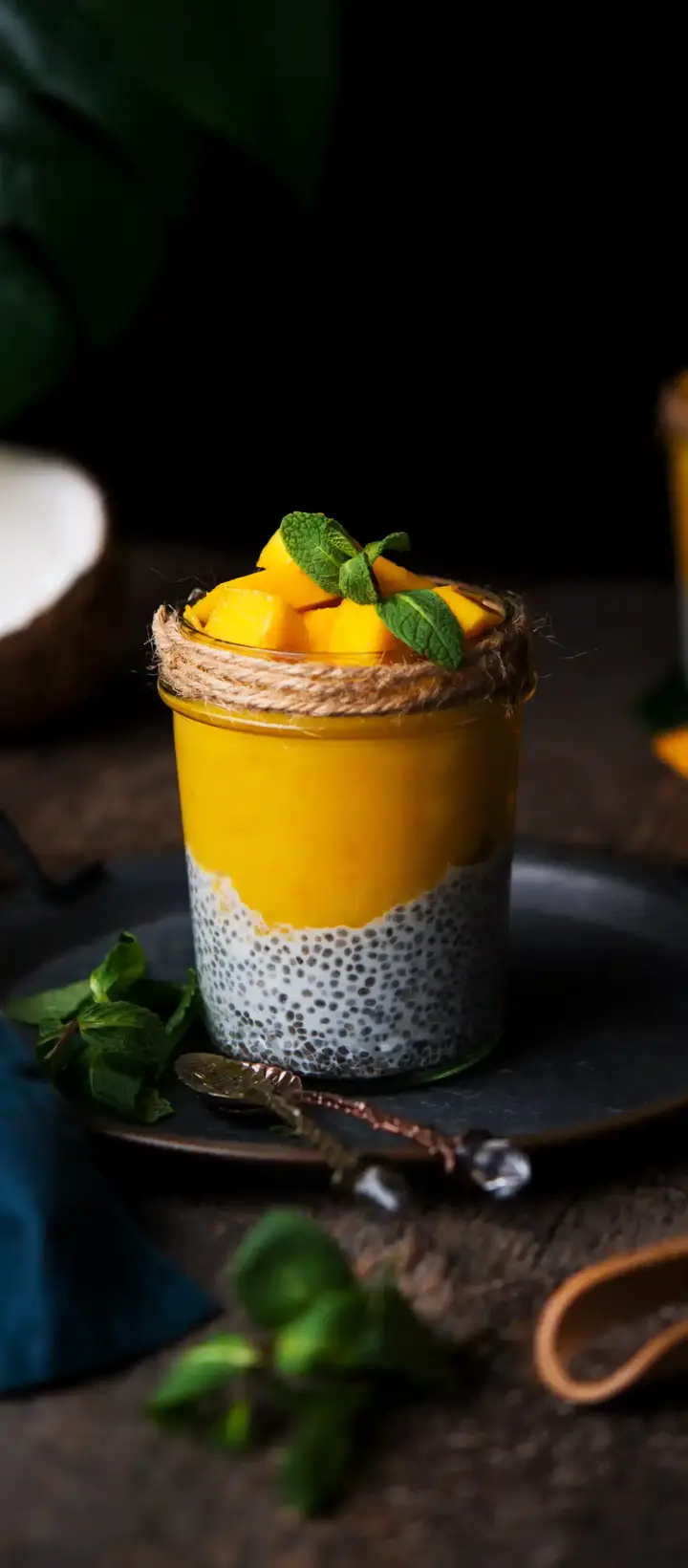
1. تشكيلة من الزجاجات الزجاجية: استخدم زجاجات زجاجية فريدة وأنيقة لتقديم حلوى البودينغ. قم بتنسيقها بأحجام مختلفة واملأها بالبودينغ، ثم قم بتزيينها بطبقات متعددة من الكريمة والفواكه. ستعطي هذه التشكيلة المذهلة لمسة فاخرة وستبهر ضيوفك.
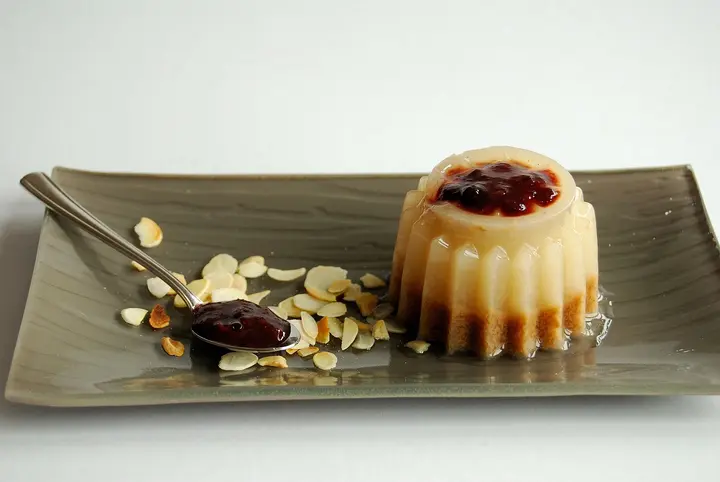
2. أطباق تقديم فريدة: ابحث عن أطباق تقديم غير تقليدية ومبتكرة مثل أطباق المينا أو السيراميك الفني. قم بوضع البودينغ في هذه الأطباق وقم بتزيينه بمكونات مميزة مثل رقائق الشوكولاتة أو حبات الفاكهة المجففة. ستعطي هذه الأطباق لمسة من الأناقة والفخامة.
ADVERTISEMENT
3. أشكال فنية: استخدم قوالب تشكيل فنية مميزة للبودينغ. قد تكون قوالب السيليكون هي الأفضل لهذه الغاية، حيث يمكنك تشكيل البودينغ بأشكال مبتكرة مثل ورود أو أشكال هندسية مثيرة. لا تنسَ تزيين البودينغ المشكّل بطرق مبتكرة مثل الكراميل أو أوراق النعناع.
4. تصاميم عصرية: أظهِر جانبك العصري وقم بتقديم البودينغ في أطباق عصرية وعصرنة. قد تكون الأطباق ذات الأشكال الهندسية المبتكرة أو الأطباق الزجاجية المبتكرة هي الخيار الأمثل. قم بترتيب البودينغ بطرق مبتكرة مثل الطبقات المتداخلة أو الزخارف الهندسية، وقدمها بأسلوب مفعم بالحيوية والجاذبية.
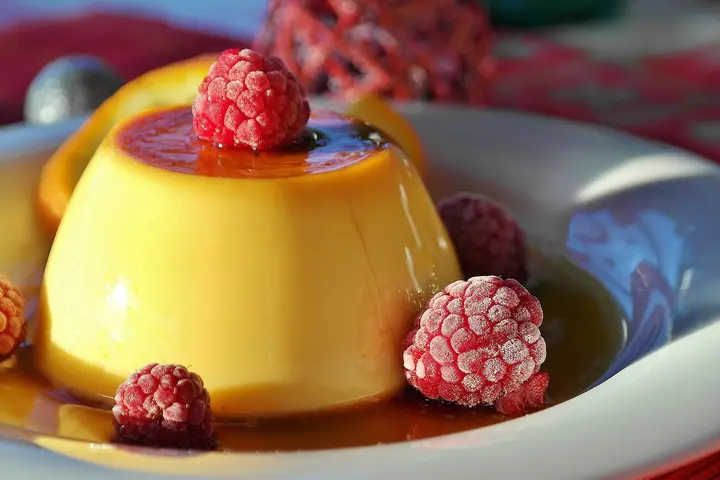
5. الكراميل الفني: قم بترتيب البودينغ في أطباق شفافة وتزيينه بالكراميل فنيًا. استخدم فن الدمج لإنشاء تصاميم فريدة في الكراميل، مثل خطوط متناغمة أو أشكال هندسية. سيعطي هذا الأسلوب البسيط لمسة من الأناقة والجمال لحلوى البودينغ.
ADVERTISEMENT
6. العمل بالطبيعة: استخدم العناصر الطبيعية لتزيين حلوى البودينغ وتقديمها بأسلوب مبتكر. قدم البودينغ بجانب الفواكه الموسمية أو الأزهار الطبيعية لإضفاء لمسة من الحيوية والجمال. يمكنك أيضًا اختيار أطباق بألوان وتصاميم تعكس جمال الطبيعة، مثل اللون الأخضر الناعم أو الأطباق بأشكال الزهور.
باستخدام هذه الأفكار المبتكرة، يمكنك تحويل حلوى البودينغ اللذيذة إلى أعمال فنية تثير الإعجاب والتقدير. استمتع بالتجربة واترك إبداعك ينبض بالحياة في عالم الحلويات اللذيذة.
pixabay على SiaisCooking الصورة عبر
عندما يتعلق الأمر بالحلويات، فإن حلوى البودينغ تستحق التجربة. إن تحضير هذه الحلوى اللذيذة ليس صعبًا ويتطلب فقط القليل من الوقت والجهد. عبر تتبع الخطوات الأساسية وتجربة النكهات المختلفة، لن تمل من استمتاعك بهذه التجربة الممتعة والشهية. فاجعل حلوى البودينغ اللذيذة جزءًا من تجربتك الطهي القادمة واستمتع بالنكهة الغنية والمذاق الرائع لهذه الحلوى الكلاسيكية.
عائشة
ADVERTISEMENT
السحر الأبيض في سيبيريا: استكشاف جمال الطبيعة الروسية
ADVERTISEMENT
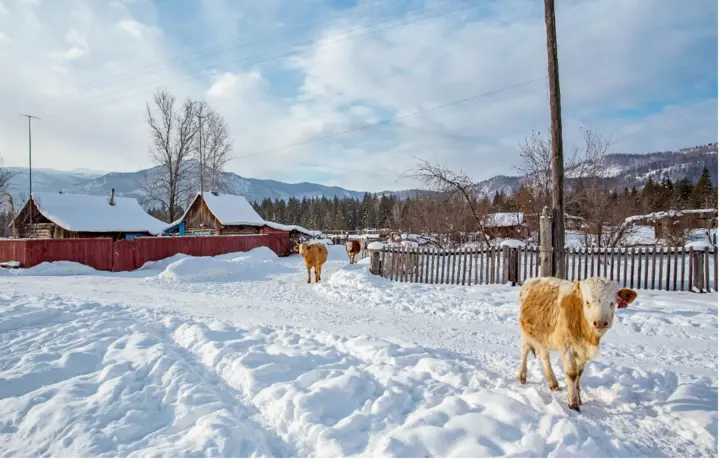
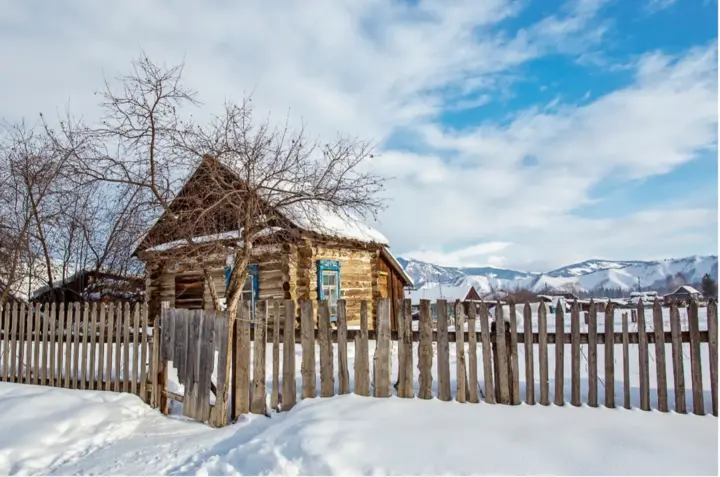
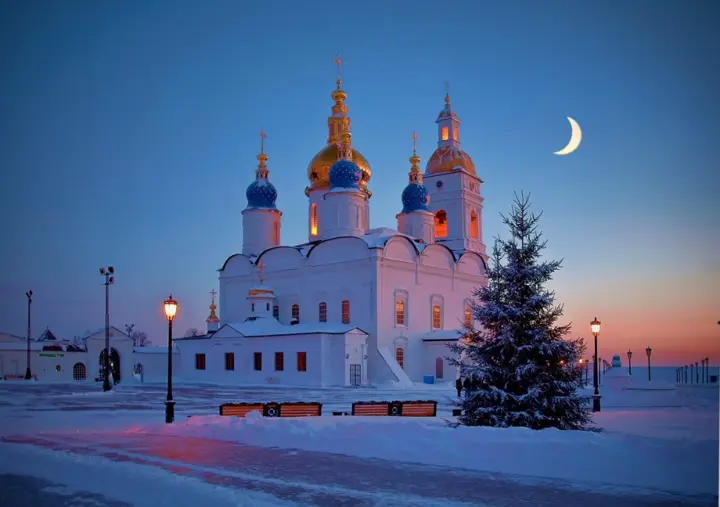
في أعماق قلب روسيا، حيث تتساقط الثلوج بصمت على أرض لا نهاية لها، تكمن سيبيريا - أرض السحر الأبيض. هذه المنطقة الشاسعة، التي تغطيها الثلوج لأشهر طويلة، تخفي بين طياتها جمالاً طبيعياً خلاباً يفوق الوصف. من الأنهار الجليدية التي تتلألأ تحت أشعة الشمس، إلى الغابات الكثيفة التي تحتضن الحياة البرية المتنوعة، تقدم سيبيريا للزائرين تجربة فريدة لاستكشاف الطبيعة في أنقى صورها.
في هذا المقال، سنأخذكم في رحلة استكشافية إلى قلب السحر الأبيض، حيث الصمت يعانق الروح، وحيث كل خطوة تكشف عن عجائب جديدة. سنغوص في أعماق الجغرافيا الساحرة لسيبيريا، ونتعرف على الحياة البرية التي تزدهر في قلب الشتاء القارس. سنستكشف
ADVERTISEMENT
الثقافة والتقاليد الغنية للشعوب الأصلية، ونتأمل في التحديات التي تواجه هذه الأرض البيضاء وجهود الحفاظ على جمالها الطبيعي.
ADVERTISEMENT
من خلال هذه الصفحات، ندعوكم لتشاركونا الإعجاب بالجمال الخالد لسيبيريا، ولتكونوا جزءاً من دعوتنا للحفاظ على هذه العجائب الطبيعية التي تستحق أن تبقى شاهدة على عظمة كوكبنا الأزرق.
الجغرافيا الساحرة
الصورة عبر elements.envato
الأنهار الجليدية والبحيرات المتجمدة:
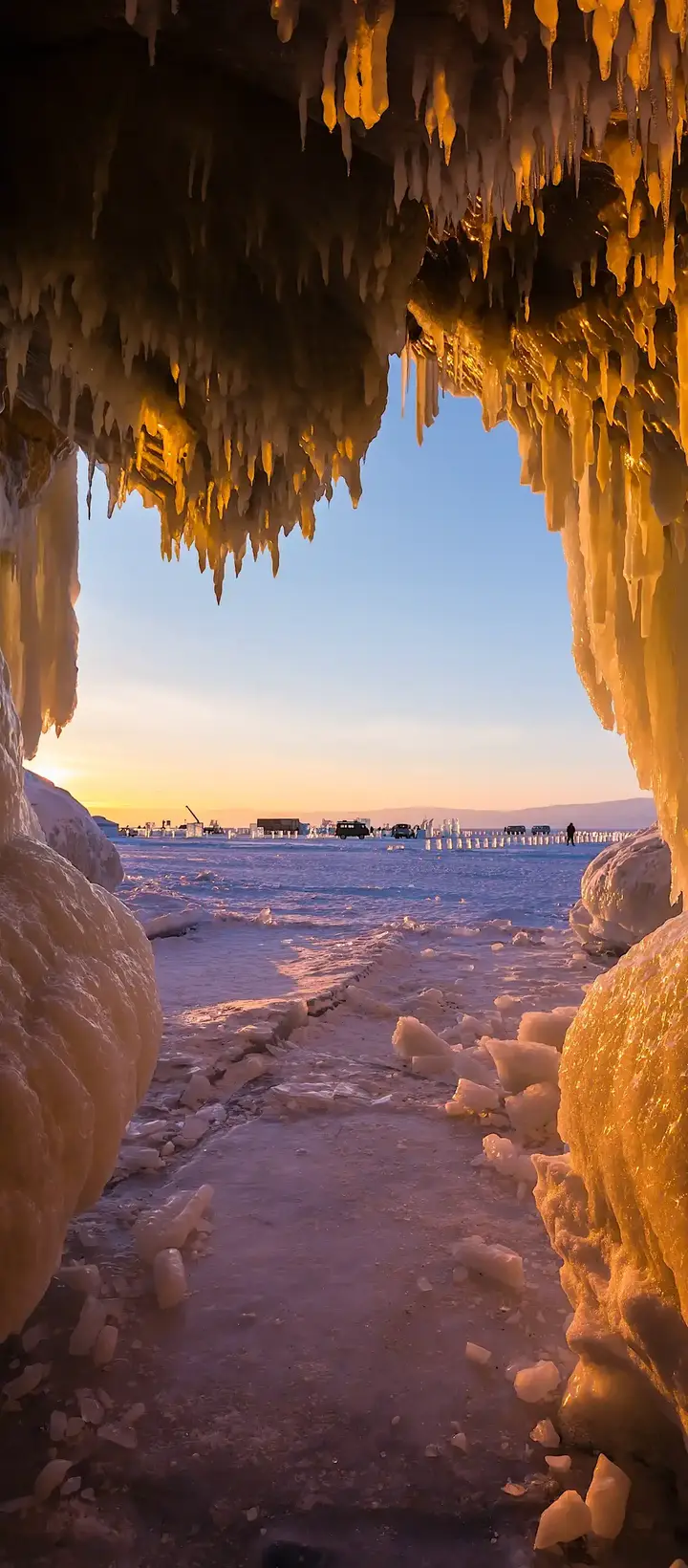
تتميز سيبيريا بأنهارها الجليدية الرائعة التي تشكل لوحات فنية طبيعية، حيث تتلألأ الجليدية تحت أشعة الشمس الخافتة. البحيرات المتجمدة، مثل بحيرة بايكال، تعد من أعمق وأقدم البحيرات في العالم، وتحتضن تنوعاً بيولوجياً فريداً يعيش تحت طبقات الجليد.
الغابات الكثيفة والتايغا الشاسعة:
تغطي الغابات الكثيفة والتايغا مساحات شاسعة من سيبيريا، مما يجعلها واحدة من أكبر النظم البيئية على وجه الأرض. هذه الغابات، التي تتكون بشكل رئيسي من الأشجار المخروطية مثل الصنوبر والتنوب والشوح واللاركس، توفر موطناً للعديد من الأنواع الحيوانية وتلعب دوراً مهماً في تنظيم المناخ العالمي.
ADVERTISEMENT
الحياة البرية في قلب الشتاء
الصورة عبر elements.envato
الحيوانات المتكيفة مع البرودة:
تعج سيبيريا بالحياة البرية التي تظهر قدرة مذهلة على التكيف مع الظروف القاسية. من النمور السيبيرية التي تتجول بصمت في الغابات الثلجية، إلى الثعالب القطبية والأيائل التي تجد طرقها للبقاء على قيد الحياة في درجات الحرارة المتجمدة، تُظهر هذه الحيوانات قوة ومرونة لا تُصدق.
التنوع البيولوجي تحت الثلج :
على الرغم من البرد الشديد، تحتفظ سيبيريا بتنوع بيولوجي غني يتجلى في العديد من الأنواع النباتية والحيوانية. تحت الثلج، تنمو الفطريات والطحالب، وتعيش الحشرات والقوارض الصغيرة، مما يشكل سلسلة غذائية معقدة تدعم النظام البيئي الفريد لهذه المنطقة.
السياحة والاستكشاف
الصورة عبر elements.envato
الرحلات الاستكشافية والمغامرات في البرية:
ADVERTISEMENT
تعد سيبيريا موطنًا لبعض من أكثر المناظر الطبيعية إثارة للإعجاب في العالم، وهي تجذب المستكشفين وعشاق المغامرات من كل مكان. من التزلج على الجليد في السهول الشاسعة إلى التنقيب عن الأحجار الكريمة في جبال الأورال، تقدم سيبيريا تجارب لا تُنسى تتحدى الروح وتثري العقل.
السياحة الشتوية وأنشطتها:
تشتهر سيبيريا بمهرجاناتها الشتوية الساحرة وأنشطتها الثلجية المتنوعة. يمكن للزوار المشاركة في مهرجان الجليد الكبير في بحيرة بايكال، أو استكشاف القرى الجليدية والتمتع بركوب الكلاب الزلاجات. تعتبر السياحة الشتوية في سيبيريا تجربة فريدة حيث يمكن للمرء أن يشهد الجمال الخام للطبيعة ويستمتع بالهدوء والسكينة التي توفرها.
التحديات والحفاظ على الطبيعة
الصورة عبر elements.envato
التغيرات المناخية وتأثيرها على سيبيريا:
تواجه سيبيريا، كغيرها من المناطق القطبية، تحديات جمة بسبب التغيرات المناخية. الارتفاع في درجات الحرارة يؤدي إلى ذوبان الجليد وتغير في النظم البيئية. هذه التغيرات لها تأثيرات مباشرة على الحياة البرية والمجتمعات البشرية التي تعتمد على هذه البيئة للعيش.
ADVERTISEMENT
جهود الحفاظ على الطبيعة والتوازن البيئي:
مع تزايد الوعي بأهمية الحفاظ على الطبيعة، تتخذ العديد من المنظمات والحكومات خطوات لحماية البيئة في سيبيريا. من إنشاء المحميات الطبيعية إلى تنفيذ مشاريع البحث العلمي، تُبذل جهود مستمرة للحفاظ على التوازن البيئي وضمان استدامة الموارد الطبيعية للأجيال القادمة.
الصورة عبر AlLes على pixabay
في نهاية رحلتنا المذهلة عبر السحر الأبيض لسيبيريا، نقف لنتأمل في الجمال الخالد الذي تزخر به هذه الأرض. من الأنهار الجليدية التي تنبض بالحياة إلى الغابات الكثيفة التي تحتضن أسرار الطبيعة، قدمت لنا سيبيريا لوحة فنية رائعة تستحق الإعجاب والحماية.
إن الحفاظ على هذه العجائب الطبيعية ليس مسؤولية الشعوب الأصلية وحدها، بل هو دعوة لكل إنسان على وجه الأرض ليكون واعيًا ومشاركًا في حماية كوكبنا. لنتذكر دائمًا أن سيبيريا ليست مجرد مكان نزوره، بل هي تجربة تعيش في الذاكرة، تجربة تعلمنا الاحترام والتواضع أمام عظمة الطبيعة.
ADVERTISEMENT
والآن، ونحن نختتم هذا المقال، نأمل أن نكون قد أضأنا شمعة في الظلام لإظهار الجمال الذي يمكن أن يجده المرء في أقسى البيئات. ليكن كل منا سفيرًا للطبيعة، ملتزمًا بنقل رسالة الحفاظ على الجمال الذي لا يُقدر بثمن والذي تمنحنا إياه سيبيريا والعالم بأسره.
ياسر السايح
ADVERTISEMENT
الجاذبية الغنية للتوت الأزرق والشوكولاتة: دليل محبي الحلوى
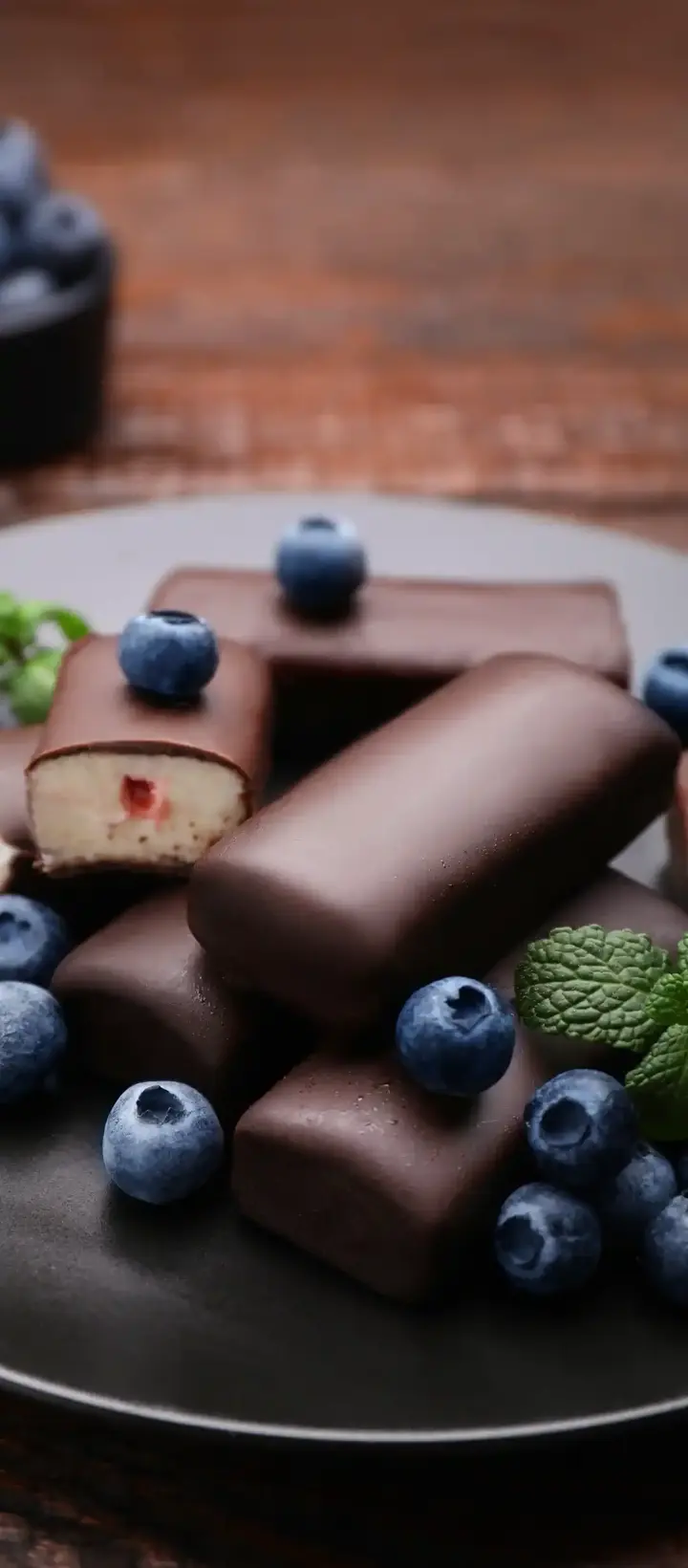
تعتبر الحلوى أحد اللذات التي تجلب السعادة والبهجة للنفس. ومن بين تلك الحلويات المحبوبة والمشهورة، يتصدر القائمة الشوكولاتة والتوت الأزرق. فما هو الذي يجعل هذا التوليف مثالياً لعشاق الحلوى؟ سنستكشف في هذا المقال الجاذبية الغنية للتوت الأزرق والشوكولاتة، وكيف يمكن تناولهما بأشكال وأنماط مختلفة للاستمتاع الكامل بهما.
1. الشوكولاتة والتوت الأزرق: رحلة النكهات المتناغمة.
تجمع الشوكولاتة وتوت الأزرق النكهتين المتناغمتين يخلق تجربة فريدة من نوعها لعشاق الحلوى. تحظى الشوكولاتة بطعمها الغني والكريمي، بينما يضفي توت الأزرق الحمضية والانتعاش على هذا الطعم اللذيذ.
عندما تلتقي تلك النكهتين، تحدث تفاعلات
رائعة تسرق الأذواق وتوقظ الحواس. فتحوم رائحة الشوكولاتة الغنية في الهواء مع نكهة التوت الأزرق الحلوة والرائعة. تختلط طبقات الشوكولاتة الداكنة أو الحليبية اللذيذة مع حبيبات التوت الأزرق الطازجة، مما يعطي قوامًا ونكهة استثنائية للحلوى.
من المدهش أن هاتين النكهتين تتوازنان بشكل مثالي، فتمنحنا تجربة متكاملة للحلاوة. يمتزج الحلاوة الغنية للشوكولاتة مع الحموضة الخفيفة لتوت الأزرق، ما يعزز كل نكهة على حدة بدون أن تتغلب إحداهما على الأخرى. إن هذا التوازن المثالي يجعل الشوكولاتة وتوت الأزرق تكملان بعضهما البعض بشكل مذهل، وتنتج توليفة مدهشة للحلاوة.
لا يقتصر تناول هاتين النكهتين المتناغمتين على الحلويات التقليدية فقط، بل يمكن استخدامهما في مجموعة متنوعة من وصفات الحلوى. يمكن إضافة حبيبات التوت الأزرق إلى الشوكولاتة المنصهرة لتصنع شوكولاتة مغمورة بالتوت الأزرق، أو استخدام صلصة التوت الأزرق لتغميس حبات الشوكولاتة وتزيينها. هناك أيضًا خيارات أخرى مثل الكعك والبسكويت والمافن التي يمكن إضافة التوت الأزرق والشوكولاتة إليها، لإعطاء لمسة لذيذة وفريدة.
2. فوائد التوت الأزرق والشوكولاتة للصحة.
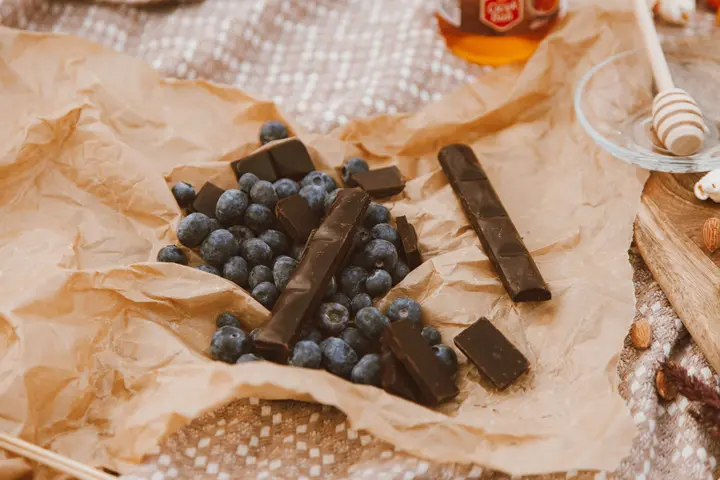
الصورة من Angele J من pexels
توت الأزرق والشوكولاتة ليسا فقط لذيذين وجذابين على محبي الحلوى، بل لديهما أيضًا فوائد كبيرة لصحتنا. فعلى الرغم من أنهما يعتبران حلويات، إلا أنهما يحتويان على مضادات الأكسدة والمغذيات الهامة التي يمكن أن تساهم في تعزيز الصحة العامة للجسم.
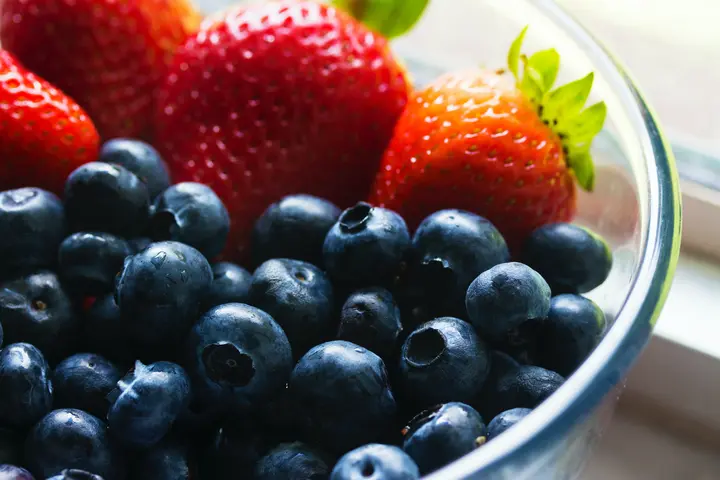
تعتبر التوت الأزرق مصدرًا غنيًا بالألياف، والتي تلعب دورًا هامًا في تحسين وظيفة الجهاز الهضمي وتعزيز صحة الأمعاء. كما أنه غني بالفيتامينات والمعادن مثل فيتامين C وفيتامين K والبوتاسيوم، الذي يعزز صحة القلب ويقوي جهاز المناعة. بالإضافة إلى ذلك، يحتوي على مركبات الأنثوسيانين التي تعمل كمضادات للأكسدة وتقلل من خطر الإصابة بالأمراض المزمنة مثل أمراض القلب والسرطان.
أما الشوكولاتة، فتحتوي على مضادات الأكسدة القوية المعروفة باسم الفلافونويدات. وقد تساهم هذه المركبات في تحسين المزاج والوظائف المعرفية. بالإضافة إلى ذلك، الشوكولاتة الداكنة غنية بالمغنيسيوم والحديد والنحاس والزنك, الذين يمكن أن يساهموا في تعزيز صحة العظام وتحسين وظائف المخ. كما تحتوي على مادة الكاكاو التي تساعد على تحسين تدفق الدم وخفض ضغط الدم.
لذا، يمكن القول بأن تناول توت الأزرق والشوكولاتة بشكل معتدل يمكن أن يكون له تأثير إيجابي على صحتنا العامة. لكن يجب علينا أن نتذكر أن الاستمتاع بهذه الحلوى لا يعني الإفراط في تناولها. ينصح دائماً بتناولها بشكل متوازن ضمن نظام غذائي صحي ونمط حياة نشط.
3. وصفات سهلة ولذيذة تجمع بين التوت الأزرق والشوكولاتة.
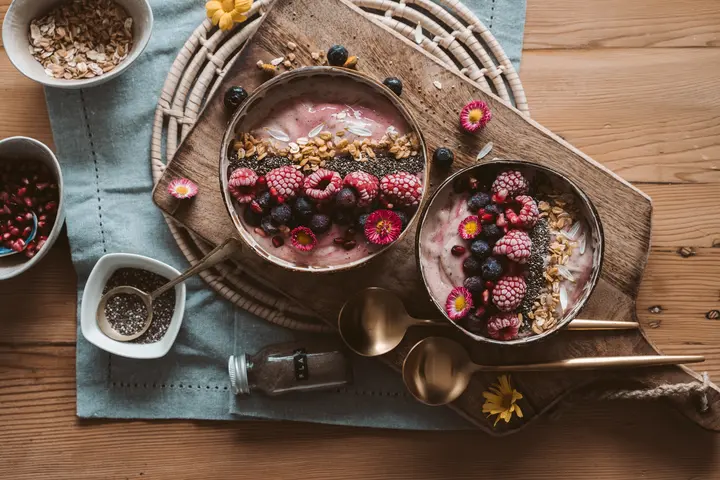
الصورة من Vlada Karpovich من pexels
إذا كنت من محبي الحلوى وترغب في تجربة توليفة لا تقاوم من النكهات، فإليك بعض الوصفات السهلة واللذيذة التي تجمع بين التوت الأزرق والشوكولاتة:
- أضف بعض رقائق الشوكولاتة والتوت الأزرق إلى العجينة.
- اطهي الكريب على النار حتى يصبح لونه ذهبيًا.
- قم بتقديم الكريب الشهي مع صلصة الشوكولاتة والتوت الأزرق على الجانب.
3) موس الشوكولاتة بالتوت الأزرق:
- قم بذوبان الشوكولاتة المفضلة لديك في وعاء مزدوج.
- أضف التوت الأزرق المهروس إلى الشوكولاتة.
- امزج المكونين جيدًا حتى تحصل على خليط ناعم ومتجانس.
- صب الموس في أطباق تقديم واتركه في الثلاجة لمدة ساعتين على الأقل حتى يتماسك.
- قدم الموس مع قطع الشوكولاتة والتوت الأزرق المزينة على الوجه.
استمتع بتجربة هذه الوصفات السهلة واللذيذة التي تجمع بين النكهات الرائعة للتوت الأزرق والشوكولاتة. سوف تنال إعجابك وتمنحك تجربة ممتعة لرغباتك في الحلوى.
إذا كنت من عشاق الحلوى وتبحث عن تجربة لا تُنسى تجمع بين النكهات الغنية للتوت الأزرق والشوكولاتة، فإن هذا العنوان الفرعي هو لك. في هذا القسم، سنستعرض لك مجموعة متنوعة من المنتجات التي تحتوي على التوت الأزرق والشوكولاتة، والتي ستأسرك بطعمها الرائع وتحقق لك تجربة حلوة لا تنسى.
تبدأ مشترياتك العظيمة في المحلات المحلية والعالمية، حيث ستجد مجموعة متنوعة من الحلويات والمنتجات التي تحتوي على التوت الأزرق والشوكولاتة. من الشوكولاتة المغمورة بقطع التوت الأزرق اللذيذة والمثلجة بشكل مثير للشهية، إلى الكوكيز والبسكويت المحشوة بحبات التوت الأزرق والشوكولاتة، ستكون لديك العديد من الخيارات للاستمتاع بتلك النكهات المميزة.
ولكن لا يتوقف الأمر عند الحلويات المصنوعة بأشكال مختلفة، بل تمتد مشترياتك العظيمة لتشمل المنتجات الأخرى مثل الشوكولاتة الساخنة بنكهة التوت الأزرق، والمشروبات الباردة المنعشة المحضرة بالتوت الأزرق والشوكولاتة، وحتى منتجات التجميل التي تحتوي على زيت التوت الأزرق ومستخلص الشوكولاتة للعناية بالبشرة.
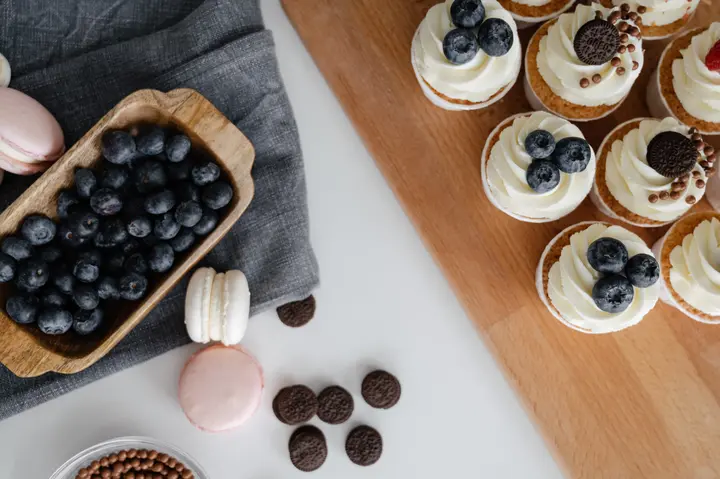
تجول في محلات الحلوى المتخصصة أو تصفح الإنترنت، وستكتشف العديد من العلامات التجارية المشهورة التي تقدم منتجات بالتوت الأزرق والشوكولاتة. ابحث عن الكعك المزين بقطع التوت الأزرق والشوكولاتة الغنية، والماكرون المحشوة بكريمة الشوكولاتة وحبات التوت الأزرق، والمكسرات المغمورة بالشوكولاتة المحلاة بنكهة التوت الأزرق.
لا تنسى أن تستكشف أيضًا أقراص الشوكولاتة التي تحتوي على شرائح التوت الأزرق الجافة والمقرمشة، وحتى المربى والصلصات المصنوعة من التوت الأزرق الممزوج بالشوكولاتة لتستمتع بقطع التوت العصيرة في كل لقمة.
تتميز الشوكولاتة وتوت الأزرق بأنهما لا يقاومان عند تقديمهما كهدايا. إنهما يوفران تجربة لذيذة ومنعشة لأي شخص يحصل على هذه الهدية اللذيذة. إذا كنت تبحث عن هدية فاخرة ومميزة لشخص عزيز عليك، فإن الشوكولاتة وتوت الأزرق تعد خيارًا مثاليًا. فيما يلي بعض الخيارات الفاخرة للهدايا التي تحتوي على الشوكولاتة وتوت الأزرق:
1) صناديق الشوكولاتة المخصصة: قم بشراء صندوق فاخر مليء بأصناف مختلفة من الشوكولاتة وتوت الأزرق. ستكون هذه الهدية مثالية لمن يحبون التنوع والتذوق المختلف. يمكن أن تكون الصناديق مزينة بطريقة فاخرة وعصرية، وتحتوي على أنواع مختلفة من الشوكولاتة، مثل الشوكولاتة الداكنة أو الحلوى المغطاة بالشوكولاتة التي تحتوي على قطع توت الأزرق.
2) سلال الهدايا الفاخرة: قدم هدية مميزة في صورة سلة مليئة بالشوكولاتة وتوت الأزرق المغطاة بالشوكولاتة. يمكن أن تحتوي السلة على تشكيلة متنوعة من الشوكولاتة وتوت الأزرق بأشكال وأحجام مختلفة. قد تحتوي السلة أيضًا على ملحقات أخرى مثل أكواب الشوكولاتة الساخنة أو الأطباق الفاخرة لتقديم الشوكولاتة.
3) صناديق الهدايا المخصصة للأعياد: قد يكون لديك مناسبة خاصة مثل عيد الميلاد أو عيد الحب، فيمكنك شراء صندوق هدايا مخصص يحتوي على شوكولاتة وتوت الأزرق بأشكال وتصاميم موسمية. قد تكون الشوكولاتة على شكل كرات عيد الميلاد أو قلوب عيد الحب، مما يضيف لمسة إضافية من السعادة والبهجة للمناسبة.
4) الشوكولاتة وتوت الأزرق الفاخرة المغلفة بشكل فردي: قدم هدية مميزة من خلال شراء شوكولاتة وتوت الأزرق فاخرة مغلفة بشكل فردي. يمكنك اختيار أشكال وتصميمات مختلفة للمغلفات، مثل الورود أو الأشكال الهندسية الفاخرة، لإضافة لمسة من الأناقة للهدية.
5) الشوكولاتة الفاخرة مع صواني التقديم: قدم هدية مميزة تحتوي على صواني تقديم فاخرة ومليئة بالشوكولاتة وتوت الأزرق. يمكنك اختيار صواني تقديم مزينة بالذهب أو الفضة، وتحتوي على أصناف مختلفة من الشوكولاتة وتوت الأزرق. ستكون هذه الهدية مثالية للأشخاص الذين يحبون الاستمتاع بتجربة تناول الحلوى بأسلوب أنيق.
الصورة من SHVETS production من pexels
يمتلك التوت الأزرق والشوكولاتة مزيجاً رائعاً من النكهات والمغذيات الصحية. سواء كانت على شكل حلوى، أو كمكون في وصفات الحلويات، فإن الاستمتاع بتلك الجاذبية الغنية سيكون تجربة لا تنسى لعشاق الحلوى. لذا، اكتشفوا العديد من الوصفات والمنتجات المتاحة في الأسواق المحلية والعالمية، واستمتعوا بطعم الحلوى المثالية التي تجمع بين توت الأزرق والشوكولاتة في كل لحظة. ولن تكتمل تجربة الحلوى الاستثنائية إلا بمشاركتها كهدية فاخرة لأحبائكم، لتعبر عن مشاعركم بطريقة حلوة ومميزة.
احمد الغواجة
كشف عجائب بحيرة بريتفيس : دليل شامل إلى الجنة الطبيعية في كرواتيا
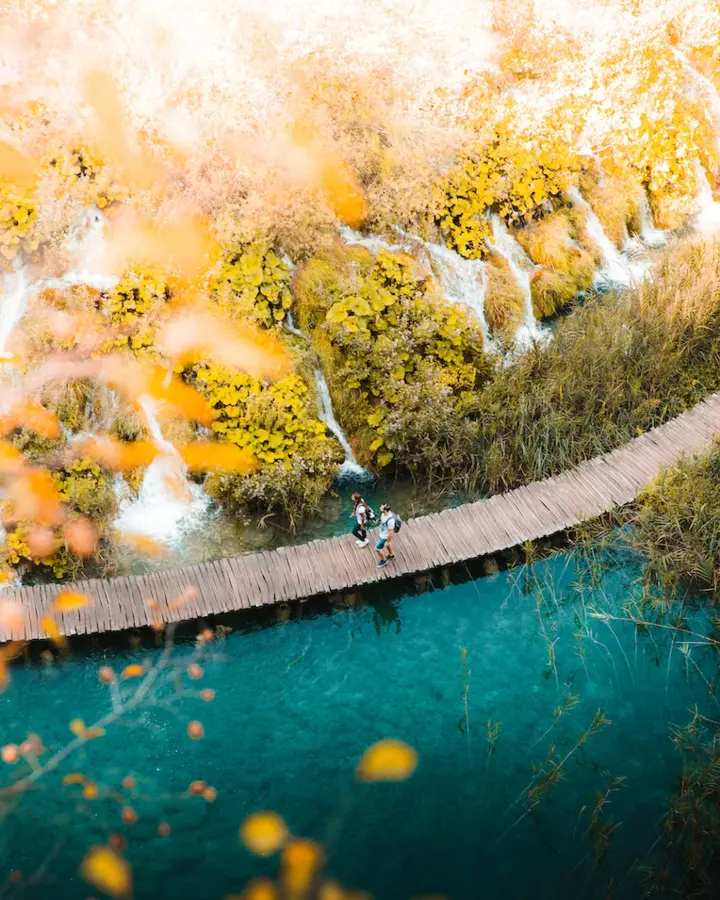
بحيرة بريتفيس في كرواتيا هي جوهرة طبيعية تحيط بها المناظر الطبيعية الخلابة والمناظر الطبيعية الساحرة. تعتبر هذه البحيرة المذهلة واحدة من أكثر الوجهات السياحية شهرة في البلاد ، حيث تستقطب الآلاف من الزوار سنويًا. إن إكتشاف عجائب بحيرة بريتفيس يعد تجربة استثنائية تأخذك إلى عالم من الجمال الطبيعي الخلاب والهدوء الروحاني. في هذا المقال ، سنستعرض دليلاً شاملاً للجنة الطبيعية في بحيرة بريتفيس وكيفية استكشافها بأكملها.
1. تاريخ بحيرة بريتفيس: يتعرف المقال على تاريخ بحيرة بريتفيس وكيفية تكوينها على مر العصور. يتم استكشاف أهم الأحداث التاريخية التي ترتبط بهذه المنطقة الطبيعية الرائعة.
Robert V. Ruggiero صور من
تعتبر بحيرة بريتفيس واحدة من المعجزات الطبيعية في كرواتيا التي تحمل تاريخا غنيا يمتد عبر العصور. تتراوح تشكيلة أحداثها من التحولات الجيولوجية الشاسعة إلى دورها الاستراتيجي في الماضي العسكري. تمتلك بحيرة بريتفيس خلفية تاريخية مثيرة للاهتمام تضفي على هذا المكان الطبيعي الرائع سحرا لا يقاوم.
تكوّنت بحيرة بريتفيس عبر آلاف السنين نتيجة عمليات جيولوجية وكيميائية حيوية مستمرة شكّلت حواجز طبيعية من التوفا.
منذ العصور البدائية ، شهدت بحيرة بريتفيس نشاطا ثقافيا واجتماعيا حيث استوطنتها المجتمعات البشرية المختلفة. تمكن علماء الآثار من اكتشاف العديد من الأدوات والآثار المتعلقة بالحضارات القديمة في الجوار. تعتبر هذه الآثار دليلًا قاطعًا على أهمية بحيرة بريتفيس عبر التاريخ وازدهارها بعد فترة الممالك القروية.
لقد شهدت بحيرة بريتفيس أيضا مرور القوى العسكرية في الماضي ، حيث استخدمت كممر استراتيجي في معارك الحروب القديمة. تاريخيا، كانت المنطقة تتغير بين الاتحادات السلافية والإيطاليين والعثمانيين، وكانت بحيرة بريتفيس شاهدة على تلك الفترات الدرامية التي شهدت الصراعات والتغيرات الجيوسياسية.
ببصمتها التاريخية الفريدة ، تعتبر بحيرة بريتفيس تحفة طبيعية لا تقدر بثمن. تثير الأحداث التاريخية المتنوعة التي شهدتها هذه البحيرة الخلابة فضول الزوار وتأخذهم في رحلة عبر الزمن. تحفل بحيرة بريتفيس بالعديد من المعجزات التي قد تظل مخفية تحت مياهها الزرقاء الساحرة.
2. الطبيعة الساحرة: في هذا الفصل ، يتم التركيز على الجمال الطبيعي الخلاب لبحيرة بريتفيس. يتم استعراض المناظر الطبيعية الخلابة والتضاريس المتنوعة التي تضفي تفردًا على هذا المكان الساحر.
unsplash على Nauris Pūķis صور من
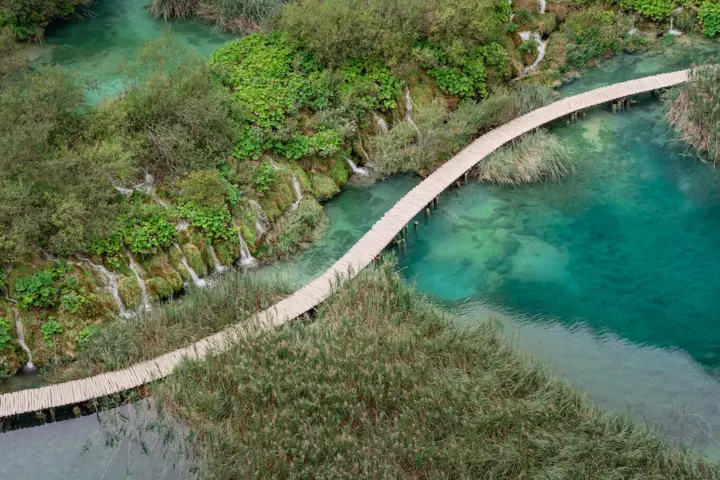
عندما ترتفع الشمس فوق بحيرة بريتفيس، تنعكس أشعتها على مياه البحيرة المتلألئة لتخلق لوحة طبيعية خلابة من الألوان الزاهية والظلال الجميلة. تتميز المناظر الطبيعية المحيطة بالبحيرة بالجبال الشاهقة التي تطل على المياه الصافية، والمناظر الطبيعية الخضراء الخلابة التي تزدهر في كل زاوية. يمكنك استكشاف الممرات المتداخلة والممرات الرائعة التي تتيح لك الاستمتاع بمناظر بانورامية خلابة وجذابة.
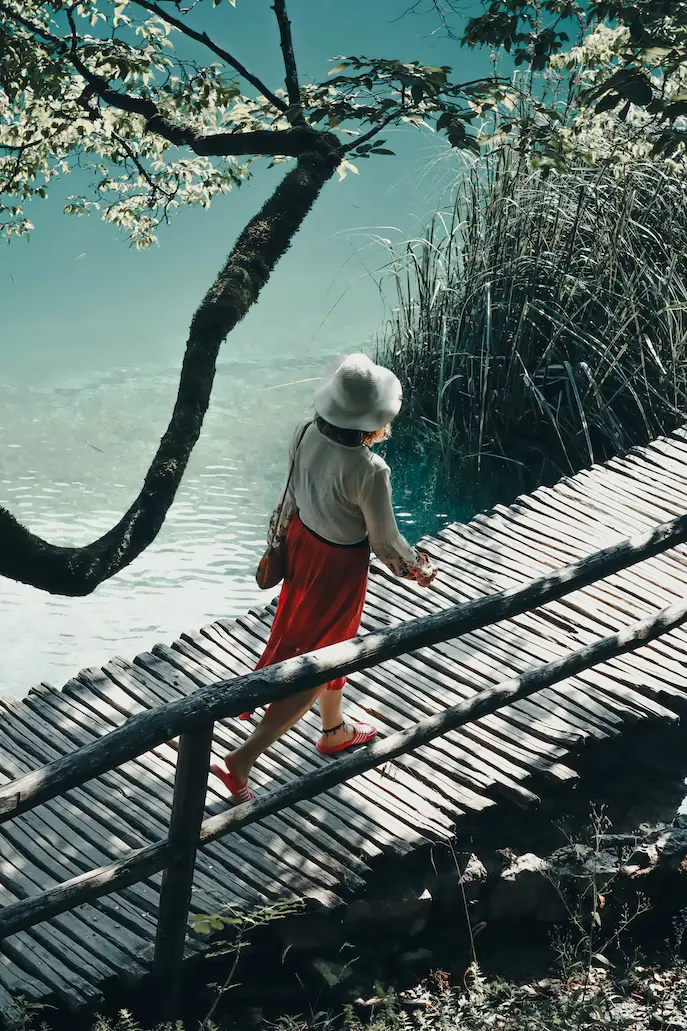
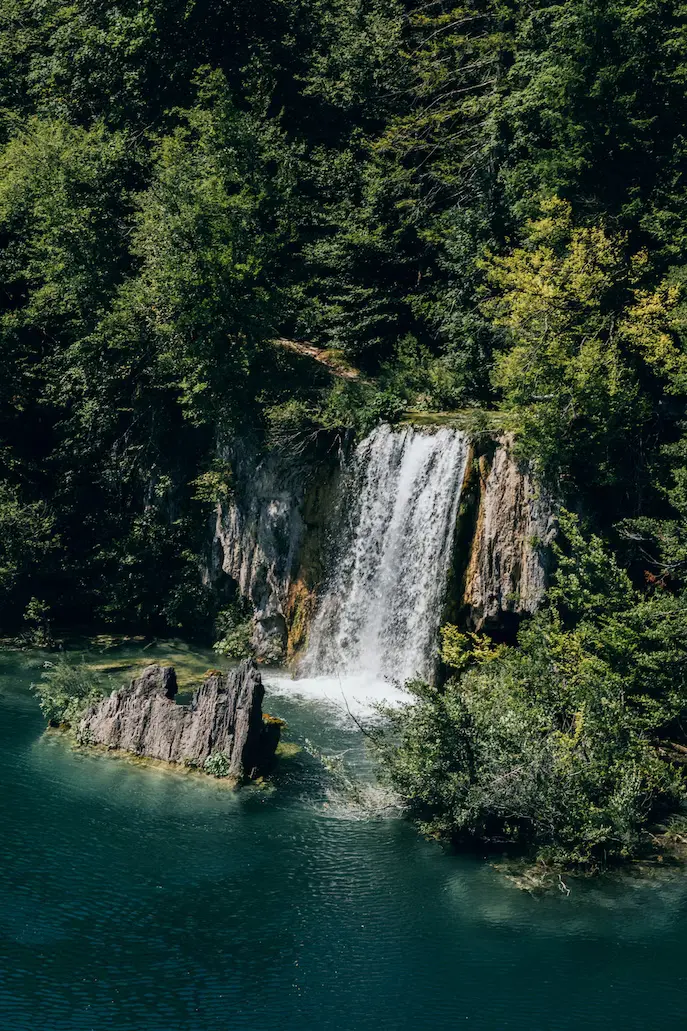
بالإضافة إلى ذلك، يتميز بريتفيس بتضاريسه المتنوعة والمدهشة. يمكنك رؤية الكهوف والأودية والشلالات التي تضفي تفاصيل جمالية على المنطقة بأكملها. امشِ على طول الممرات الطبيعية الساحرة واستمتع بتجربة ملهمة عندما تتباين مختلف العناصر الطبيعية بشكل مدهش.
إن بحيرة بريتفيس تعتبر حقًا واحدة من الجنان الطبيعية في كرواتيا وربما في العالم بأسره. إذا كنت تبحث عن مكان يأسر قلبك بجماله الطبيعي الساحر، فإنه يجب عليك زيارة هذه البحيرة واستكشاف العجائب الطبيعية التي تحتضنها.
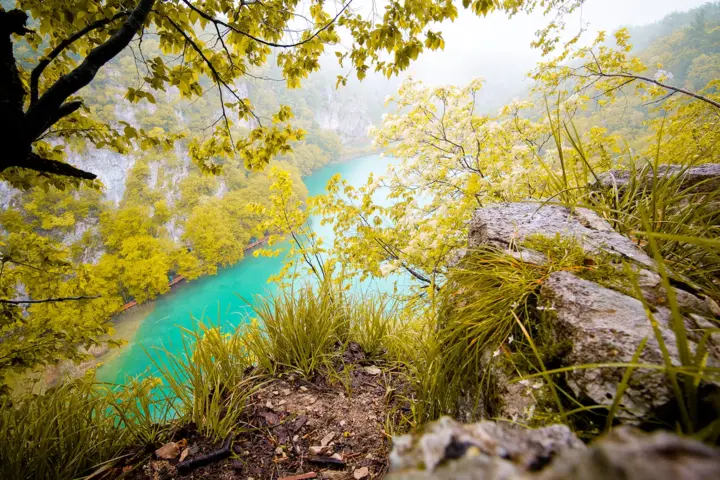
3. حياة النبات والحيوان: يتم استكشاف التنوع البيولوجي الغني في بحيرة بريتفيس ، بما في ذلك النباتات والحيوانات الفريدة التي تزدهر في هذه المنطقة. ستكتشف العديد من الأنواع المهددة بالانقراض والتي تعتبر من المسائل البيئية الهامة.
unsplash على Danijel Latin صور من
بحيرة بريتفيس في كرواتيا موطنًا لحياة نباتية وحيوانية متنوعة وغنية. تزدهر هذه المنطقة الفريدة من نوعها بالكائنات الحية المبهرة التي تعيش في المياه الصافية وعلى ضفاف البحيرة الجميلة. توفر بيئة بحيرة بريتفيس الفرصة للاستمتاع بمشاهدة النباتات الغنية بالألوان والحيوانات البرية المتنوعة.
تعتبر بحيرة بريتفيس بيئة مثالية للنباتات المائية والنباتات المحيطة التي تزدهر على ضفافها الخضراء. تجد هناك مجموعة واسعة من النباتات المائية بألوانها الزاهية وأشكالها المتنوعة، مما يعزز جمال بحيرة بريتفيس.
بخلاف ذلك ، توجد أيضًا تشكيلة واسعة من الحيوانات المائية والبرية في المنطقة المحيطة ببحيرة بريتفيس. يعيش في هذه البحيرة العديد من الأسماك المتنوعة ، مثل سمك القزل. كما يمكن مشاهدة تجمعات الأسماك المدهشة وهي تسبح في المياه الصافية.
وعلى ضفاف البحيرة ، يمكن رؤية العديد من الطيور المهاجرة والمحلية التي تعيش في المنطقة. تعتبر بحيرة بريتفيس موطنًا للعديد من الطيور المهاجرة والمحلية، بما في ذلك بعض الطيور الجارحة والبوم ونقارات الخشب وغيرها من الطيور المثيرة للإعجاب. يشكل تواجد هذه الطيور الملونة والرائعة مشهدًا ساحرًا يضفي سحرًا إضافيًا على جمال المكان.
يجب الإشارة أيضًا إلى أن بحيرة بريتفيس تعد موطنًا للعديد من الحيوانات البرية المهددة بالانقراض. تشمل هذه الحيوانات النادرة الدب البني الأوروبي والذئب الرمادي والغزال والأيل الأوروبي. تتيح البحيرة فرصة مميزة للزوار للاقتراب من هذه الكائنات الرائعة والتعرف على تنوع الحياة البرية في المنطقة.
باختصار ، حياة النبات والحيوان في بحيرة بريتفيس لا تقدر بثمن وتضيف طبقة من السحر والإثارة إلى هذه الوجهة السياحية الطبيعية الخلابة. سواء كنت تستمتع بالمشاهدة من البحيرة أو التجول على ضفافها ، فإنك ستشعر بالفرح والدهشة تجاه الكائنات الحية الجميلة التي تحتضنها بحيرة بريتفيس.
4. الأنشطة الترفيهية: يقدم هذا القسم مجموعة واسعة من الأنشطة الترفيهية التي يمكنك القيام بها في بحيرة بريتفيس. سواء كنت تفضل السباحة أو ركوب القوارب الشراعية أو التجديف ، ستجد هناك ما يناسب جميع الأذواق.
unsplash على Mateusz Suski صور من
تعتبر بحيرة بريتفيس وجهة مثالية لعشاق الأنشطة الترفيهية الشيقة في الهواء الطلق. توفر هذه الجوهرة الطبيعية الرائعة مجموعة واسعة من الأنشطة التي يمكن للزوار القيام بها للاستمتاع بوقتهم في هذا المكان الساحر. سواء كنت تبحث عن تحدي اكتشاف تجربة جديدة أو لحظات استرخاء وهدوء، فإن بحيرة بريتفيس تلبي جميع الأذواق.
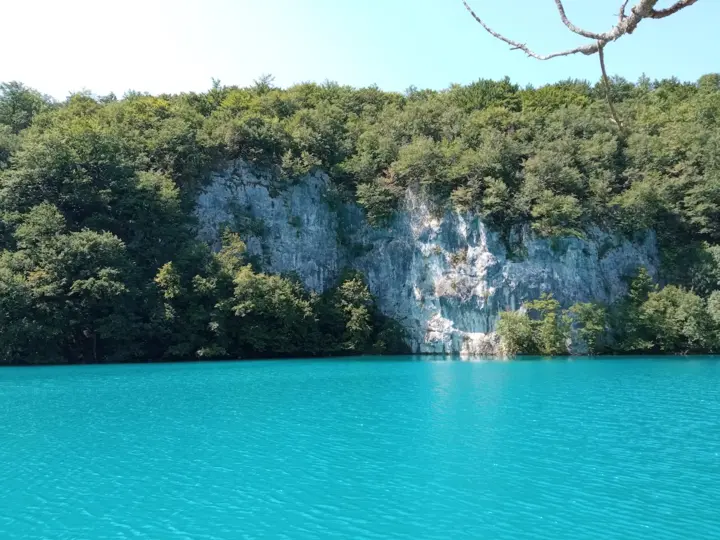
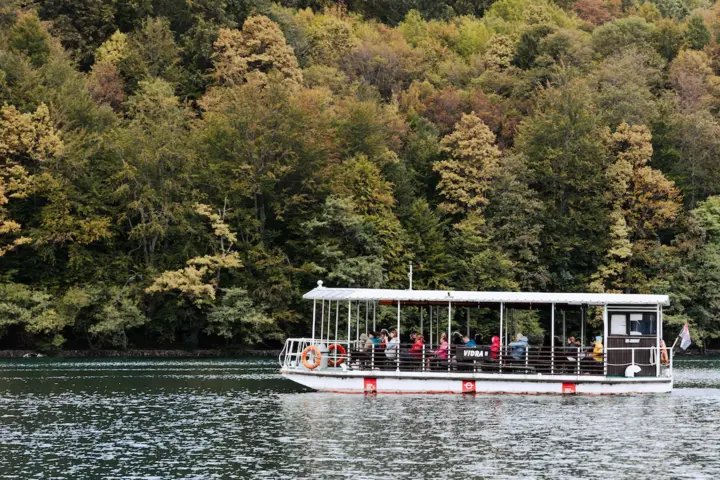
يمكن للزوار الاستمتاع بمشاهدة مياه البحيرة الفيروزية الزاهية والتي تعتبر من أجمل المناظر الطبيعية في العالم.
إذا كنت تبحث عن تجربة مثيرة ومغامرة في الماء، يمكنك ركوب القوارب الشراعية الصغيرة التي تتوفر للإيجار في بحيرة بريتفيس. استمتع بالرياح اللطيفة والمناظر الطبيعية الخلابة أثناء رحلة ممتعة على الماء. بإمكانك أيضًا تجربة ركوب القوارب الكاياك أو ركوب القوارب القابلة للنفخ لمشاهدة المزيد من الطبيعة الخلابة والاستمتاع بجمال البحيرة من زوايا جديدة.
يمكنك أيضًا استكشاف المناظر الطبيعية الخلابة المحيطة بالبحيرة عن طريق ركوب الدراجات الجبلية في المسارات الترابية الممتعة. استمتع بالطبيعة والهواء النقي واستكشاف المسارات المتعرجة الموجودة في المنطقة المحيطة بهذا المكان الساحر.
إذا كنت تبحث عن تجربة هادئة ورومانسية، يمكنك استئجار أحد القوارب الصغيرة والتوجه إلى وسط البحيرة حيث يمكنك الاستمتاع بالهدوء والسكينة بعيدًا عن الضوضاء وضغوط الحياة اليومية.
بحيرة بريتفيس توفر تجربة استثنائية لعشاق الأنشطة الترفيهية. سواء كنت تفضل السباحة أو ركوب القوارب الشراعية أو التجديف، ستجد هناك نشاطًا يناسب جميع الأذواق. انطلق في مغامرة استكشافية واستمتع بما تقدمه بحيرة بريتفيس من جمال طبيعي لا يُضاهى وتجارب ترفيهية لا تُنسى.
5. التجارب الحيوية: يوفر هذا الجزء معلومات حول تجربة زيارة بحيرة بريتفيس. ستتعرف على أفضل الطرق للوصول إلى الموقع وأوقات الزيارة المفضلة والنصائح المفيدة للحصول على تجربة سفر رائعة في هذه الوجهة السياحية المثيرة.
unsplash على Shana Van Roosbroek صور من
في هذا الجزء، سنقدم لكم دليلا شاملا لتجربة زيارة بحيرة بريتفيس، الوجهة السياحية المثيرة في كرواتيا. ستحصل على معلومات قيمة حول أفضل الطرق للوصول إلى الموقع وأوقات الزيارة المفضلة والنصائح المفيدة للحصول على تجربة سفر رائعة.
أولا، للوصول إلى بحيرة بريتفيس، يمكنك استخدام وسائل النقل العامة المتوفرة. تتوفر خدمة الحافلات المكوكية المريحة من العديد من المدن القريبة، مثل زغرب وسبليت. يمكنك أيضًا استئجار سيارة لتجربة قيادة مريحة واستكشاف المناظر الطبيعية المحيطة بالبحيرة.
ثانيا، يجب أن تخطط لوقت الزيارة الأمثل لبحيرة بريتفيس. يعتبر فصل الصيف هو أفضل وقت للزيارة ، حيث تكون درجات الحرارة معتدلة وتتمتع بأجواء مشمسة. كما يمكنك تجنب حشود السياح والزحام المروري خلال فترات الذروة بتنظيم زيارتك خارج الوقت الموسمي الأكثر ازدحامًا.
ثالثا، نقدم لك بعض النصائح المفيدة للحصول على تجربة سفر رائعة في بحيرة بريتفيس. قبل زيارتك، تأكد من حجز تذاكر الدخول مسبقا لتجنب الانتظار في الصفوف الطويلة. كما يُنصح بارتداء الملابس والأحذية المريحة لاستكشاف المنطقة والاستمتاع بالأنشطة المختلفة التي يقدمها الموقع. لا تنسَ أيضًا إحضار واقي شمسي ومستحضرات العناية بالبشرة للتسلية والتأكد من حماية نفسك من أشعة الشمس القوية.
بحيرة بريتفيس تعد وجهة سياحية فريدة ومثيرة، وتستحق بالتأكيد زيارتها. تجربة الجمال الطبيعي الخلاب واستكشاف الأنشطة المتنوعة المتاحة ستخلق لك ذكريات لا تُنسى. استعد لرحلة إلى الجنة الطبيعية في كرواتيا، وتأكد من اتباع هذه النصائح للاستمتاع بتجربة سفر لا تُنسى في بحيرة بريتفيس.
unsplash على Thimo van Leeuwen صور من
بحيرة بريتفيس تعتبر واحدة من الأماكن الطبيعية الباهرة في العالم ، حيث يمكن للزوار الاستمتاع بالمناظر الطبيعية الخلابة والتجربة الفريدة في هذا الموقع الساحر. إن زيارة بحيرة بريتفيس تعد رحلة لا تُنسى تنقلك إلى عالم آخر من الجمال الطبيعي والهدوء الروحاني. سواء كنت تبحث عن مغامرة أو لحظات هدوء وسكينة ، فإن بحيرة بريتفيس توفر كل شيء. لا تفوت فرصة زيارة هذه الوجهة الطبيعية الرائعة في كرواتيا للتمتع بالجمال الذي لا يُضاهى والأنشطة المثيرة التي يمكنك القيام بها.