The Ma’rib Dam: An Engineering Wonder of the Ancient World in Yemen… Torn Apart by Rats?

The Ma'rib Dam, located in present-day Yemen, is considered one of the most remarkable engineering achievements of the ancient world. Built by the Sabaean civilization, it served as a crucial irrigation system that sustained agriculture and the region's prosperity for centuries. However, despite its grandeur and durability, the dam eventually collapsed, sparking speculation about its collapse. While some historians attribute its destruction to natural disasters or neglect, local legends point to a more exotic cause: rats. According to popular accounts, large numbers of rats gnawed at the dam's foundations, gradually weakening its structure until it collapsed completely. Although this story seems implausible, the impact of rodents on architectural structures is not entirely unlikely. Rats are known for their ability to burrow and cause significant damage to infrastructure, especially if there are cracks or pre-existing weaknesses in the structure. However, there is no conclusive archaeological evidence to confirm that rats were the primary cause of the dam's collapse, but this legend has persisted through the generations, adding an element of mystery to the history of this great engineering landmark.
قراءة مقترحة
عرض النقاط الرئيسية
- The Marib Dam, constructed by the ancient Sabaean civilization around the 8th century BC, was a pioneering feat in water management and agriculture.
- Stretching 720 meters and supported by robust stone and earthen structures, the dam served as a vital irrigation system for over 25,000 acres of farmland.
- Despite centuries of maintenance, including by successor civilizations like the Himyarites, the dam eventually collapsed, marking the end of its flourishing era.
- ADVERTISEMENT
- Theories about its collapse range from natural disasters and structural neglect to a local legend involving rats gnawing at the dam’s foundation.
- Although the rat theory lacks archaeological evidence, it reflects enduring folklore and highlights the mysterious circumstances surrounding the dam’s fall.
- The modern dam built in the 1980s near the ruins continues the legacy of water management in the region, though it lacks the grandeur of the original.
- Ongoing conflicts, erosion, and climate change threaten the dam’s remains, prompting urgent conservation efforts to preserve this UNESCO World Heritage site.
The Engineering Marvel of the Marib Dam
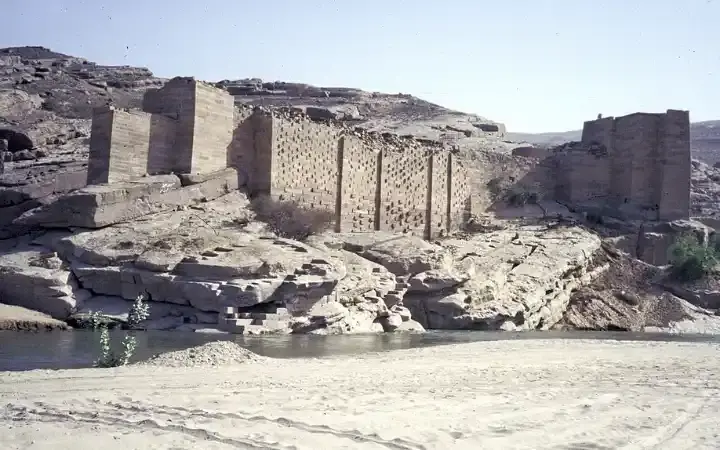
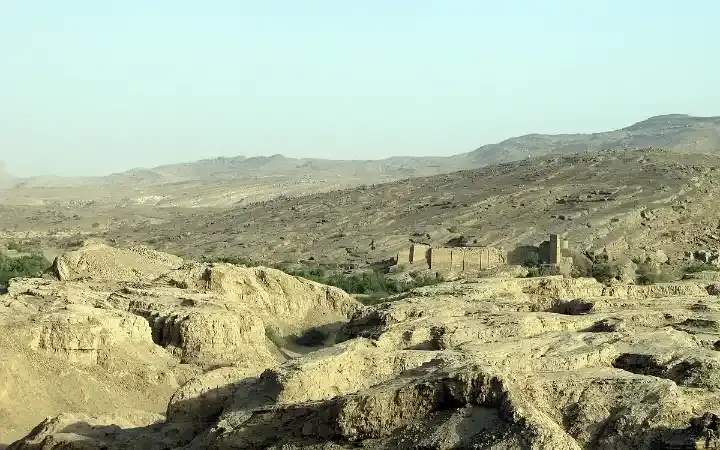
The Marib Dam was built around the 8th century BC by the Sabaeans, a civilization renowned for their advanced water management systems. The dam was strategically constructed to collect seasonal rainwater from the surrounding mountains, allowing for storage and distribution for irrigation purposes. At its peak, the dam supported an extensive agricultural network, irrigating approximately 25,000 acres of farmland. The construction itself was a masterpiece of ancient engineering. The dam consisted of a massive stone foundation, reinforced by an earthen wall plastered with stone and gravel. It stretched 720 meters across Wadi Dana, linking the northern and southern Balaq Mountains. Its walls reached a height of 15 meters, and its base was 60 meters thick, making it one of the largest and most sophisticated dams of its time. Over the centuries, the dam underwent numerous renovations and repairs, reflecting its importance to the Sabaean people. Even after the fall of the Sabaean Kingdom to the Himyarites, maintenance of the dam continued, ensuring its continuity for generations. However, despite these efforts, the dam eventually collapsed, marking the end of a historical era in the region.
Collapse: Natural Disaster or Rodent Invasion?
The cause of the collapse of the Ma'rib Dam remains a matter of debate among historians and archaeologists. Some researchers argue that an earthquake or heavy rainfall led to the collapse of the dam, while others believe that prolonged neglect and lack of maintenance contributed to its collapse. However, one of the most intriguing theories comes from local legends, which claim that rats breached the dam. According to Yemeni folklore, large rats gnawed at the base of the dam, weakening its structure over time. These rodents allegedly burrowed into the foundation, creating weaknesses that eventually led to the dam's collapse.
While this theory may seem far-fetched, it's not entirely unlikely. Rats are known to cause significant structural damage by burrowing into walls, foundations, and irrigation systems. If the dam had already suffered from erosion or minor cracks, the ongoing rat infestation could have exacerbated the problem, eventually leading to its collapse. Despite this myth, there is no concrete archaeological evidence to support the claim that rats were solely responsible for the dam's destruction. However, this story has persisted for centuries and has become an integral part of Yemeni folklore, adding an element of mystery to the dam's history.
The Legacy of the Marib Dam
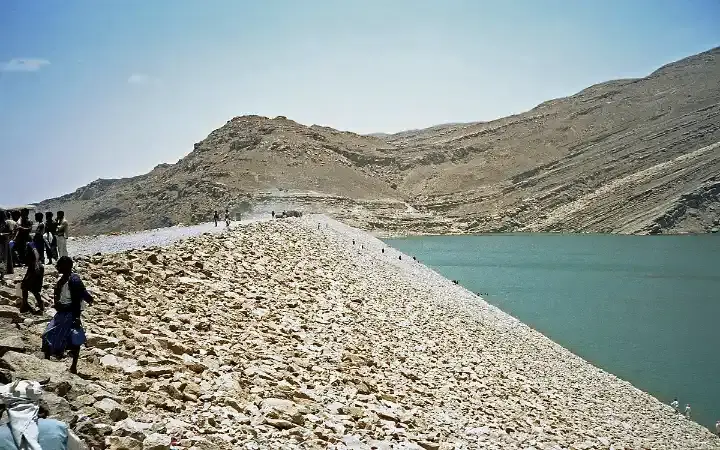
Although the ancient Marib Dam is no longer operational, its remains remain a testament to the ingenuity of the Sabaean civilization. The remains of its gates and foundations continue to attract historians, archaeologists, and tourists interested in exploring Yemen's rich heritage. In recognition of its historical significance, the site was added to the UNESCO World Heritage List in 2023, cementing its status as an engineering marvel. In the 1980s, a modern dam was constructed near the ruins of the old dam, aiming to revive the region's irrigation system. Although the new dam does not match the grandeur of its predecessor, it is a reminder of the Sabaeans' legacy and contributions to water management in the Arabian Peninsula. The modern dam has also supported local agriculture, revitalizing some of the lands that once relied on the old dam for irrigation. Unfortunately, the remains of the Marib Dam have suffered further damage in recent years due to the ongoing conflict in Yemen. Airstrikes in 2015 reportedly affected the site, raising concerns about the preservation of this historic landmark. In addition to damage caused by conflict, natural erosion and climate change pose a continuing threat to the dam's remains. Protection and restoration efforts are ongoing, with scientists and conservation experts working to safeguard Yemen's rich heritage and ensure that this magnificent monument remains a testament to the region's history and unique engineering ingenuity.
Conclusion: A Story of Innovation and Mystery
The Marib Dam is a symbol of ancient ingenuity, demonstrating the advanced engineering capabilities of the Sabaean civilization. Its ability to sustain agriculture and prosperity for centuries highlights the importance of water management in ancient societies. However, its mysterious collapse—whether due to natural disasters, neglect, or even rats—adds an intriguing dimension to its history. While the legend of the rats that destroyed the dam remains unconfirmed, it represents a captivating tale that has been passed down through generations. Whether fact or myth, the story of the Marib Dam continues to captivate historians and locals alike, reminding us of the delicate balance between human innovation and the forces of nature.