Saudi fashion event highlights retail trends, youth culture, and digital innovation

The Saudi fashion sector is diverse and evolving, blending traditional elements with contemporary styles. Modest fashion, with its emphasis on covering, is a key aspect, but there is a growing trend toward more elegant and personalized interpretations of traditional dress. The Saudi Fashion Commission plays an important role in promoting this industry, supporting local designers, and enhancing its global presence.
عرض النقاط الرئيسية
- The Saudi fashion industry is undergoing a transformation where traditional garments like the thobe and abaya are being reimagined with modern aesthetics.
- Modest fashion remains central to Saudi style, but it's increasingly driven by personal expression and elegance rather than just religious obligation.
- The Saudi Fashion Commission plays a pivotal role in supporting local designers and positioning Saudi fashion on the global stage through initiatives like Fashion Lab and Diyal Fashion Week.
- ADVERTISEMENT
- Sustainability is gaining traction in Saudi fashion as designers prioritize eco-conscious materials and timeless designs over fast fashion trends.
- Fashion is a growing contributor to Saudi Arabia’s economy, providing job opportunities for women and aligning with Vision 2030 development goals.
- The rise of youth culture, entertainment events, and digital innovation is driving demand for expressive, culturally rooted, and streetwear-inspired clothing.
- Events and symposiums such as those hosted by the Chalhoub Group are fostering collaboration, mentorship, and the evolution of retail and consumer engagement strategies.
Traditional and Modern Influences:
· National Costume:
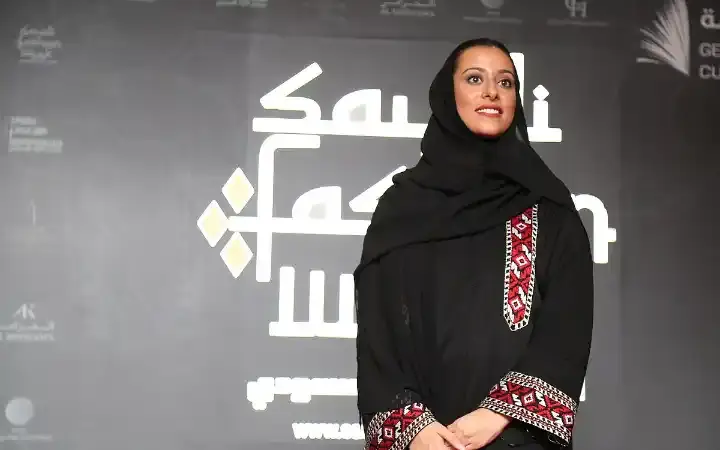
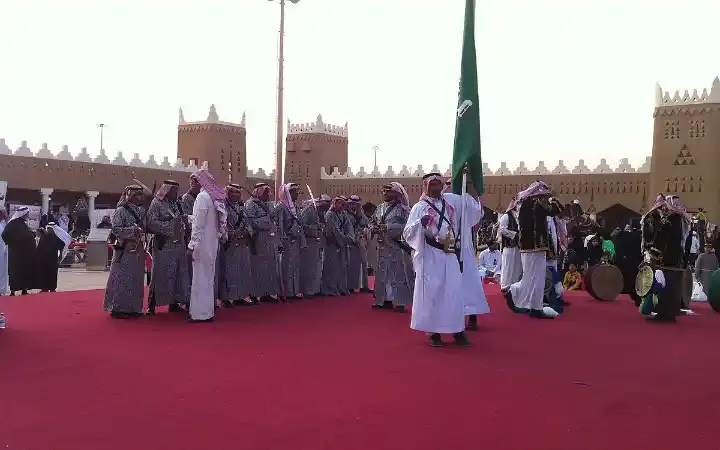
The official dress for men is the thobe (or dishdasha), and for women, the abaya. These garments are considered a symbol of modesty and cultural identity.
· Evolution of Modest Fashion:
Despite the importance of traditional fashion, there is a growing trend toward modern and stylish interpretations of modest fashion, with designers creating abayas and other contemporary garments.
قراءة مقترحة
· Cultural Heritage:
Saudi designers are increasingly drawing inspiration from their rich cultural heritage, incorporating intricate patterns and traditional craft techniques into their collections.
· Global Outreach:
The Saudi Fashion Commission actively promotes Saudi fashion designers on the global stage, through initiatives such as the Saudi 100 Brands and Diyal Fashion Week.
Key Trends and Developments:
· Growth of Modest Fashion:
The demand for modest fashion is not only driven by religious or cultural values but also stems from a desire for personal expression. Sustainable Practices:
There is growing awareness of the environmental impact of fast fashion, as designers focus on creating high-quality, timeless pieces.
· Gender Equality:
The fashion industry is a major source of employment for women in Saudi Arabia, with many women playing key roles in design, production, and business development.
· Contribution to GDP:
The fashion sector contributes significantly to the Saudi Arabian economy, and Vision 2030 aims to further enhance its growth.
· Job Creation:
This sector provides a significant number of jobs, particularly in the design, production, and retail sectors.
· Tourism:
The Kingdom's tourism sector also benefits from the growth of the fashion industry, as international visitors seek out local designers and fashion experiences.
The State of the Fashion Sector in Saudi Arabia
Vision 2030 is radically transforming the socio-economic landscape of Saudi Arabia, with fashion emerging as a key player. Retail sales are expected to achieve an average compound annual growth rate of 13% until 2026. Confidence in the sector is strong, and in line with the ambitious goals of the Ministry of Culture, the Fashion Commission was established to empower and support the fashion sector in Saudi Arabia.
How Saudi Arabia is incorporating sustainable practices into its fashion
Fast fashion, one of the most polluting industries globally, is responsible for 10% of greenhouse gas emissions, according to UN figures. Over the past few years, fashion in Saudi Arabia has gained significant popularity and recognition thanks to the efforts of the Saudi Fashion Commission.
Fashion in Saudi Arabia Today
Saudi Arabia boasts a variety of clothing styles, not just abaya and thobe. A Saudi fashion event highlighted retail trends, youth culture, and digital innovation, with a panel of judges hearing that youth culture, streetwear, and sports are shaping brand narratives. Inside the Yarn pop-up retail store at Lakum Art Space, carefully curated fashion pieces, comfortable seating areas, and vibrant displays highlight the creativity of emerging Saudi brands. Four of the most prominent designers from the second edition of the Fashion Lab presented collections rooted in Saudi identity, craftsmanship, and style. Speakers noted that the rise of entertainment activities, such as concerts and dining, in the Kingdom in recent years has led to a surge in demand for fashion products as people seek ways to express themselves. A fashion symposium in Riyadh brought together industry leaders and creatives to explore the future of the fashion economy in Saudi Arabia. Hosted by the Chalhoub Group at Lakum Art Space, the event featured keynote presentations, panel discussions, and showcases by ten emerging Saudi designers from the second cohort of the Fashion Lab.
Reshaping Consumer Engagement
Raffi Dikranian and Mohammed Bajabaa spoke on "From Donations to Leadership: Connecting with Communities," exploring how culture, streetwear, and grassroots brands are reshaping consumer engagement.
The agenda focused on three key themes:
- The evolution of fashion retail in the Kingdom;
- The role of cultural identity in brand building;
- The growing importance of digital fashion and collaboration.
“Our role is to accelerate the creative journey to commercial success by providing designers with the tools, mentorship, and infrastructure needed to build scalable brands,” Michael Chalhoub, CEO of Chalhoub Group, told Arab News. “By launching initiatives like the Fashion Lab, the Ibtikar program, and accelerator partnerships, we provide a framework that supports emerging talent at every step.”
The awards ceremony honored the outstanding talents from this year’s cohort.
A panel discussion then addressed consumer behavior in Saudi Arabia, revealing the continued growth of the local market despite the global slowdown. Saudi brands are blending cultural heritage with bold innovation, as demonstrated in the latest Fashion Lab offerings. Speakers noted that the increase in entertainment activities, such as concerts and restaurants, in the Kingdom in recent years has led to increased demand for fashion products, as people seek ways to express themselves. Retail experiences—both physical and digital—were emphasized as a key element in attracting Saudi consumers. Michael Chalhoub, CEO of the Chalhoub Group, delivered the opening keynote, highlighting the importance of creativity and cross-sector collaboration in shaping the future of Saudi fashion. A panel discussion highlighted that youth culture, streetwear, and sports are shaping brand narratives. Speakers discussed how fashion can be used as a tool for cultural storytelling, with a focus on grassroots creativity and community building.