Tikrit: The Mesopotamian Jewel on the Tigris River

The city of Tikrit is located in the heart of Iraq, on the western bank of the Tigris River, approximately 140 kilometers north of Baghdad. Despite its relatively small size, it plays a historical and political role that transcends its geographical area. Throughout its long history, it has been intertwined with Assyrian and Babylonian civilizations, and its name has become associated with a unique blend of figures who changed the course of history, such as Saladin and Saddam Hussein.
عرض النقاط الرئيسية
- Tikrit, situated along the Tigris River north of Baghdad, has played a pivotal role in Iraq’s historical and political landscape despite its modest size.
- The city evolved from an ancient Assyrian fortress into a significant urban and trade center, benefiting from its strategic placement in Mesopotamia.
- During the Middle Ages, Tikrit was a prominent Christian hub home to the Syriac Orthodox Patriarchate and the famed Green Church, which faced multiple destructions over centuries.
- ADVERTISEMENT
- Saladin, the legendary Muslim leader who reclaimed Jerusalem, was born in Tikrit, embedding the city into the broader Islamic historical narrative.
- Saddam Hussein, born in the nearby village of Al-Awja, elevated Tikrit’s status during his rule, which later made it a symbol of resistance and a site of serious conflict post-2003.
- Tikrit has endured invasions and devastations—from the Mongols to ISIS—yet continues to strive towards rebuilding its cultural, religious, and historical heritage.
- Efforts are ongoing to preserve Tikrit’s memory by restoring monuments and transforming its complex legacy into opportunities for education, tourism, and national reflection.
Tikrit has been known as a fortified site since ancient times, later transforming into a religious and cultural center during the early Christian era and then embracing the dawn of the Ayyubid dynasty. In the modern era, it became a controversial symbol under the Ba'athist regime and faced numerous security and social challenges after the American occupation and the fall of Saddam's regime.
قراءة مقترحة
Tikrit is not just a dot on the map; it is a living record of the transformations of Mesopotamia. Its present represents a fragile balance between its glorious history and its complex reality. In this article, we delve into four main themes that highlight the city's multiple dimensions, from its ancient origins to its most famous moments, to its current reality and future aspirations.
The Ancient Fortress and the Origins of the City
Tikrit began as a defensive fortress in Assyrian times, forming a natural barrier between the rival powers in northern Mesopotamia. Over time, it became more than just a fortification; it transformed into a permanent settlement and developed urbanly, particularly during the Hellenistic era, where it was known as "Bertha."
With the rise of Islam, the city entered a new phase, becoming a major stop on trade and pilgrimage routes, and its administrative role within the Islamic empires increased. Walls were built, and markets flourished, making it a link between northern and southern Iraq. Its strategic location on the banks of the Tigris helped it survive despite wars and invasions.
Tikrit at this stage was not just a town; it became a symbol of resilience and home to tribes and communities that formed the social core of the current city. Within this framework, we can understand how multiple layers of identity emerged in the city, which later paved the way for its religious, political, and cultural role over the following centuries.
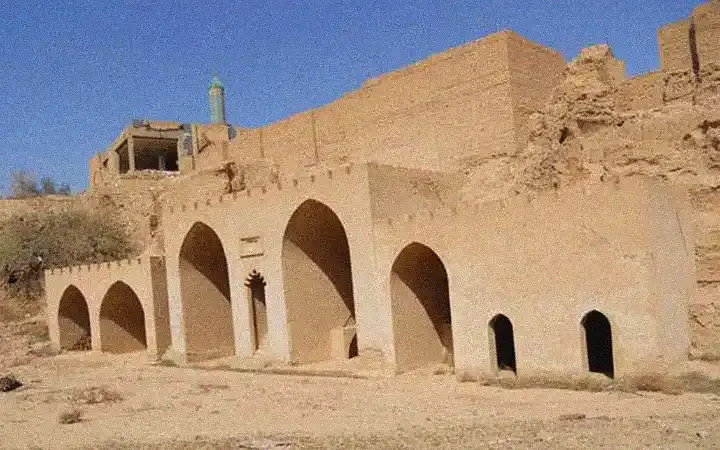
Historic fort in Tikrit
Christian Center and Green Church
In the Middle Ages, Tikrit emerged as an important Christian center in Mesopotamia. It was the seat of the Syriac Orthodox Patriarchate, one of the highest religious offices in the Eastern Church, and its bishop wielded religious influence that extended from Nineveh to Azerbaijan.
The Green Church, built in the seventh century, was the heart of this spiritual activity. Known for its architectural beauty and theological libraries, it became a platform for translation and intellectual debate at a time when sectarian conflict was raging in the region. It attracted thinkers and monks to the city, strengthening its role as a cultural, as well as a religious, center.
However, its golden age ended with the Mongol invasion in the thirteenth century, when the church was destroyed and its religious structures vandalized. Despite subsequent attempts to rebuild it, such as its restoration in 2000, it was again destroyed by ISIS in 2014, a significant loss to Iraq's Christian heritage. Despite the destruction, the church's memory remains alive, and many are calling for its restoration, not only as a religious landmark, but also as a symbol of the religious coexistence that characterized the city for long periods of its history.
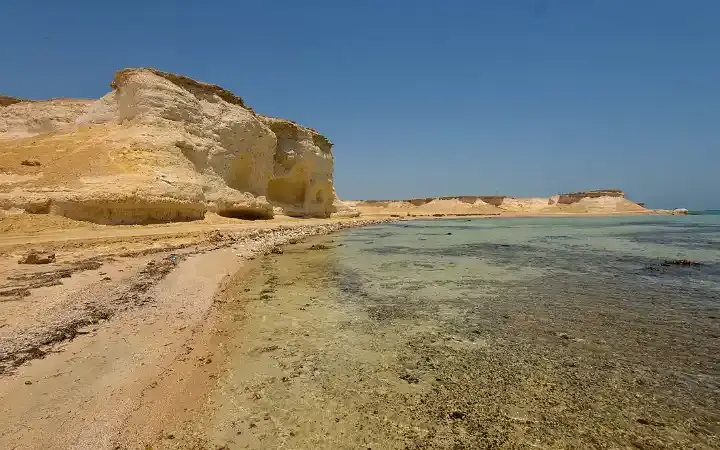
The Green Church in Tikrit
Saladin and the beginning of the legend
In 1137, Tikrit witnessed the birth of one of the most prominent figures in Islamic history: Saladin. This leader, who would later become known for liberating Jerusalem from the Crusaders, began his life in a military environment whose foundations were laid in Tikrit, where his father, Najm al-Din, was the governor of the city.
Saladin's childhood here was short, but it left a lasting impact on his character. He acquired the principles of courage and discipline that would later manifest in his major campaigns in Egypt and the Levant. Later, Tikrit would become a reference point associated with his name, so much so that the governorate to which the city belongs today is known as "Saladin Governorate."
Saladin left an unforgettable mark, not only on the military scene, but on Islamic culture as a whole. Tikrit thus marked the beginning of a long era of national and religious pride in the region. This legacy is still taught in schools and celebrated on special occasions, and his portraits adorn public buildings to commemorate him.
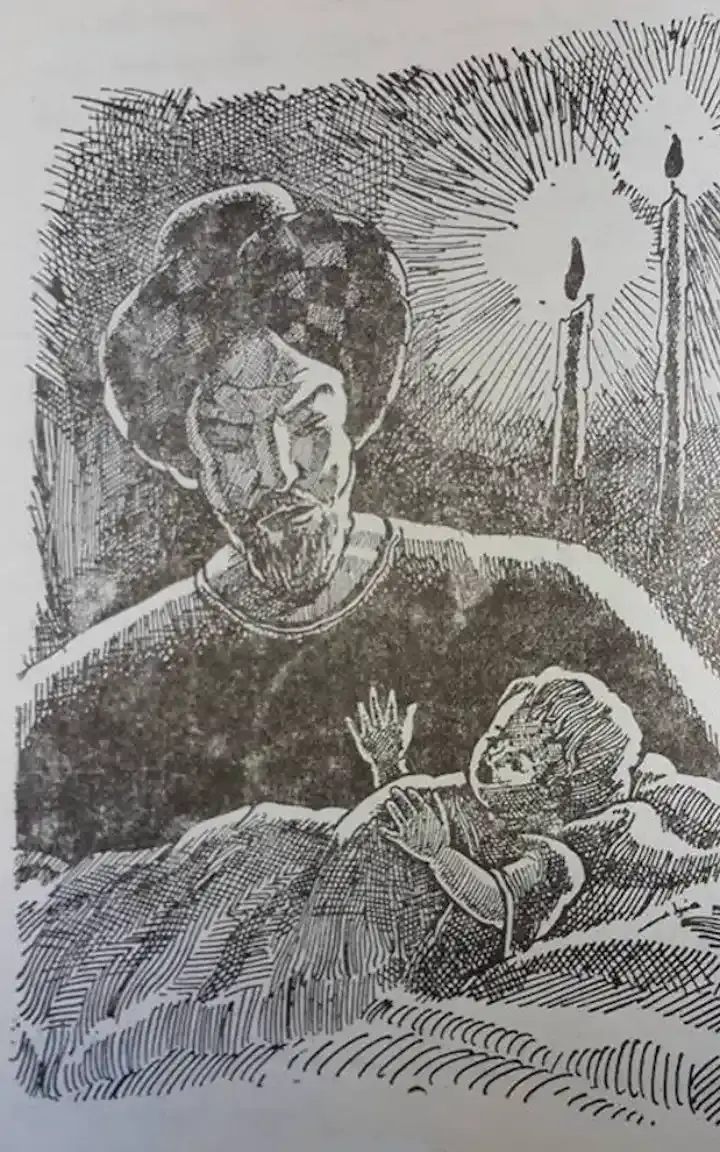
An imaginative drawing of Saladin's birth in Iraq
The Rise and Fall of Saddam Hussein
Tikrit, specifically the village of Al-Awja, witnessed the birth of another figure who influenced modern Iraqi history: Saddam Hussein, who was born in 1937. Saddam's name was so closely associated with Tikrit that his closest entourage was largely from his hometown.
During his rule, Tikrit received special attention, with the construction of huge palaces and service facilities. With the US invasion of Iraq in 2003, the city became a major stronghold of resistance and occupied a symbolic position in the military and political landscape. It was the last major city to fall to US forces, and Saddam himself was captured there in December 2003.
In the following years, the city faced successive crises, including the ISIS invasion in 2014, which led to the infamous Camp Speicher massacre. However, it was liberated in 2015 through the combined efforts of Iraqi forces and the Popular Mobilization Forces.
Today, the city bears a dual legacy: it is the cradle of a reign that lasted more than two decades, but it is also a symbol of resistance and rebirth. Authorities are currently trying to transform some sites associated with Saddam into national museums, in an attempt to understand the past without glorifying it.
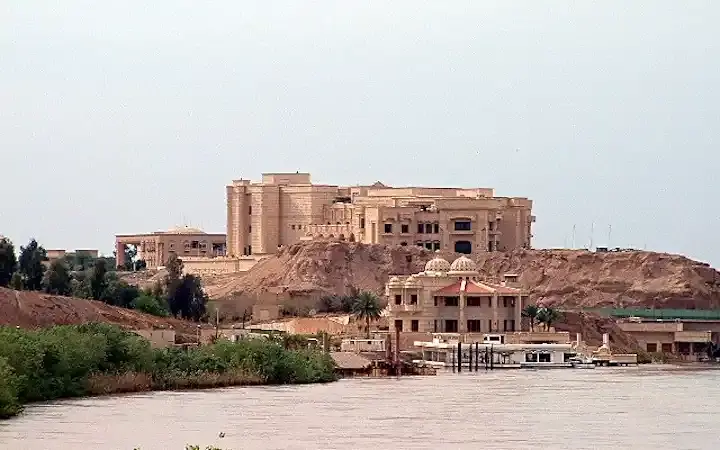
Saddam's Palace
Tikrit is no ordinary city. It is a living witness to the vicissitudes of Iraqi history, from ancient times to the modern state. From a small Assyrian fortress to the cradle of some of the most important figures in the Islamic world, from a diverse Christian center to a twenty-first-century battlefield.
Today, after years of war and destruction, Tikrit is trying to regain its status. It seeks to restore its monuments, revive its cultural and religious identity, and open itself to tourism and educational development. Its challenges may be great, but what distinguishes it is its historical ability to survive and rise, every time it is destroyed.
Tikrit is not just the city where Saladin and Saddam Hussein were born; it is a symbol of Iraq's diversity, its intertwined heritage, and the struggle of its people to live with dignity. It is the story of an unbreakable city.