What Is Eritrea Most Famous For?

Eritrea, located in the Horn of Africa on the Red Sea coast, stands out as a small country with a significant historical, geographical, and cultural presence. It gained independence from Ethiopia in 1993, following a 30-year liberation war. Despite its small size, Eritrea boasts a rich heritage and stunning natural diversity, ranging from the coastal highlands to the hot, desert plains of Danakil, to the sea estuaries and coastlines of the Dalak Islands.
عرض النقاط الرئيسية
- Eritrea, a small yet culturally and geographically rich nation in the Horn of Africa, gained independence from Ethiopia in 1993 after a 30-year liberation war.
- Asmara, the capital city known for its well-preserved Italian colonial architecture, was named a UNESCO World Heritage Site in 2017 for its unique blend of modernism and heritage.
- The Red Sea coast, including the Dalak Islands, offers untouched coral reefs, diverse marine life, and pristine diving spots, attracting ecotourism and marine explorers alike.
- ADVERTISEMENT
- Eritrea’s long history of colonial occupation and resistance, culminating in independence, is deeply embedded in its national identity and collective memory.
- Cultural richness thrives through Eritrea’s ethnic diversity, with nine major groups preserving their languages, traditions, and vibrant expressions in daily life.
- Coffee ceremonies in Eritrea represent more than tradition—they are heartfelt rituals symbolizing hospitality, community, and cultural pride.
- From urban artistry in Asmara to natural wonders along the Red Sea, Eritrea offers travelers a profound experience of resilience, beauty, and untold stories.
The capital, Asmara, was designated a UNESCO World Heritage City in 2017 in recognition of its modern urbanism, a blend of ancient Italian architecture and modern design. Asmara is a unique example of the influence of Italian colonialism in urban design, while preserving a deeply rooted local identity.
قراءة مقترحة
In this article, we will explore Eritrea's most famous landmarks: from its capital, which resembles an open-air museum, to its warm coastline and marine parks, and through its history of struggle that has shaped the identity of a people in the face of challenges.
Colonial Architecture in Asmara: A Capital Untouched by Time
Asmara, the capital of Eritrea, is known as "Africa's Little Rome" for its buildings that combine Italian colonial style, modernity, and artistic design. The city has been a World Heritage Site since 2017 and boasts more than 400 preserved buildings in the Art Deco, Rationalist, and Futurist styles.
Famous landmarks in Asmara include the unique Art Deco Cinema Impero, the iconic airplane-like Fiat Tagliero building, the neoclassical-inspired City Hall, and the grand Orthodox Cathedral.
The city is not a static museum, but rather alive with the spirit of a people who love architecture and art. Its shaded streets, old-fashioned Italian cafes, immaculate parks, and whitewashed buildings reflect the fragrance of history and the splendor of the present.
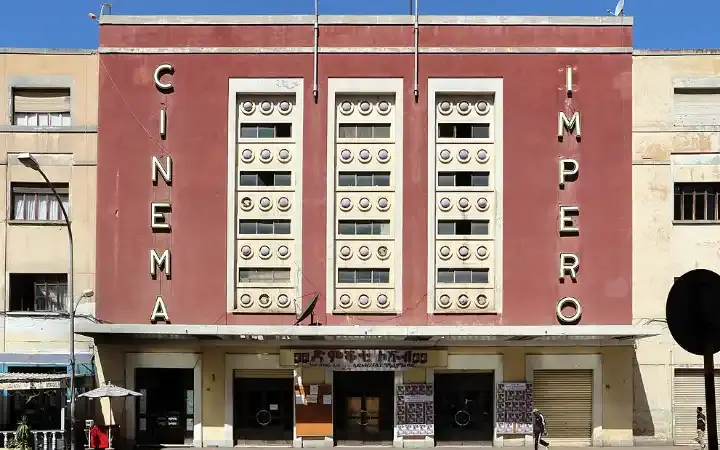
Cinema Impero: An architectural icon in Asmara
Red Sea coasts and Dalak Islands: a paradise for divers and wildlife
If you're a diving or sea lover, Eritrea's Red Sea coast is one of the most beautiful marine destinations. The country's coastline stretches over 1,200 kilometers and includes the Dalak Archipelago, which comprises more than 200 islands, home to coral reefs and a rich and diverse marine ecosystem. These islands are among the best diving and snorkeling spots in Africa.
The city of Massawa, known as the "Pearl of the Red Sea," is the gateway to this marine paradise. The city boasts Ottoman and Italian buildings, historic neighborhoods built from coral stone, as well as ancient mosques and monuments that reflect historical and cultural diversity.
Diving in Dalak is a unique experience, where you can see coral reefs, rare fish, and sea turtles in clear, clear waters. These coasts are considered among the most preserved and pristine marine environments and have attracted the attention of nature lovers and environmentalists from around the world.
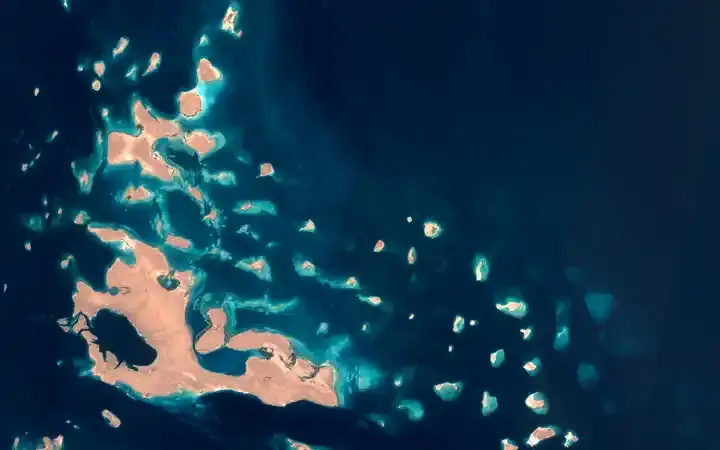
Dalak Islands: A Wonderful Marine World Under the Red Sea
A History of Struggle and National Identity: From Colonialism to Solid Independence
Eritrea is not just a modern state on the political map; it is a historical symbol of a long and complex resistance against foreign occupation and domination. For more than three decades, the Eritrean people waged a bitter struggle to liberate their land, beginning with the Italian occupation in the late 19th century, followed by British rule, and then the forced union with Ethiopia after World War II. However, 1961 marked the starting point of the war for independence, a war that lasted until 1991, when the Eritrean People's Liberation Front (EPLF) liberated the entire country. In 1993, a popular referendum was held, in which over 98% of the population voted for full independence.
This bitter history has become an integral part of Eritrea's national identity. Today, manifestations of the struggle are alive and well throughout the country, such as the Tank Graveyard on the outskirts of Asmara, which has become a symbol of resilience and national pride. The annual independence celebrations on May 24th each year embody the spirit of pride and belonging. Popular culture, from songs to plays, also recalls moments of struggle and preserves the memory of those who sacrificed their lives for freedom, making history a part of the daily life of every Eritrean.
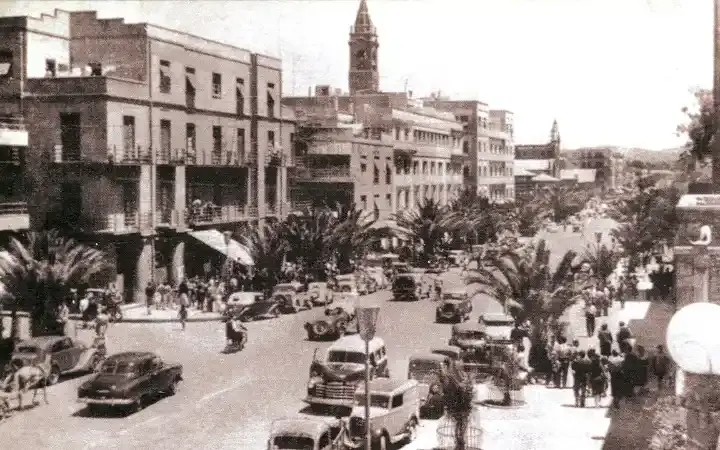
A view of Italian Asmara
A rich culture and ethnic diversity: Two cups of coffee and traditional poems
Eritrea is a multi-ethnic and multilingual country, comprising nine major ethnic groups, including the Tigrinya, Tigre, Saho, Belen, and Kunama tribes, among others. Each group maintains its own musical, economic, and religious customs.
The coffee ritual in Eritrea is more than just a drink; it is a symbol of hospitality and generosity. The beans are fermented directly in front of guests, boiled in a traditional "jebena" pot, and served on three levels amidst the scent of incense and social gatherings.
Eritrean cuisine is delicious and varied, centered on "injera" bread, which is eaten with spiced stews like tesbehe whebe, and on vegetarian dishes during religious periods of fasting. The cuisine has also been influenced by Italian influences, such as pasta, pizza, and espresso tea, which are abundant in Asmara.
Folk dances, ornate costumes, and handicrafts such as weaving and jewelry are all part of the rich cultural identity presented to tourists through local markets and annual festivals.
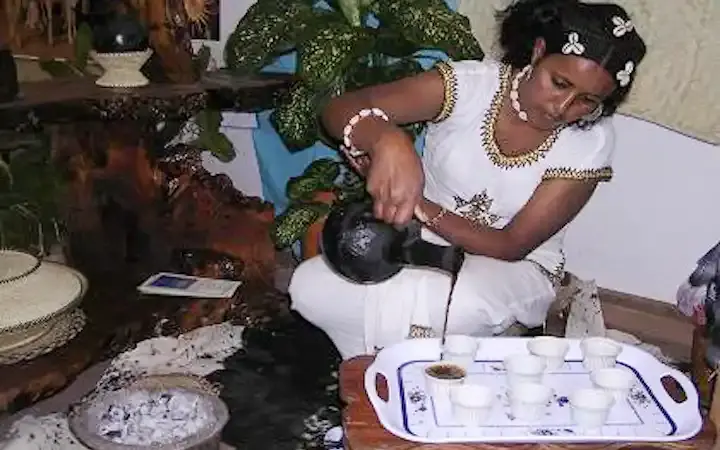
Eritrean coffee rituals reflect generosity and folklore.
Eritrea is not just a country in the Horn of Africa; it is a complete canvas of geographical excitement, historical challenges, and rich culture. From Asmara with its charming Italianate architecture, to the refreshing Red Sea coast and the popular Masawa, through the epic narrative of liberation that defined the nation's identity, to its cultural diversity and coffee and music seasons, this country carries a unique message.
It is a country where the issues of freedom and democracy remain unresolved, yet at the same time, it is a country of the ability to build, sustain, and innovate. The landscape of tranquil cities, well-maintained streets, traditional markets, and ethnic diversity makes Eritrea an unforgettable experience for any visitor seeking a different depth and a history that holds heroes and stories of a people who have not bowed.
Eritrea is a story of dignity, resilient souls, and a sky washed by the waters of the Red Sea. A country worthy of contemplating its details, listening to the pulse of its citizens, and exploring its beauty from the highlands to the coast, with all their senses.