From France to Italy: a culinary adventure through Corsica
ADVERTISEMENT
The Mediterranean island of Corsica serves as a bridge between the culinary worlds of France and Italy. With its unique history and diverse cultural influences, Corsica offers a culinary experience that combines the best of both worlds. This article takes you on a journey through Corsica's rich
ADVERTISEMENT
history, distinctive recipes, and its location as a gateway from French cuisine to Italian cuisine.
Introduction: Culinary Crossroads in Corsica
الصورة عبر natgeofe
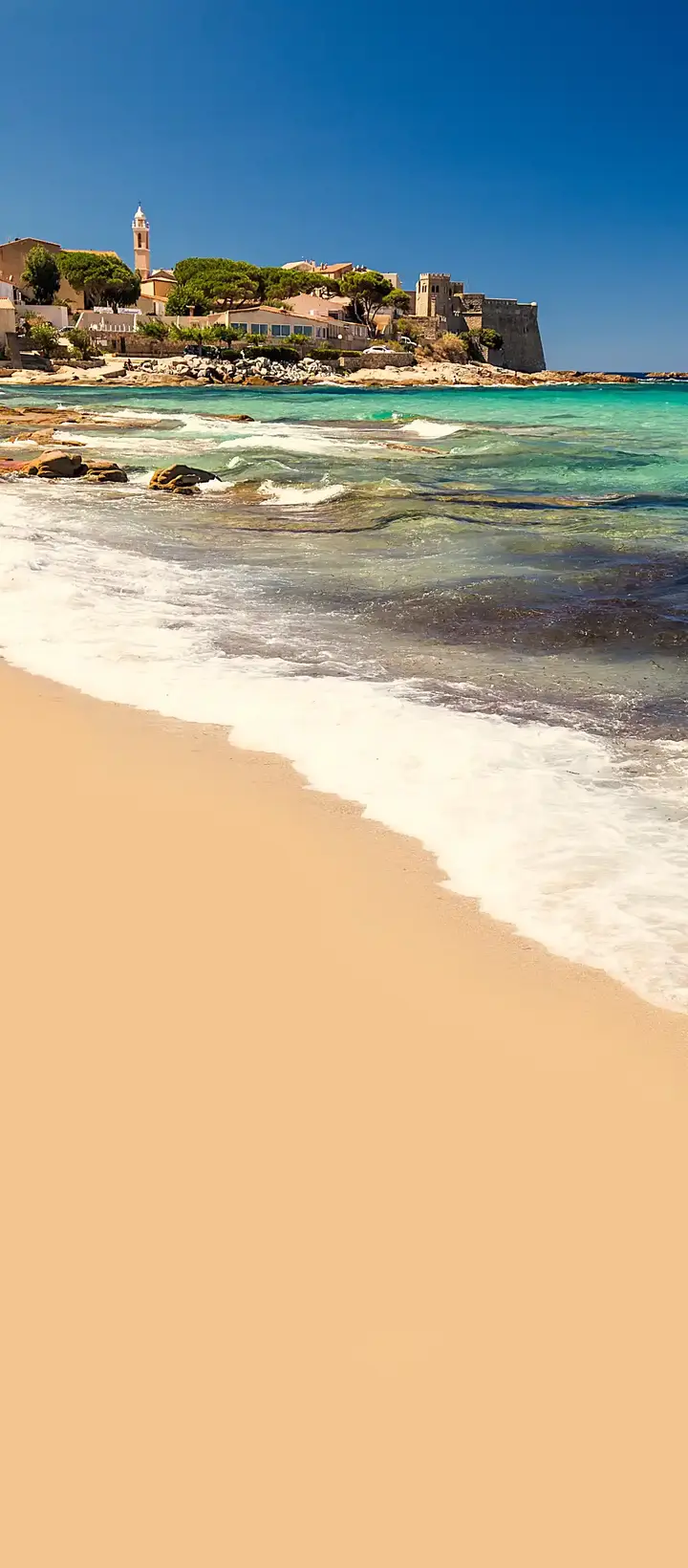
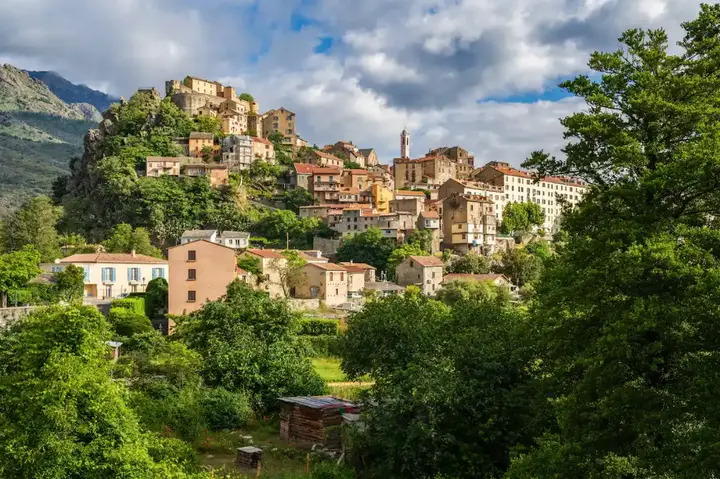
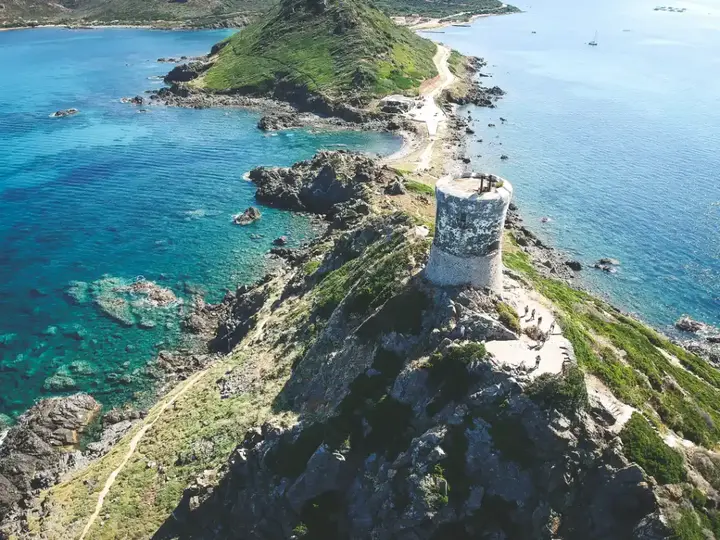
Located between the southern coast of France and the west coast of Italy, Corsica is a French region with its own culture and cuisine. Known as the "Island of Beauty (L'île de beauté)", Corsica was shaped by centuries of French and Italian influences, which are clearly reflected in its food. This journey explores Corsica's position as a culinary bridge between these two culinary traditions, offering a blend of flavors, ingredients and techniques as unique as the island itself.
ADVERTISEMENT
1. Historical texture of Corsica
الصورة عبر unsplash
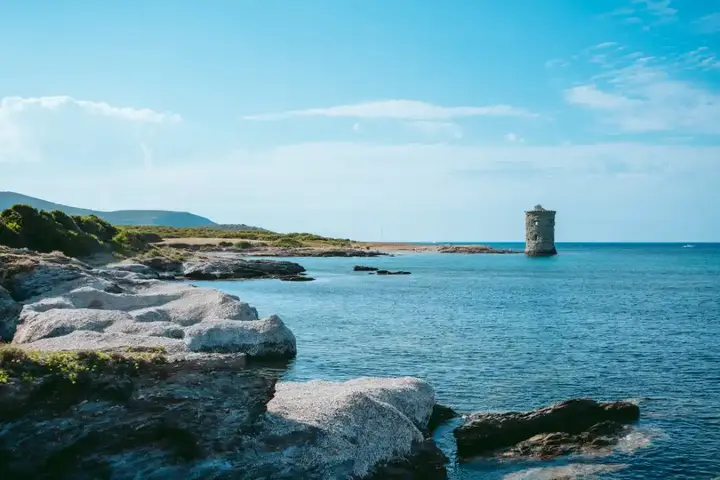
The history of Corsica is a tale of conquest and cultural mixing. The Genoese ruled the island for centuries before it became part of France in 1768. This Genoese influence is still strongly felt in Corsican culture, language and cuisine. Corsica's strategic location in the Mediterranean Sea has made it a melting pot of different cultures, including Greek, Roman and Moroccan, each of which has left its mark on the island's culinary landscape. Understanding this history is fundamental to appreciate the fusion of French and Italian culinary traditions in Corsica.
2. French culinary effect
الصورة عبر medium
As a French region, Corsica naturally shares some commonalities with mainland French cuisine. French cooking techniques permeated Corsican cuisine, such as focusing on sauces and using butter. Classic French dishes such as vintage chicken and fish soup find their counterparts in Corsican recipes, albeit with local touches. For example, wild boar soup (civet de sanglier), is a Corsican specialty that reflects the French love for rich and delicious soups but with the strong flavors of the island's wild herbs.
ADVERTISEMENT
3. Italian Link
الصورة عبر Wikimedia Commons
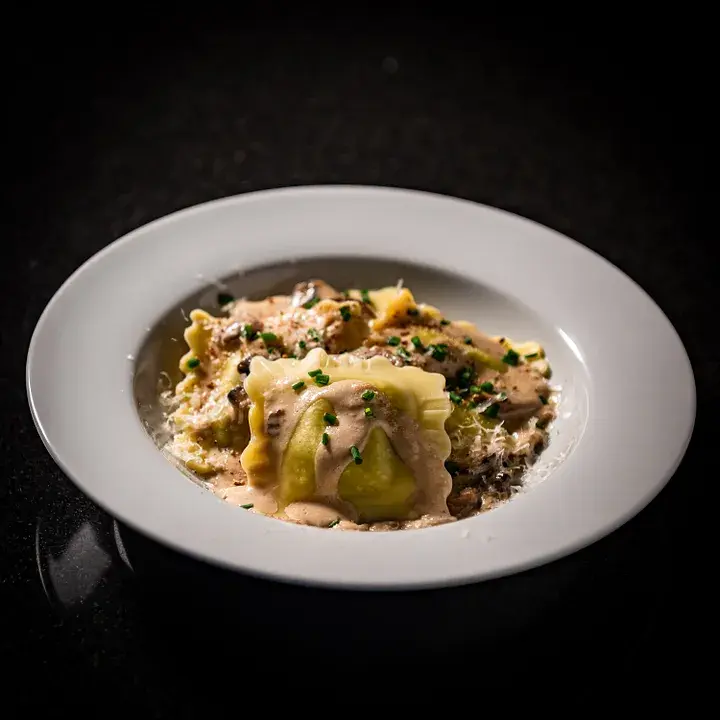
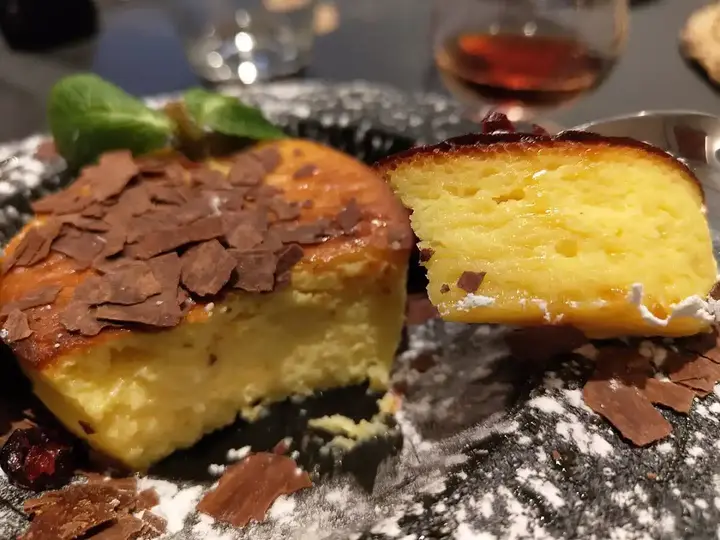
Corsica's proximity to Italy, especially Tuscany and Liguria, has greatly influenced its cuisine. Italian items such as olive oil, garlic, tomatoes and pasta are staples in Corsican kitchens. Genoa's legacy is particularly strong, with dishes such as stuffed pastries (panzarotti) and a type of fiadone cheesecake made with brocciu, a Corsican cheese, showcasing Italian techniques with a local twist. Corsica's pasta dishes, such as chestnut porridge (pulenda), are reminiscent of Italian culinary traditions.
4. Unique Corsican ingredients
الصورة عبر Wikimedia Commons
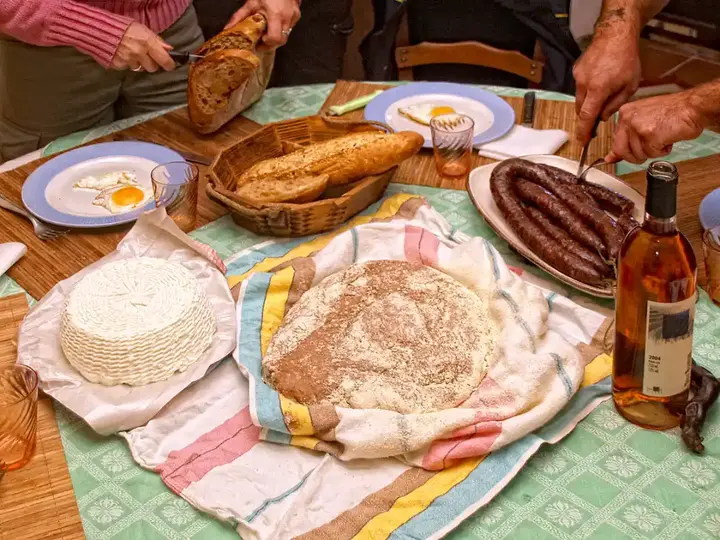
Corsica's rugged terrain and mild Mediterranean climate produce an abundance of unique ingredients that define its cuisine. The island is famous for chestnuts, which are used in a variety of dishes, from soups to desserts. Corsican cold cuts, especially liver sausages (figatellu), are also other local specialties, which are often smoked and enjoyed with rustic bread. Island cheeses, especially broccio, are also essential in many Corsican dishes, from delicious pies to sweet pastries. Corsican cuisine also characterizes the use of wild herbs such as thyme, rosemary and myrtle, which grow in abundance on the island.
ADVERTISEMENT
5. Fusion of flavors
الصورة عبر Wikimedia Commons
What makes Corsican cuisine truly special is the way it fuses French and Italian influences with local ingredients and traditions. Stuvatu, a slow-cooked meat soup that combines French slow cooking techniques, Italian spices and Corsican ingredients such as wild boar or lamb. The result is a rich, tasty and clearly corsican dish. Similarly, island sweets often blend French pastry techniques with Italian flavors, as in the case of canistrelli, a type of biscuit flavored with anise or lemon.
6. The commonalities between French and Italian cuisine
الصورة عبر thethinkingtraveller
Despite their distinction, French and Italian cuisine share common culinary roots, especially in areas near Corsica, such as the regions of Provence and Liguria. Both cuisines emphasize the use of fresh, local ingredients with deep respect for tradition. Corsica, with its mixed heritage, embodies this shared culinary spirit. Island cuisine is a testament to how these two great culinary traditions come together to create something completely new but deeply rooted in history.
ADVERTISEMENT
7. Corsican dishes to try
الصورة عبر Wikimedia Commons
To truly appreciate Corsica as a culinary gateway between France and Italy, one must try its famous dishes. You can start with a wild boar soup that embodies the cruel island spirit (civet de sanglier), and then. Try out the Corsican cheesecake (fiadone) that is lighter and sharper than its Italian counterpart. You should also not miss the Corsica version of fish soup (aziminu, bouillabaisse), or chestnut flour (pulenda), which reflects the island's love for strong rustic flavours. These dishes can be paired with a glass of Corsican wine, such as "Patrimonio" or "Ajaccio", to fully enjoy the island's culinary treasures.
Conclusion: Corsica - a gateway to culinary exploration
ADVERTISEMENT
الصورة عبر Wikimedia Commons
Corsica is more than just a geographical bridge between France and Italy; it is a culinary crossroads where the best of both worlds come together in a harmonious combination. The island's cuisine reflects its complex history and diverse influences, providing a unique gastronomic experience that is familiar and new at the same time. Whether you're a fan of French sophistication or Italian minimalism, Corsica invites you to explore and enjoy a culinary adventure that celebrates and enjoys the rich texture of Mediterranean flavours.
This journey, through Corsica's culinary landscape, not only highlights the island's unique recipes, but also serves as a delicious gateway from French to Italian cuisine, offering a taste of the best of both worlds.
Jamal Al Masri
ADVERTISEMENT
Hidden Gems: Exploring the World's Most Beautiful Unknown Places
ADVERTISEMENT
In a world that seems to have every inch explored and documented, there are still hidden places waiting for brave travelers to discover them. These hidden destinations, located far from usual travel paths, offer us a rare opportunity to connect with the world in a deeper and more honest way.
ADVERTISEMENT
By exploring these unknown places, we discover not only the untouched beauty of nature and new cultures but also new aspects of ourselves.
Traveling to these destinations is not just a trip; it's an adventure of challenge and excitement. It requires courage to step out of the ordinary and a desire to experience the new and unknown. Yet, the rewards that await far outweigh the risks. The unknown places promise unforgettable experiences and tales told only by those who dare to travel far.
ADVERTISEMENT
In this article, we'll take you on an exploratory journey to discover some of the world's most beautiful hidden destinations.
Hidden Destinations Around the World
Image from unsplash
On every continent and in every country, there are places yet to be discovered or that haven't received the recognition they deserve. These places, what we call “hidden gems,” promise unique and unprecedented experiences for travelers seeking the new. From remote beaches with white sands and crystal-clear turquoise waters to mountain villages preserving old customs, these destinations offer an escape from daily life's hustle and a chance to connect with nature and authentic cultures.
In this section of the article, we'll take you around some of these hidden treasures. We'll reveal deserted beaches, green valleys, and untouched archaeological sites, all waiting for those seeking true beauty and authentic experiences.
ADVERTISEMENT
List of 11 Hidden Destinations
1. The Blue Lake in Jiuzhaigou National Park, China: A crystal-clear lake 1,375 meters long, nestled between the Min Mountains near the Tibetan Plateau.
2. Haiku Stairs in Oahu, Hawaii: Known as the "Stairway to Heaven," it consists of 3,922 steps leading to a breathtaking view.
3. Enchanted River in Hinatuan, Surigao del Sur, Philippines: A magical river hidden behind rock mountains, offering a unique diving experience.
4. The Crooked Forest in Szczecin, Poland: Contains about 400 pine trees growing at a 90-degree angle from the root.
5. Apostle Islands in Wisconsin, USA: An archipelago featuring walls of sandstone formed by nature.
6. Salar de Uyuni (Salar de Tunupa) in Bolivia: The world's largest salt flat, offering stunning landscapes.
ADVERTISEMENT
7. The Aquarium in Rangiroa, French Polynesia: A prime diving site surrounded by natural coral reefs and tropical fish.
8. Svalbard between Norway and the Arctic: A remote area offering a unique experience of observing polar nature.
9. Valley of the Kings, Egypt: An archaeological site housing pharaohs' tombs, famous for the curse of Tutankhamun.
10. Praia de Adraga Beach in Portugal: Known as one of the most beautiful beaches in the world, featuring towering rocks and clear blue waters. Located in the Algarve region, it is considered a haven for those seeking tranquility and natural beauty.
11. Gur-e-Amir Mausoleum, Uzbekistan: Contains the tomb of the Mongol conqueror, said to be the source of a historical curse.
ADVERTISEMENT
Unknown Places in the Heart of Cities
Image from unsplash
When we think of cities, skyscrapers and bustling streets often come to mind. However, even in the busiest cities, there are hidden corners waiting to be discovered. These small, quiet places can be a refuge for the soul, where visitors can escape the noise of modern life and find moments of peace. These places might be secret gardens, historical alleys, or even small cafes offering a unique experience away from the public eye.
List of Unknown Places Worth Visiting Inside Cities and Urban Areas Worldwide:
1. Sultan Hassan Mosque and Madrasa in Cairo, Egypt: Considered an architectural masterpiece, dubbed the jewel of Islamic architecture.
ADVERTISEMENT
2. Ishigaki Island in Japan: The main island and urban center of the Yaeyama Islands, known for its unique culture.
3. Kapa'a City in Hawaii: A small city offering a unique experience of raw nature and water sports.
4. Nairobi City in Kenya: The Kenyan capital that evolved from a British colony into a tourist destination.
5. Cihangir, Istanbul: A historical neighborhood known for its old buildings and colorful alleyways surrounded by picturesque green spaces.
6. Imlil, Marrakech: Known as the gateway to adventures towards Toubkal, the highest peak in North Africa. Imlil is characterized by its enchanting natural scenery, the hospitality of its local inhabitants, and unique opportunities to stay in traditional guesthouses and enjoy delicious local cuisine.
ADVERTISEMENT
7. Plateau Lalla Setti Tlemcen, Algeria: An ancient city known for its captivating nature, unique beauty, and rich history as the capital of the central Maghreb kingdoms. Plateau Lalla Setti is one of Tlemcen's natural jewels, Algeria. It's famous for its stunning views overlooking the city and surrounding hills, making it an ideal place for hiking and enjoying fresh air and the beauty of nature.
8. Sidi Bou Said in Tunisia: Known as one of the most beautiful places in Tunisia, featuring distinctive white and blue buildings and cobblestone streets. Located on a hill overlooking the Mediterranean Sea, it's an ideal spot for artists, photographers, and those seeking peace and inspiration.
9. St. Clement Basilica, Rome: A historical church among over 900 churches in Rome, offering a unique visitor experience.
ADVERTISEMENT
Image from unsplash
At the end of our amazing journey through hidden destinations around the world, we hope to have inspired you to seek the beauty that lies beyond the known horizon. Every trip to these enchanting places is an opportunity to rediscover the world from a new perspective and to refresh the spirit with adventure and discovery.
Traveling to hidden destinations is not just about the places we visit, but about the stories we bring back and the memories that stay with us forever. It's an invitation to connect with cultures untouched by commerce and mass tourism, and to deepen our understanding of human nature and the world we live in.
We hope you have found in this article a source of inspiration to get out and explore the world with open eyes and brave hearts. Each of us has a unique story that can only be told when we dare to leave safety and comfort behind and step into the unknown.
ADVERTISEMENT
In the end, the world is full of secrets and wonders waiting to be discovered by those who search for them with an open heart and adventurous spirit. So, pack your bags, and get ready for an unforgettable journey to the hidden destinations awaiting your discovery. Remember, the journey is the destination itself.
Oskar Reinhardt
ADVERTISEMENT
Snowbound in Japan’s Beautiful Highlands: History, Geography, and the Future of Ski Tourism
ADVERTISEMENT
Japan, a country of stunning natural contrasts, is famous not only for its cherry blossoms and vibrant cities, but also for its snow-covered highlands. Its mountainous geography and heavy winter snowfall have made it one of the world's top destinations for skiing and ski tourism. This article explores the historical,
ADVERTISEMENT
geographical, and economic significance of ski culture in Japan—from its origins to its global standing today and into the future.
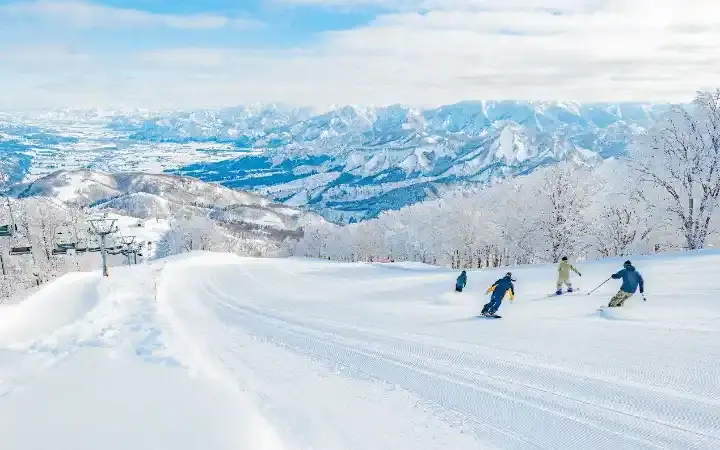
from www.japan.travel غطاء ثلج كامل على الأشجار والقمم في منتجع غالا يوزاوا في نيغاتا- اليابان
1. Geography and Landscape of Japan.
A Geographical Overview of Japan.
Japan is an island nation located in East Asia, consisting of four main islands: Honshu, Hokkaido, Kyushu, and Shikoku, along with more than 6,800 smaller islands. Mountains cover approximately 73% of Japan's land area, making it ideal for winter sports. The Japan Alps, which stretch across central Honshu, and the mountains of Hokkaido, are particularly important for snow tourism.
ADVERTISEMENT
Climatic Zones in Japan.
Japan is divided into six major climatic zones. The Sea of Japan region of Honshu and Hokkaido experiences heavy snowfall due to the Siberian monsoon, which brings moisture from the Sea of Japan. This mountainous snowfall phenomenon produces powder snow highly prized by skiers.
Statistical Data About Japan:
• Annual snowfall in areas such as Yamagata and Niigata can exceed 1,200 cm (472 inches).
• Japan has more than 500 ski resorts, more than any other country in Asia (Japan Tourism Agency, 2023).
2. Mountainous Regions in Japan.
Main Mountain Ranges.
• Japan Alps (Northern, Central, and Southern Alps):Includes popular resorts such as Hakuba.
from medium.com جبال الألب اليابانية
• Mount Fuji:Symbolically important, but with limited skiing infrastructure.
ADVERTISEMENT
• Hokkaido Mountains:Includes Niseko and Furano, known for their high-quality powder snow.
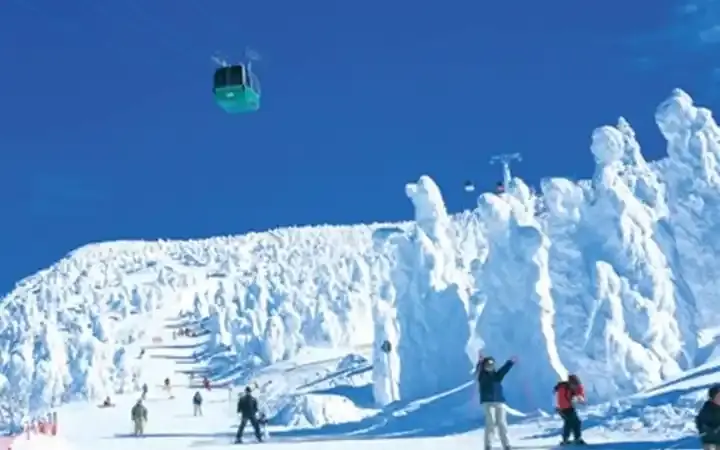
• Tohoku Region:Characterized by dense snow and uncrowded slopes in places such as Zao and Abikojin.
Volcanic Influence.
Japan's mountains are often volcanic, contributing to the formation of natural hot springs (onsen) that promote ski tourism. The presence of active volcanoes has also led to the emergence of unique landscapes and geothermal tourism.
3. History of Skiing in Japan.
Early Beginnings.
Skiing was introduced to Japan in 1911 by Austrian Major Theodor von Lerch, who was teaching the army in Niigata Prefecture. Initially adopted by the Japanese military, skiing gained popularity among civilians by the 1920s.
ADVERTISEMENT
Postwar Expansion.
After World War II, skiing's popularity increased as the Japanese economy boomed. The 1960s and 1980s saw rapid development of ski resorts, and ski culture became prevalent.
Nagano Olympics (1998).
Hosting the 1998 Winter Olympics in Nagano was a turning point, showcasing Japan's resorts to an international audience and ushering in a qualitative shift in infrastructure.
Fact: More than 2,000 athletes from 72 countries participated, and the event cost over $10 billion, a portion of which was allocated to modernizing ski facilities (IOC, 1998).
4. Famous Ski Resorts in Japan
Niseko (Hokkaido).
World-renowned for its soft snow and environmentally friendly facilities. Niseko United consists of four interconnected resorts, receiving over 15 meters of snow annually.
ADVERTISEMENT
Hakuba Valley (Nagano).
Hakuba, a major Olympic site, is a major hub for the Games, boasting 10 resorts and extensive mountain terrain. It is an ideal destination for both backcountry and international visitors.
Furano (Hokkaido).
Combines family-friendly slopes with competitive training courses. Furano is known for its high-quality snow and long seasons.
Nozawa Onsen and Myoko Kogen (Nagano and Niigata).
Traditional villages with a rich culture and abundant snow cover. These resorts attract skiers seeking authenticity and relaxation in hot springs.
from www.japan.travel منتجع أونسن في منطقة ياماغاتا- اليابان
5. Snow and Ski Tourism in Japan.
Ski tourism in Japan combines sports, culture, and wellness. Most resorts offer onsen, traditional inns (ryokan), traditional inns (ryokan), and local cuisine. Skiing is not just a sport, but part of a broader tourism experience.
ADVERTISEMENT
Visitor and Revenue Statistics.
• Before the COVID-19 pandemic (2019): More than 2.6 million international ski tourists visited Japan (Japan Tourism Agency, 2019). Niseko alone welcomed more than 250,000 foreign visitors annually (Hokkaido Government, 2018).
• Inbound ski tourism generated approximately 434 billion yen (US$3.9 billion) in 2019.
Market Recovery and Trends.
While the COVID-19 pandemic has disrupted tourism, data for 2023-2024 shows a strong recovery:
· 2024 saw 1.9 million international ski tourists visit (Japan National Tourism Organization, 2024).
· Resorts are increasingly targeting customers from Southeast Asia and Australia, with direct flights to Hokkaido and Nagano on the rise.
ADVERTISEMENT
6. Comparison with International Ski Resorts.
Advantages.
• Snow Quality:Japan offers some of the lightest and driest powder snow in the world.
• Cultural Integration:Onsen springs, food, and service offer a distinct après-ski experience.
• Affordability:Lift tickets are cheaper than those in Europe or North America—4,000-6,000 yen (US$25-40) per day, compared to over US$100 in Colorado or the Alps.
Challenges.
• Dilapidated Infrastructure:Many resorts were built during the economic bubble (1980s) and need updating.
• Language Barriers:Despite improvements, English signage and instructions may not meet Western standards.
Global Rankings.
Niseko and Hakuba appear frequently in international rankings:
ADVERTISEMENT
• Niseko was ranked third in the world by Powderhounds (2024).
• Japan ranks second in the world in the number of ski resorts (after the United States), but eighth in the number of skier visits (Ski Industry Report, 2023).
7. Japan's Ski Economy.
Sources of Income.
• Lift tickets:Over 200 billion yen annually.
• Hospitality sector:Hotels and resorts contribute 130 billion yen.
• Retail and rental sector:Ski equipment rentals and sales add another 50 billion yen.
• Foreign investment:Australian, Chinese, and Singaporean companies have invested heavily in areas such as Niseko and Myoko.
Employment.
The ski sector directly employs over 50,000 people, with seasonal jobs rising sharply during the winter months.
ADVERTISEMENT
Government Support.
To revitalize deteriorating rural areas, the government provides subsidies to support ski tourism:
• 30 billion yen has been allocated in 2023 for tourism-related infrastructure (Ministry of Land, Infrastructure, Transport and Tourism).
8. The Future of Ski Tourism in Japan.
Climate Change Concerns.
Rising temperatures threaten the reliability of snow, especially in low-lying areas. Hokkaido and higher-elevation resorts are likely to remain viable the longest.
• Japan's average winter temperature has risen by 1.3°C since 1950.
• Some lower-lying resorts in the Tohoku and Chubu regions have closed or shortened their seasons.
Sustainability Efforts.
• Resorts are adopting snow-making technologies, despite their high cost and energy-intensive nature.
ADVERTISEMENT
• Ecotourism and green certifications are emerging, with resorts such as Hakuba launching carbon neutrality initiatives.
Market Outlook.
• Domestic interest is declining due to Japan's aging population.
• Future growth depends on international tourism, particularly from Australia, Taiwan, China, and Southeast Asia.
• Japan aims to double ski-related inbound tourism by 2030 (Tourism Strategy White Paper, 2024).
Conclusion:
Japan's highlands offer not only a snowy paradise for skiers, but also a tapestry of cultural richness, natural beauty, and economic potential. From the snowy peaks of Niseko to the historic trails of Nozawa Onsen, skiing in Japan is a journey through terrain and tradition. As Japan faces climate change and demographic challenges, strategic investments in sustainability and global connectivity can ensure its slopes continue to enchant generations to come.