The goal of learning a musical instrument: how long until our children can play a song?

Learning to play a musical instrument can be rewarding and enriching for both children and adults. This article highlights how learning an instrument supports a child’s personal development, emphasizing internal motivation and perseverance rather than external approval or showing off talent. Let’s start with the benefits of learning to play.
Show key points
- Learning to play a musical instrument significantly supports children's personal development by enhancing internal motivation and perseverance.
- Playing an instrument aids cognitive growth, boosting memory, concentration, and problem-solving skills through consistent practice.
- Musical training fosters creativity and individuality, allowing learners to explore and express their unique artistic voices.
- ADVERTISEMENT
- Children gain social confidence and collaborative skills by performing and interacting with other musicians.
- Developing musical abilities requires discipline, emotional regulation, and stress resilience, which builds strong foundational life skills.
- A child's motivation to learn music should ideally stem from a genuine appreciation for the art rather than external rewards or validation.
- Mastery of a musical instrument reflects not only skill but also personal culture, emotional depth, and life experience.
Benefits of learning to play a musical instrument:
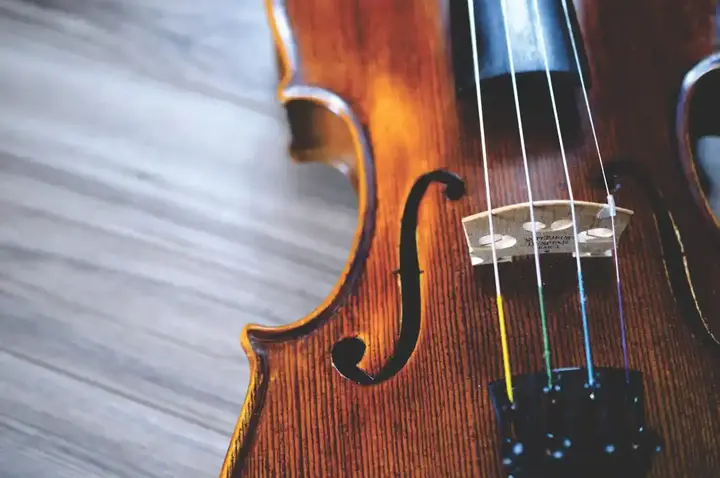
Whichever instrument your child learns, here are some of the benefits you can expect from practicing this rewarding hobby:
1. Improve cognitive function: Learning to play a musical instrument requires concentration, attention, and memory, all of which help cognitive development. Research shows that playing an instrument can lead to better problem solving, language development, and spatial and temporal skills.
Recommend
2. Encourage creativity: Playing an instrument can stimulate creativity and motivate a child to explore new musical ideas. It also helps develop a personal style and a more effective means of self-expression.
3. Enhance social skills: Playing music can be a social activity that enables communication with other musicians and collaboration on projects. It builds confidence and improves communication, especially when performing in front of an audience.
4. Reduce stress: Playing an instrument is a great way to relax after a long day of work or study. It can lower stress levels, reduce blood pressure, and improve overall health.
5. Promote discipline: Learning an instrument requires patience, perseverance, and regular practice. It helps develop discipline and time-management skills that apply to other areas of life.
6. Improve coordination between the senses: Playing an instrument requires coordination among the hands, eyes, and sometimes the feet, which enhances fine motor skills and dexterity.
7. Boost self-esteem: Learning an instrument can be challenging but rewarding. As a child progresses and improves, they gain a sense of accomplishment and pride in their abilities, which raises self-esteem.
8. Create a sense of achievement: Playing an instrument can be a satisfying hobby that brings joy and purpose. It provides a meaningful sense of achievement.
Internal motivation and external appreciation:
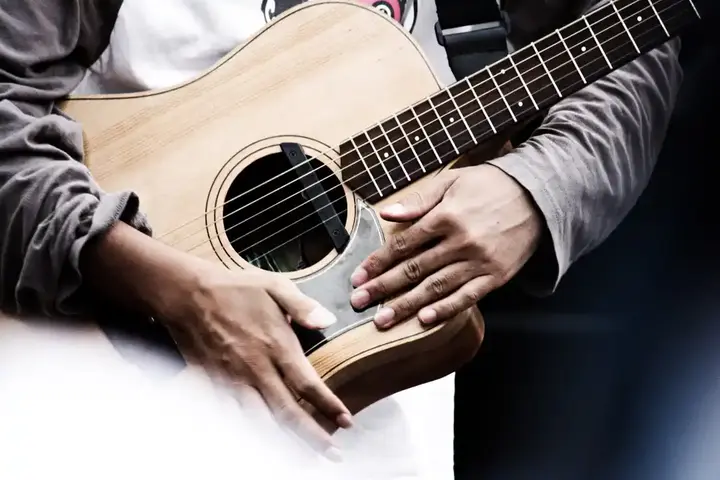
Many parents have reasons for wanting their children to learn an instrument. Common reasons include:
1. Imitation: Because many children study music, parents may encourage their own children to follow suit to avoid them falling behind.
2. Scholarships and school admission: Learning an instrument can help secure scholarships and admission to better schools.
3. Improve quality of life: Learning an instrument can enhance the overall quality of a child’s life.
The third reason above is the most directly related to a child’s development. However, the desire to display a child’s talent often becomes an added motive. It’s not wrong for parents to want to show their child’s abilities; opportunities to perform can be valuable learning experiences. What matters most is the mindset behind the effort. What is your initial motivation? What about the child’s mindset? Does the child play to win admiration, or to share the beauty of music? Most of the reasons listed above are focused on external validation.
Who is the real artist?
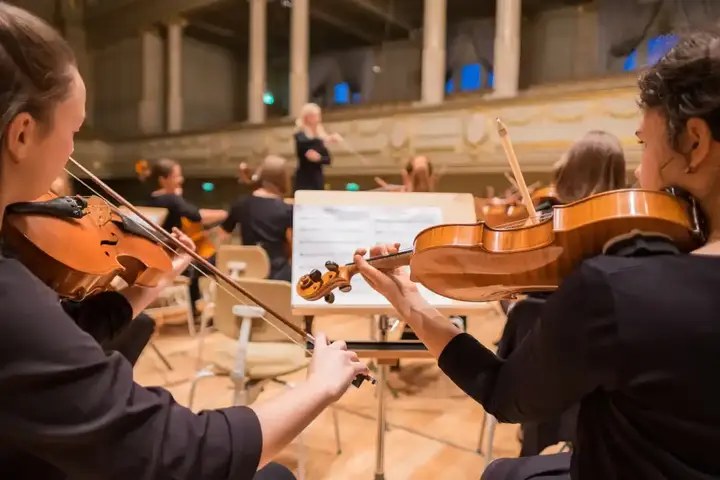
Playing any instrument well requires a large investment of time, energy, and often money, and the process can be intimidating. Basic practice alone often takes at least an hour a day—covering rhythm, technical exercises, and more—not to mention time spent on music study. In addition, an understanding of music history, broader history, music theory, and related arts is important. At a higher level, the quality of your performance reflects not only technical skill or the instrument but also your personal culture and life experience. Becoming a professional musician is very difficult. The masters admired by the public are the sum of these elements, and one’s life experiences eventually show through in the art.
Stress management and resilience:
When children face difficulty, they may give up because it’s no longer fun. When challenges outweigh enjoyment, they stop trying. Emotions all matter, and when one emotion dominates, we lose balance. Children need some resilience and emotional regulation to handle life’s challenges as they grow. We hope for happy development, but seeking only immediate comfort is not a good approach. If children fear difficulty or give up too soon, they repeatedly miss chances to form good learning habits. This can delay them at a critical stage for developing constructive habits and study methods.
Learning to play a musical instrument offers many benefits beyond simply enjoying music. It can improve cognitive function, encourage creativity and social skills, reduce stress, promote discipline, enhance coordination, boost self-esteem, and provide a sense of accomplishment. Whether you’re a beginner or an experienced musician, learning an instrument is a worthwhile investment for yourself, your child, and your future.