Beware: Uncover the 9 most dangerous beaches in the world
Summer is beach season, and if you, like most of us, plan to head to the shore to cool off, beware: danger can lurk beneath the surface at many popular destinations.
Show key points
- New Smyrna Beach in Florida is infamous for having the highest number of shark attacks globally, particularly from aggressive bull sharks.
- Bikini Atoll Beach in the Marshall Islands remains dangerously radioactive due to nuclear bomb testing conducted by the U.S. in the 1940s and 1950s.
- Playa Zebolite in Mexico is known for its deadly rip currents that claim around 50 lives annually, earning it the nickname "beach of the dead."
- ADVERTISEMENT
- Fraser Island Beach in Australia poses multiple threats including deadly jellyfish, dingo attacks, shark-infested waters, and lack of medical services.
- Despite its scenic views, Chopatti Beach in India suffers from extreme water pollution, with fecal bacteria levels far above safe limits.
- Manaus Beach in Brazil may be visually stunning, but it’s home to dangerous wildlife and plagued by high crime rates, including homicides and theft.
- Lamu Island Beach in Kenya is rarely visited anymore due to threats from Somali pirates and terrorist groups operating in the nearby waters.
Check out this list of the world’s most dangerous beaches and keep your family safe during the summer holidays. From cobras gliding between beach chairs to lions roaming the dunes and crocodiles swimming in the surf, these are some truly terrifying shores.
New Smyrna Beach, Florida
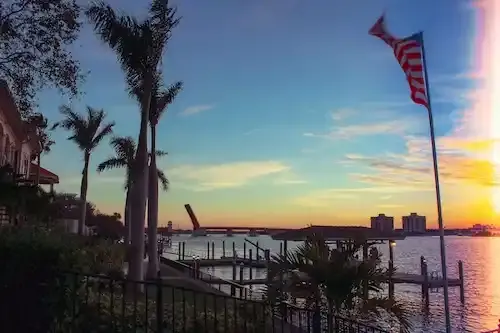
If you have a fear of sharks, you won’t want to visit New Smyrna Beach. This beach has seen eight shark attacks that resulted in deaths over the past five years. The most common offenders here are bull sharks, which can swim and hunt in fresh water. New Smyrna Beach in Volusia County recorded more confirmed shark bites than any other region in the world in 2007. In 2008 it topped its previous record with a staggering 24 bites.
Recommend
If you can look past the danger, you’ll find many recreational opportunities on the beach, including fishing, sailing, motorboating, golf, and hiking. It’s also rated as one of the best surfing cities by National Geographic. Whether you want to enjoy all that while sharing the water with a 290-pound animal with a bite force of up to 5914 N is up to you.
Bikini Atoll, Marshall Islands
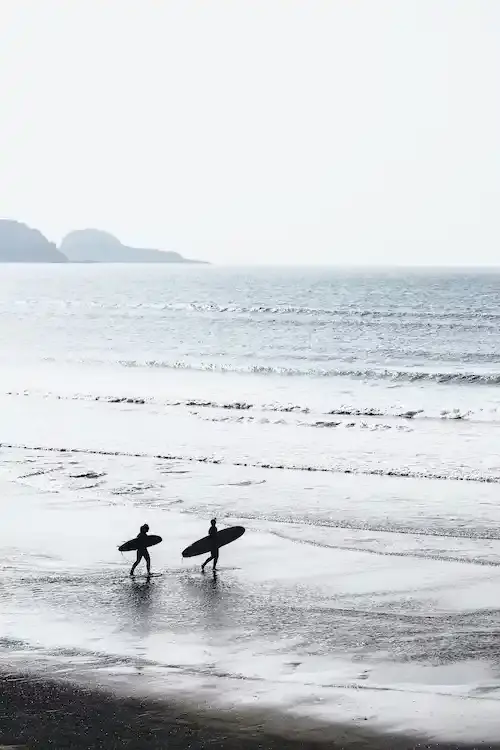
This is not a beach to add to your wish list—and that isn’t because it isn’t beautiful. The deserted shore sits almost on the equator and was the site of more than 23 nuclear tests carried out by the United States at seven test sites on coral reefs in the 1940s and 1950s.
Visitors may board ships only with prior approval and by paying for a diver and two local government council representatives to accompany them. If that doesn’t sit right with you and you don’t want to sunbathe amid nuclear waste and radiation, it’s best to find another beach.
Zipolite Beach, Mexico
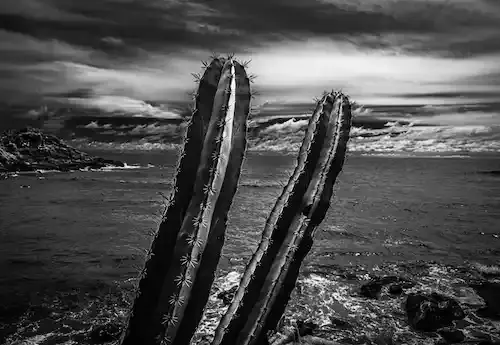
Locals actually call this place the “beach of the dead,” and there’s good reason for that. Although the beach is popular and close to many attractive resorts, it is also considered the deadliest beach in Mexico, pulling around 50 swimmers to it every year because of its strong currents.
Swimming here is not recommended. Watching from shore may be a safer option, and that’s perhaps why the beach remains popular with tourists who stay in one of the many guesthouses lining the sand—after all, it’s the first and only legal public beach in Mexico.
Fraser Island, Australia
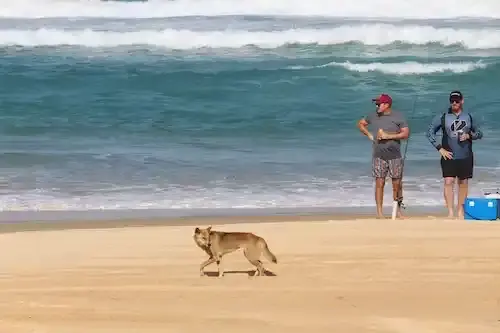
Who doesn’t love clear water? What about clear water teeming with sharks and box jellyfish? In addition to dangerous marine life, the waters around Fraser Island have exceptionally strong currents. Because there are no lifeguards on duty or warning flags in many spots, tourists and locals can easily be lured into danger.
On land conditions are hazardous as well: dingoes and venomous spiders roam the sand. Fraser Island, off the southeast coast of Queensland, has been inhabited for more than 5,000 years, yet it remains a risky place to visit. Rescue helicopters are often used to evacuate swimmers, since medical care is scarce. And did we mention the island is a favorite haunt of white sharks?
Chowpatty Beach, India
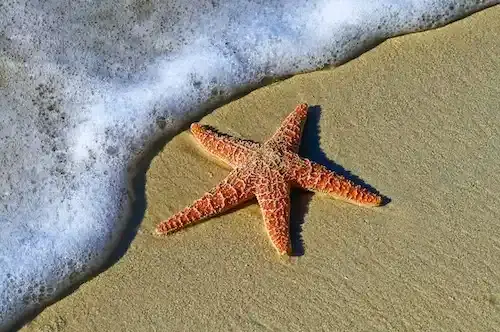
The name of this beach sounds pleasant, but it has sadly become one of the most polluted beaches in the world. Visitors leave their waste on the sand and industries dump effluent into the water. In 2013, fecal bacteria were recorded in the water at levels of 1,455 per 100 ml—well above the permissible level of 500 per 100 ml. So it’s not just garbage: open defecation and sewage are widespread problems here.
For some reason, the beach remains popular despite the health risks. Thousands of locals still gather here for Ganesh Visarjan, the Hindu festival celebrating the immersion of the god Ganesh.
Manaus Beach, Brazil
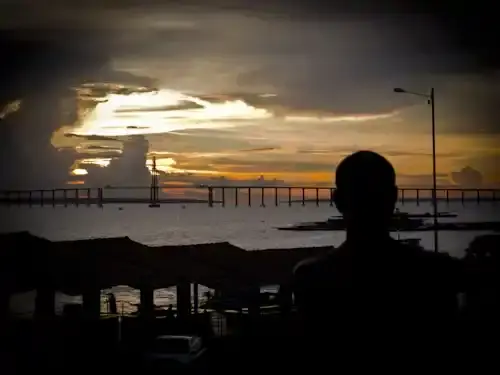
Don’t be fooled by its beauty. Located in the Amazon region of northern Brazil, Manaus Beach is home to jaguars, pink dolphins, and electric eels. But what’s even scarier than wildlife is that dangerous humans also roam the area.
Manaus had the highest number of homicides in Brazil in 2016 and one of the country’s highest theft rates. Despite the risks, the region remains a tourist hub for jungle lodges and river cruises.
Lamu Island Beach, Kenya
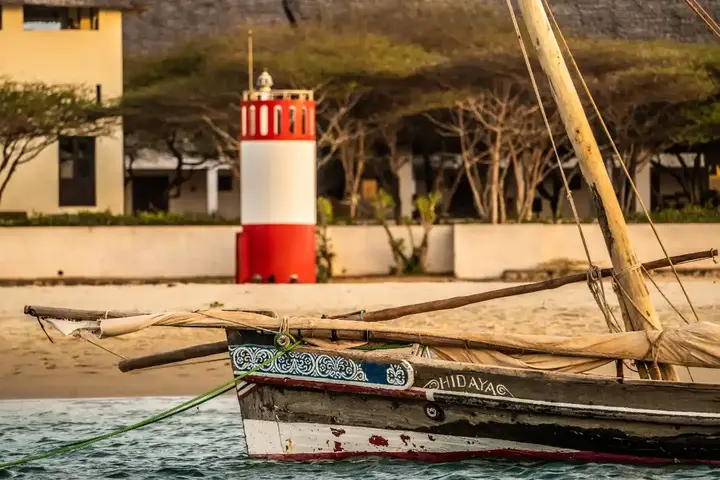
This once-beautiful beach now receives few visitors because its waters are threatened by Somali pirates. With Somalia just 100 kilometres away, the Somali-based terrorist group al-Shabaab has significantly affected the economy of this small island off Kenya’s northeastern coast.
Pirates have captured visitors several times in the past, and the group has claimed responsibility for attacks. What was once a destination for beach recreation and luxury travel has an economy still struggling in the aftermath. If you’re brave enough to visit, though, you’ll find traditional stone buildings and a town where time seems to have stopped.
West End Beach, Bahamas
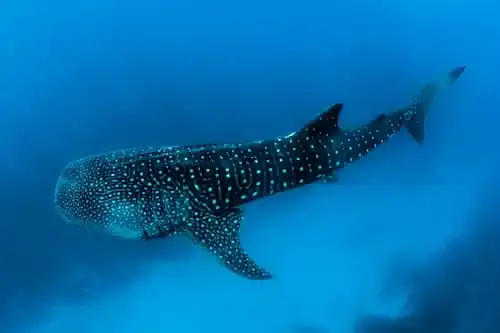
This beach in the Bahamas hosts one of the largest populations of tiger sharks in the world, so it’s not a place to swim carelessly. Ranked among the top shark-infested beaches globally, it has seen several shark attacks in recent years.
Besides tiger sharks, keep an eye out for hammerhead sharks, blacktip sharks, and bull sharks.
Skeleton Coast, Namibia
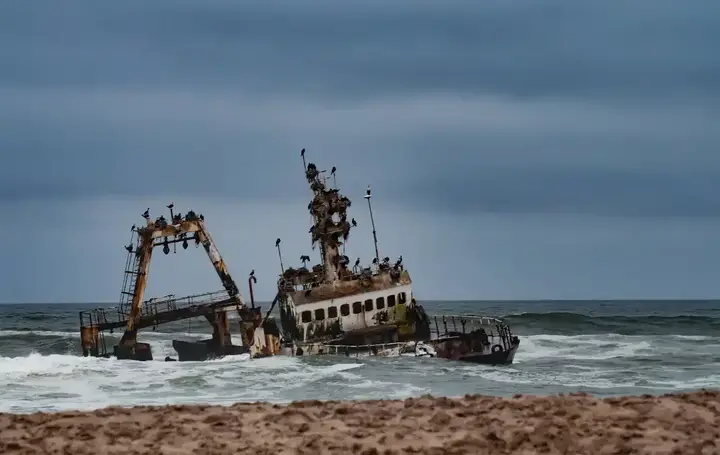
This beach is eerie. It contains the skeletons of whales and other large animals washed ashore—often victims of deadly sharks. Animal bones dot the sand, alongside hundreds of shipwrecks trapped among sea rocks and fog.
If that’s not enough to deter you, the shores are frequented by lions and hyenas, and elephants are sometimes spotted stranded by the waves. Just inland you may encounter cheetahs, giraffes, and other wildlife. Surfers come looking for long breaks, while others visit for the thrill and near-total solitude of an almost uninhabited coast.