Flavors of the East: A Culinary Tour in the Heart of Asia

In a world where borders are blurring and cultures are intertwined, one thing still retains its authenticity and crosses boundaries: food. "Flavors of the East: A Culinary Tour of the Heart of Asia" is more than an article title; it is an invitation to a sensual journey through the corridors of Asian cuisines, where every dish tells a story and every flavor transports you to distant worlds. From bustling markets to quiet alleys, this culinary tour explores how Asian people blend time-honored traditions with modern innovation to create unforgettable dining experiences. Let us begin our journey in the heart of Asia, where flavors are irresistible and dishes carry history.
Show key points
- "Flavors of the East" presents a rich journey through Asian cuisines, showcasing how food transcends borders and connects cultures.
- Chinese cuisine emphasizes harmony through the five flavors—sweet, sour, bitter, spicy, and salty—skillfully blended to create a full sensory experience.
- Dim sum is more than a meal in Chinese tradition; it's a social ritual that brings people together over diverse, bite-sized delicacies.
- ADVERTISEMENT
- In Indian cooking, spices are the soulful foundation, transforming simple dishes into aromatic and healthful culinary adventures.
- Thai cuisine artfully balances sweetness and heat, creating dishes that are both flavorful and culturally reflective.
- Japanese food, through sushi and umami, exemplifies precision, minimalism, and a deep reverence for nature and ingredients.
- Korean cuisine, with staples like kimchi and BBQ, emphasizes community and tradition through shared meals and fermented flavors.
Chinese cuisine
Recommend
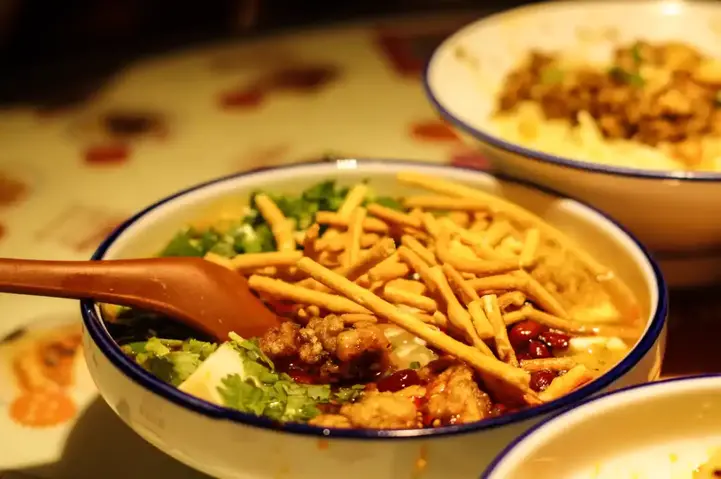
The secret of the five flavors
Chinese cuisine is an art that seeks balance and harmony, embodied in the concept of five flavors: sweet, sour, bitter, spicy, and salty. These flavors do not exist in isolation; they overlap and interact to create a complete dining experience that engages all the senses. A deep understanding of these tastes and how to blend them harmoniously is essential for any chef who wants to master Chinese cooking. Chefs use a wide range of ingredients and techniques to achieve this delicate equilibrium.
Dim sum: small gastronomy
Dim sum, a tradition that dates back centuries, reflects the social side of Chinese cuisine. It is made up of small dishes packed with rich and varied flavors. From steamed treats to crispy rolls, dim sum offers many options to satisfy every palate. Dim sum is more than a meal; it is an interactive experience that brings friends and family together to share food and stories.
Indian cuisine
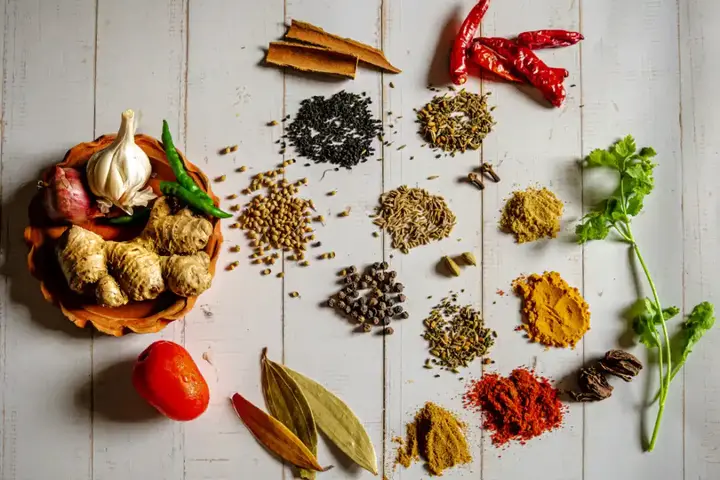
Spices: the heart of Indian cuisine
Spices are not merely ingredients in Indian cooking; they are the soul of the dishes and the core of the flavors. Each seasoning, from turmeric to cumin and curry blends, carries a long history and a notable effect on both taste and health. The art of selecting, roasting, grinding, and skillfully combining spices is fundamental to creating rich, complex Indian dishes. These spices turn meals into immersive experiences that awaken the senses and invite exploration.
Thali: Indian flavors palette
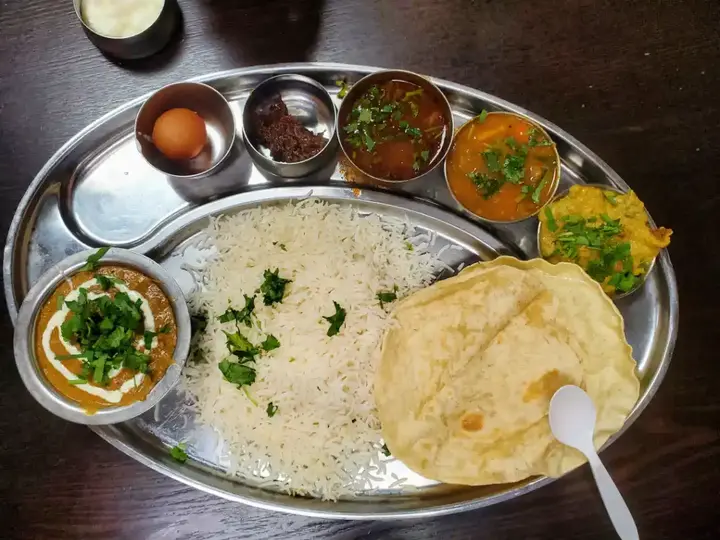
Thali is not just a meal; it is a culinary showcase that captures the diversity of Indian cuisine. Each small dish contains a world of flavors, from hearty dal and fresh vegetables to cooling raitas and warm desserts. Thali invites diners to dive into a sea of tastes and experience India with all their senses, presenting a variety of dishes in a way that honors tradition and celebrates diversity.
Thai cuisine
Sweetness and heat: Thai balance
Thai cuisine is known for its distinctive balance of sweetness and heat, a reflection of Thailand's cultural and geographical diversity. Combining sugar and chili in Thai dishes is an art that requires precision, because the flavors must be adjusted to reach perfect harmony. This balance not only pleases the palate but also deepens the culinary experience with layered sensory notes.
Thai curry: herbal and spice mix
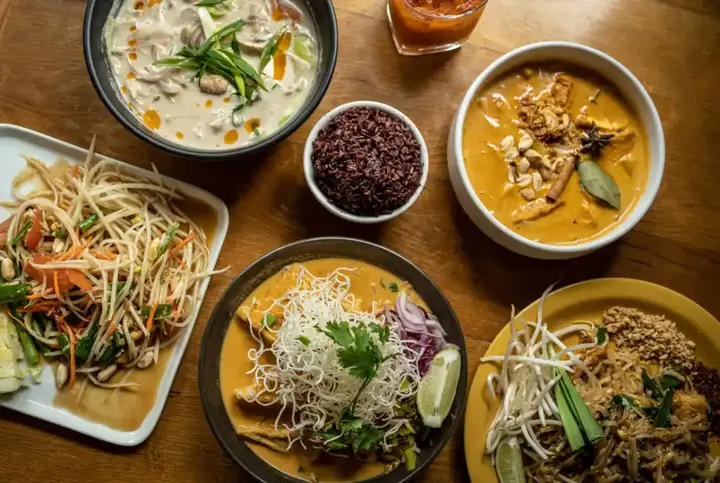
Thai curry is an ode to herbs and spices: kaffir lime, galangal, and lime leaves are blended with ground spices to create complex, rich flavors. Each ingredient adds a layer of depth, and curries are prepared carefully to reflect the true spirit of Thai cooking. A Thai curry transports you to the heart of Thailand, where fragrant aromas fill the air and invite celebration.
Japanese cuisine
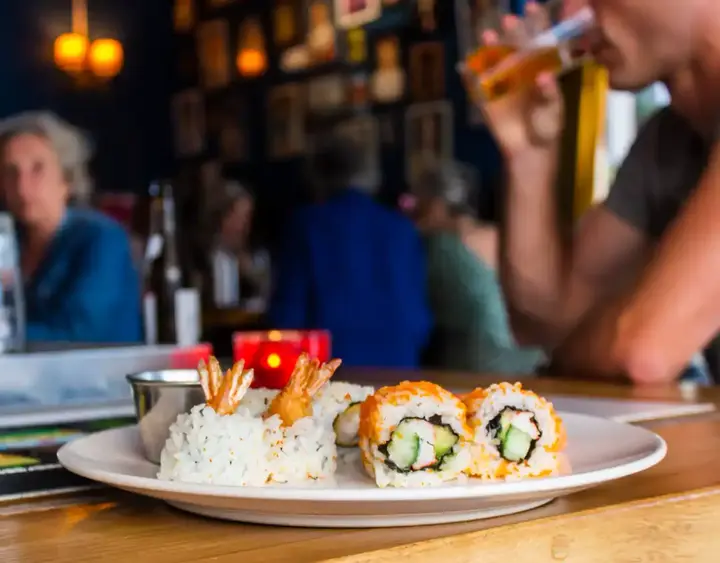
Sushi empire: art and precision
Sushi is not merely food; it is an expression of the art and precision of Japanese cuisine. Every piece of sushi is a small masterpiece: the fish are carefully selected and skillfully cut to achieve the right balance of flavor and texture. Sushi reflects the Japanese respect for nature and the value placed on fresh ingredients, showcasing the craftsmanship of sushi masters.
Umami: the mysterious fifth flavor
Umami, the fifth taste, is one of the most intriguing elements of Japanese cooking. Known as a savory, deep flavor, it is often associated with fermented and aged foods like soy sauce and miso. Umami is key to understanding the simplicity and depth of Japanese dishes, adding a layer of satisfaction and fullness that complements the other tastes.
Korean cuisine
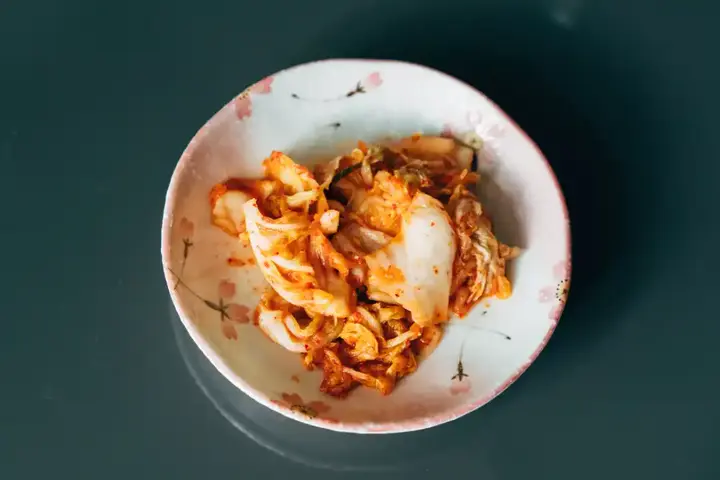
Kimchi: brewing Korean flavors
Kimchi is not just a side dish in Korean cuisine; it is a symbol of centuries-old culture and tradition. Fermenting vegetables with a mixture of spices and salt transforms them into dishes full of robust flavor and health benefits. Kimchi demonstrates how fermentation enhances taste and preserves food, and it is served with nearly every meal, giving Korean cuisine its distinctive touch.
Korean BBQ: beyond the barbecue
Korean BBQ is a social experience that goes beyond grilling meat. Eating grilled meat at the table is an event that brings friends and family together. It is known for its distinctive flavors, achieved by marinating meats in complex sauces and serving them with a variety of side dishes such as kimchi and banchan. Korean BBQ is more than a meal; it is an expression of Korean culture and its love of sharing and celebration.
At the end of our culinary journey through the heart of Asia, we depart with more than recipes and cooking techniques. We carry stories and experiences that reflect the true spirit of Asian peoples and their rich cultures. From the five basic flavors of Chinese cuisine to the aromatic spices of India, from the delicate balance of Thai dishes to the elegant simplicity of Japan, and the social intimacy of Korean barbecue, each dish tells the story of the land it came from and the hands that prepared it.
"Flavors of the East" is not just a culinary tour; it is a journey of discovering ourselves and others, and an invitation to taste the world in all its diversity and beauty. At every turn, we find an invitation to appreciate and celebrate the life and sharing that unites us as one human family.