How do you prepare cold cheesecake without an oven?
ADVERTISEMENT

Cheesecake is a well liked sweet eaten around the world. It began on the Greek mainland in the fifth century BC. New York cheesecake is the best known kind - yet many other styles and ways to prepare it have appeared. A lot of people see the classic baked version

ADVERTISEMENT
ADVERTISEMENT

as hard work and expensive - here is a simple recipe that needs no oven and suits hot weather.

For the base, stir 200 g crushed tea biscuits or digestive biscuits into 100 g melted butter. When the mix looks like damp sand, press it flat into a paper lined tray and chill until it holds together.

For the filling, beat one cup of cream cheese with condensed milk or sugar to taste. Add one cup of whipping or cooking cream and one spoon of liquid vanilla. Beat again until the mix is smooth and as thick as soft ice cream. Tip it onto the cold base and chill or freeze until it sets.

For the top layer, pick any garnish you have on hand. A common choice is fresh strawberries or berries from a can - scatter them on after the cake has chilled for at least fifteen minutes.

To prepare a fruit sauce, simmer blended strawberries or raspberries with sugar and a splash of water for ten to fifteen minutes. Stir in one spoon of gelatin dissolved in water, let the sauce cool - spread it over the cheesecake.

If you prefer chocolate, melt it with two tablespoons of butter or oil and some sugar in a microwave or on a stove. Once the mixture cools, pour it over the cake.

A fashionable alternative is Lotus sauce. Blend 200 g Lotus biscuits, 150 g evaporated milk, two tablespoons brown sugar, one teaspoon cinnamon and four tablespoons soft butter until smooth. Spread it on the cake right away or keep it covered in the fridge for up to three days. This no bake cheesecake is simple to change and light on the wallet - any sweet tooth fan can enjoy it.

Noha Mousa

Noha Mousa

·

20/10/2025

ADVERTISEMENT
Discover the magic of Almeria: Your guide to an unforgettable trip to southern Spain
ADVERTISEMENT

Almería, a quiet corner in southern Spain, asks visitors to walk through its long story, rest on calm beaches and eat food full of color and salt. The city sits on the Mediterranean, keeps its old walls plus white streets and stays free of large tour groups.

The Umayyads built

ADVERTISEMENT
ADVERTISEMENT

the town in the 10th century so ships could load and unload goods. The Alcazaba fortress still crowns the hill - its stone towers look down on roofs but also water. Walk through the gates, climb the paths and you stand where guards once watched for sails.

The shore starts at Playa de los Muertos - pebbles, clear water and cliffs drop straight into the sea. Families prefer Playa de San Miguel because the sand is soft as well as the cafés sit a few steps away. Further south, Cabo de Gata shows black lava rock and empty coves - divers carry tanks, photographers carry tripods.

Cabo de Gata-Níjar Natural Park mixes dry hills with beaches no hotel has touched. Trails run along ridges, fish swim close to shore and villages such as Las Negras keep only a handful of houses. The sky stays blue most days - rain rarely falls.

In tapas bars, a drink arrives with a small plate of tuna, octopus or pepper stew. Sea bream or sardines reach the grill the same morning they leave the boat. Almond cake, dense and sweet, carries a recipe that came across the water with the Moors.

Museums tell the story of silver mines and pirate raids. Flamenco singers stamp heels in dim caves. Thirty minutes west, the Tabernas Desert provided the backdrop for Clint Eastwood westerns - the Oasys park keeps the saloon doors swinging for new photos.

You sleep in a palace hotel inside the city or in a farmhouse that opens to olive groves. Planes land at the airport, buses roll in from Madrid also trains follow the coast. May, June, September besides October give warm days without furnace heat. Almería waits, little known, ready to show its streets and shores.

Amelia Patterson

Amelia Patterson

·

13/10/2025

ADVERTISEMENT
The Time Scientists Froze Light And Brought It Back To Life
ADVERTISEMENT

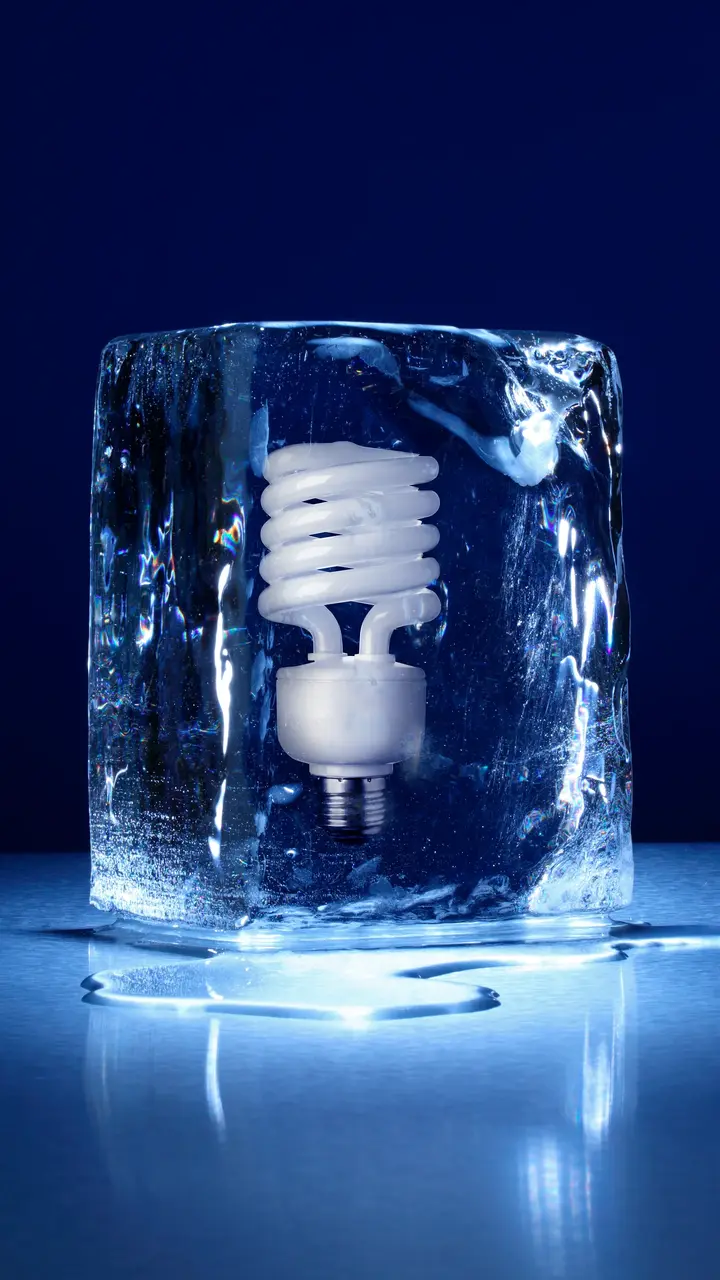
Scientists at the University of Florence besides Italy's National Centre for Natural Resources report that they froze light, locked its quantum details inside a crystal and let the same light go again, all in a few thousandths of a second. The study, released in Nature, shows that devices based on

ADVERTISEMENT
ADVERTISEMENT

this trick could one day store data for quantum computers and for messages that no spy can read.

Light has no mass and normally races along at 299,792 kilometres each second. To arrest it, the team had to change it into something else yet keep every bit of its information. They sent laser light into an ultracold cloud of atoms called a Bose-Einstein condensate. The light and the sluggish atoms blended into hybrid particles named polaritons - those polaritons held the original quantum message.

The method has three clear stages. The condensate slows the incoming light. The polaritons hand their quantum state over to the atomic spins inside a custom grown crystal of yttrium orthosilicate. At that point the light is, in effect, parked - it no longer moves, but its information stays safe among the atoms. A follow up laser nudges the crystal and the stored state turns back into a light pulse that exits the material looking almost exactly like the one that entered.

A technique called Electromagnetically Induced Transparency lets the crystal turn see through at the precise instant the light must go in or come out. Because of this timed transparency, more than 95 percent of the original signal is recovered. The crystal also keeps quantum states undisturbed for comparatively long periods - the memory remains reliable.

The work points toward everyday uses in young quantum industries. A crystal of this kind could act as a memory unit for photonic qubits inside a quantum computer. In quantum communication, it could serve as a repeater that catches an encrypted photon, holds it and sends it onward letting secure networks stretch across long distances. The same setup even offers a table top model for extreme cosmic events such as black hole physics.

Obstacles still stand in the way. The group must lengthen the storage time, run the device at room temperature instead of near absolute zero and fit the crystal into standard fibre optic lines. The researchers now join forces with European quantum projects to boost performance and to test other materials - crystals doped with praseodymium, for example - that might suit wider deployment.

Joshua Bell

Joshua Bell

·

20/10/2025

ADVERTISEMENT