In a fast, competitive world, work–life balance is a goal many strive for but find hard to achieve. Job demands are rising, hours are stretching, and the line between work and personal life is becoming blurred. That raises a central question: how can we find the right balance to live
ADVERTISEMENT
both happily and productively?
This article explores strategies for achieving work–life balance, emphasizing the importance of making time for rest, recreation, and relationships. We look at time-management techniques and practical planning, and show how individuals can apply these strategies each day to live more happily and with greater fulfillment.
Understanding work-life balance
Photo from Unsplash
Definition of work-life balance
ADVERTISEMENT
Work–life balance describes the ideal state in which a person can give appropriate time to both work responsibilities and personal activities. It means working efficiently and effectively without sacrificing the quality of one’s personal or family life.
Achieving this balance is important for mental health and overall well-being: it reduces stress, boosts productivity, and supports happiness.
The different dimensions of work-life balance
Work–life balance has several dimensions: time, energy, and mental engagement. The time dimension concerns how hours are divided between work and personal life, while the energy dimension refers to how much energy a person devotes to each area.
Mental engagement refers to how focused and involved someone is in work and in personal life. Striving for balance across these dimensions helps people achieve satisfaction and inner harmony.
ADVERTISEMENT
Factors affecting work-life balance
Factors affecting work-life balance
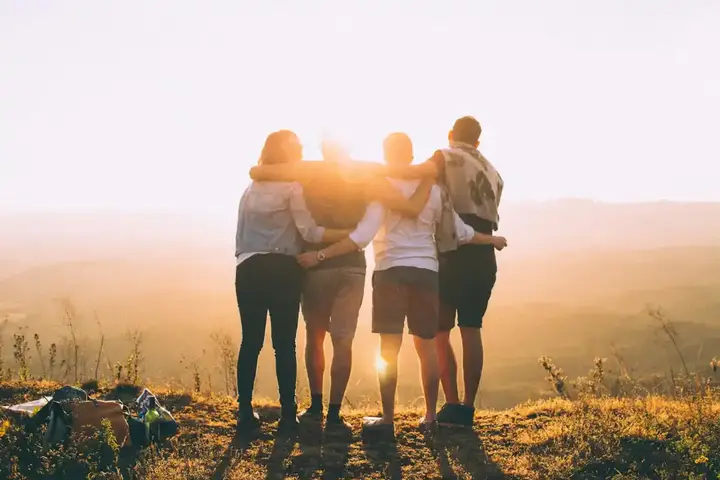
Photo from Unsplash
Work-related stress and its impact
Job stress is one of the main challenges people face when trying to achieve work–life balance. These pressures can come from excessive workloads, long hours, and tight deadlines. They increase stress and fatigue, which harms both mental and physical health.
It’s important to recognize these pressures and develop strategies to manage them, such as setting priorities, learning to say no when necessary, and seeking support from colleagues and managers.
The role of the family and personal relationships
Family and interpersonal relationships play a crucial role in achieving work–life balance. The emotional and moral support a person receives from family and friends can be a source of strength and motivation.
ADVERTISEMENT
It’s essential to set aside enough time to build and strengthen these relationships: spend quality time with family and friends and take part in activities that reinforce social bonds. This reduces stress and creates a support network that contributes to overall well-being.
Balancing Strategies
Photo from Unsplash
Time Management Techniques
Time management is a key element of work–life balance. Techniques include prioritizing tasks, setting schedules, and using methods such as the Pomodoro Technique to improve focus. A good starting point is to assess how you currently spend your time and identify areas for improvement.
For example, you may find that cutting down on time spent checking email or social media creates more space for important personal activities.
ADVERTISEMENT
The importance of rest and recuperation
Rest and recuperation are not a luxury; they are essential for mental and physical health. People should set aside time to rest and relax in order to recharge. Recreational activities can include exercise, reading, or spending time in nature.
Getting enough sleep is also crucial, since sleep directly affects how well we function and cope with daily stressors.
Practical applications of work-life balance
Photo from Unsplash
To balance work and daily life, it helps to follow practical tips that manage time and improve quality of life. Here are some tips you can apply:
1. Prioritize: Start your day by identifying the most important tasks that need your full attention. Use a to‑do list to organize your time and avoid overloading yourself.
ADVERTISEMENT
2. Set clear boundaries: Establish distinct boundaries between work time and personal time. Try not to let work intrude on family time or relaxation.
3. Use technology wisely: Technology can boost productivity but also distract. Use time‑management apps and avoid constant email or social media checks outside working hours.
4. Invest in hobbies and passions: Make time for activities you enjoy. Whether it’s a sport, art, or another hobby, these activities help reduce stress and improve well‑being.
5. Maintain physical and mental health: Get enough sleep, exercise regularly, and eat well. Taking care of your health helps you stay alert and focused.
6. Connect with others: Share your feelings and experiences with friends or family. Open communication offers emotional support and helps you cope with stress.
ADVERTISEMENT
7. Meditation and mindfulness: Set aside time for meditation or mindfulness exercises to improve concentration and calm the mind.
By following these tips, you can improve your quality of life and achieve a better balance between work demands and personal needs. Remember that work–life balance is not a one‑time goal but an ongoing process that requires regular evaluation and adjustment.
Work–life balance is not just a goal to pursue; it is a way of life that requires awareness and continuous effort. We must remember that work is part of our lives—but not all of our lives. By applying the strategies discussed here, we can improve our well‑being and enjoy life more fully.
We hope this article inspires you to rethink how you manage your time and energy. Take the necessary steps to live a balanced life, one in which happiness comes not only from career achievements but also from the precious moments spent with loved ones and from pursuing your passions.
ADVERTISEMENT
Photo from Unsplash
In the end, there is no one‑size‑fits‑all template for work–life balance. Each person has unique circumstances and priorities that determine what balance means to them. Above all, strive to live with awareness and make choices that reflect your values and goals.
ياسر السايح
ADVERTISEMENT
عطلة مميزة: أماكن سياحية خلابة مع أحداث ومهرجانات القيروان
ADVERTISEMENT
أسست مدينة القيروان عام 670 ميلاديًا على يد عقبة بن نافع.بنيت هذه المدينة في الأساس لغرض ديني، حيث كانت مقر لجيوش المسلمين أثناء الفتوحات فترة الفتوحات الإسلامية في شمال إفريقيا على الجزائر والمغرب، ومن هنا تأتي قيمتها الدينية في المجتمع العربي الإسلامي، حيث أنهم
ADVERTISEMENT
يعتبرونها في منزلة المدن المنورة مثل مكة والمدينة المنور والقدس. تبعد القيروان عن العاصمة التونسية تونس مسافة 160 كيلومتر تقريبًا أي مسافة ساعتين بالسيارة. وعلى الرغم من أهميتها يعيش بها 160 ألف نسمة فقط، وهو عدد ضئيل من السكان مقارنة بقيمة هذه المدينة السياحية.
القيروان ليست مدينة ساحلية بل هي مدينة صحراوية، بعيدة عن العاصمة، ولكنها تمتاز بطابع مختلف، خصوصًا للأشخاص الذي يحبون الشعور بالماضي، لأنها تمتلك مجموعة كبيرة من الأماكن التراثية التي يصل عمرها إلى مئات الأعوام، بجانب العديد من الفعاليات الهامة التي تقام فيها بشكل سنوي، أيضًا اهل القيروان يتميزون أنهم يمتلكون عاداتهم الخاصة. بالإضافة إلى إقامة العديد من المهرجانات السنوية سواء الثقافية أو الدينية أو الترفيهية، وإليكم مجموعة من أهم الأماكن والأحداث ومهرجانات القيروان التي يمكن زيارتها.
ADVERTISEMENT
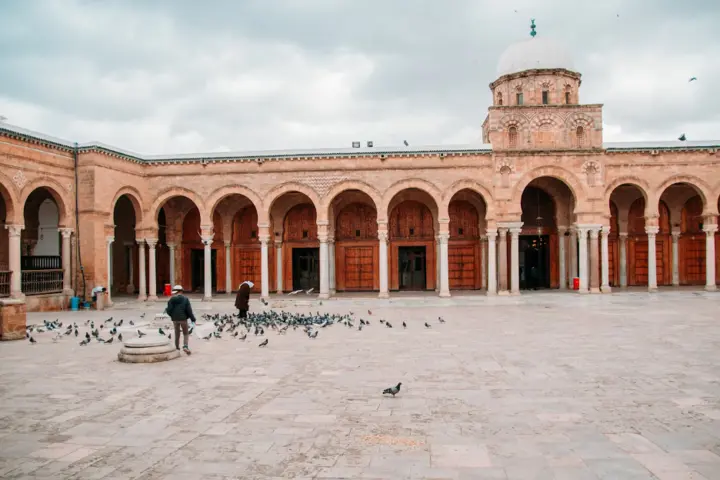
الأماكن السياحية في مدينة القيروان
الصورة عبر Juan Ordonez على unsplash
مدة زيارة القيروان تتراوح من يومين إلى يومين على الأكثر، فهي ليست مدينة كبيرة، ولكنها ليست صغيرة أيضًا. القيروان مليئة بالأماكن التراثية الخلابة، بجانب أن موقعها في وسط الجبال يجعل الزائرين يشعرون أنهم في زمن مختلف تمامًا. إليكم أهم الأماكن التي يمكن زيارتها في القيروان.
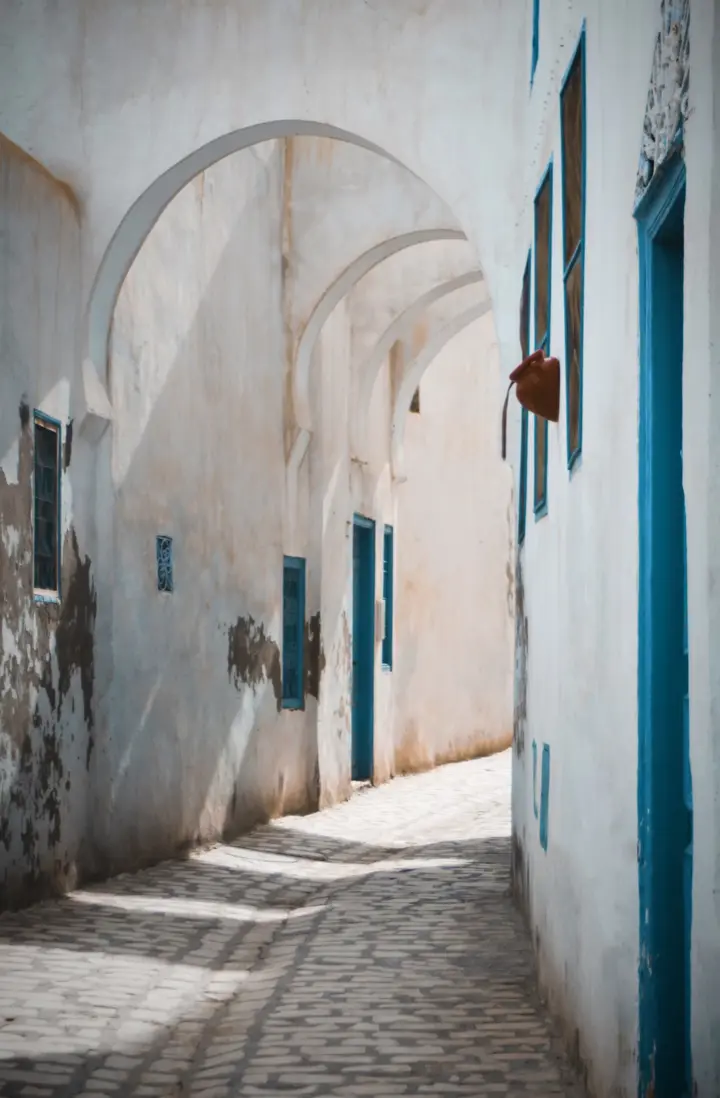
المدينة القديمة
الصورة عبر Haythem Gataa على unsplash
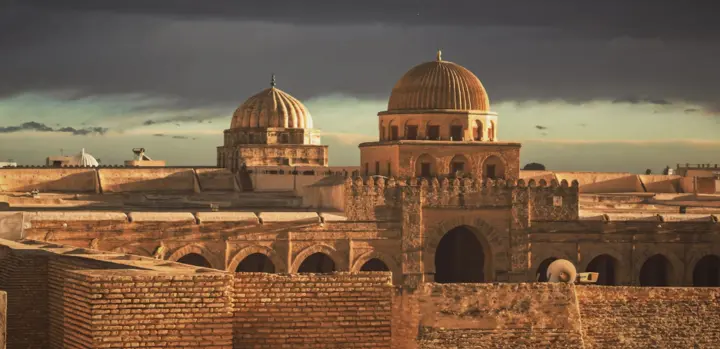
الكثير من مهرجانات القيروان تقام في هذه المنطقة، وهي تمثل وسط مدينة القيروان، حيث التراث القديم يطغِ على كل زوايا الشوارع والمنازل، البيوت المصنوعة من الحجارة مع الأزقة الضيقة، والأبواب الخشبية الضخمة. محبي الثقافة والتاريخ سيجدون في المدينة القديمة في القيروان مشهد لا مثيل له حول العالم، قد ينخدع السياح ويعتقدون أن هذه المدينة مصنوعة على أنها استوديو لتصوير فيلم قديم أو تراثي، ولكن الحقيقة أن كل تفاصيل هذه المدينة حقيقية وحية منذ مئات الأعوام.
ADVERTISEMENT
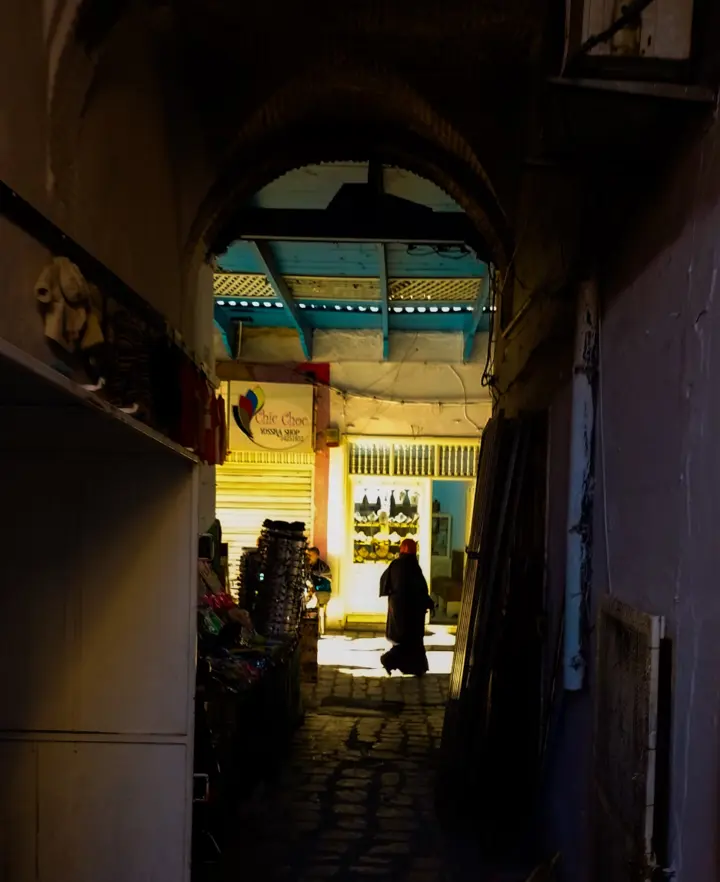
أسواق القيروان
الصورة عبر wessym feydi على unsplash
تم بناء أسواق القيروان في القرنين السابع عشر والثامن عشر، أي أن عمر هذه المنطقة يصل إلى ثلاثمائة عام تقريبًا. هناك تجدون محلات الحرفيين والمهن القديمة الحقيقية والموروثة عن أهل هذه المهن، مثل الحدادة وتشكيل الفخار. يتجول العديد من السياح هناك وفي العادة يخرجون بهدايا تذكارية قيمة من هذا السوق، سواء قطع فخار مصنوعة او سجاد مصنوع بشكل يدوي.
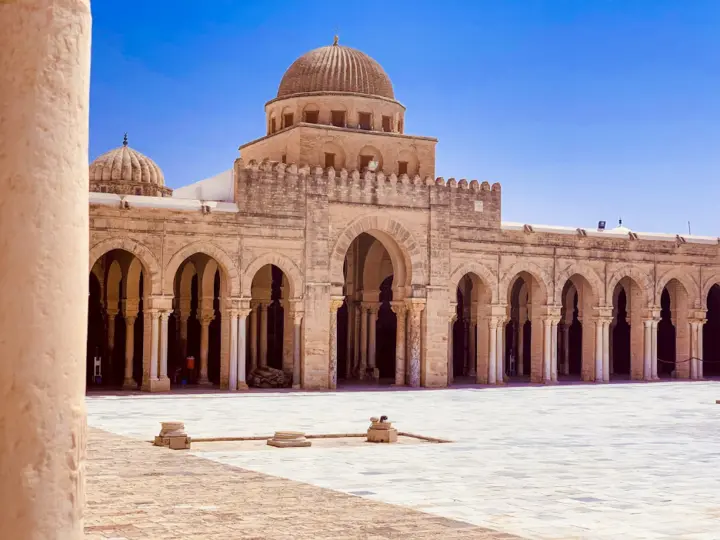
الجامع الكبير بالقيروان
الصورة عبر A M على unsplash
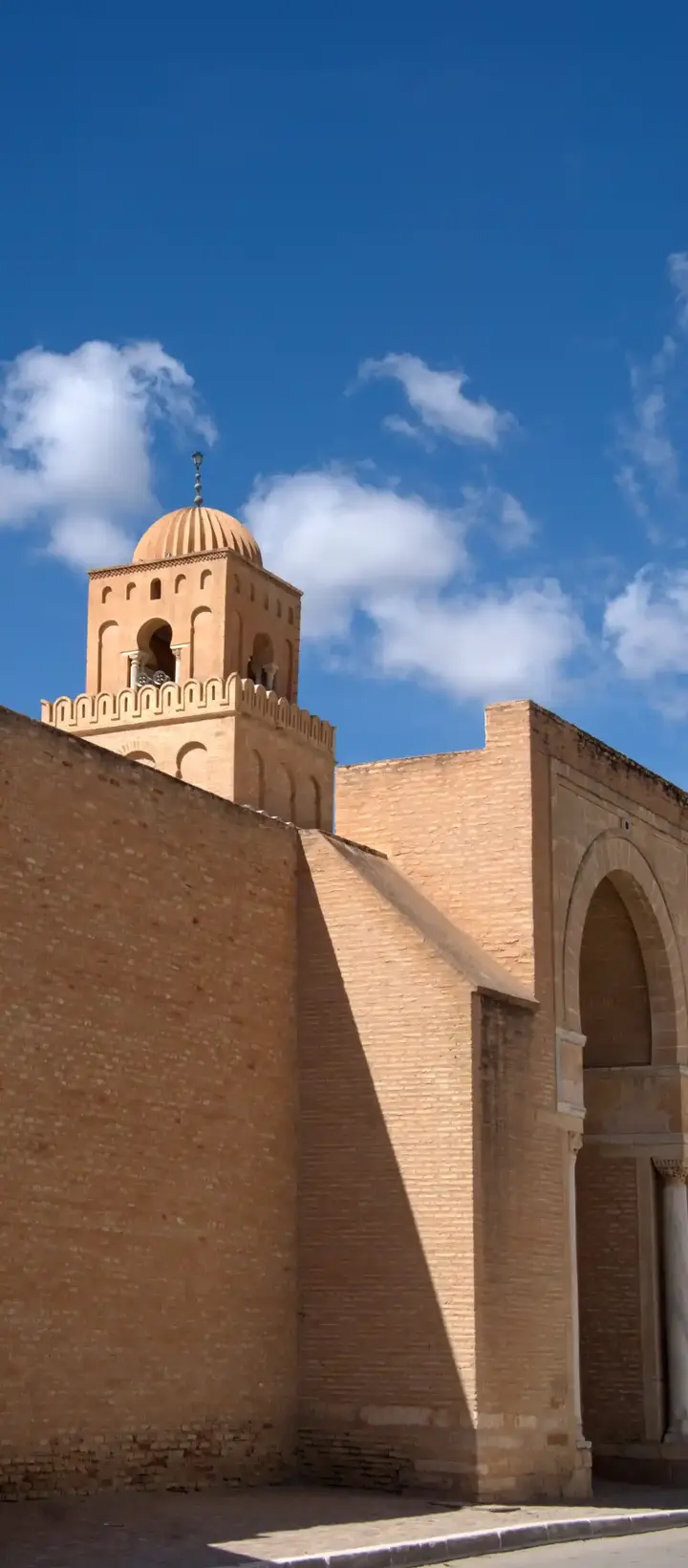
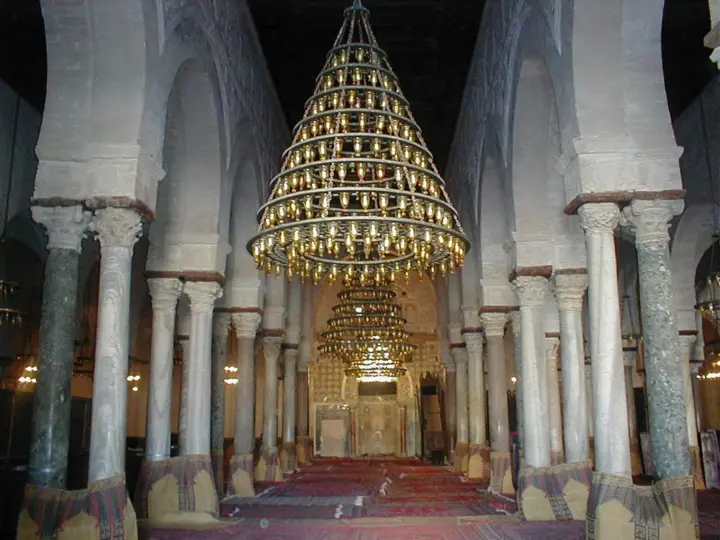
مسجد سيدي عقبة والمعروف أيضًا باسم المسجد الكبير بالقيروان، يعد واحد من أهم المساجد والآثار الإسلامية في منطقة شمال إفريقيا بالكامل. ويعتبر أهم مزار سياحي في مدينة القيروان. الكثير من الرحلات السياحية في القيروان تبدأ من هذا المسجد، والذي تم بناء قبل أكثر ألف وثلاثمائة عام تقريبًا، حيث قام بتأسيسة عقبة بن نافع مؤسس مدينة القيروان نفسها. تمتد مساحة المسجد إلى 135 متر تقريبًا من الحجارة القديمة والبناء الإسلامي العتيق، بساحة واسعة وهدوء مريح للنفس، يسمح للمسلمين والغير مسلمين بزيارته إلى ساحة الصلاة الخارجية، ولكن لا يسمح لهم بالوصول إلى داخل قاعة الصلاة الداخلية.
ADVERTISEMENT
مهرجانات القيروان
الصورة عبر Osama Saleh على unsplash
تقام في مدينة القيروان الكثير من المهرجانات والأعياد. على المستوى الديني أهم هذه الاحتفالات هو الاحتفال بشهر رمضان، الذي يصوم فيه مسلمين القيروان إلى وقت آذان المغرب ثم يفطرون بالأكلات التونسية الأصيلة لمدة شهر كامل وهو شهر رمضان. ثم يأتي عيد الفطر أو العيد الصغير، حيث يحتفل مسلمين القيروان بانتهاء شهر رمضان بتجمعات كبيرة في صلاة العيد، ثم يتبادل الناس التهنئات والنساء في المنازل تقوم بطبخ أجمل الأكلات احتفالًا بالعيد الصغير، أيضًا نفس الشيء يحدث في عيد الأضحى أو العيد الكبير، ولكن بجوار هذه الأعياد الدينية تتواجد الكثير من المهرجانات والأحداث الثقافية الجميلة التي تحدث في مدينة القيروان مثل:
مهرجان القيروان الدولي للموسيقى العربي
في هذا المهرجان يتم تنظيم عدد كبير من الحفلات الغنائية والموسيقية المتنوعة التي يحيها أهم المغنين العرب والفنانين التونسيين، الحفلات تقام بصورة يومية لمدة انتهاء المهرجان ثم يتم تكريم عدد من الفنانين العرب والتونسيين.
ADVERTISEMENT
مهرجان القيروان للأفلام القصيرة
يتم تنظيم هذا المهرجان بصورة سنوية لتكريم وعرض أفضل المواهب في صناعة الأفلام القصيرة من مختلف دول العالم، كنوع من الدعم الثقافي للشباب وصناعة الأفلام حول العالم.
مهرجان القيروان
هذا هو المهرجان المحلي لمدينة القيروان. يقام احتفال سنوي يحتفي بالمدينة وتراثها الثقافي والتاريخي. يتميز هذا الاحتفال بالكثير من الفقرات اللطيف مثل الغناء والعروض الراقصة والمسرحية وعدد من العروض الفنية الأخرى.
مهرجان الزيتون
هذا المهرجان فريد من نوعه حيث يتم الاحتفال بموسم حصاد الزيتون في القيروان، عن طريق تقديم عدد من الأنشطة التي تتعلق بالزيتون في القيروان، مثل تذوق أنواع الزيتون المختلفة، وعروض عن كيفية صنع زيت الزيتون في القيروان بجانب بعض العروض الأخرى التي تتعلق بالطبخ.
مهرجان مدينة القيروان للثقافة والفنون
ADVERTISEMENT
يقام هذا المهرجان بصورة سنوية بتشجيع الثقافة التونسية بالكامل، حيث يتضمن عدد من الأنشطة التي تتعلق بجميع أنواع الفنون مثل الرسم والتصوير والتمثيل المسرحي، بجانب إجراء محاضرات وورش فنية مع أفضل صانعي الفن في تونس.
ختام
الصورة عبر Ulysse على pixabay
مهرجانات القيروان متعددة، وتأتي قيمة مدينة القيروان بسبب وجودها التاريخي الراسخ في الثقافة العربية والإسلامية بقوة، بجانب أنها تحتوي على الكثير من الأماكن السياحية الخلابة والمبهرة لأي شخص يزور هذه المدينة العريقة في قلب تونس.
عائشة
ADVERTISEMENT
اكتشاف جنوب شرق آسيا: 20 وجهة يجب زيارتها
ADVERTISEMENT
في قلب الشرق الأقصى، حيث تتلاقى الثقافات وتتعانق الحضارات، تقع منطقة جنوب شرق آسيا، وهي موطن لبعض من أروع الوجهات التي يحلم المسافرون بزيارتها. من الشواطئ الرملية البيضاء التي تلامس أمواج المحيط الهادئ الزرقاء، إلى الغابات الاستوائية الكثيفة التي تنبض بالحياة، تقدم هذه المنطقة مزيجًا فريدًا من المغامرة والسكينة.
في
ADVERTISEMENT
هذا المقال، سنأخذكم في رحلة لاكتشاف 20 وجهة لا تُنسى في جنوب شرق آسيا، كل واحدة منها تقدم تجربة مختلفة، تترك في النفس أثرًا لا يُمحى. فلنبدأ معًا هذه الرحلة الساحرة، ونغوص في عمق التاريخ، ونتذوق طعم الحياة في أرض العجائب هذه.
الثقافة والتراث
الصورة على wikimedia
1. الغوص في التقاليد: الفلبين وإندونيسيا
الفلبين: تعتبر الفلبين مزيجًا من الثقافات المختلفة، حيث تأثرت بالتاريخ الإسباني والصيني والماليزي. يمكنك استكشاف المهرجانات الملونة والرقصات التقليدية مثل “سيناكول” و"أتيهان" في الفلبين.
ADVERTISEMENT
إندونيسيا: تعد إندونيسيا أكبر دولة في جنوب شرق آسيا من حيث عدد السكان والتنوع الثقافي. تجمع بين العديد من الجزر والقبائل واللغات المختلفة. قم بزيارة معابدها البوذية والهندوسية واستمتع بالفنون التقليدية مثل الباتيك والموسيقى الجاوية.
2. معابد وآثار: كمبوديا وتايلاند
كمبوديا: تعتبر أنغكور واحدة من أروع المواقع الأثرية في العالم. استمتع بزيارة معابدها الهندوسية والتي تشمل معبد أنغكور وتابون وبايون.
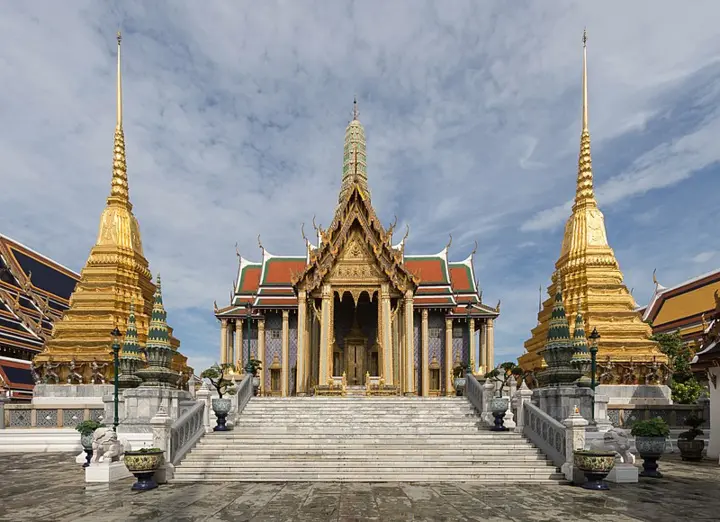
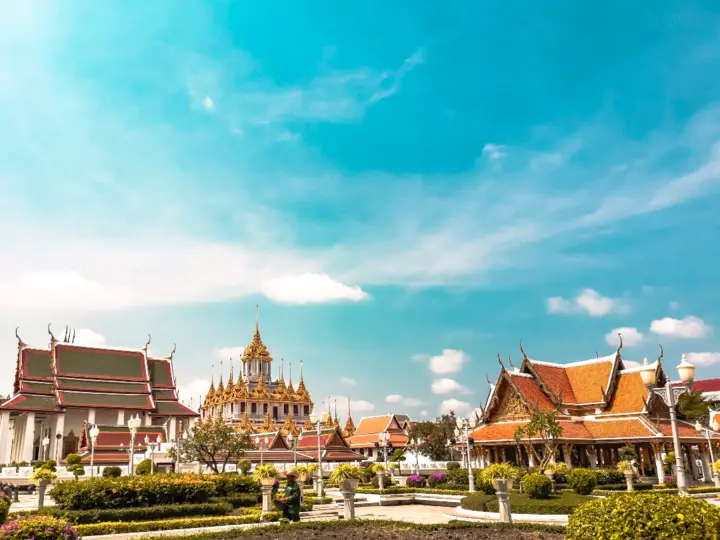
تايلاند: تعد تايلاند موطنًا للعديد من المعابده البوذية الرائعة. قم بزيارة معبد الفجر في بانكوك ومعبد وات أرون ومعبد وات براهماجاكيا في أيوتثايا.
الطبيعة والمغامرة
الصورة على wikimedia
1. الشواطئ الخلابة: تايلاند وماليزيا
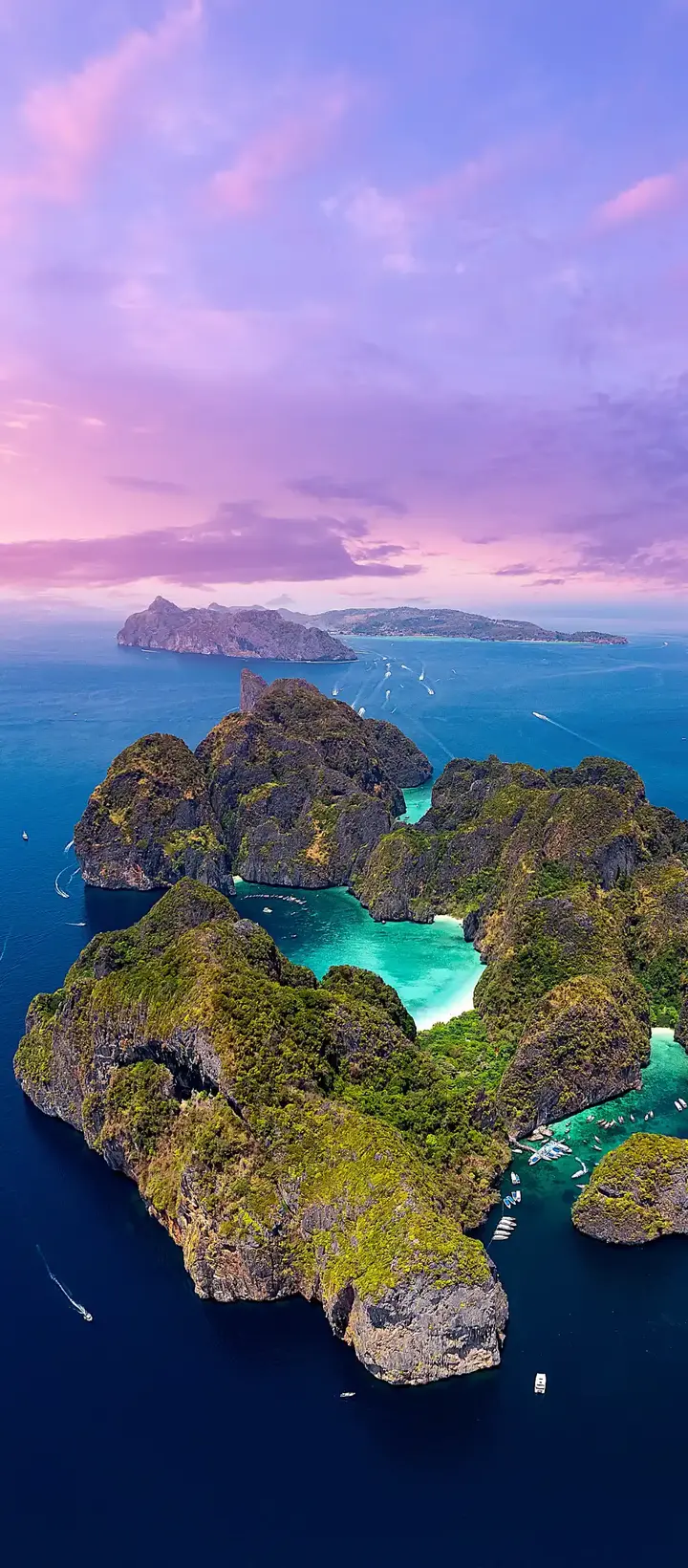
تايلاند: تشتهر تايلاند بشواطئها الرملية البيضاء ومياهها الفيروزية الصافية. من بوكيت إلى كوه ساموي، تقدم تايلاند ملاذًا لعشاق الشمس والبحر.
ADVERTISEMENT
ماليزيا: تعد ماليزيا وجهة مثالية للغوص واستكشاف الحياة البحرية المذهلة. جزر مثل سيبادان وتيومان توفر تجارب غوص لا تُنسى بين الشعاب المرجانية النابضة بالحياة.
2. الغابات الاستوائية والحياة البرية: بورنيو وسومطرة
بورنيو: تعتبر جزيرة بورنيو موطنًا لغابات مطيرة قديمة تزخر بالتنوع البيولوجي. استكشف الغابات لمشاهدة الأورانغوتان والفيلة البورنيوية في مواطنها الطبيعية.
سومطرة: تقدم سومطرة تجربة فريدة لمحبي الطبيعة والحياة البرية. قم بزيارة حديقة جونونج ليوسر الوطنية لرؤية النمور السومطرية ووحيد القرن السومطري.
المأكولات والمطبخ
الصورة على agoda
1. مهرجان النكهات: فيتنام وتايلاند
فيتنام: تعتبر فيتنام واحدة من أفضل الوجهات لمحبي الطعام. تجربة الفيتنامية تتميز بالنكهات الطازجة والأطباق الملونة. جرب الفريدة “فيتنامي بان مي” (النودلز) و"بانه مي تشا" (الشاي الفيتنامي).
ADVERTISEMENT
o تايلاند: يعتبر المطبخ التايلاندي من أشهر المطابخ في العالم. تذوق الأطباق الحارة مثل “توم يوم” (حساء الكاري) و"باد تاي" (النودلز المقلية).
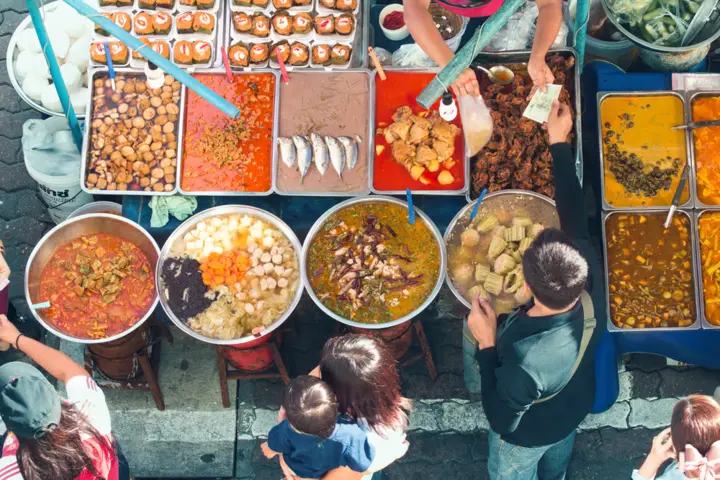
سنغافورة: تعد سنغافورة مكانًا رائعًا لتجربة الأطعمة المتنوعة. قم بزيارة الأسواق الليلية مثل “ماكسويل هوكر” و"تشيناتاون" لتذوق الأطباق اللذيذة.
ماليزيا: تجمع ماليزيا بين مختلف الثقافات، وهذا يظهر جليًا في مأكولاتها. استمتع بالمأكولات الماليزية مثل “ناسي ليماك” (أطباق الأرز المختلفة) و"روجاك" (الخضروات المقلية مع صلصة الفول السوداني).
التجارب الفريدة
1. القرى العائمة والحياة على الماء: فيتنام وكمبوديا
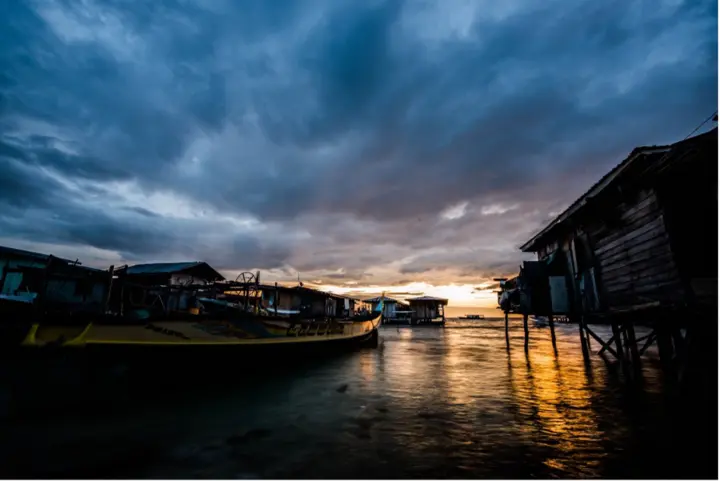
فيتنام: تعتبر قرى العائمة في هالونغ باي ومي تو من أبرز المعالم السياحية في فيتنام. استمتع بركوب القوارب الخشبية واستكشاف الحياة اليومية للسكان الذين يعيشون فوق المياه.
ADVERTISEMENT
كمبوديا: تقدم كمبوديا تجربة فريدة في قرية “كامبونغ كلونغ”، حيث يعيش السكان على منصات خشبية فوق المياه. انطلق في جولة بالقارب لاستكشاف المناظر الطبيعية الخلابة والحياة البسيطة للمجتمع المحلي.
2. الاحتفالات والمهرجانات: لاوس وتايلاند
لاوس: تعد لاوس وجهة مثالية لمحبي المهرجانات التقليدية. قم بزيارة مهرجان “بون بان لاو” الذي يحتفل بالعام الجديد اللوني ويشهد العديد من الأنشطة والعروض الفنية.
تايلاند: تعد تايلاند موطنًا للعديد من المهرجانات الملونة والمبهجة. استمتع بمهرجان “سونغكران” الذي يحتفل ببداية السنة الجديدة ويشهد رش المياه والاحتفالات الشعبية.
الصورة عبر Alejandro Cartagena 🇲🇽🏳🌈 على unsplash
ونحن نصل إلى نهاية رحلتنا الافتراضية في جنوب شرق آسيا، نأمل أن نكون قد أثرنا فيكم الشغف لزيارة هذه الوجهات الساحرة. من الثقافة الغنية والتراث العريق إلى المناظر الطبيعية الخلابة والمأكولات الشهية، تقدم لكم هذه المنطقة تجارب لا تُنسى وذكريات تدوم مدى الحياة. سواء كنتم تبحثون عن الهدوء والاسترخاء أو المغامرة والإثارة، فإن جنوب شرق آسيا توفر كل ذلك وأكثر. نتمنى أن تكون هذه المقالة قد وفرت لكم الإلهام لتخطيط رحلتكم التالية واكتشاف العجائب التي تخبئها هذه الأرض الساحرة. حتى ذلك الحين، نتمنى لكم أحلامًا ملونة بألوان جنوب شرق آسيا الزاهية.