Your and tales of the flood and the great kings of Babylon

More than one great civilization has passed on the land of Iraq that still fascinates us to this day, including the civilization of "Assyria", the civilization of "Chaldean" and the civilization of "Babylon", and on its land was the great city of "your", the capital of the Kingdom of "Sumer".
Show key points
- Iraq has been home to several influential ancient civilizations, including Assyria, Babylon, Chaldea, and Sumer.
- The city of Ur, considered the capital of ancient Sumer around 2100 BC, is believed to be the birthplace of the prophet Abraham.
- One of the most iconic archaeological structures in ancient Iraq is the ziggurat of Ur, a pyramid-like temple illuminated during Pope Francis’s visit.
- ADVERTISEMENT
- The ziggurat served as a temple built with clay and bitumen, characterized by tiered levels representing a sacred architectural form.
- The Epic of Gilgamesh, written during the Third Dynasty of Ur, reveals early narratives such as the Great Flood long before their appearance in other religious texts.
- Gilgamesh's journey with Enkidu, born from rivalry turned friendship, centers on the search for immortality and reflects deep philosophical and spiritual themes.
- The ancient ruins, literature, and cultural heritage of Iraq represent both moral and material treasures that continue to shape our understanding of human civilization.
From Sumer your to the great kings of Babylon
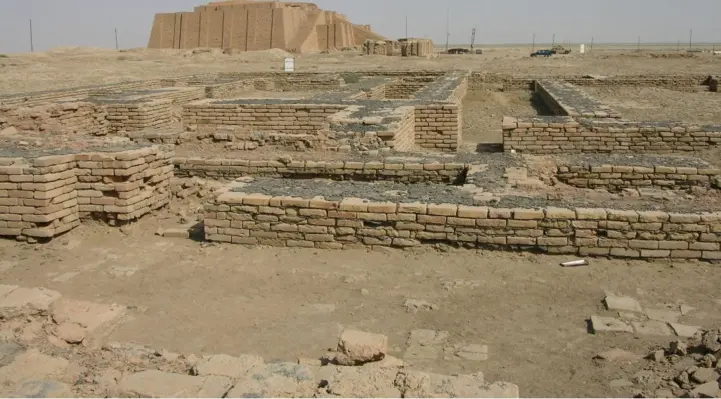
More than one great civilization has passed on the land of Iraq that still fascinates us to this day, including the civilization of "Assyria", the civilization of "Chaldean" and the civilization of "Babylon", and on its land was the great city of "your", the capital of the Kingdom of "Sumer".
The city of "your", the capital of the "Sumerian" state more than 4100 years ago
Recommend
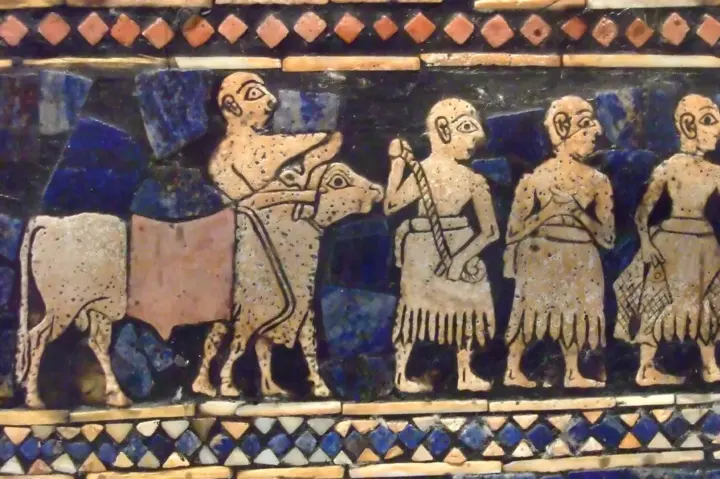
It is the birthplace of the father of the prophets, our master Ibrahim, peace be upon him, where it is mentioned that he was born in it, and it was the capital of the state of "Sumer" in 2100 BC, when they took the current southern Iraq as the place of their kingdom, whose place now is the city of Nasiriyah in Iraq, distinguished so far by the most famous ziggurat maintaining its shape, which was illuminated by electricity during the visit of Pope Francis.
What is a ziggurat?
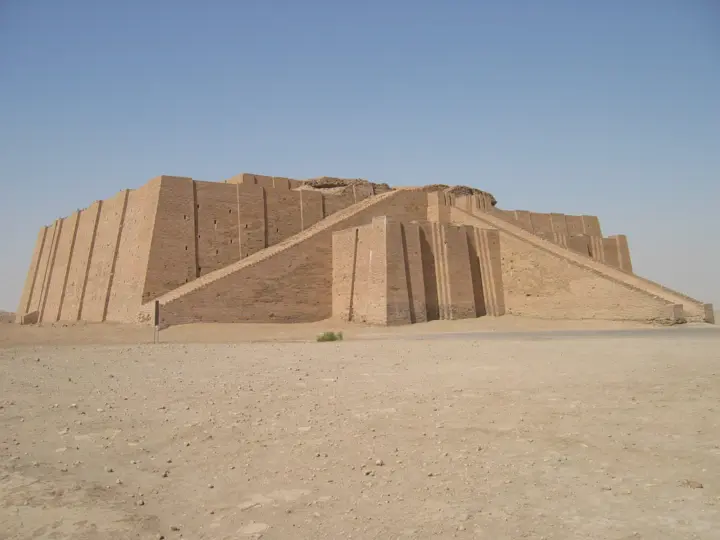
The ziggurat is a hierarchical shape of buildings built on top of each other that were used as temples for idols and priests, and the temples in the city of your were built using clay and bitumen and then they built temples on top of each other to show the pyramidal ziggurat shape that we know it by now.
Gilgamesh and the Great Flood
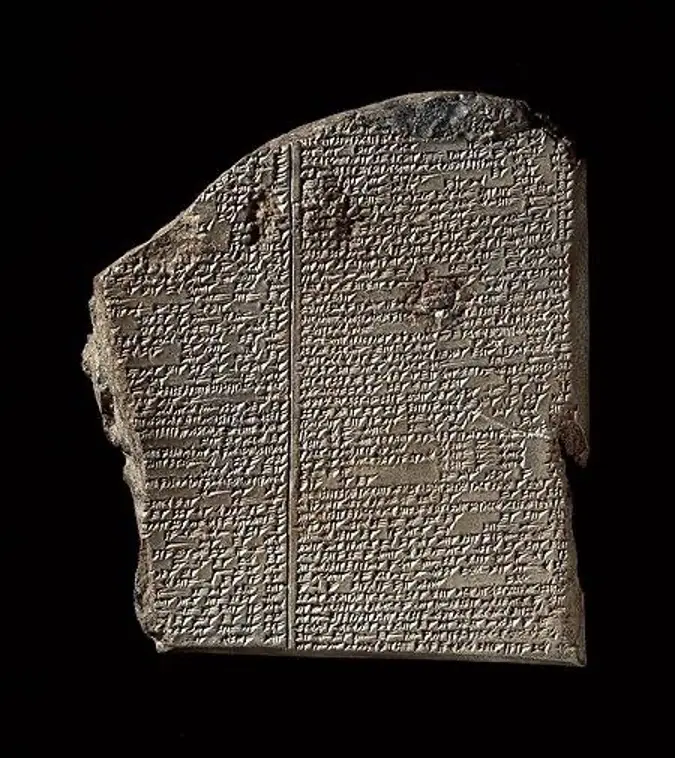
The poetic epic named after its hero "Belgamesh" or "Gilgamesh" and sometimes written "Gilgamesh" dates back to the era of the Third Dynasty of the kings of your, approximately in 2100 BC, the greatest ruling dynasty of the Sumerian state, which consisted of five great kings.
Gilgamesh's painting in Akkadian was written on clay tablets and discovered in the library of King Ashurbanipal in the ancient city of Nineveh, where the story of the Great Flood that covered the entire earth was told hundreds of years before it was mentioned in the Torah.
The five great kings of your
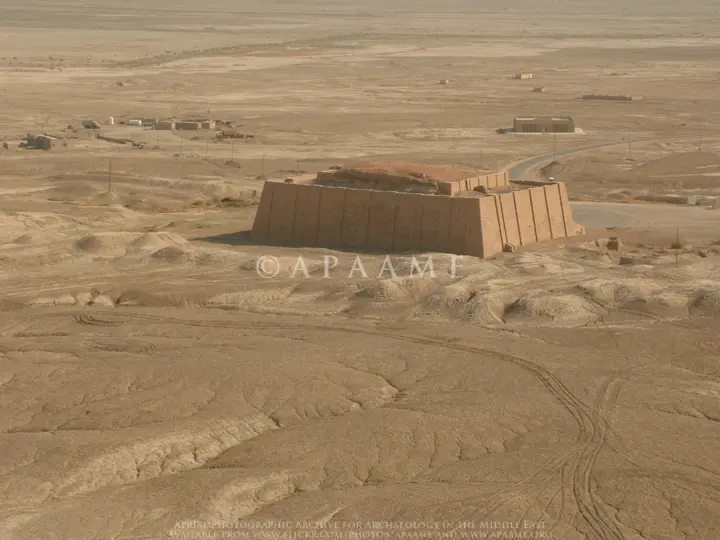
The third dynasty of your consisted of five great kings, Urnamu, Shulki, Amar Sin, Shu Sin, and the last of whom was Ibi Sin.
These five kings ruled for more than 100 years since its foundation King "Ornmore", in which the Sumerian state lived a period of great prosperity and recovery, as in that period the Sumerian language, which was fiercely rivaled with the Akkadian language, was revived, and the religion flourished in terms of re-venerating the ancient Sumer gods more than other gods.
Science and arts in various forms also flourished, and literature and poetic epics such as the epic "Gilgamesh", which tells us about the story of the Great Flood and what happened in it, also flourished.
The story of the flood as reported in the Gilgamesh tablets
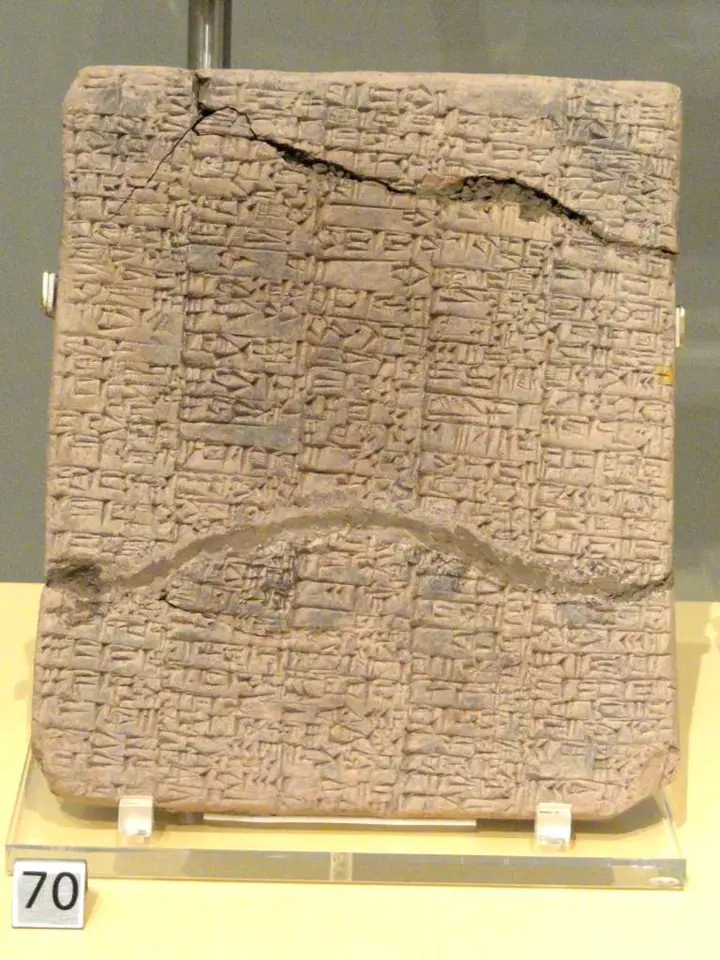
The epic tells the story of "Gilgamesh" king of "your" and his journey with "Enkidu" in the search for the secret of immortality, and consists in the entirety of what was discovered about it to approximately 11 clay tablets that were written on them in Akkadian to tell about the conflict experienced by King "Gilgamesh", who lived alone in his great kingdom, which made him overwhelm it, and therefore the gods saw that it was necessary to create a competitor for him to put an end to his tyranny and oppression.
Indeed, it was Enkidu who was created to fulfill the demands of the parish that Gilgamesh neglected.
The relationship that began with hostility and competition between Gilgamesh and Enkidu changed over time into a friendship that made Gilgamesh enter into a state of great sadness when his friend Enkidu died, and this sadness had a radical impact on the journey of Gilgamesh, who decides to leave the monarchy and search in all parts of the earth for immortality. As for the story of the flood, it is mentioned in the eleventh tablet of the epic tablets in which it is mentioned that Gilgamesh set out on his journey to "Untabashtim", who was endowed by the gods with immortality and eternal life, so that "Gilgamesh" knew the secret from him and he would live immortal as well.
When Gilgamesh asks Untabashtim about the secret, the latter tells him that the gods of Shuribac, when they grew old and their city grew old, sent a great flood and ordered the man of Shuribak, the son of Opara-Tutu, to build a ship, to abandon his possessions, and to work to carry the seed of life with him on that ship, and to take from every neighborhood.
The man of "Shoribak" complied with the divine command and indeed built the ship and covered it with bitumen. Despite the preparation for the flood, the flood was mighty and terrifying so strongly that "Ishtar" screamed and said that the earth returned mud as in the old days, because the flood lasted six days and six nights, so the ship moves, rises and descends from the flood and settled on a mountain called Mount "Naseer" until the seventh day arrives and then the flood ends, and it is likely that this is the last part in the epic "Gilgamesh" Most historians believe that the twelfth tablet was later added to Epic.
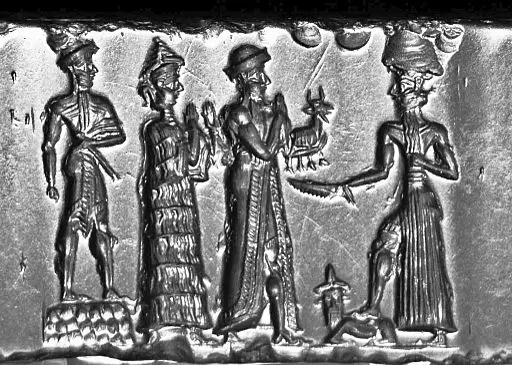
Ancient Iraq has many treasures, many of which are moral treasures such as history, civilization, art and literature, and some of them are material, such as the ruins of ancient cities, their ziggurats and monuments, so it was and still is one of the greatest lands that carried the greatest civilizations throughout history until this moment.