The Euphrates River and the receding mountain of gold
ADVERTISEMENT
The Euphrates River, a cradle of ancient civilizations, has long been a source of mystery and legend. Among its many tales is the prophecy of a receding river that will reveal a mountain of gold, igniting curiosity, fear, and fascination across cultures.
This article unravels the allure of that myth,
ADVERTISEMENT
exploring its historical roots, its significance in religious texts, and the environmental realities shaping the river today. Join us as we explore the captivating intersection of legend, history, and nature surrounding the Euphrates and its enigmatic treasure.
The receding mountain of gold in the Euphrates River is one of the minor signs of the Hour
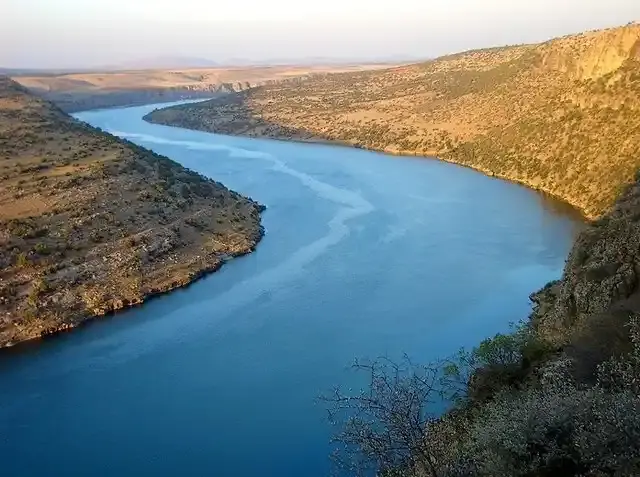
Photo from Wikimedia
The Euphrates is closely associated with Iraq, and this is understandable: Mesopotamia is defined by the Tigris and the Euphrates. Recently, however, rumours have multiplied about the appearance of a mountain of gold in the Euphrates, which is one of the signs of the Hour that the Messenger of Allah (peace and blessings of Allah be upon him) mentioned.
ADVERTISEMENT
Before discussing the Euphrates and the Prophet's prophecy about the receding waters and the emergence of a mountain or treasure of gold, it is important to know where the river is, its source, its course, where it empties, and what distinguishes it. We will address these points in the lines that follow.
Location and course of the Euphrates River
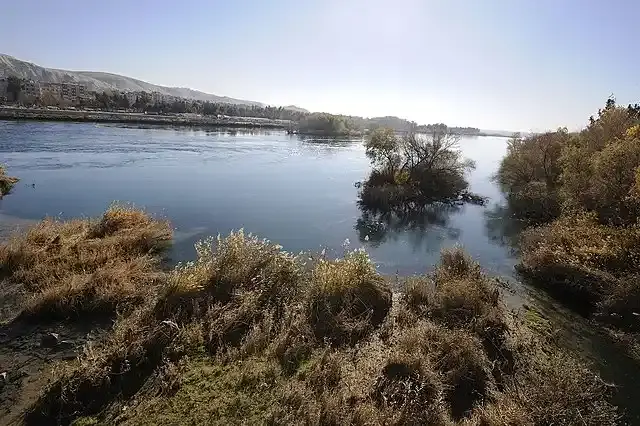
Photo from Wikimedia
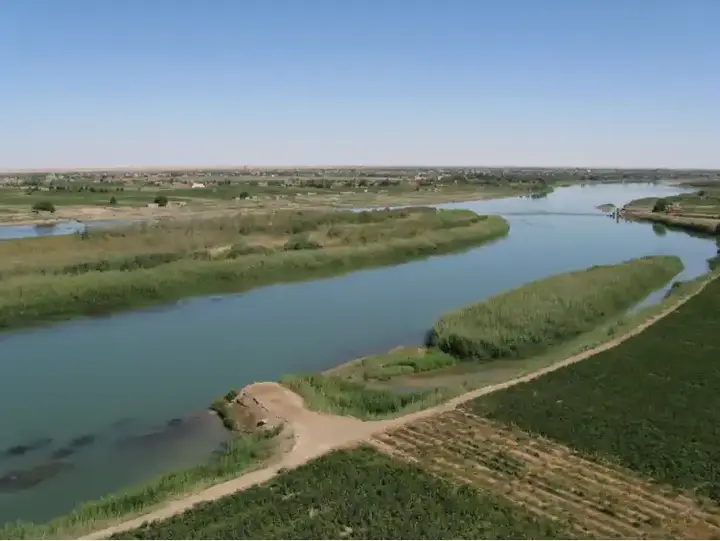
The Euphrates is one of the longest rivers in the Near East, with an approximate length of 2,781 km. It rises in the Taurus Mountains in Turkey, specifically from two small rivers in northeastern Anatolia, and flows westward, receiving small tributaries as it enters Syria near the city of Jarabulus. On its way it is joined by rivers such as the Balikh and the Khabur, and it completes its journey in Syrian territory near the city of Al-Bukamal. It enters Iraq at Al-Qa'im and then passes through other provinces and cities along Mesopotamia — such as Babylon, Karbala, Najaf, Diwaniyah, Muthanna and Dhi Qar — where the marshes form. There the Euphrates joins the Tigris to form the Shatt al-Arab, which finally flows into the Arabian Gulf.
ADVERTISEMENT
What are marshes?
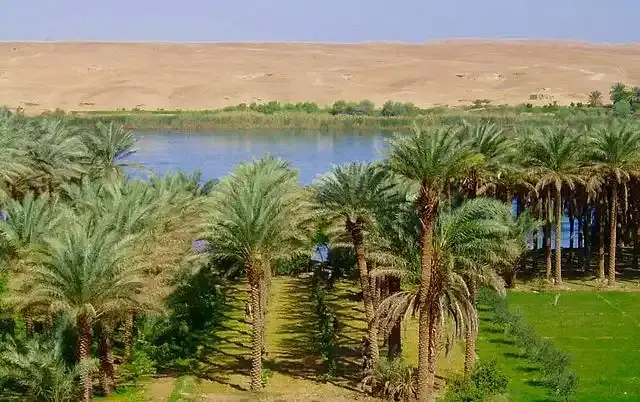
Photo from Wikimedia
The marshes are a fertile area formed by the waters of the Tigris and Euphrates, their freshness and extreme fertility, and the bounties they carry along their course. Residents of the marshes say that the landscape, the culture of building homes, their tools, and their fishing practices have remained the same for thousands of years, passed down from father to son since the time of the Sumerians in the region until today.
The Euphrates River and the mountain of gold are among the signs of the approaching Hour
Photo from Wikimedia
The Euphrates is mentioned more than once in the Prophet's hadiths; it is said to be one of the rivers of Paradise. In Sahih Muslim the Prophet Muhammad (peace and blessings of Allah be upon him) said: "Sihon, Jayhan, the Euphrates and the Nile are all rivers of Paradise."
ADVERTISEMENT
It was narrated that Abu Hurayrah (may Allah be pleased with him) said the Messenger of Allah (peace and blessings of Allah be upon him) said: "The Hour will not arise until the Euphrates uncovers a mountain of gold on which people will be killed, and one in every one hundred and ninety‑nine will be killed."
In another hadith the Messenger of Allah (peace and blessings of Allah be upon him) said: "The Euphrates is about to disclose a treasure of gold. Whoever is present there will not take anything from it."
Did the mountain of gold appear and did the Euphrates recede?
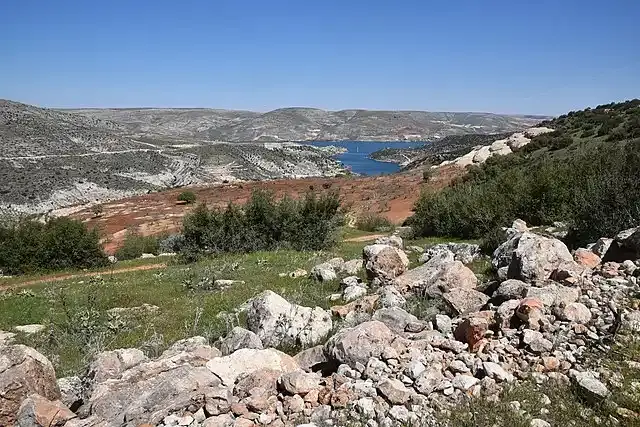
Photo from Wikimedia
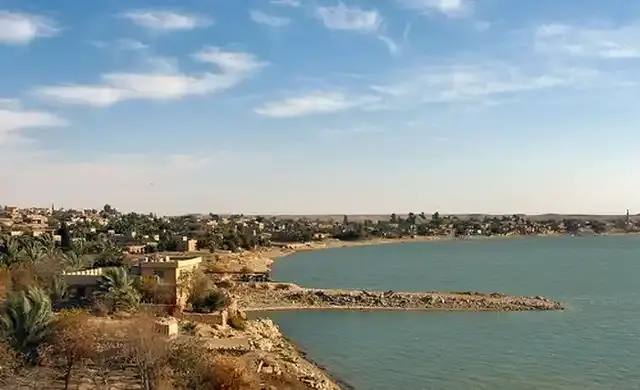
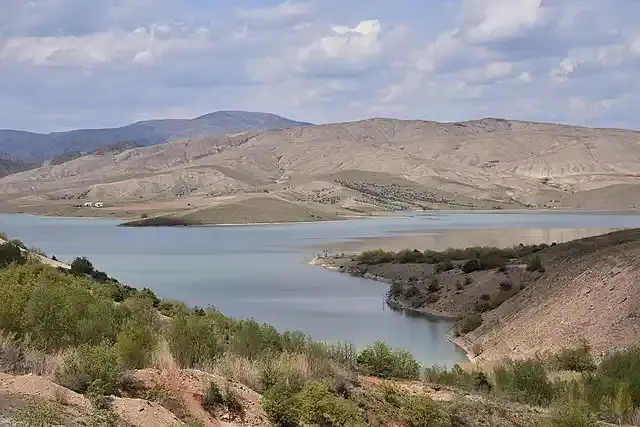
Although many people in recent times have spoken about the appearance of one of the signs of the Resurrection — the water receding from the Euphrates to reveal a treasure or mountain of gold — the river's occasional receding is a real and observable phenomenon. However, the gold treasures the Prophet mentioned have not yet appeared. The emergence of such an amount of gold, the hadith implies, would lead people to fight and annihilate one another until only one out of every one hundred remained.
ADVERTISEMENT
But what made people think this sign had appeared, and why has the Euphrates begun to recede?
Photo from Wikimedia
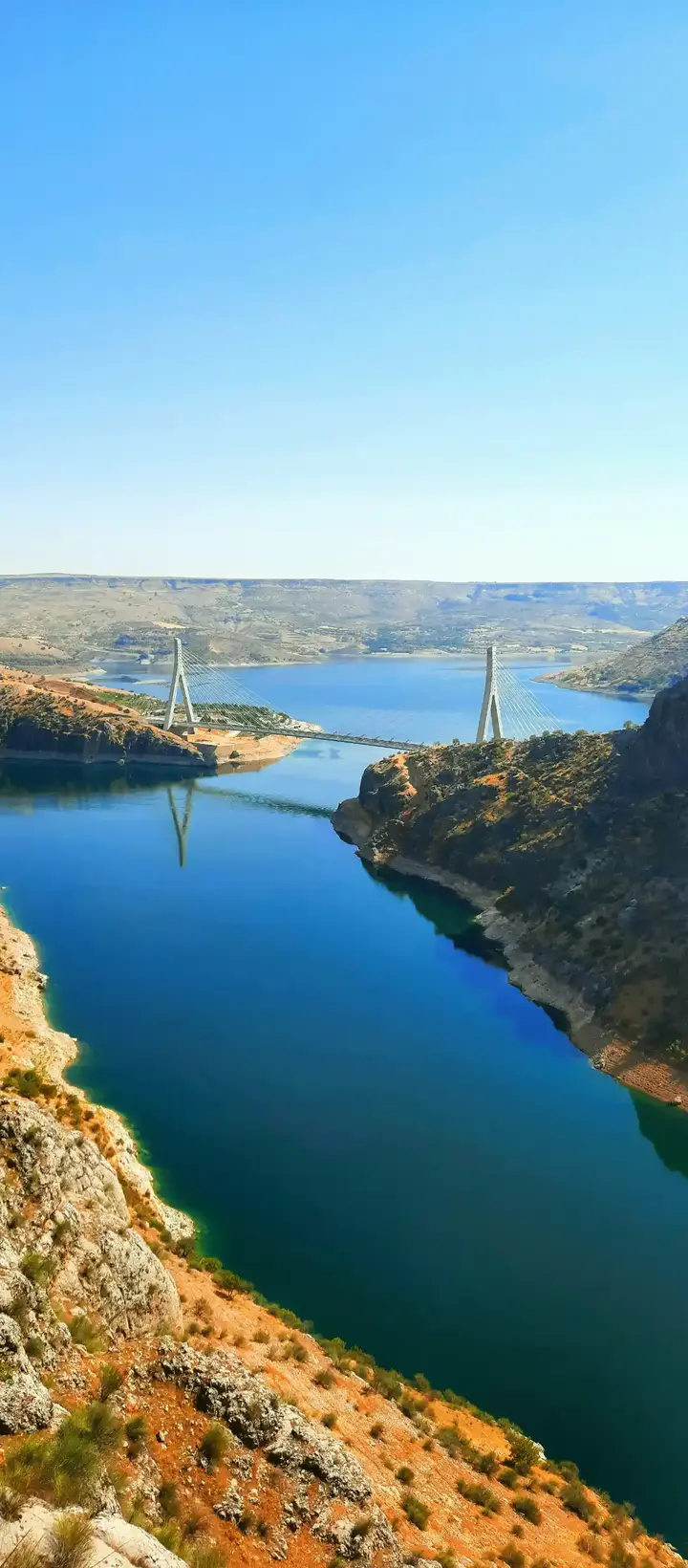
The construction of dams along the river's course has contributed to falling water levels. In Syria there are three dams on the Euphrates: the Euphrates Dam, the Baath Dam and the Tishreen Dam. Turkey has also built several large dams upstream, including the giant Atatürk Dam. As a result, water levels often fall behind these dams, especially during periods of reduced rainfall, such as in summer.
The Euphrates River: history and perpetual present
Photo from Wikimedia
The Euphrates is one of God's gifts to people on earth. It is described as one of the rivers of Paradise; even if we do not know the exact interpretation of that hadith, the description gives the river a special sanctity and status among bodies of water.
ADVERTISEMENT
Beyond witnessing the many civilizations that settled on its banks — including the Assyrian and Babylonian civilizations — the Euphrates also captivates those who see and visit it with its distinctive character and fresh water.
إسلام المنشاوي
ADVERTISEMENT
السيارات المستعملة في الأردن: كيف تحقق أقصى قيمة عند البيع والشراء؟
ADVERTISEMENT
يعتبر سوق السيارات المستعملة في المملكة الأردنية الهاشمية من أكثر القطاعات حيوية ونشاطاً. فمع التغيرات المستمرة في الرسوم الجمركية وتكاليف الترخيص، أصبحت عملية اقتناء سيارة مستعملة أو بيعها تتطلب ذكاءً استراتيجياً يتجاوز مجرد فحص المحرك. إن الهدف لأي مواطن أردني اليوم هو تحقيق "أقصى قيمة مالية"، سواء كان يرغب في
ADVERTISEMENT
التخلص من سيارته القديمة بأعلى سعر ممكن، أو البحث عن لقطة العمر في سوق السيارات المحلي.
في هذا المقال، سنغوص في تفاصيل السوق الأردني لنقدم لك دليلاً شاملاً يضمن لك التفوق في عملية التفاوض وضمان حقوقك التقنية والمالية.
الصورة بواسطة fentonroma على envato
فهم طبيعة السوق الأردني وعوامل التسعير
قبل الدخول في تفاصيل البيع والشراء، يجب إدراك أن الأردن يتمتع بخصوصية فريدة. هنا، لا يتم تسعير السيارة بناءً على عمرها فحسب، بل تدخل عوامل أخرى مثل:
ADVERTISEMENT
نوع الوقود: السيارات الهجينة (Hybrid) والكهربائية (EV) تحظى بطلب هائل نظراً لارتفاع أسعار المحروقات، مما يرفع من قيمة إعادة البيع الخاصة بها.
حالة "الفحص": الكلمة السحرية في الأردن هي "فحص كامل" (أربعة جيد). أي ضرر في الشاسيه أو الهيكل يؤدي لهبوط حاد في السعر مهما كانت حالة المحرك ممتازة.
سجلات الصيانة: الالتزام بالصيانة الدورية لدى مراكز معتمدة يمنح المشتري طمأنينة تترجم مباشرة إلى دولارات أو دنانير إضافية في جيب البائع.
نصائح الشراء: كيف تجد سيارة العمر بسعر عادل؟
شراء سيارة مستعملة قد يكون مغامرة محفوفة بالمخاطر إذا لم تتبع خطوات مدروسة. إليك أهم نصائح الشراء التي توفر عليك الكثير من المال والجهد:
1. البحث والتقصي عبر المنصات الرقمية
لا تحصر نفسك في "الحراج" الفعلي فقط. ابدأ بمراقبة المواقع الإلكترونية والتطبيقات المتخصصة في الأردن. قارن الأسعار لموديلات متشابهة لتعرف متوسط السعر العادل. تذكر أن السعر المعروض غالباً ما يكون قابلاً للتفاوض، لذا لا تندفع للشراء من أول نظرة.
ADVERTISEMENT
2. الفحص الفني المستقل
مهما بدا البائع صادقاً، لا تتنازل عن فحص السيارة في مركز فني مستقل ومعتمد. في الأردن، تشمل عملية الفحص تقييم المحرك، ناقل الحركة، والأهم من ذلك سلامة الهيكل من الحوادث. تأكد من طلب تقرير "كارفاكس" (Carfax) أو ما يشبهه إذا كانت السيارة مستوردة حديثاً، للتأكد من عدم وجود غرق أو حوادث جسيمة في بلد المنشأ.
3. تجربة القيادة في ظروف مختلفة
لا تكتفي بقيادة السيارة لمسافة قصيرة. جربها على طرق صاعدة (وهي كثيرة في عمان) واختبر المكابح والتسارع. لاحظ أي أصوات غريبة أو اهتزازات، فقد تشير إلى مشاكل مكلفة في نظام التعليق أو ميزان الإطارات.
الصورة بواسطة RossHelen على envato
نصائح البيع: كيف تبيع سيارتك بأعلى سعر؟
إذا كنت في الجانب الآخر من المعادلة، فإن التحضير الجيد هو مفتاحك لرفع قيمة إعادة البيع. إليك كيف تجعل المشتري يتخذ قراره بسرعة:
ADVERTISEMENT
1. العناية بالمظهر الخارجي والداخلي
الانطباع الأول يدوم. قبل عرض سيارتك للبيع، استثمر في عملية "بوليش" وتجميل داخلي (Detailing). تنظيف المحرك والمقاعد وإزالة الخدوش البسيطة قد يزيد من قيمة السيارة بمئات الدنانير. السيارة النظيفة تعطي رسالة للمشتري بأن صاحبها كان يعتني بها جيداً.
2. توثيق تاريخ الصيانة
اجمع كل الفواتير والوصولات الخاصة بالصيانة التي أجريتها. وجود سجل ورقي يثبت تغيير الزيوت، الفلاتر، والقطع الاستهلاكية في مواعيدها يمنح المشتري ثقة عمياء ويقلل من محاولاته للمساومة القاسية على السعر.
3. التصوير الاحترافي للإعلان
عند نشر إعلانك في مجموعات التواصل الاجتماعي أو المنصات المتخصصة، التقط صوراً عالية الجودة في ضوء النهار. صور السيارة من كافة الزوايا، بما في ذلك المقصورة الداخلية، الصندوق الخلفي، والعداد. الشفافية في عرض العيوب البسيطة تبني جسراً من الثقة مع المشتري الجدي.
ADVERTISEMENT
الاتجاهات الحالية في سوق السيارات المحلي
يشهد الأردن تحولاً كبيراً نحو السيارات الكهربائية بفضل الحوافز الضريبية. إذا كنت تشتري سيارة الآن، فكر في المدى الطويل؛ فالسيارات التي تعتمد على التكنولوجيا الصديقة للبيئة ستحتفظ بقيمتها بشكل أفضل في السنوات الخمس القادمة. أما إذا كنت تمتلك سيارة تعمل بمحرك احتراق داخلي كبير، فقد يكون الوقت الحالي هو الأنسب لبيعها قبل تراجع الطلب عليها بشكل أكبر.
الصورة بواسطة gpointstudio على envato
تفادي الوقوع في فخ الاحتيال
للأسف، لا يخلو أي سوق من المحتالين. للحفاظ على أمانك المالي:
لا تدفع أي عربون قبل رؤية السيارة وفحصها وطلب أوراقها الرسمية.
تأكد من مطابقة رقم الشاسيه الموجود على السيارة مع الأوراق الرسمية (الرخصة).
يفضل إتمام عملية الدفع داخل البنك أو عبر تحويل رسمي لضمان حقوق الطرفين.
احذر من الصفقات التي تبدو "خيالية" أو بأسعار أقل بكثير من السوق، فغالباً ما تخفي وراءها مشاكل قانونية أو فنية جسيمة.
ADVERTISEMENT
القيمة المضافة: التوقيت المناسب
يلعب التوقيت دوراً جوهرياً في سوق السيارات المحلي. على سبيل المثال، يزداد الطلب على السيارات الصغيرة والاقتصادية مع بداية العام الدراسي أو فترات غلاء الوقود. بينما قد تجد صفقات أفضل على سيارات الدفع الرباعي في فصل الصيف. مراقبة هذه التقلبات الموسمية تساعدك في اختيار اللحظة المثالية للبيع أو الشراء.
إن التعامل في سوق السيارات المستعملة في الأردن هو مزيج من المعرفة التقنية والمهارة التفاوضية. من خلال اتباع نصائح الشراء والبيع المذكورة، والحرص على الفحص الدقيق والشفافية، يمكنك ضمان صفقة رابحة تحفظ مدخراتك وتؤمن لك وسيلة نقل يعتمد عليها.
تذكر دائماً أن السيارة المستعملة الأفضل ليست بالضرورة الأرخص، بل هي التي تمنحك راحة البال وأقل تكلفة تشغيلية على المدى الطويل.
ياسر السايح
ADVERTISEMENT
التعامل مع الإغراءات الإعلانية: استراتيجيات نفسية لحماية محفظتك من الشراء العفوي
ADVERTISEMENT
العالم الرقمي جعل الإعلانات جزءا لا يتجزأ من حياتنا اليومية. تظهر لنا على الهاتف، في مواقع التواصل الاجتماعي، أثناء مشاهدة الفيديوهات وحتى داخل تطبيقات التسوق نفسها. المشكلة لا تكمن في وجود الإعلانات بحد ذاتها، بل في تأثيرها العميق على قراراتنا الشرائية، خصوصا عندما تتحول إلى محفز مباشر على الشراء العفوي.
ADVERTISEMENT
هنا تظهر أهمية فهم سلوك المستهلك وتطوير مهارات الانضباط المالي ورفع مستوى الوعي الإنفاقي.
الصورة بواسطة choreograph على envato
لماذا تدفعنا الإعلانات إلى الشراء العفوي؟
الإعلانات لا تعتمد على عرض المنتج فقط، بل تستخدم تقنيات نفسية دقيقة. تعتمد على إثارة مشاعر مثل الخوف من الفوات، الرغبة في الانتماء، أو الإحساس بأن العرض محدود زمنيًا. عندما يرى الشخص عبارة مثل "لفترة محدودة" أو "الكمية على وشك النفاد"، يتم تحفيز الدماغ لاتخاذ قرار سريع دون تحليل منطقي.
ADVERTISEMENT
هذا الأسلوب يستهدف طبيعة البشر في البحث عن المتعة السريعة وتجنب الشعور بالندم لاحقا، لكنه غالبا يؤدي إلى استنزاف المال دون فائدة حقيقية.
العلاقة بين سلوك المستهلك والشراء العفوي
سلوك المستهلك ليس عشوائيا كما قد يبدو. هناك أنماط واضحة تتحكم في القرارات، منها:
التأثر بالآراء والتقييمات
الانجذاب للعروض والتخفيضات
الربط بين المنتج وتحسين الصورة الذاتية
عندما تدرك هذه الأنماط، يصبح من الأسهل التحكم بردود فعلك وعدم الانجرار خلف كل رسالة تسويقية.
استراتيجيات نفسية فعالة لمقاومة الشراء العفوي
1. قاعدة الانتظار لمدة 24 ساعة
من أقوى الطرق لمقاومة الشراء العفوي أن تمنح نفسك مهلة قبل إتمام أي عملية شراء غير مخطط لها. غالبا ستكتشف بعد مرور الوقت أن الرغبة تراجعت أو اختفت تماما.
2. طرح أسئلة قبل الشراء
درّب نفسك على طرح أسئلة بسيطة لكنها فعالة مثل: هل أحتاج هذا المنتج فعلا؟ هل سيضيف قيمة حقيقية لحياتي؟ هل كنت سأشتريه لو لم أر الإعلان؟
ADVERTISEMENT
هذه الأسئلة تعزز وعي إنفاقي حقيقي وتمنحك سيطرة أكبر على قراراتك.
3. إنشاء قائمة مشتريات مسبقة
سواء كنت تتسوق من متجر إلكتروني أو متجر فعلي، ادخل وأنت تملك قائمة محددة. هذا الأسلوب يقلل بشكل كبير من تأثير الإعلانات والعروض الجانبية التي تهدف إلى دفعك لزيادة المشتريات.
4. تحديد ميزانية صارمة للإنفاق الترفيهي
الانضباط المالي لا يعني الحرمان، بل يعني تحديد حدود واضحة. خصص مبلغا شهريا للمشتريات غير الضرورية، وعندما ينتهي هذا المبلغ، توقف عن الشراء حتى بداية الشهر التالي.
الصورة بواسطة damirkhabirov على envato
كيف تستخدم الشركات الإعلانات للتأثير على قراراتك؟
الشركات تعتمد على بيانات المستخدمين لفهم سلوك المستهلك بشكل أدق. يتم تحليل عمليات البحث، المنتجات التي شاهدتها، وحتى مدة بقائك على إعلان معين. بعد ذلك يتم توجيه إعلانات مخصصة تبدو وكأنها صممت خصيصا لك.
ADVERTISEMENT
هذا الأسلوب يجعل الإعلانات أكثر إغراء ويزيد من احتمالية الشراء العفوي. إدراكك لهذه الحقيقة يمنحك قوة إضافية لمقاومة التأثير.
أدوات عملية لتعزيز الوعي الإنفاقي
تتبع المصاريف اليومية
استخدام تطبيق أو دفتر بسيط لتسجيل كل مصروف يساعدك على رؤية الصورة الحقيقية لأموالك. عندما ترى قيمة مشترياتك الصغيرة مجتمعة، ستدرك حجم تأثير الشراء العفوي على ميزانيتك.
إلغاء الاشتراك في الرسائل التسويقية
الكثير من الإعلانات تصل عبر البريد الإلكتروني أو الرسائل النصية. تقليل هذا التدفق يقلل أيضا من فرص التأثر بها. هذه خطوة بسيطة لكنها فعالة جدا في دعم الانضباط المالي.
ترتيب الأولويات المالية
عندما يكون لديك هدف مالي واضح مثل الادخار لشراء منزل أو تأسيس صندوق طوارئ، يصبح من الأسهل رفض الإغراءات. الهدف الواضح يعمل كحاجز نفسي ضد القرارات العشوائية.
ADVERTISEMENT
الفرق بين الرغبة والحاجة
التمييز بين الحاجة والرغبة مهارة أساسية في مواجهة الإعلانات. الحاجة هي شيء ضروري لا يمكن الاستغناء عنه بسهولة، أما الرغبة فهي إحساس مؤقت غالبا ما يتم تضخيمه عبر الإعلانات.
تعلم هذا الفرق يعزز وعي إنفاقي حقيقي ويمنع الوقوع في فخ سلوك المستهلك المندفع.
كيف تبني عقلية مقاومة للإعلانات؟
بناء عقلية قوية لا يحدث في يوم واحد. يحتاج إلى تدريب مستمر من خلال:
قراءة تجارب الآخرين مع الشراء العفوي
متابعة محتوى تعليمي حول إدارة الأموال
مراجعة قراراتك السابقة والتعلم من الأخطاء
مع الوقت، ستلاحظ أن تأثير الإعلانات أصبح أضعف وأن قراراتك أصبحت أكثر عقلانية.
الصورة بواسطة SkyNextphoto على envato
دور البيئة المحيطة في التحكم بالإنفاق
الأشخاص المحيطون بك لهم تأثير كبير على قراراتك. عندما تكون ضمن مجموعة تميل للإسراف، يصبح من الصعب الالتزام بالانضباط المالي. حاول أن تحيط نفسك بأشخاص يملكون وعي إنفاقي مشابه، أو على الأقل يدعمون قراراتك المالية.
ADVERTISEMENT
التعامل مع الإغراءات الإعلانية لا يتطلب إرادة خارقة، بل وعي متراكم واستراتيجيات بسيطة لكنها فعالة. من خلال فهم سلوك المستهلك، وتطبيق قواعد الانتظار، وتعزيز الانضباط المالي، يمكنك حماية نفسك من الشراء العفوي وبناء علاقة صحية مع المال.
الإعلانات لن تختفي، لكنها لن تسيطر على قراراتك عندما تمتلك الأدوات النفسية الصحيحة والوعي الكافي لإدارة أموالك بذكاء.