Discover Old Tripoli: An open-air museum full of civilization and history

Discover Old Tripoli: An open-air museum full of civilization and history
Show key points
- Old Tripoli is portrayed as an open-air museum where each corner reflects the layered history of civilizations like the Phoenicians, Romans, Ottomans, and more.
- The vibrant souks within the city serve as cultural and commercial hubs that showcase traditional architecture and offer diverse goods from around the world.
- Unique arches scattered throughout the city highlight Tripoli's architectural legacy and connect visitors to its ancient trade routes and historical eras.
- ADVERTISEMENT
- Islamic architecture is prominently featured in Old Tripoli’s historic mosques, such as the Ahmed Pasha Karamanli and Dargut Pasha Mosques, which also functioned as educational centers.
- Architecturally ornate faucets and water ponds reveal the advanced water management techniques and civic planning of past generations.
- The Red Brigades fortress, a symbol of governance and cultural identity, narrates the story of Tripoli’s political transformations from Roman times through Ottoman rule.
- Walking through Old Tripoli offers an immersive experience into a living heritage, where monuments, markets, and religious landmarks collectively embody the city's timeless spirit.
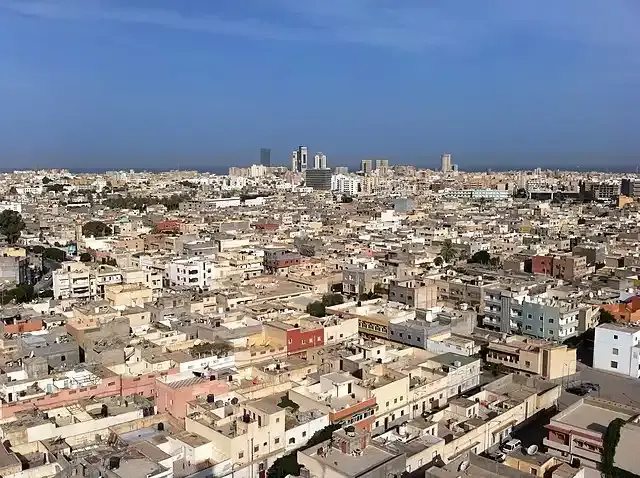
In western Libya, the ancient city of Tripoli is a historical jewel that records the stories of the many eras it has passed through. From the Phoenicians to the Ottomans, every stone still resonates with the succession of civilizations that settled here. An open-air museum, the city is full of distinctive architecture and a rich cultural heritage, making it an invaluable place for learning and exploration.
With every step through its streets, you travel back in time: markets that once bustled with life, mosques where the call to prayer still sounds, and palaces that recall past grandeur and luxury. Old Tripoli is more than a city; it is a journey through history, showing civilization and heritage at their finest.
Recommend
In this article we take you on a tour of that ancient heritage, reviewing its historical landmarks and following in the footsteps of the generations that shaped its cultural fabric. We invite you to open your eyes and your heart to the experience of Old Tripoli—the city of civilization and history.
Markets: the heart of social life

The souks of Old Tripoli form a lively centre, the beating heart of the city. Set within the old city walls, these markets cover roughly 48 hectares and offer visitors a unique shopping experience that blends authenticity with history.
The markets display characteristic architecture that reflects various styles. Some open onto public squares and streets, while others are sheltered beneath covered arcades that give them a distinctive character. There are about 29 multidisciplinary markets offering a wide range of goods, including wool, textiles, clothing, paper, silk, sulfur, gold, wood, tar, henna, wax, leather, ostrich feathers, dates, ivory, salt and precious stones.
Many of the goods sold in the city’s markets came from diverse sources: some were brought across the desert by caravans loaded with African produce, while others arrived by ship from different countries, turning these markets into meeting points for multiple cultures and civilizations.
The markets are always busy: porters lead their animals through the lanes, vendors call out in lively melodies, artisans hammer copper plates, and weavers create colorful textiles from wool. All of this gives the souks an atmosphere of vitality and joy.
Arches in Old Tripoli: landmarks that attract visitors
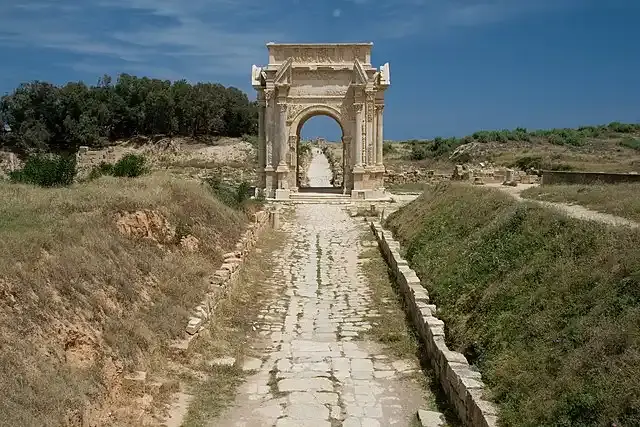
The arches of Old Tripoli are distinctive architectural features that decorate the city and tell the stories of the various eras it has passed through. These arches show diverse designs. Roman arches, such as the Arch of Marcus Aurelius, which dates to the reign of the Roman emperor Marcus Aurelius, testify to Tripoli’s historical importance as a trading hub between Europe and Africa.
The arches reflect the high level of craftsmanship and artistic taste of their times. Today they are an integral part of the city’s cultural identity and serve as historical monuments that attract visitors and anyone interested in history and architecture. They also point to ancient trade routes and offer a glimpse of daily life in the old city when its streets were full of movement and activity.
Mosques and chapels: witnesses to Islamic architecture
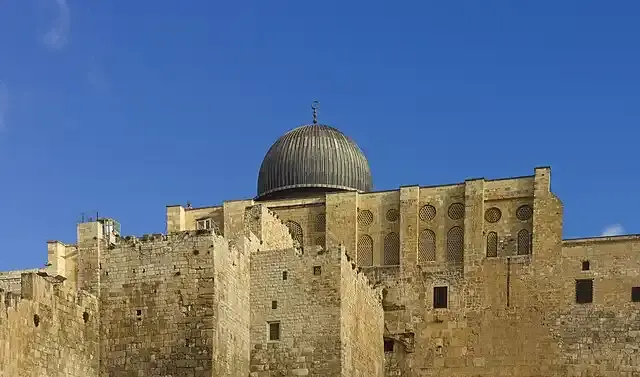
Old Tripoli is famous for its historic mosques, which are living examples of Islamic architecture and the city’s rich past. Among them is the Ahmed Pasha Karamanli Mosque on Souk Al-Moshir Street, one of the city’s major religious landmarks. Built in the Ottoman period, it is known for its tall minaret and spacious dome, reflecting the Ottoman architectural style.
Another important mosque is the Dargut Pasha Mosque, noted for a design that blends Islamic and Ottoman art. It served as a center for religious and scholarly education and once included a school for teaching religious sciences and the Arabic language.
Other notable mosques include the Al-Naga Mosque and the Sheikh Al-Hattab Mosque, both fine examples of traditional Islamic architecture that reflect the religious and social importance of mosques in the lives of the old city’s residents.
An essential part of Old Tripoli’s cultural fabric, these mosques give visitors a unique opportunity to learn about Islamic art and the city’s rich history.
Fountains and ponds: the arteries of the old city
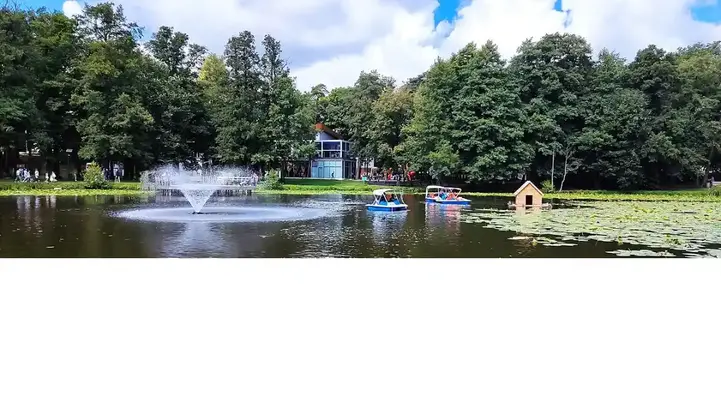
Fountains and ponds are prominent architectural features of Old Tripoli and form a key part of the city’s historic infrastructure. These fountains are notable for their fine decorative designs and date to different periods, reflecting the civilizational and cultural development the city has witnessed over time.
Originally used to provide fresh water to the city’s residents, these fountains now stand as evidence of the engineering ingenuity and attention to detail given to public utilities. They were typically built near mosques, markets and public squares, often decorated with Islamic motifs and Arabic inscriptions that add to their beauty and elegance.
The ponds collected and stored rainwater for various uses. Built in different sizes and shapes, some were covered with domes or arcades to protect the water from pollution and to preserve its purity. These ponds show the wise and resourceful management of water in ancient urban settings.
Today, fountains and ponds draw tourists who come to explore the city’s history and understand how people long ago interacted with their environment and made sustainable use of natural resources.
The Red Castle: the house of governance and culture
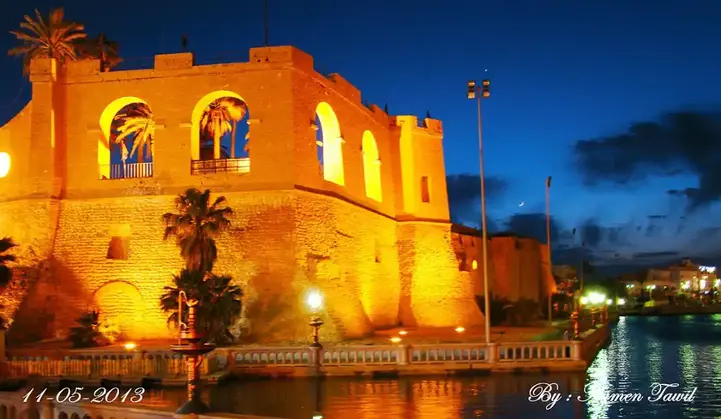
The Red Castle, or Tripoli Citadel, is one of the capital’s most important landmarks, located in the northeastern corner of the Old City. Its red-painted sections overlook Omar Al-Mukhtar Street and Al-Fath Street, giving it a distinctive and stately appearance. Built on the remains of a large Roman structure, the castle underwent major changes and additions over the centuries, adapting to the tastes and needs of each ruling power.
It is said that when the Muslim Arabs advanced on Tripoli under the leadership of Amr ibn al-As in the seventh century CE, they found the city enclosed by a strong wall and only entered it after a month-long siege. During the Spanish occupation, special attention was paid to defensive walls and fortifications; much of the castle’s current exterior is thought to date from the Spanish period and the era of the Knights of St. John.
In the Ottoman period the Turks captured the castle and made several additions. They converted a church inside the castle into a mosque, and Ottoman governors used the fortress as their residence. Ahmed Pasha al-Qaramanli and his family paid particular attention to the fortifications, and during their rule the citadel housed a special building for the ruler of Tripoli.
Today the Red Castle is a historical landmark that attracts visitors keen to explore Tripoli’s rich past and to see how people over time adapted to their environment and used natural resources.
At the end of our walk through the alleys and markets of Old Tripoli, we stand before a living heritage that still pulses with the civilizations that left their mark on the city’s walls. Tripoli, with its monuments and ancient arches, stands as a witness to time, telling generations stories of creativity and greatness.
From bustling souks to grand palaces, from ancient mosques to fountains and ponds, the stories of the past and the spirit of the present are evident in every corner. Old Tripoli is not just a city; it is an open book inviting us to read its pages, rich in history and culture.
Tripoli has been and remains a crossroads of civilizations and a cradle of cultures. It will undoubtedly continue to be an open museum full of civilization and history, drawing visitors and researchers and enriching minds and hearts with the lessons of time.