Marriage ceremonies in the traditions and heritage of Sudan

Marriage ceremonies in Sudan are among the most prominent social and cultural events, embodying the rich and diverse heritage of the Sudanese people. They combine joy and celebration with time-honored rituals that express the country’s traditions and embed them in the Sudanese conscience. Marriage in Sudan is more than a personal partnership; it is a social and cultural experience that links generations and brings together families and communities.
Show key points
- Marriage ceremonies in Sudan are deeply rooted in tradition and serve as vital cultural and social events that unite families and entire communities.
- Engagement rituals typically begin with a formal marriage proposal led by the groom's family, followed by elaborate gift-giving and joyful celebrations marked by music, traditional foods, and symbolic gestures.
- Unique and sometimes unusual customs, such as spraying water or milk on the couple or cutting silk ribbons, highlight the symbolic richness and regional diversity of Sudanese wedding practices.
- ADVERTISEMENT
- Henna night and other pre-wedding events are central to the celebrations, featuring traditional attire, music, intricate body art, and community bonding.
- Families of the bride and groom play a central role in organizing the wedding, negotiating arrangements, funding expenses, and preserving cultural values.
- Traditional Sudanese weddings are known for their richly flavored dishes, including broth, kibbeh, molokhia, and a variety of sweets, which contribute to the festive and communal ambiance.
- Despite facing economic challenges, Sudanese couples are adapting by embracing simpler weddings, using technology for planning, and introducing innovation while still honoring age-old customs.
In this article, we explore the depth of marriage ceremonies in Sudan and the variety of their rituals and details, from the early preparations to the signing of the marriage contract and the celebratory moments that follow.
Engagement customs in Sudan
Recommend
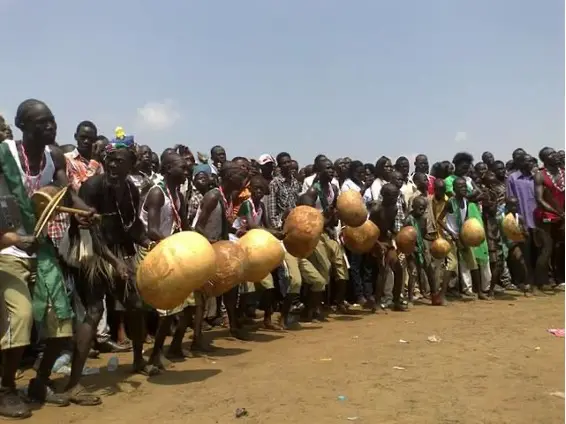
In an atmosphere full of romance and ancient tradition, families in Sudan gather to celebrate engagements with ceremonies that express joy and social harmony. The engagement process begins with a marriage proposal from the groom’s guardian to the bride’s family. For example, in the Khartoum region the proposal may be made formally and with clear terms, specifying the dowry and arranging further meetings until a suitable date is set for the engagement ceremony and the bride’s gifts are agreed upon.
Choosing an engagement gift is an important part of the custom. The proposing family offers valuable gifts to the bride’s family as a sign of appreciation and respect. Gifts often include jewelry, fine fabrics, household appliances, or even large sums of money.
The engagement ceremony is followed by a social gathering where members of both families and close friends participate. The event often includes the slaughter of sheep and cattle, entertainment, traditional music with drums, songs and hymns to heighten the festive atmosphere. Dining tables are arranged carefully to serve dishes that reflect Sudanese heritage and culture.
Among the distinctive engagement customs in some parts of Sudan are the following:
Unusual water-blessing rituals: In some areas, the engagement may include rituals in which the bride and groom are blessed with water. Water is sprinkled on them in various ways to bless their steps toward marriage and to protect them from envy.
The ceremony culminates in a special moment, the exchange of rings and the pledge to marry. The couple express their sincere feelings and their wish to begin life together in happiness and peace. This moment is marked by refinement and beauty and reflects Sudan’s tradition of honoring both families.
The diversity of marriage ceremonies in Sudan and the strangest traditions
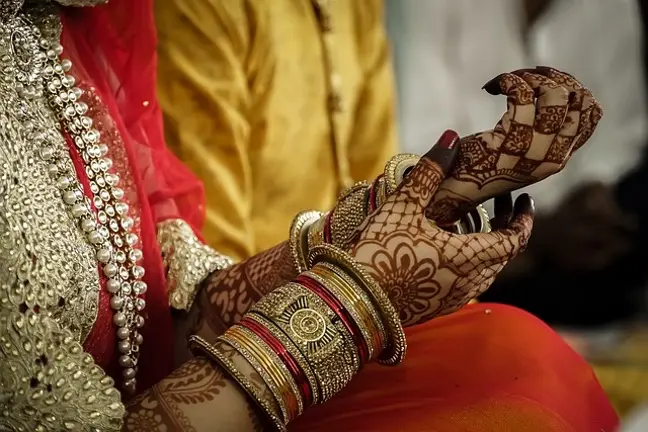
Sudanese weddings include distinctive rituals that reflect the country’s heritage and social values. They are known for a unique, joyful atmosphere and a range of ceremonies that begin with pre-wedding preparations and continue throughout the celebrations.
Henna night is one of the most important wedding rituals in Sudan. Held two or three days before the wedding, these gatherings feature henna application, music, singing and congratulations. Women skillfully draw intricate henna designs on the bride’s hands and feet. The occasion is also an opportunity for members of both families to meet and offer blessings.
On the wedding day the main celebration takes place, featuring events such as the bride and groom’s grand procession, a feast of traditional dishes, and dancing to folk music. Traditional Sudanese dress is an important part of the occasion; the bride often wears an elaborate traditional outfit with bright colors and detailed decoration.
Gartaqa: This is a very old custom, said to date back to the Pharaonic era, in which both the groom and bride wear red clothing and the head of the family gives them a "gartaqa," a piece of red silk.
Spray milk: The bride and groom each put some milk in a bowl and spit it out onto their future partner’s face.
Lat: The bride wears a piece of silk tied around her waist, which the groom cuts and throws to the audience.
In this way, Sudanese marriage ceremonies show strong African cultural influences, reflecting the cultural and historical diversity that characterizes the country.
The celebrations conclude with a farewell ceremony: a special banquet held to bid farewell to the bride before she leaves her family home. This ceremony combines sadness over the bride’s departure from her father’s house with joy and good wishes for the couple’s future.
How important are marriage ceremonies in Sudan?
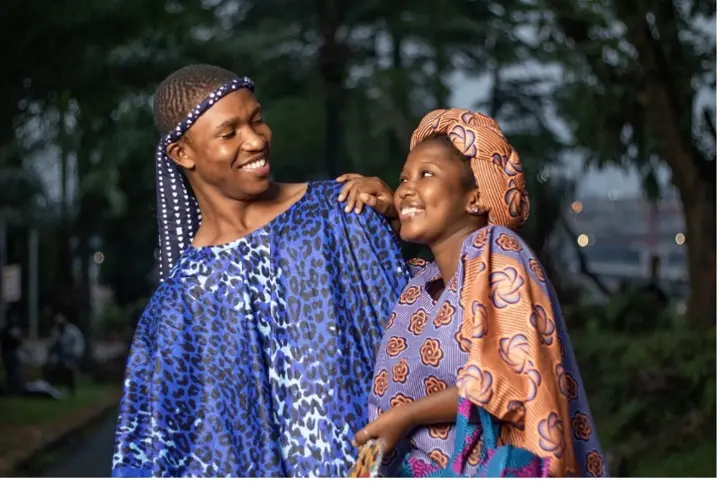
Marriage ceremonies hold a central place across many Sudanese communities. They are not merely celebrations; ceremonies are an integral part of Sudanese heritage and tradition. Neglecting them is often considered taboo and, in some societies, may even be treated as a serious offense. In those communities there may be customs that prescribe penalties for people who fail to attend marriage ceremonies. Examples of such penalties include:
Social punishment: Someone who is absent from a marriage ceremony may face social isolation, since absence can be viewed as a breach of social customs and may cause the person to lose respect and the community’s trust.
Financial punishment: In some cases a tribal leader may impose fines on people who miss a marriage ceremony, especially if they confirmed their attendance beforehand but did not show up without an acceptable excuse.
Personal punishment: Absence from a marriage ceremony may damage personal relationships, such as loss of friendship or a falling out with the family involved.
Marriage ceremonies are thus an opportunity to strengthen family and social ties between families, tribes and friends; to resolve differences; and to demonstrate tribal unity and solidarity. They also serve to pass heritage and cultural values to younger generations, where young people learn the customs and traditions of their country.
The customs of the newlyweds' family in marriage ceremonies in Sudan
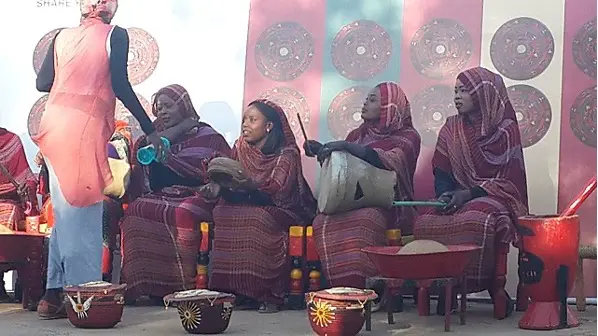
In Sudan, marriage is not only an alliance between two people but also a bond between two families and communities. The family plays a vital role in organizing and managing marriage ceremonies, coordinating, planning and making decisions to preserve Sudanese traditions and customs.
1. Providing emotional and material support (filling money): The family provides emotional and material support to the newlyweds. This can include contributing funds to cover wedding costs and providing furniture and gifts for the couple. Sudanese families often take responsibility for booking the wedding hall, buying traditional clothing for the newlyweds, and providing gifts and jewelry—a practice known as "filling the money."
2. Negotiating marital details (saying goodness): Members of both families engage in careful negotiations over marriage details, such as the date and venue of the ceremony, as well as arranging the friendship (walima) and dividing responsibilities according to custom. These agreements are typically handled by the parents of the bride and groom, with the couple themselves not intervening in these details.
3. Organizing family rituals: The family organizes rituals that accompany marriage ceremonies, including engagement parties and celebrations before and after the wedding. They supervise the dances, the festivities, the slaughter of animals and the food that will be served.
Food at Sudanese weddings
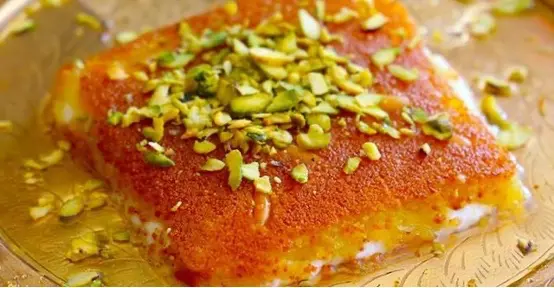
Sudanese wedding cuisine is known for its variety and richness. A range of traditional dishes and desserts are served to delight guests and to celebrate customs and heritage. Here are some popular foods you might find at a Sudanese wedding:
1. Sudanese broth: Broth is a main dish at Sudanese weddings, featuring different meats such as beef or chicken combined with vegetables and spices.
2. Kibbeh: Kibbeh is a well-known dish made of dough filled with minced meat, herbs and spices, then fried or cooked in traditional ways.
3. Molokhia: Molokhia (mallow) is a beloved dish, usually served with rice and meat to make a complete and satisfying meal.
4. Samosa: Samosas are popular savory pastries filled with meat or vegetables, fried until crisp and delicious.
5. Traditional sweets: Desserts vary and may include basbousa, kunafa, maamoul, baklava and manoushe, typically served with traditional coffee to complete the celebration.
The specific dishes and sweets served can vary by region, local custom and the preferences of the families hosting the ceremony.
Economic factors affecting marriage ceremonies in Sudan
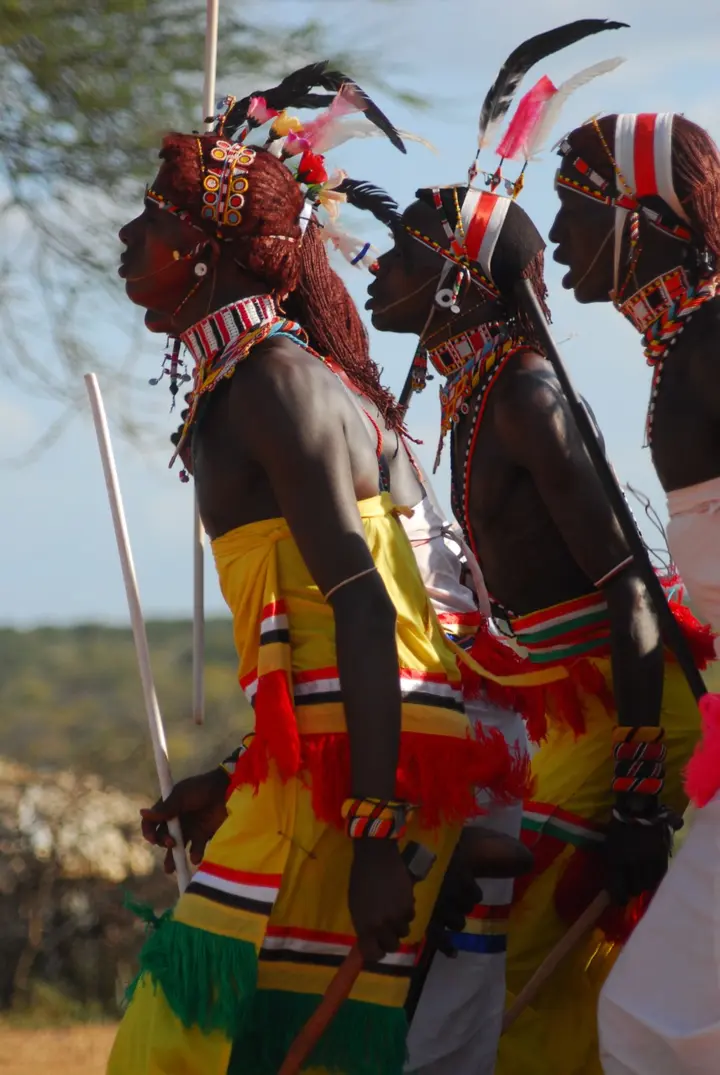
Behind the joyful moments of Sudanese celebrations are the effects of difficult economic conditions. As a result, the tone of some weddings has changed: halls are more simply decorated, and large performances are often scaled back, reflecting a spirit of modesty and thrift.
Grooms often keep a "points" book to record every financial contribution made by guests; these contributions have become an important way to cover costs rather than relying solely on parents as in the past.
People increasingly handle decorations themselves instead of hiring professionals, guest lists are limited to close friends and relatives instead of the thousands once invited, and food quantities are adjusted to match the smaller guest list rather than wasting large amounts.
These modest, expressive moments highlight the challenges people face and the Sudanese ability to adapt and innovate in hard times. They continue to celebrate with joy and optimism while striving to preserve heritage and culture.
The future of marriage ceremonies in Sudan

The future of Sudanese marriage ceremonies points to notable changes that reflect evolving traditions, culture and the preferences of younger generations. Technology is playing a larger role in organizing weddings: smartphone apps may be used to coordinate events and share details with guests.
Weddings may move toward updated and innovative formats, such as ceremonies in tech-equipped halls or luxury hotels, and the use of recorded music instead of traditional drums and live bands, giving some celebrations a different character.
Couples may also adopt new ways of funding weddings, such as online donations or crowdfunding, rather than relying entirely on parental payments.
The use of technology and social media to organize and promote weddings, coordinate between families and invite guests is also likely to increase.
Moments of joy and affection: Wedding Week Ceremony in Sudan
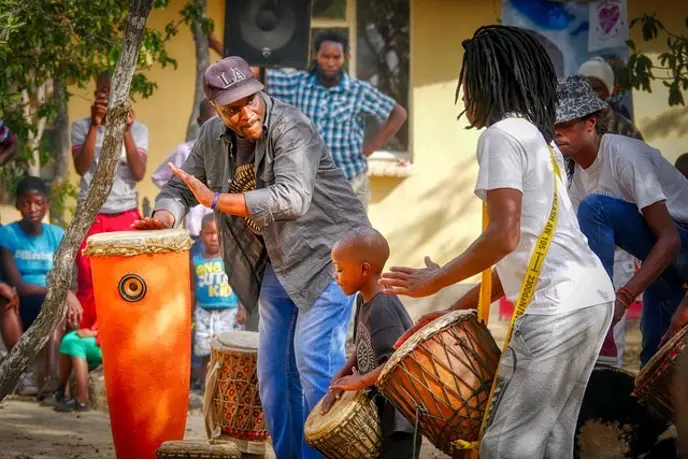
In Sudanese marriage tradition, the "Seven" ceremony is an important and distinctive chapter. It takes loved ones out of the routine of daily life and into a period of celebration. The ceremony marks a week since the newlyweds began their life together and is a time for family and friends to offer congratulations.
On this special day, family and friends gather to honor the newlyweds. They scatter roses and flowers across the marital home, slaughter animals in courtyards, and fill the air with singing and drumming.
Tables are laden with dishes ranging from grilled meats to sweets, and then gifts and contributions are collected according to custom. Many Sudanese families follow a tradition known as "revealing" during the Sabwa ceremonies, where family, friends and acquaintances make financial contributions on the day of the feast. Each contribution is recorded in the "statement" book kept by the parents of the newlyweds. This debt is considered an expression of friendship and love and is typically repaid on similar occasions, either in the same amount or in higher amounts.