Top European holiday destinations to travel by train from London

From Eurostar canal journeys to overnight trains that take you across several countries while you nap, train travel across the region has never been easier. As summer approaches, take advantage of the railways to reach some of Europe’s top destinations.
Show key points
- Train travel across Europe from London has become increasingly accessible, with many top destinations reachable within 24 hours by rail.
- Paris is just over two hours from London via Eurostar, making it ideal for both day trips and weekend getaways packed with iconic sights and fine dining.
- The new European Sleeper makes Berlin more accessible overnight from Brussels, offering a convenient blend of nightlife and historic attractions.
- ADVERTISEMENT
- Prague, known for its charming old town and historic castle, will soon be more reachable thanks to new sleeper train routes being added in 202
- Barcelona can be comfortably reached in around 12 hours by combining Eurostar and TGV services, making it perfect for a beachside cultural escape.
- Amsterdam offers a scenic four-hour Eurostar journey from London and boasts picturesque canals, historical landmarks, and vibrant neighborhoods.
- Eurostar operates frequent and reliable services from St Pancras International to several major European cities, with ticket prices starting at approximately £78 return.
Here’s our guide to some of the best sites in Europe that you can reach within 24 hours by train from London.
Paris, France

The French capital has been easy to visit by train since the launch of Eurostar in 1994. Today, trains from St Pancras International will get you there in around two hours and 16 minutes, making it a possible day-trip destination as well as a great place for a weekend. As a major transport hub, Paris also serves as the change point for many of the other cities on this list, with straightforward connections to the rest of France, Belgium, Spain and beyond.
Recommend
From the Louvre to the Eiffel Tower, explore the city’s different neighbourhoods to admire world-famous landmarks, galleries and museums while wandering the streets. Haussmann’s nineteenth-century architecture adds to the city’s unique style and romance, while the world-famous gastronomic scene offers everything from fine dining to familiar desserts.
How to get to Paris by train
Eurostar runs up to 17 services per day from St Pancras to Gare du Nord. Return fares start at £78, and there are deals that include hotels and train travel. Eurostar.com.
Berlin, Germany
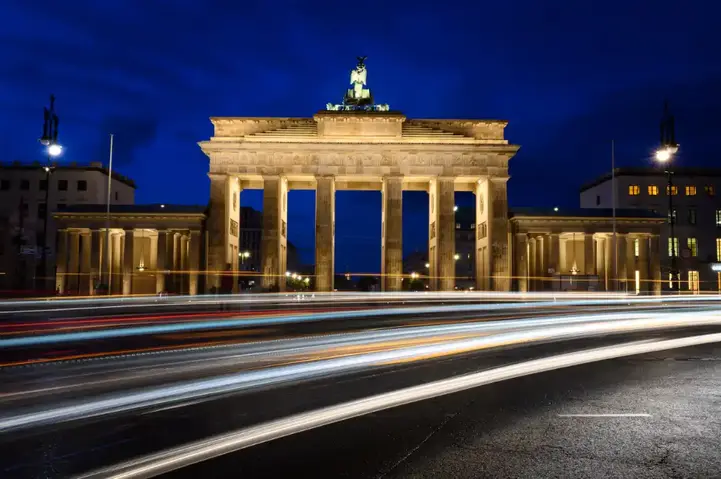
With the launch of new night routes by the Dutch-Belgian operator European Sleeper in May 2023, it became much easier to reach Berlin by train. The German capital is a modern European destination whether you are a party lover or a history buff. Many visitors try both: nights in the city’s strict clubs and days exploring the remaining sections of the Berlin Wall.
While sites such as Checkpoint Charlie and the Brandenburg Gate attract thousands of tourists, it’s worth wandering Berlin’s diverse neighbourhoods. Mitte is the heart of the city, while Kreuzberg and Prenzlauer Berg are great options for an afternoon stroll.
How to get to Berlin by train
The Sleeper night train departs from Brussels at 7:22pm local time on Mondays, Wednesdays and Fridays and arrives at 6:48am the following morning. The operator has aligned its schedules with Eurostar arrivals, so the connection should be straightforward.
Prague, Czech Republic

The European Sleeper route adds two stops in 2024: Dresden and Prague. This will make travelling from the UK (and certainly from Brussels) much easier, but until it launches you’ll need to travel with Deutsche Bahn from Brussels to Frankfurt, and then on to Prague. Whatever your route, when you arrive you will find one of Europe’s finest capitals.
The focal point of the city is its magnificent old town, filled with winding cobbled streets and dozens of options for drinking and dining. The Old Town Square sits at the city’s heart, while Wenceslas Square is only five minutes away. Across the river, on a hill overlooking the city, lies Prague Castle, the largest ancient castle complex in the world.
How to get to Prague by train
Your best bet is to take Eurostar to Brussels (fares start at £78 round trip), change there and continue to Frankfurt. From Frankfurt you may need to change in Nuremberg or Regensburg before arriving in Prague, with a total journey time averaging 14–20 hours depending on your departure time from London. Point-to-point fares on the final leg start at £48 per person.
Barcelona, Spain

With trains running daily from Paris, Barcelona is easily accessible from the UK. TGV operates express trains that take just over six hours, meaning you can have breakfast in London and end the day with cocktails opposite the Sagrada Família. Spain’s second city, and Madrid’s cosmopolitan cousin, Barcelona blends European and Spanish influences to form a unique and eclectic destination.
Ideal for holidays, the sprawling city leads straight to the coast, where long stretches of golden sand meet beach bars and bustling nightclubs. There are more attractions than you can cover in a single weekend – from Gaudí’s buildings to the Olympic Park in Montjuïc – but what sets the city apart is the quality and variety of things to do. Whether you’re watching football at Camp Nou or spending an afternoon at the Picasso Museum, many of Barcelona’s sites are among the best in Europe.
How to get to Barcelona by train
One of the easier journeys on this list, and it can be done in a day if you leave early — total travel time is around 12 hours including waiting and transfers. After arriving by Eurostar at Paris Gare du Nord, cross the city to Gare de Lyon, where six-hour trains depart for Barcelona three times a day. Prices for this second leg start at £44.
Amsterdam, Netherlands
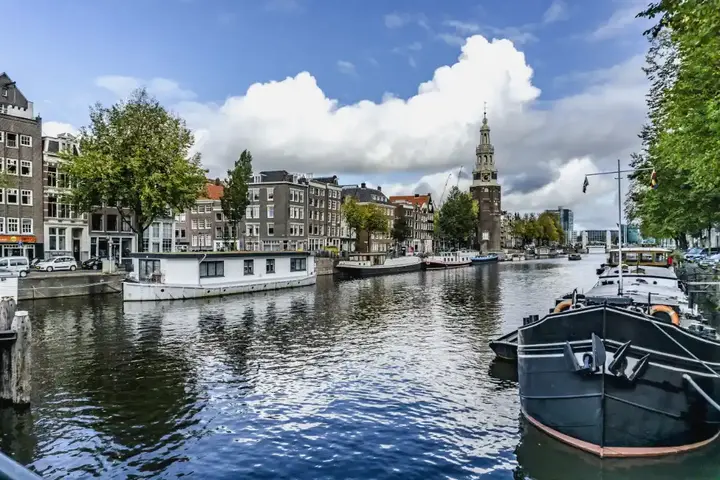
While the train to Amsterdam takes longer than flying, it’s a chance to enjoy the countryside scenery of northern France and Belgium. You’ll arrive at Amsterdam Centraal, where you can step out of the station and head straight into the city centre.
The Dutch capital’s scenic canal network, lined with seventeenth-century houses, steals the spotlight in this exceptionally walkable — and bikeable — city. Its parks, such as Vondelpark and Oosterpark, offer pleasant green space, while the Red Light District draws many visitors every day. Historical sites and museums, including the Anne Frank House and the Rijksmuseum, are among the city’s worthwhile attractions.
How to get to Amsterdam by train
Amsterdam can be reached in just under four hours on Eurostar. As with other Eurostar direct services, return fares in Standard Class start at £78. Eurostar.com