7 ways to survive as a civilian during the World War

If the worst happened and a global war broke out, how would you survive? If radioactive fallout or chemical weapons threatened your safety, where would you go? What supplies would you take, and how could you make sure your loved ones are safe? We rarely think about surviving such disasters, but if the unthinkable ever occurs we should prepare in advance. Use these seven tips to help you survive if the world goes to war so you have what you need when the time comes.
Show key points
- In the event of global war, relocating to rural areas or southern hemisphere countries like New Zealand or Argentina can significantly increase your chances of survival.
- Assembling a comprehensive survival kit with non-perishable food, water, medical supplies, and essential tools is crucial at the outset of conflict.
- Clean drinking water is vital, so you must locate and purify water sources early, avoiding saltwater and ensuring you have a purifier or knowledge to build one.
- ADVERTISEMENT
- First aid kits and personal hygiene tools should be accessible and complete, and learning how to use them could prevent serious infections and health risks.
- Staying away from active war zones and unknown objects helps avoid traumatic injuries and deadly encounters with explosives or mines.
- A secure shelter made of brick or concrete, preferably with a basement and away from windows, offers necessary protection against attacks and radiation.
- Keeping informed via social media, battery radios, or reliable sources helps you identify safe zones and make informed survival decisions.
1. Find the safest place
Major cities such as London, Tokyo, and Paris are the most dangerous places during a war. Head for rural areas, villages, or small towns, since fighting often occurs in large, densely populated centers. If you can relocate to another, safer country, do so. Such a safe country might be in parts of Oceania, Africa, or Asia. Most of the world’s nuclear-armed powers and other major military forces are in the Northern Hemisphere, so the southern hemisphere is generally safer. Countries like New Zealand, Australia, and Argentina are often cited as safer options. Be ready to flee if necessary.
Recommend
2. Prepare a survival kit
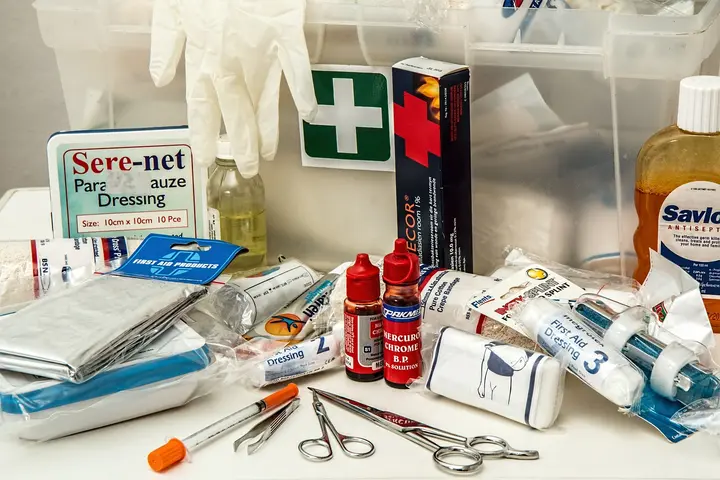
Put together one or more survival kits as soon as war begins. Know what to include and pack as many essentials as you can: non-perishable food, water, a battery-powered radio, a flashlight, first-aid kits, seasonal clothing, prescription medicines, a knife, a multi-purpose tool, a water purifier for use away from home, waterproof matches or a fire lighter, personal hygiene items, baby supplies if you have children, pet supplies if you have pets, a whistle, a backpack, extra batteries, and so on. It’s best to bring food that can be eaten without cooking in case there is no electricity. Long-sleeved clothing offers more protection than short sleeves. Finally, keep your survival kit in an easily accessible place.
3. Find a safe source of water
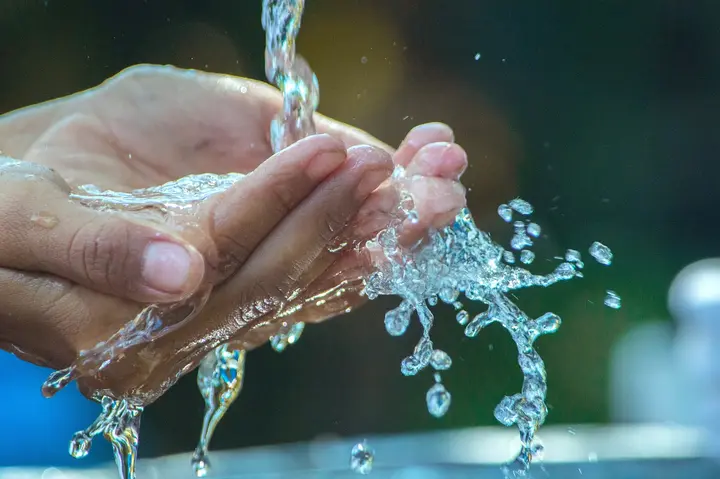
Water is one of the most important things for survival. Finding a source of clean water during a war can be difficult, so locate one before your stored water runs out. A water purifier for use outside the home will make survival easier. Remember that clear water is not always safe to drink. In general, groundwater and rainwater are often safer than stagnant surface water, but running water is the safest—faster flow usually means cleaner water. Water is cleaner the closer you are to its source. Do not drink salt water, and always purify water before drinking. If you don’t have a water purifier, learn how to make one. If there’s a mountain nearby, search around the base of cliffs for sources. The presence of mosquitoes and flies can be a sign that water is nearby.
4. Prepare first-aid kits and learn how to use them
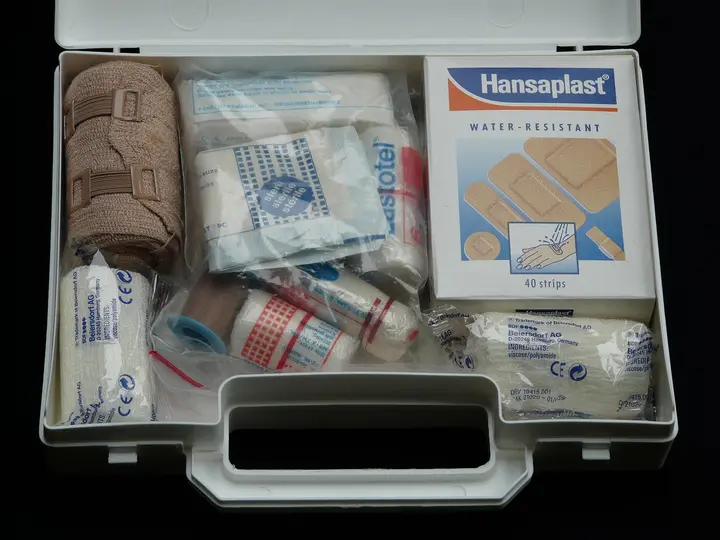
During war it’s important to treat traumatic injuries and illness. Store medical supplies where you can reach them quickly, and keep more than one kit so they’re easier to access. A kit should include medicines, alcohol wipes, hand sanitizer, adhesive bandages, cloth tape, an instruction manual, an oral thermometer, anesthetic spray, antibiotic ointment, gloves, safety pins, scissors, ice packs, rubbing alcohol, tweezers, and similar items. Learn how to use these supplies from the manual or online resources. In addition to first-aid kits, personal hygiene kits help prevent infections. Include soap, toilet paper, women’s hygiene products, diapers, and other items you’ll need to stay clean and reduce disease risk.
5. Avoid traumatic injuries and infections

Stay away from active combat zones. There may be bombs or landmines that can injure or kill you. If you see anything suspicious or out of the ordinary, do not touch it. Use first-aid kits to treat minor traumatic injuries: wash wounds with clean water and cover them with bandages. Knowing how to perform CPR is also important. Keep yourself clean to reduce the risk of infection, and always purify any unbottled water before drinking it. If you don’t have a water purifier, boiling is an alternative: boiling water for 10 minutes will kill pathogenic organisms.
6. Find or create a proper shelter
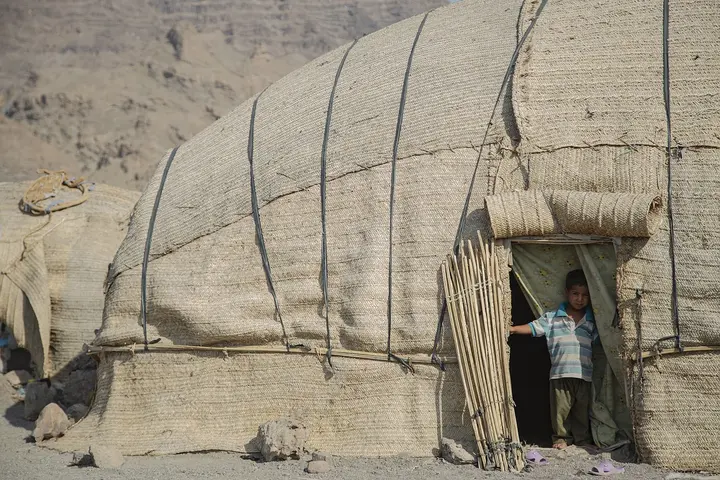
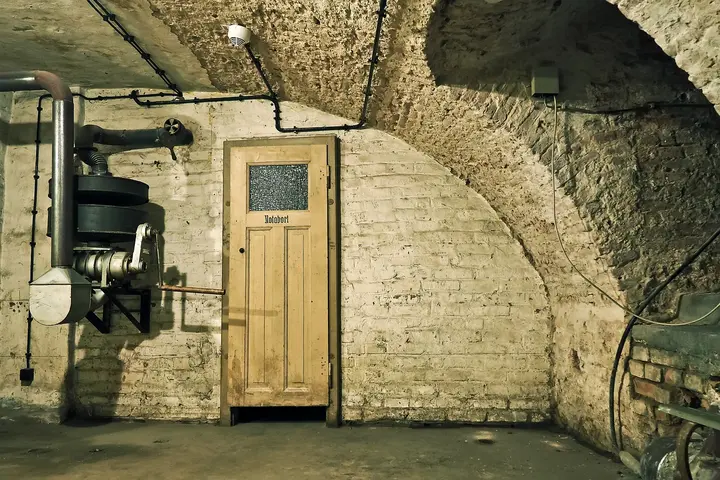
A masonry building made of brick or concrete provides the best protection. If there is a basement or cellar, go there—cellars are among the safest places during an attack. Don’t enter a building unless you’re sure it can protect you; that depends on how it was built and how close you are to the attack. Stay away from windows and exterior doors; a windowless room is safer because explosions can shatter windows. Also avoid flammable materials that could ignite from heat. After an attack, stay inside. If you flee into the countryside or forest, set up a suitable shelter as soon as possible and choose a safe location. You can learn how to build a shelter from online resources such as YouTube.
7. Stay up to date with the latest information
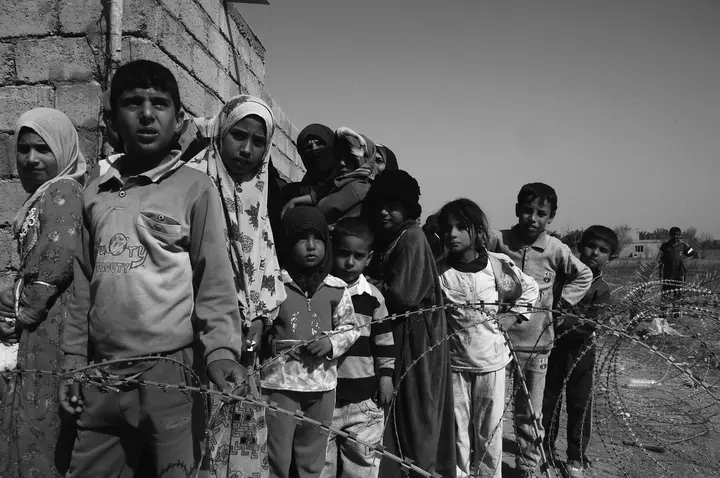
Access to up-to-date information is vital for survival. It helps you identify safe and dangerous areas. If you can use social media, do so—social platforms can be a fast way to get news, but always verify that the information is accurate. If you don’t have a phone or internet access, use a battery-powered radio. You can also ask people you meet for news, but be aware that this can be risky.