Mozart's Journey to Greatness: From Child Wonder to Musical Legend

The genius of the musical world The birth of Johannes Christoph Wolfgang Amadeus Mozart, better known as "Mozart", in 1756, is one of the greatest artistic phenomena in history. Mozart delivered an incomparable musical legacy, inspiring and enriching many composers and musicians through the ages. His 35-year artistic experience was a masterpiece par excellence, as his compositions varied between symphonies, opera and various musical compositions, and influenced many contemporary musical currents. Mozart's presence remains a symbol of passion and artistic creativity.
Show key points
- Mozart demonstrated extraordinary musical talent from a very young age, astonishing audiences by composing and mastering instruments before the age of five.
- His contributions to opera revolutionized the art form by introducing emotional depth, complex characters, and social commentary that resonated across generations.
- Scientific studies have shown that listening to Mozart’s music positively impacts mental health, enhancing mood, concentration, and emotional well-being in both adults and children.
- ADVERTISEMENT
- By challenging traditional musical rules, Mozart introduced innovative harmonies and rhythms that redefined classical music and shaped future musical evolution.
- His life was filled with fascinating stories and lesser-known facts, including his adventurous spirit and the speed and precision with which he composed over 600 works.
- Known as a symbol of creative passion, Mozart’s legacy continues to live through his timeless compositions that still captivate and inspire listeners worldwide.
- The "Mozart effect" illustrates his enduring influence, with research indicating that exposure to his music may enhance cognitive functions and learning abilities.
1. The Emergence of Genius: The Genius Child Who Amazed the World with His Musical Talents
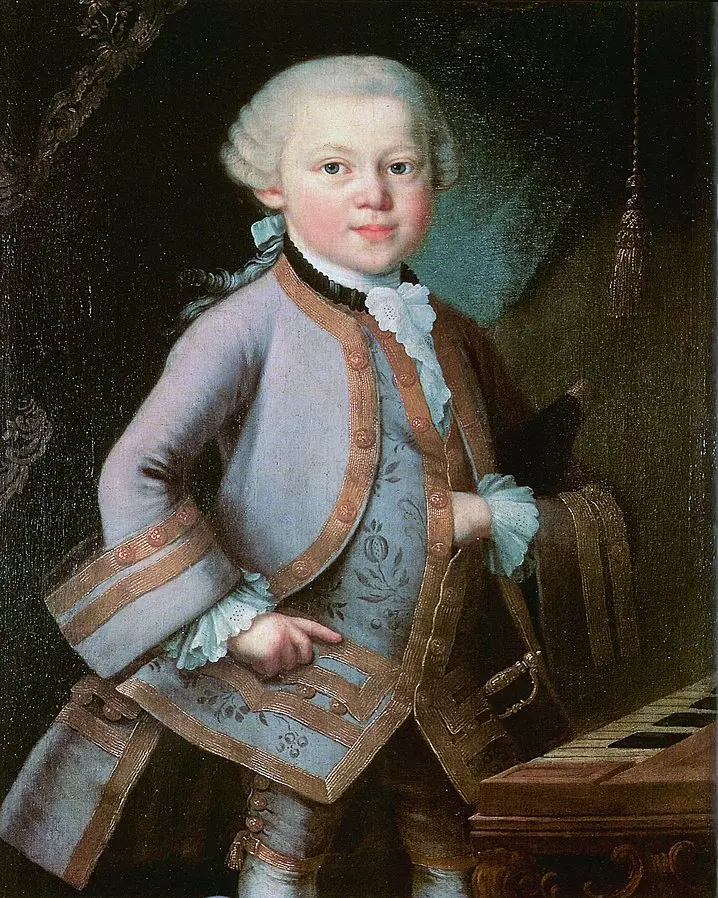
In the world of music, everyone should be known for the personality and career of the great music genius, Mozart. But did you know that this genius began his artistic journey since he was a young child? And that he had amazed the world with his extraordinary musical talents before he reached the age of ten?
Recommend
Mozart's upbringing dealt with a story passed down through generations. Born in Salzburg, Austria, in 1756, Mozart already possessed exceptional abilities in music from an early age.
What particularly caught the eye was his uncanny ability to learn musical instruments very quickly. At the age of only three, Mozart was able to express himself professionally on the violin. Later, he experimented with other instruments such as the violin and piano, and was able to learn and master them like never before at such a young age.
But for Mozart, it wasn't just his playing skills, he had the unique ability to create, create original music, and complex musical experiences. At just five years old, he composed his first piece of music, a small symphony. It was here that began his brilliant career in the world of indescribable music.
Mozart also had the ability to taste and analyze music exceptionally. He could only hear any piece of music once, and then completely compose it with great precision on the piano. This emerging talent has amazed many musicians and scientists and gave the impression that he is talented.
Mozart's upbringing as a child genius began to shine in the sky of music and showcase his amazing musical talents from a young age. Over time, these talents did not fade, but continued to grow and develop, until Mozart became the genius who enchanted the world with his timeless musical creations.
2. Melody of Life: Mozart's Influence on Everyday Life and Mental Health of Individuals
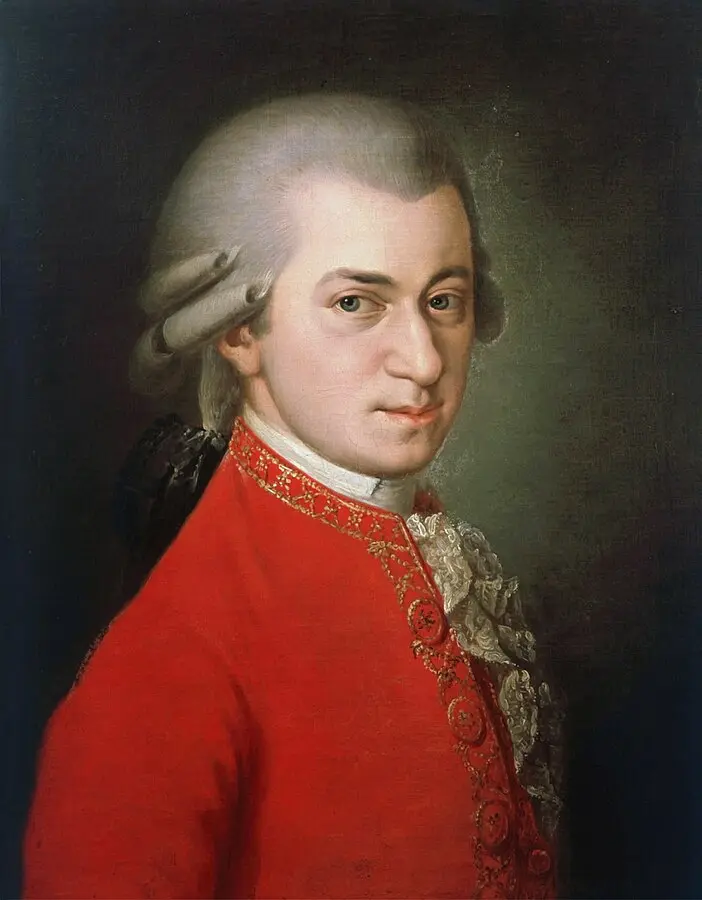
The impact of music on the emotional state and mental health of individuals is undeniable. Among the most prominent classical authors, Wolfgang Amadeus Mozart's name stands out strongly. Several scientific studies have shown that listening to music by Mozart can improve mood and relieve stress and anxiety.
There is even a term known as the "Mozart effect," which refers to the assumption that listening to Mozart's music improves intelligence and concentration. In 1993, French scientist Alfred Tommatis conducted a study called the "Mozart effect" and recommended listening to classical music to increase concentration and improve mental performance. Since then, many researches and experiments have been conducted to confirm this positive effect.
Mozart's influence is not limited to mental abilities, but also extends to the psychological and emotional health of individuals. For example, a study by researchers at the University of Oxford showed that listening to Mozart's music can reduce stress hormone levels in the body and increase the secretion of serotonin levels, which is linked to feelings of happiness and well-being.
Mozart's benefits are not limited to adults, but also to children. In a study conducted at the University of California, listening to Mozart's music was shown to increase brain activity and improve concentration and emotional regulation in children. Based on this study, the concept of "Mozart for Children" emerged, which is the use of Mozart's musical compositions to promote learning and mental development in children.
It can be argued that Mozart's influence on the daily lives and mental health of individuals is not just fiction, but a scientific fact. Beautiful classical music and Mozart's composer possesses the unique ability to relax the mind and awaken the soul, helping to bring balance and happiness to the daily lives of individuals.
3. Opera behind the curtain: Mozart's legacy in the world of opera and its development

Opera is a theatrical art that combines music, singing and performances, and Mozart played a decisive role in the development of this fine art. Mozart's influence in the opera world began at a young age when he was inspired by the operatic music he listened to and watched in Vienna.
Mozart performed more than 20 operas during his lifetime, and became a prominent influence in the development of this art. In his operatic works, Mozart presented moving stories and multidimensional characters, changing people's perception of opera and deepening their understanding of this art.
The Marriage of Figaro was one of Mozart's most notable works. This opera was a tremendous success and influenced the change of the rules of traditional opera. Mozart brilliantly used music to express the inner feelings and tensions of the characters, and introduced dramatic changes in the social and political contradictions of the era in which he lived.
This musical legacy that Mozart created in the world of opera continues to this day to influence modern opera. It inspires current composers and musicians to explore musical frontiers and renew ideas and techniques that can be used in opera.
Through his numerous and varied works in the world of opera, it is undeniable that Mozart had a great influence in the development of this beautiful art. His legacy in the opera world continues to inspire composers, singers and audiences, and reflects Mozart's high artistic ability and passion for music.
4. The Challenges of Seriousness: Mozart's Role in Changing Traditional Musical Rules
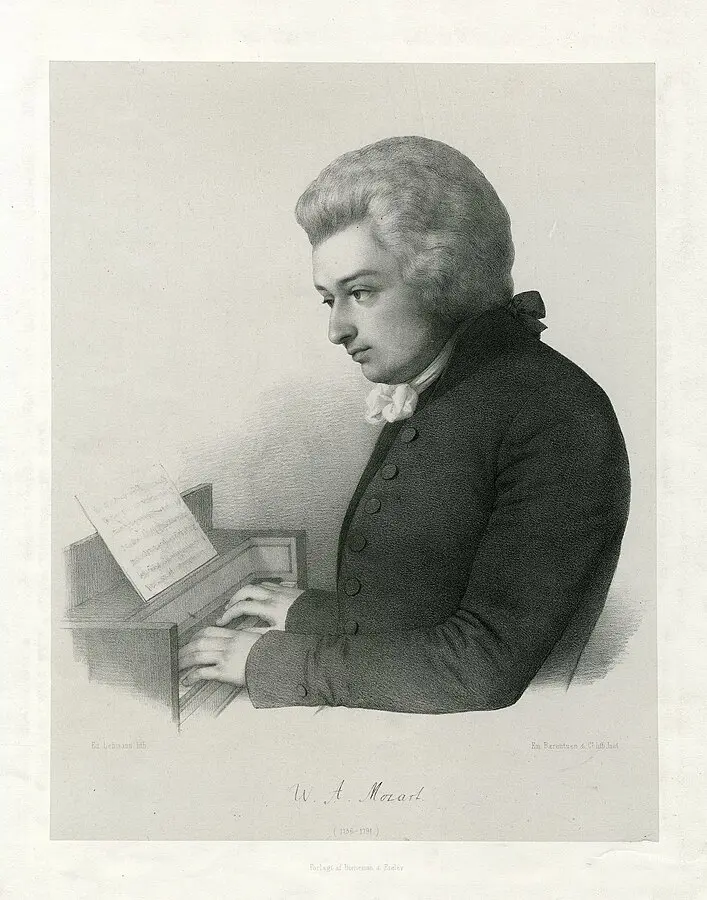
Mozart's music is universally appreciated for his genius talents and artistic innovations. One of the most important aspects that Mozart influenced the music world was the change in the traditional musical rules that were dominant in his time. Mozart defied these rules and the bold experiments he introduced led him to revolutionary innovations and the development of the concept of music.
With his unique artistic style, Mozart added new depth and complexity to the music of the time. He developed the rules of music harmony, using volumes and harmony that were not familiar to the traditional period. He also modified the rhythm rules, using multiple and complex rhythms that required high technical skills from performers.
In the first place, Mozart challenged traditional musical rules in order to express human emotions directly and honestly. He presented epic musical stories through opera, which went beyond the boundaries of traditional opera familiar at the time. His bold musical performances used the real emotions and complex contradictions of the characters, concretely embodying the reality of the human condition.
Moreover, Mozart expanded the concept of rhythmic diversification into traditional music. Present diverse and complex rhythms that give the music a cool and dynamic rhythm. He also used rhythm changes to indicate emotions and tension in his compositions.
It can be said that Mozart's serious challenges greatly influenced the future of music. His cultural and artistic impact cannot be overlooked, providing a new entry point for musical creativity and opening doors to bold experiments and innovations. Thanks to his innovative changes, Mozart was able to create a unique musical heritage that continues to inspire and enrich the musical world to this day.
5. The few known facts: Mozart's fascinating life journey and the secrets that surround him
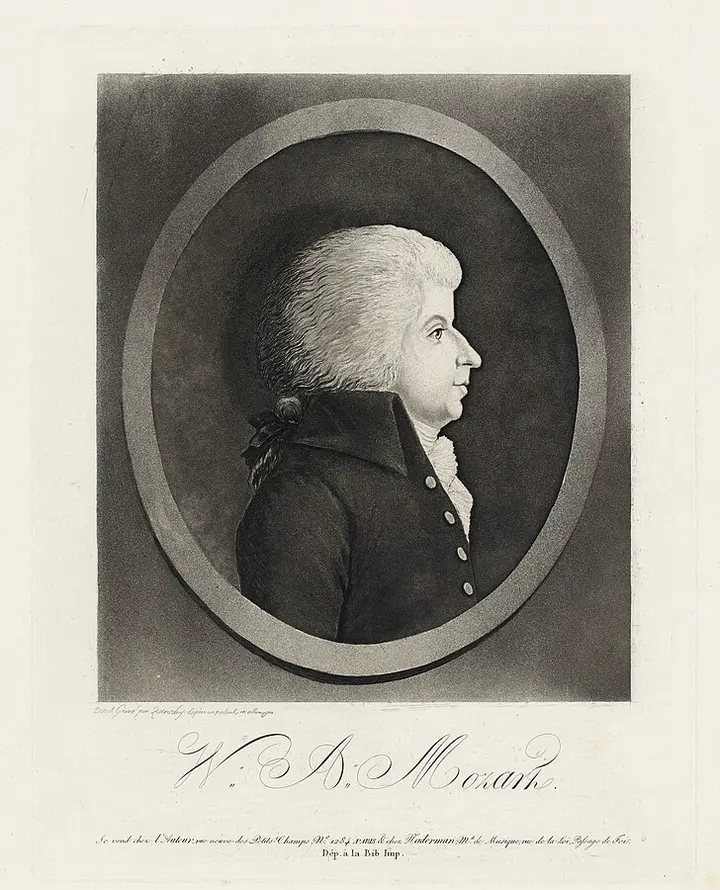
When we talk about Mozart, we remember those timeless moments and musical masterpieces that have always inspired the world. But did you know that Mozart's life was full of secrets and adventures? There are few known facts about this musical genius who still arouses surprise and admiration today.
First, you learn that Mozart began his musical journey at the age of five, excelling in playing the violin, piano, and clarinet. He was a child genius who captivated everyone with his superior musical talents. What many don't know is that at the age of eighteen, Mozart had written his first opera, "Idomeneo," which brought him to fame in Europe.
It is also surprising that Mozart was writing music with excellence and with incredible speed. He had the ability to compose musical compositions with precision and beauty, which made him able to produce more than 600 musical works in his brief life. He also wrote music without the need for any aids, just with one of his favorite tools, pen and paper.
But the secrets do not stop here. Mozart's life history is full of adventures and challenges. He is said to have been adventurous and reckless in his quest for constant challenge in music. He lived an eventful and sometimes eccentric life. It is known that he had to travel frequently to musical and theatrical performances throughout Europe, which made his life interesting and full of different experiences.
After all, Mozart remains an unforgettable genius, and his life's fascinating journey and the secrets that surround him reveal new aspects of his personality. It's an opportunity for us to dive into an amazing world of creativity and incomparable musical masterpieces, and to see that madness and genius are inseparable. Mozart deserves to be in our hearts as a symbol of creativity and musical passion that lives on today.
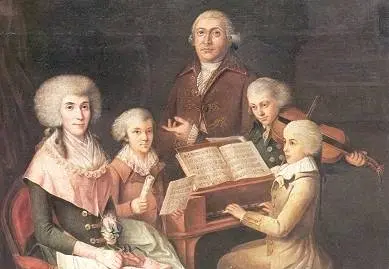
More than two centuries after his passing, Mozart's compositions continue to inspire the world, amazeing audiences with their aesthetics and musical complexities. His artistic legacy has been through the ages embodying the timeless creative spirit, reminding us that art and music are universal languages that can communicate emotions and ideas in ways that are indescribable. Mozart is no longer just a figure of history, he has become a symbol of genius and timeless music.