Mongol Empire: Genghis Khan's conquest of Asia and Europe
ADVERTISEMENT
Among the empires in history, the Mongol Empire stands out as one of the most powerful and influential. Genghis Khan and his sons created a huge empire spanning Asia and Europe, building a powerful empire that lasted for centuries. In this article, we will trace
ADVERTISEMENT
the Mongol Empire and review Genghis Khan's conquest of Asia and Europe, and its great influence on these two continents.
1. Genghis Khan: intelligent and rebellious leader
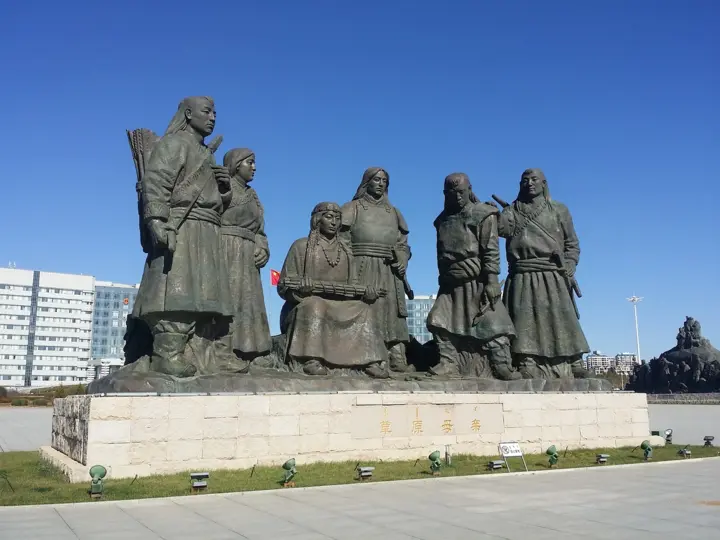
pixabay على alekseynemiro صور من
When we talk about the leaders of history who left an unforgettable imprint, Genghis Khan's name takes its front place. He is an intelligent and rebellious leader who was able to break the chains and create a huge empire that stretches across the continents of Asia and Europe. Genghis Khan is a legendary figure, distinguished by his remarkable courage and exceptional ability to plan and lead.
ADVERTISEMENT
Genghis Khan was born in the mid-twelfth century in an area known today as Mongolia. From a young age, he has shown exceptional leadership talents and strong determination. Genghis Khan led small military campaigns in his youth and proved himself a proficient commander in combat and strategic planning.
He was the leader of the Mongolian nation in the early thirteenth century (late Southern Song Dynasty), the first Great Khan of Great Mongolia, and the most famous and influential emperor, statesman, strategist, and leader in the history of China (including the Yuan Dynasty) and even in world history. Genghis Khan laid the political foundation for his later generations to carry out the "Western campaign," and the Mongol Empire he founded took control of Eurasia and brought about dramatic changes in Europe. Genghis Khan was the grandfather of Kublai Khan, the founder of the Yuan dynasty. He ruled from spring 1206 to 25 August 1227 for 22 years.
ADVERTISEMENT
Genghis Khan was known for his inimitable intelligence and strategic wisdom. He used intelligence and intelligence gathering perfectly, allowing him to better understand the strengths and weaknesses of his enemies. Thanks to his strategic vision, Genghis Khan was able to expand his influence and control over previously unspent lands. He also had the ability to unite different tribes and nationalities and build a strong, disciplined and effective army.
2. The legendary invasion of Genghis Khan
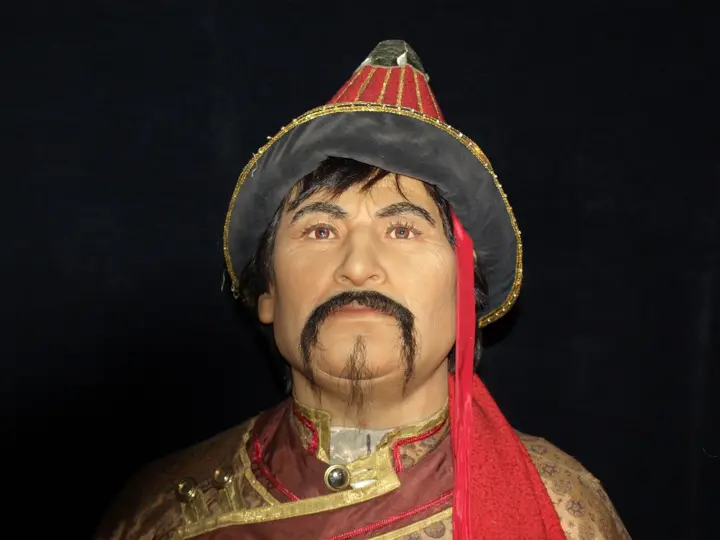
unsplash على Snowscat صور من
In the Middle Ages, Genghis Khan and his vast forces invaded the Old World with an unprecedented conquest. Khan's journey was prosperous with battles and burning villages, and influenced the future of many nations and civilizations. While these invasions caused terror and hysteria in the hearts of the people, they are still considered one of the greatest military achievements in history.
ADVERTISEMENT
In 1190, under Temujin's leadership, the Qian developed and expanded rapidly, causing dissatisfaction with Jamuka, the leader of the Zadalan tribe. Gamukha used the pretext for the murder of his younger brother Foucher by Temujin's men, and gathered more than 30,000 people from 13 tribes to attack Temujin. Timojin also mobilized the thirteen wings (i.e., 13 tribes) to fight him, the famous Battle of the Thirteen Wings. Despite Temujin's defeat and retreat to the Jelena region on the banks of the Onon River, Jamuka, who never expected to win, will lose people's hearts. After the war, Gamukha executed all the captives and divided them into seventy pots to be boiled and killed, which is known in history as the "massacre of seventy pots". This horrific scene made even his subordinates "suffer greatly from the illegitimacy of their master" and even worry about their fate. On the contrary, the generous and benevolent Temujin won the hearts of the people, and the subordinates of Jamukha who were worried about their fate turned to Temujin one by one. In this battle, Temujin was defeated and gained a large number of troops, which enabled him to recover quickly and develop his military strength. Suddenly Temujin's followers increased a lot.
ADVERTISEMENT
Over many years, Genghis Khan has swept through many countries and places, from East Asia to Eastern Europe. It swept the Maghreb and the Middle East and grabbed the spotlight in Eastern Europe. At that time, the lands trembled and civilizations successively collapsed and renewed under the banner of Genghis.
Genghis Khan's strategy made him the most superior commander of the war. He used divisive and dominating tactics, allying himself with other tribes against common enemies, and then wisely dividing domination while inflicting extreme violence on the rebels. He was also known for his good examination of military technology and the effective use of horses in battles.
As the invasions progressed, Genghis Khan maintained order and discipline in the ranks of his armies. Despite his immense power, he also treated the locals with kindness and respected their traditions and religions. This wise approach not only won the loyalty and cooperation of the colonies he tampered with, but also contributed to building a broad base of support in the territories he ruled.
ADVERTISEMENT
3. Mongol Empire: From the Royal Family to the Great Power
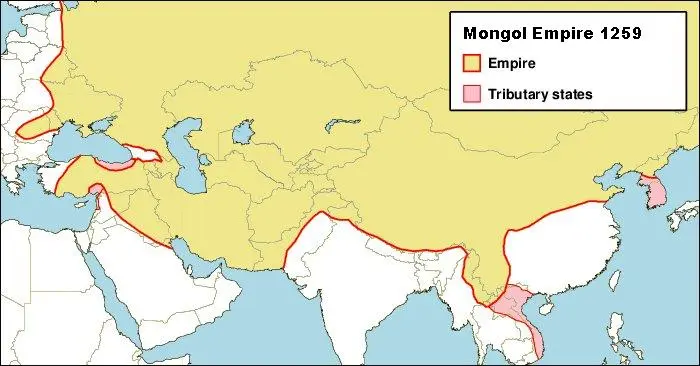
wikimedia على Keith Pickering صور من
In the medieval era, the Mongol Empire was distinguished by its power and great influence on the world. Through the powerful system established by Genghis Khan and his sons, the empire was transformed from a small ruling family into a superpower spanning across continents. Let's explore the Mongol Empire's journey from the nascent royal family to a powerful and authoritarian state.
When it was powerful, it was a global empire spanning Europe and Asia, and it was also the country with the largest contiguous area in history. At that time, when Mongolian military power was at the height of its prosperity, three large-scale Western Mongol campaigns were launched. Then, between the ninth year of Mingi (1259) and the second year of Da da (1309), the maximum territory of the Mongol Empire regime was about 24 million square kilometers (one estimate is 34.5 million square kilometers). However, since Mongo's death in 1259, civil war broke out over the position of Grand Khan, causing several divisions within the empire and even leading to its collapse. After the Mongols destroyed the Jin dynasty and established their rule in the Central Plains, they founded the Yuan Dynasty in 1271. During the same period, there were also the four main khans in the west. In 1368, the Yuan Dynasty was destroyed by the Ming Dynasty founded by Han Zhu Yuanchang. The remaining Yuan Dynasty troops were expelled north of the Great Wall and entered the Northern Yuan Dynasty, gradually diminishing their influence on the Eurasian continent.
ADVERTISEMENT
The Mongol Empire was founded by the Mongolian Temujin in the Mobi pastures in 1206. According to the "Secret History of Mongolia", it was founded at the source of the Onan River and named "Genghis Khan". It is generally believed that it was founded at the time when Temujin conquered various parts of the Mongolian plateau. Tribes (Tatar, Taichio, Merki, Neman, Kelli, Wangu, and the Mongol kingdom of two main tribes – Nylon and Diyljin, etc.) began to have the title "Genghis Khan" in 1206. After the establishment of the Mongol Empire, it expanded abroad several times, and when Genghis Khan was in power, he began to conquer Xixia, the Jin Dynasty, Xiliao, Khiva and other countries, and his successors fought two large-scale Western campaigns, and by 1259 (the ninth year of Emperor Xianzhong of the Yuan Dynasty.) Before his death, Meng He had occupied a large area including the Mongolian Plateau, Northwest, Southwest, Northeast and North China, Central Asia, Western Asia, and Eastern Europe.
ADVERTISEMENT
Thanks to the Mongol Empire, trade and culture developed between Asia and Europe. The new trade routes opened a door for cultural and commercial exchange between East and West, and led to the transfer of technology, arts and sciences between different cultures. Much new lands and amazing natural riches were also discovered that helped the empire and the occupied territories flourish and develop.
In this way, the Mongol Empire managed to become a major player in the world stage and one of the most important powers in history. Its transformation from a small royal family to a superpower reflects Genghis Khan's power and ability to shape and direct events. Through their great legacy that lasted for centuries, the Mongol Empire remains the cornerstone of the world's historical and cultural records.
ADVERTISEMENT
4. The influence of the Mongol Empire on Asia and Europe
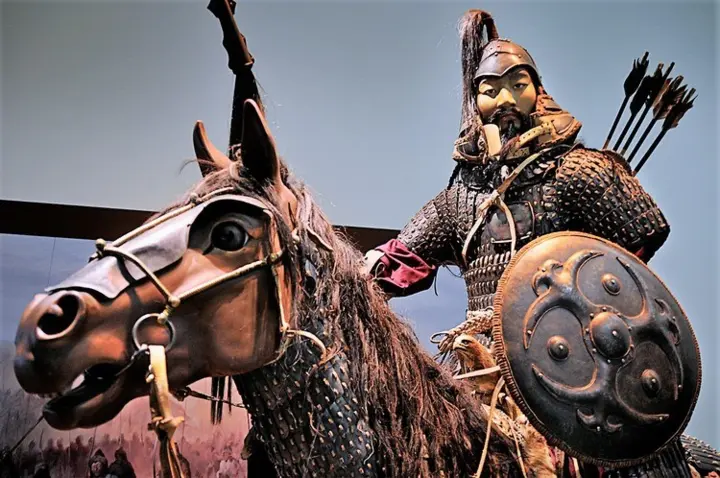
wikimedia على William Choصور من
Historically, Asia and Europe have not experienced political and cultural transformation as much as the Mongol Empire. This huge empire conquered these two continents and left deep imprints that stretch through time. Through the cultural renaissance and massive political change practiced by the Mongol rulers, states and societies were greatly transformed and affected. In this part of the article, we will explore the influence of the Mongol Empire on Asia and Europe and the development of culture and politics in that important period.
The Mongol Empire brought about a paradigm shift in international relations and trade. Over the centuries, many cultures, sciences and technologies have contributed between East and West thanks to the expansion of the Mongol Empire. Conversely, many Mongol customs and practices have been adopted in a number of countries and societies. This mutual influence has led to new cultural developments and better trade mergers between East Asia and Europe.
ADVERTISEMENT
In the thirteenth year of the reign of Emperor Taizhou of the Yuan Dynasty (1218), Genghis Khan led his army to embark on a Western campaign under the pretext of killing a Mongol caravan and looting on the border of Khiva in Central Asia. Genghis Khan's western trip shocked European countries, and China and European countries began to make extensive contacts.
Large-scale East-West battles carried out by the Mongolian army stretched almost from the Indus River to the Dnieper. From the first battle of its attack on the Central Plains until the eighteenth year of Yuan Taizhou's reign (1223), within 12 years the Mongolian army reached the Pacific Ocean, the Indus River, and the Black Sea. In the thirteenth century, Europe was severely shaken, and fortress-centered Europe was pushing forward the borders of Christendom and becoming an enemy of Islam. During this period, Islam remained the only enemy feared by Christian Europe. The sudden appearance of the Mongols was not just a surprise from heaven. In the words of one Russian historian: "Because of our sins, tribes unknown to us came, and no one knew who they were or where they came from – nor what their language was, what their language was. What race, what religion "they believe—only God knows who they are and where they come from." "The Tatars came back from the Dnieper, and we don't know where they came from, nor where they came from." "Where they hide again. Because of our sins, God knows where He brought them to punish us. "[113] Fear of the Mongolian army can be seen in Europe, which later influenced including the British. This was later one of the historical reasons for the "yellow peril" theory that swept the West at the end of the nineteenth and beginning of the twentieth centuries.
ADVERTISEMENT
Hulegu, ordered by the fourth generation Khan Mongo, led his army to conquer the Arab world, capturing and completely destroying Baghdad, once the world capital, a pioneer in world history, and the center of the Arab world. As a result, the Abbasid state fell and the center of the Arab world moved to Cairo, Egypt. The Mongols established the Ilkhanid state in West Asia with the new capital of Tabriz as its center.
In short, it is not possible to say with certainty the extent of the Mongol Empire's influence on Asia and Europe. This enormous empire was able to radically change the lifestyle, trade and politics of these two continents. Therefore, the influence of the Mongol Empire on Asia and Europe is an important stage in human history that must be studied and understood to understand current developments and the future of the world.
ADVERTISEMENT
5. Heritage of the Mongol Empire: Art, Science and Culture
unsplash على Lightscapeصور من
religion
The Mongolian people originally believed in shamanism, a primitive spiritual belief. In addition to the shamanism they mainly believe in, some also believe in Nestorianism (a branch of Christianity), where religion is the main content of their spiritual life. After Genghis Khan founded Great Mongolia, he expanded abroad and came into contact with Buddhism, Taoism, Islam, Christianity, and other religions. The Khanates of the Great Mongol Kingdom understood that religion helped consolidate rule, and in principle they protected and supported all kinds of religions that could "wish heaven and celebrate their birthdays" for themselves. Of course, sometimes they were also categorized according to their needs and hobbies. Mongolian rulers generally adopted an eclectic attitude toward different religions, and the flourishing of multiple religions was a key feature of Mongolia's top four khanate culture.
ADVERTISEMENT
Belief
The northern agricultural area under the original rule of the Jin Dynasty was called "Han Land" at that time. Genghis Khan used his forces against the Jin dynasty and seized a large area of land including Jin Zhongdu (today's Beijing), and the Jin dynasty was forced to move its capital to Nanjing (present-day Kaifeng, Henan). During the Ogidai Khan period, Mongolia destroyed the Jin dynasty and realized its rule over the "Han land". The traditional culture of the Central Plains with Confucianism has always been dominant in the "Han region".
Genghis Khan was in contact with individual Han scholars, such as Yilu Chukai of Khitan, as well as representatives of Buddhism and Taoism, but the traditional culture of the Central Plains had no place in his mind. Ojedi Khan accepted Yilu Chukai's proposal and took some measures to protect Han culture, such as identifying Confucian families through exams, establishing Bible recording offices, granting holy dukes, etc. However, as Yilu Chocai turned more policy after losing territory, measures in this area were no longer implemented. In addition, Ogidai Khan also ordered the establishment of a school in Yanging (present-day Beijing) to train translation talents, and appointed Quanzhen Taoist priests in charge. This is the origin of school education in Mongolia.
ADVERTISEMENT
Literature, History and Chinese
The Mongols live in the grasslands of Mobi and practice the life of nomads. There was no writing in the past, and on the eve of the founding of the country, Genghis Khan destroyed the Neman tribe, captured the Uyghur Tata Tonga, and ordered him to write Mongolian in Uyghur letters, thus creating Mongolian writing in the Uyghur style. This was an essential step in the development of Mongolian civilization, and it was a major event
In the field of culture, the Mongol Empire played a major role in promoting cultural exchange and coexistence between different peoples. Mughal culture is characterized by the synthesis of different elements of the cultures conquered by the empire, which contributed to the enrichment and diversification of cultural expression. For example, Mughal culture blended elements of Persian, Chinese, and Muslim art, influencing literature, music, clothing, customs, and traditions.
ADVERTISEMENT
The heritage of the Mongol Empire in the fields of art, science and culture is a symbol of diversity and innovation. It is a legacy that must be preserved and respected, carrying rich stories and cultural wealth that promote cultural understanding and exchange in our modern era.
unsplash على Patrick Schneiderصور من
In short, the Mongol Empire and Genghis Khan's conquest of Asia and Europe have a huge impact on history. The empire lasted for centuries and influenced many cultures and peoples who passed through it. Genghis Khan's invasion was undoubtedly one of the greatest in history, and led to a radical change in politics, culture, and commerce in Asia and Europe. We must remember this important history and carefully study it to understand the modern world and its development.
حكيم مروى
ADVERTISEMENT
القُروطوب، الطبق الوطني في طاجيكستان
ADVERTISEMENT
يمكن القول إن قارة آسية هي القارة التي تضم أكبر قدر من التنوع في الثقافات والأديان واللغات والأعراق في 47 بلدًا تشكل قارة الشمس المشرقة.
موقع آسية الوسطى فريد من نوعه نظرًا لكونه على مفترق الطرق بين آسية وأوروبة، وينعكس هذا في مطبخه، مع تأثيرات متعدّدة بسبب هذه الجغرافية. طبق
ADVERTISEMENT
اليوم من طاجيكستان ويدعى القُروطوب، وهو مزيج من الخبز والبصل في صلصة الزبادي (مع إضافة اللحوم والخضروات من حين لآخر).
شيء من التاريخ:
يزعم الطاجيك أن لديهم طبقين وطنيين رئيسين: بلوف (المعروف أيضاً باسم أوش)، والقُروطوب. وفي حين أن بلوف أكثر شهرة وهو أيضاً الطبق الوطني لأوزباكستان المجاورة، فإن القُروطوب، هو طبق طاجيكي بامتياز. الأدب الطهوي الطاجيكي نادر إلى حد كبير. كانت كتب الطبخ السوفييتية تتضمن عادةً قسماً قصيراً عن طاجيكستان، ولابد أن عدداً قليلاً من الكتيبات نُشرت بتوزيع محدود للغاية في العاصمة دوشنبيه في أوائل التسعينيات من القرن الماضي، ونشر عدد قليل من المدونين وصفات هنا وهناك. ولكن بشكل عام، مع كون طاجيكستان واحدة من أفقر دول العالم، وبعد استقلالها مباشرة بعد سنوات عديدة من الحرب الأهلية، لم تشجع الظروف مثل هذه المساعي الترفيهية مثل كتب الطبخ. وتبدو وصفات القروطوب أكثر ندرة؛ ربما لأن هذا الطبق من المفترض أن يكون تافهًا ويوميًا، مثل العجة. أي أنك تشتري خبز الفطير وجبن القروط من السوق، وتقلى بعض البصل، وتضع كل شيء معًا، ربما مع بعض الطماطم الطازجة والبصل الأخضر، أو مع بعض الخضروات الأخرى، وتكون قد انتهيت. المشكلة هي في الحصول على المكوّنات، ولكن لا تخش شيئًأ! إذ ليس من الصعب صنع كل هذا من الصفر.
ADVERTISEMENT
From Wikimedia طبق القروطوب الطاجيكي
وصفة القروطوب:
تتم هذه الوصفة على مرحلتين: أولاً، الجبن. الوصفة التقليدية للقُروطوب تُنفَّذ باستخدام كرات الجبن التي تسمى القُروط، وهي وجبة خفيفة شائعة تؤكل في جميع أنحاء آسية الوسطى، وهي مصنوعة من لبن الزبادي الذي يُسخَّن لعدة ساعات ثم يُجفف. والمرحلة الثانية هي تحضير الخبز المستخدم في هذا الطبق. نعم، سلطة مع الخبز! لا شيء غريب بالنسبة للذواقة، ألا ينتشر الفتوش في المطبخ الشامي؟ الخبز المستخدم في هذه الوصفة خبز مسطح مصنوع من عجينة تشبه المعجنات الريفية، ويسمى فَطير وسنتعلم أيضًا صنعه من الصفر.
أولاً – جبن القُروط:
يُنتج 4 كرات من جبن القُروط تزن كل منها حوالي 80 غرامًا.
المكوّنات:
نصف كيلوغرام من لبن الزبادي الكامل
نصف ملعقة صغيرة (2.5 غرام) ملح
From Wikimedia كرات جبن القروط
ADVERTISEMENT
الطريقة:
· اسكب لبن الزبادي في طبق الفرن، واطهِه في الفرن في درجة حرارة 150 سلزيوس، لمدة ساعة ونصف دون تحريكه.
· صفّه في مصفاة، واضغط برفق بملعقة مسطحة لاستخراج المزيد من مصل اللبن، وتخلص من السائل.
· اخلط المواد الصلبة المتبقية بالملح، وأعِدها إلى طبق الفرن، واطهها لمدة 30 دقيقة أخرى.
· أخرج المواد الصلبة في الزبادي من الطبق. يمكنك تقسيم المواد الصلبة إلى 4 أجزاء، والضغط على كل جزء في قبضتك لعمل كرات؛ فتحصل على شكل جبن القُروط المباع في أسواق آسية الوسطى. ولكن، نظرًا لأننا سنقوم بتفكيك الكرات لعمل الصلصة بعد قليل، يمكنك الاحتفاظ بالمواد الصلبة في وعاء بدلاً من ذلك، دون تشكيلها.
ثانيًا – خبز الفطير
يُنتج رغيفً مسطحًا من الخبز.
المكوّنات:
200 غرام من الدقيق المنخول
نصف ملعقة صغيرة ملح
70 غرام ماء
بيضة صغيرة
ADVERTISEMENT
35 غرام زبدة بدرجة حرارة الغرفة
35 غرام دهن ضأن مذاب (أو مجرد المزيد من الزبدة بدرجة حرارة الغرفة)
نصف ملعقة صغيرة بذور السمسم
From Wikimedia خبز الفطير
الطريقة:
· ضع الدقيق والملح في وعاء الخلاط الكهربائي المزود بملحق المضرب. أثناء الخلط بسرعة متوسطة، أضف الماء، ثم البيض، واستمر في الخفق لمدة دقيقة واحدة.
· شكل العجين على شكل كرة، ثم غطه بغلاف بلاستيكي واتركه ليرتاح لمدة 30 دقيقة.
· املأ طبق الفرن بالماء، وضعه في فرن مضبوط على 230 درجة سلزيوس
· على سطح مرشوش بالدقيق، افرد العجين على شكل مستطيل مقاس 30 × 15 سنتيمتر. قطعه طوليًا إلى شريطين طويلين.
· امزج الزبدة ودهن الضأن (أو المزيد من الزبدة) في وعاء، وافرده على العجين. لفّ الشريحة الأولى على شكل أسطوانة، ثم ضعها على الشريحة الثانية وافردها بالكامل على شكل أسطوانة أكثر سمكًا. غطّها بغلاف بلاستيكي وضعها في الثلاجة لمدة ساعة على الأقل.
ADVERTISEMENT
· ضع أسطوانة العجين غير المغلفة رأسيًا على سطح مرشوش بالدقيق. وباستخدام راحة يدك، افرد العجين تدريجيًا إلى قرص بسمك 1 سنتيمتر وقطر 15 سنتيمتر. أثناء القيام بذلك، رشّ الجزء العلوي بسخاء بالدقيق، واقلب العجين بشكل متكرر (وإلا ستلتصق العجينة بالمنضدة في بركة من الشحم)
· انقل الخبز إلى صينية خبز مبطنة بورق زبدة، واخبزه في الفرن لمدة 25-30 دقيقة، حتى يصبح الجزء العلوي بنيًا ذهبيًا. انقله إلى رف تبريد واحتفظ به.
ثالثًا – تحضير القروطوب:
يقدم لـ 4 أشخاص
المكونات:
200 غرام من البصل، مقطع إلى شرائح رفيعة جدًا
30 غرام من زيت الزيتون
ملح
جبن القروط المحضر
ساق خروف مشوية (لحم، طماطم، وسائل الطهي)
ADVERTISEMENT
60 غرام من الماء
نصف فطير
2 ملعقة صغيرة من البقدونس المفروم
2 ملعقة صغيرة من الريحان المفروم
From Wikimedia يؤكل القروطوب تغميسًا
الطريقة:
· في مقلاة على نار متوسطة، اقلِ البصل مع زيت الزيتون. تبّله بالملح، واطهه حتى يصبح لونه بنيًا ذهبيًا، مع التحريك بانتظام.
· فتّت كرات جبن القروطوب في المقلاة، وأضف سائل طهي لحم الضأن والماء، ثم اتركها على نار هادئة لبضع دقائق، مع التحريك باستمرار. قد تعتمد كمية الماء التي تحتاج إلى إضافتها على قوام الصلصة. المهم هو الحصول على صلصة سميكة ومتكتلة، ولكنها لا تزال سائلة.
· قطّع الفطير إلى قطع صغيرة (مربعات بحجم 2 إلى 3 سنتيمتر)، وألقِها في المقلاة.
· انقلها إلى طبق خزفي، ورصّ اللحم والطماطم في الأعلى. إذا لزم الأمر، أعد تسخينها في فرن بدرجة حرارة 150 درجة سلزيوس لمدة 5 دقائق.
ADVERTISEMENT
· وزّع البقدونس والريحان في الأعلى. وقدّم الطبق في منتصف الطاولة وتناوله بأصابعك.
وبالهناء والشفاء.
شيماء محمود
ADVERTISEMENT
الطاقة النباتية : وصفات نباتي لذيذ لتوفير الطاقة للجسم والعقل
ADVERTISEMENT
مع تزايد الوعي بأهمية الغذاء الصحي وتأثيره على جسم الإنسان وعقله، أصبحت النظم الغذائية النباتية أكثر شيوعًا في العديد من الثقافات حول العالم. وتعد الطاقة النباتية من أبرز الفوائد التي تأتي مع هذا النوع من النظام الغذائي. إذ يحتوي الغذاء النباتي على مجموعة واسعة
ADVERTISEMENT
من العناصر الغذائية التي تعمل على توفير الطاقة للجسم والعقل بطرق صحية وفعالة.
1. فوائد الطاقة النباتية: كيف تؤثر النظم الغذائية النباتية على مستويات الطاقة في الجسم والعقل؟
unsplash على Dose Juice صور من
مع تزايد الاهتمام بالتغذية الصحية، أصبحت النظم الغذائية النباتية أكثر شيوعا في العديد من الثقافات حول العالم. تعتبر الطاقة النباتية من أهم الفوائد التي تأتي مع هذا النوع من النظام الغذائي. إذا كنت تتساءل كيف يؤثر نظام غذائي نباتي على مستويات الطاقة في الجسم والعقل، فأنت في المكان المناسب.
ADVERTISEMENT
تعزز النظم الغذائية النباتية الطاقة في الجسم بشكل مباشر من خلال توفير مجموعة واسعة من العناصر الغذائية الأساسية، مثل الكربوهيدرات والبروتينات والدهون الصحية والألياف. الكربوهيدرات، على سبيل المثال، تعد مصدرا هاما للطاقة، وتوجد بكثرة في الخضروات والحبوب الكاملة. تحل البروتينات بدورها توفير الطاقة وتساعد في بناء الأنسجة والعضلات. وتوفر الدهون الصحية اللازمة لتشغيل جهاز المناعة وتحسين وظائف المخ.
علاوة على ذلك، تحتوي النظم الغذائية النباتية على الألياف الغذائية التي تعزز صحة الجهاز الهضمي وتعمل على تنظيم مستويات السكر في الدم، مما يحافظ على استقرار مستويات الطاقة طوال اليوم. تساعد الألياف في زيادة الشعور بالشبع وتحسين عملية الهضم، مما يدعم الطاقة والحيوية.
ليس فقط تحسين مستويات الطاقة في الجسم، ولكن الطاقة النباتية أيضا تؤثر بإيجابية على الطاقة في العقل. يشير البحث إلى أن النظم الغذائية النباتية قد ترتبط بتحسين الحالة المزاجية والوظائف العقلية، وتعزز التركيز والذاكرة. هذا يمكن أن يكون ناتجا عن تأثير العناصر الغذائية الهامة الموجودة في النظام الغذائي النباتي، مثل الفيتامينات والمعادن ومضادات الأكسدة، التي تعزز صحة الدماغ وتعمل على تقليل التهيج والالتهابات.
ADVERTISEMENT
باختصار، إذا كنت تبحث عن طريقة لزيادة مستويات الطاقة في جسمك وعقلك، فإن النظام الغذائي النباتي يعد خيارا مثاليا. استمتع بتناول الطعام النباتي اللذيذ والمتنوع، وتأكد من تضمين مجموعة واسعة من الأطعمة النباتية الغنية بالعناصر الغذائية الحيوية. ستلاحظ الفرق في طاقتك وحيويتك التي ستنعكس إيجابيا على حياتك اليومية.
2. وصفات نباتية لتخفيف الإجهاد وزيادة الحيوية: استمتع بتجربة طهي ممتعة واحصل على الطاقة اللازمة لمواجهة التحديات اليومية.
unsplash على Jo Sonn صور من
ن ضغوط الحياة اليومية والتحديات التي نواجهها يمكن أن تؤدي إلى تراجع مستويات الطاقة وزيادة الإجهاد. لكن هل تعلم أن الطاقة النباتية يمكن أن تكون الحل الأمثل لهذه المشكلة؟ حيث توفر وصفاتنا النباتية اللذيذة لتخفيف الإجهاد وزيادة الحيوية مفتاحًا فعالًا للحصول على الطاقة اللازمة لمواجهة التحديات اليومية.
ADVERTISEMENT
لا يعني أن تكون نباتيا يعني أن يكون الطعام مملا أو عديم الطعم. في الواقع، يمكن للطبخ بالمكونات النباتية أن يكون ممتعا ومبتكرا. فقد تطورت الفنون الغذائية النباتية إلى مستويات جديدة، مع توفر مجموعة واسعة من الوصفات النباتية التي تمزج بين النكهات والمكونات المغذية.
عند البحث عن وصفات لتخفيف الإجهاد وزيادة الحيوية، يمكنك أن تجد الكثير من الأطباق النباتية التي تساعد على ذلك. مثلا، يمكنك تحضير وجبة شوربة العدس النباتية المليئة بالبروتين والألياف والمغذيات الأخرى التي تعطيك طاقة قوية لمواجهة اليوم. أو يمكنك تناول سلطة الكينوا الملونة مع الخضروات الطازجة والبذور المغذية، وهي وصفة غنية بالبروتين والعناصر الغذائية الضرورية للحصول على طاقة مستدامة طوال اليوم.
علاوة على ذلك، يمكنك استكشاف عالم السموثي النباتي المنعش، حيث يمكن أن يكون مزيجا لذيذا من الفواكه والخضروات والمكونات الإضافية المغذية. سموثي الأفوكادو والموز والسبانخ هو مثال رائع لوجبة خفيفة ومغذية تمنحك همسة من الطاقة للمضي قدمًا خلال يومك.
ADVERTISEMENT
لا تنسى أيضا دور الوجبات الخفيفة في زيادة الحيوية وتخفيف الإجهاد. يمكنك تجربة وصفة الكوكيز النباتية الصحية المحملة بالمكونات النباتية مثل الأفوكادو والمكسرات والشوكولاتة الداكنة، والتي تعطيك طاقة مستدامة ولذيذة.
استمتع بتجربة طهي ممتعة واستكشاف العديد من الوصفات النباتية المميزة التي تساعدك على تخفيف الإجهاد وزيادة الحيوية. لا تنس أن تتعامل مع الطعام بصورة واعية وتستمتع بكل لقمة لتعزيز الطاقة والراحة في حياتك اليومية.
3. الأطعمة النباتية المفيدة للطاقة العقلية: كيف يمكن للنظام الغذائي النباتي تعزيز التركيز والذاكرة؟
unsplash على Nadine Primeau صور من
في عالم مليء بالمهام والمسؤوليات، يعتبر التركيز والذاكرة أدوات حاسمة للنجاح والإنتاجية العقلية. وبينما يعتقد البعض أن الأطعمة الحيوانية هي المصدر الوحيد لتعزيز هاتين القدرتين، إلا أن النظام الغذائي النباتي يقدم خيارا صحيا وفعالا لتحقيق ذلك.
ADVERTISEMENT
قد يتساءل البعض عن الطريقة التي يؤثر بها النظام الغذائي النباتي على قدرة المخ على التركيز والذاكرة. لكن الحقيقة هي أن الأطعمة النباتية غنية بالعناصر الغذائية التي تعزز صحة الدماغ وتعزز وظائفه المعرفية.
فمن بين الأطعمة النباتية المفيدة للتركيز والذاكرة، تشمل الأطعمة الغنية بالأحماض الدهنية الأوميغا-3 مثل البذور والمكسرات، وخاصة الجوز واللوز. تعتبر هذه الأحماض الدهنية الأساسية أساسية لصحة الدماغ وتعزيز التركيز والذاكرة.
بالإضافة إلى ذلك، يتميز النظام الغذائي النباتي بالأطعمة الغنية بالمضادات الأكسدة مثل الفواكه والخضروات الطازجة. هذه المضادات الأكسدة تعمل على مكافحة الضرر الناتج عن الجذور الحرة في الدماغ وتحسين وظائفه المعرفية بشكل عام.
واحدة من الأطعمة النباتية المفيدة للتركيز والذاكرة هي الأطعمة ذات محتوى عالٍ من فيتامين ب12، مثل الطحالب والأعشاب البحرية والفاصوليا. فيتامين ب12 ضروري لصحة الأعصاب وأداء الدماغ بشكل صحيح.
ADVERTISEMENT
ثانياً، يحجز الجذور والتوابل مكاناً مهماً في النظام الغذائي النباتي. الكركم والزنجبيل والقرفة هي أمثلة على هذه المكونات التي تعزز الدورة الدموية في الدماغ وتحفز التركيز والانتباه.
لا يمكننا نسيان أن البروتين ضروري لصحة الدماغ أيضا. وهنا يكمن الدور البارز للأطعمة النباتية الغنية بالبروتين مثل الحمص والعدس والفاصوليا والمكسرات. تعمل هذه الأطعمة على تزويد الدماغ بالطاقة التي يحتاجها وتعزز صحة الدماغ بشكل عام.
باختصار، يمكن للنظام الغذائي النباتي أن يكون خيارا ممتازا لتعزيز التركيز والذاكرة. مع تضمين الأطعمة النباتية الغنية بالأحماض الدهنية الأوميغا-3 والمضادات الأكسدة وفيتامين ب12 والجذور والتوابل والبروتين، يمكن للنظام الغذائي النباتي أن يعزز الأداء العقلي ويساعد على تحقيق النجاح في مهامك اليومية.
ADVERTISEMENT
4. أنظمة غذائية نباتية خاصة بالرياضيين: كيف يمكن للرياضيين الحصول على الطاقة اللازمة لأداء تمارينهم بشكل مثالي من خلال الطعام النباتي؟
unsplash على Nadine Primeau صور من
عتبر التغذية السليمة جزءا حاسما في أداء الرياضيين بشكل مثالي، وتوفير الطاقة اللازمة لتمارينهم الشاقة يعتبر الأمر الأهم. مع انتشار النظم الغذائية النباتية، يتساءل العديد من الرياضيين عما إذا كان بإمكانهم الحصول على الطاقة المطلوبة لأداء تمارينهم من خلال الطعام النباتي بشكل مثالي. وفيما يلي، سنلقي الضوء على أنظمة غذائية نباتية مخصصة للرياضيين وكيف يمكن لهم الاستفادة من الطاقة اللازمة لتحقيق أداء مثالي عبر هذا النظام الغذائي.
اختيار الأطعمة النباتية الغنية بالمغذيات الأساسية هو الطريقة الأمثل لتزويد جسم الرياضي بالطاقة اللازمة. يجب أن يحتوي نظامهم الغذائي على مصادر غنية بالبروتينات مثل البقوليات، مثل العدس والحمص والفاصوليا والمكسرات والبذور. هذه الأطعمة ليست فقط مصدرا ممتازا للبروتين، ولكنها تحتوي أيضا على الألياف والكربوهيدرات التي تساهم في تعزيز الطاقة والمرونة العضلية.
ADVERTISEMENT
بالإضافة إلى ذلك، يجب على الرياضيين تضمين مجموعة متنوعة من الخضروات والفواكه في نظامهم الغذائي. هذه الأطعمة مليئة بالفيتامينات والمعادن التي تدعم الصحة العامة والطاقة الجسدية. على سبيل المثال، يمكن للبنجر والسبانخ والعنب والتوت أن يساعدوا في زيادة مستويات الأكسجين في الدم وتحسين القدرة الجسدية والتحمل.
كما يجب على الرياضيين تناول الكربوهيدرات الصحية الموجودة في الحبوب الكاملة والبطاطس الحلوة والمكسرات والبذور. تعد الكربوهيدرات هي المصدر الرئيسي للطاقة في الجسم، وتوفر الوقود اللازم للرياضيين للقيام بتمارينهم الرياضية بشكل مثالي.
لا ينبغي أن يغفل دور الترطيب في تحقيق أداء مثالي أيضا. يجب على الرياضيين شرب الكمية الكافية من الماء والسوائل للحفاظ على الترطيب الجيد. يمكن أن يؤدي نقص السوائل إلى تعب وضعف الأداء الرياضي.
ADVERTISEMENT
باختصار، الطاقة اللازمة للرياضيين يمكن الحصول عليها من خلال النظام الغذائي النباتي المتوازن. يجب على الرياضيين تضمين مجموعة متنوعة من البروتينات النباتية، والكربوهيدرات المعقدة، والخضروات، والفواكه في نظامهم الغذائي لتحقيق أقصى استفادة من الطاقة والأداء الرياضي.
5. الصحة العقلية والطاقة النباتية: كيف يمكن للنظام الغذائي النباتي أن يساعد في تحسين المزاج والحفاظ على الطاقة العقلية الإيجابية؟
unsplash على Brooke Lark صور من
في هذا العالم المتسارع، يعتبر الحفاظ على الصحة العقلية والطاقة الإيجابية أمرا بالغ الأهمية. ومن منطلق الاعتراف بأهمية العلاقة بين الغذاء والصحة العقلية، يأتي النظام الغذائي النباتي ليقدم بدائل صحية ولذيذة للوجبات الغذائية التقليدية التي تؤثر سلبًا على الصحة العقلية وتهدر الطاقة الإيجابية.
يعد الطعام النباتي غنيا بالمغذيات الأساسية التي تعزز الصحة العقلية والحفاظ على الطاقة الإيجابية. فالأطعمة النباتية مثل الفواكه والخضروات والحبوب الكاملة تحتوي على فيتامينات ومعادن ومضادات الأكسدة التي تساعد في تحسين الدورة الدموية وتغذية الدماغ. وبالتالي، فإن النظام الغذائي النباتي يعمل على تعزيز الصحة العقلية والمزاج الإيجابي.
ADVERTISEMENT
لا يمكننا إهمال الروابط العلمية التي تربط بين النظام الغذائي النباتي وتحسين الصحة العقلية. توضح الدراسات أن الأشخاص الذين يتبعون نظام غذائي نباتي يعانون بنسبة أقل من الاكتئاب والقلق، مقارنةً بالأشخاص الذين يتبعون نظام غذائي غير صحي. هذا قد يرجع جزئيا إلى الفيتامينات والمعادن الأساسية الموجودة في الأطعمة النباتية والتي تساهم في تحفيز إفراز المواد الكيميائية السعيدة في الدماغ.
بالإضافة إلى ذلك، يقدم النظام الغذائي النباتي الطاقة العقلية اللازمة لمواجهة التحديات اليومية. فعندما تتناول وجبات نباتية صحية وموازنة، فإنك تساهم في تحفيز نشاط الدماغ وتحسين التركيز والذاكرة. وهذا من شأنه أن يزيد من إنتاجيتك ويمكنك من مواجهة المهام اليومية بنشاط وتفاؤل.
بالختام، يجب علينا لا ننسى أن النظام الغذائي له تأثير كبير على صحتنا العقلية والطاقة الإيجابية. يوفر النظام الغذائي النباتي العناصر الغذائية الطبيعية التي تعمل على تحسين المزاج وتعزيز الصحة العقلية. لذا، اعتمد على الأطعمة النباتية الطازجة واللذيذة في تغذيتك اليومية للحفاظ على طاقة عقلية إيجابية ومزاج مرتفع.
ADVERTISEMENT
unsplash على amin ramezani صور من
في الختام، يمكننا القول بثقة أن الطاقة النباتية هي الطريقة المثلى لتوفير الطاقة لجسمك وعقلك. باستخدام الوصفات النباتية اللذيذة المذكورة في هذه المقالة، يمكنك الاستمتاع بتجربة طهي ممتعة وتحصل في الوقت نفسه على الطاقة اللازمة لتحقيق أقصى إنتاجية في حياتك اليومية. لذا، لا تتردد في استكشاف طعامك النباتي والاستفادة من الفوائد الصحية والطاقية التي يقدمها لك ولجسمك.