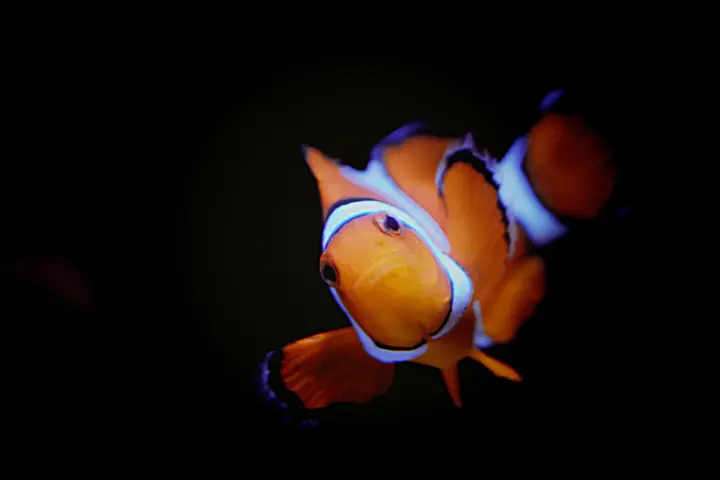
Beyond "Finding Nemo": The real-life adventure of the clown fish and its epic ocean journey
ADVERTISEMENT
Finding Nemo is one of the most famous animated films that has inspired generations around the world. Many people do not know, however, that the film draws on the real-life story of the clownfish and its epic ocean journey. The life of this fish
ADVERTISEMENT
is one of the most influential and important stories in the ocean world, and scientists have learned a great deal about its behavior, habits, and impact on the ecosystem.
1. Discover the spirit of adventure: the journey of a clownfish in the oceans.
Photo by Benni Fish
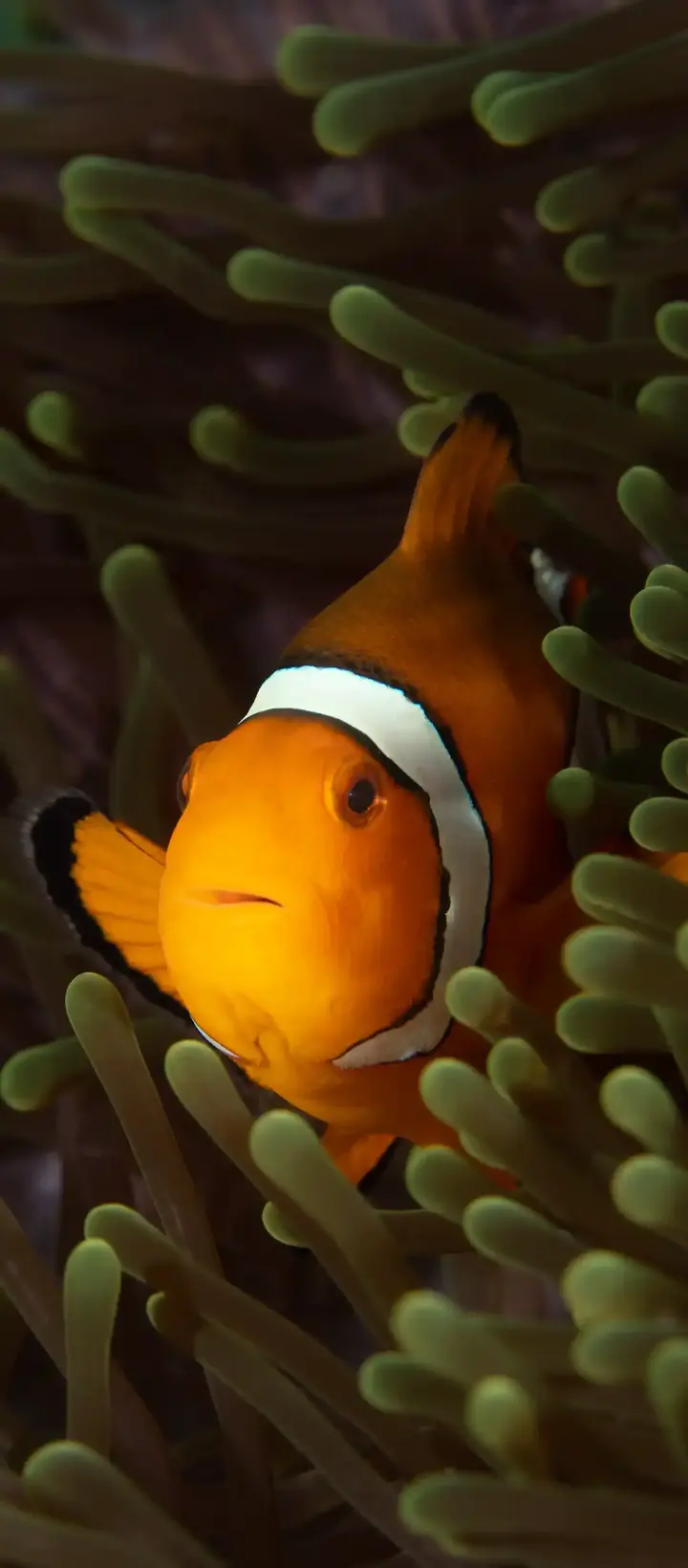
When it comes to real ocean adventures, the clownfish’s journey stands out. This brightly colored little fish is the true protagonist behind Finding Nemo, but its adventure was not limited to the big screen.
ADVERTISEMENT
At one point the adventurous clownfish decided to leave the Pacific coral where it lived and explore the vast, unknown ocean. Despite its small size, it found the courage and curiosity to enter areas no fish had encountered before.
During its epic ocean journey, the clownfish faced many challenges and dangers. It encountered strong currents and massive waves, but did not give up. Thanks to a determined, adventurous spirit, it kept confronting and overcoming obstacles.
The clownfish’s journey became a symbol of determination and resilience. It shows that size does not determine willpower or the ability to reach goals. The oceans may seem mysterious and immense, but with courage and determination we can explore them. Celebrate the adventurous spirit of the clownfish and be inspired to uncover more of the ocean’s secrets.
ADVERTISEMENT
2. The impact of clownfish on marine life and the ecosystem.
Photo by Wewe Yang from Pexels
When we talk about clownfish, we must not overlook the importance of this small marine creature to marine life and the ecosystem. The clownfish is more than a colorful character in animated films; it has a significant impact on the environment where it lives.
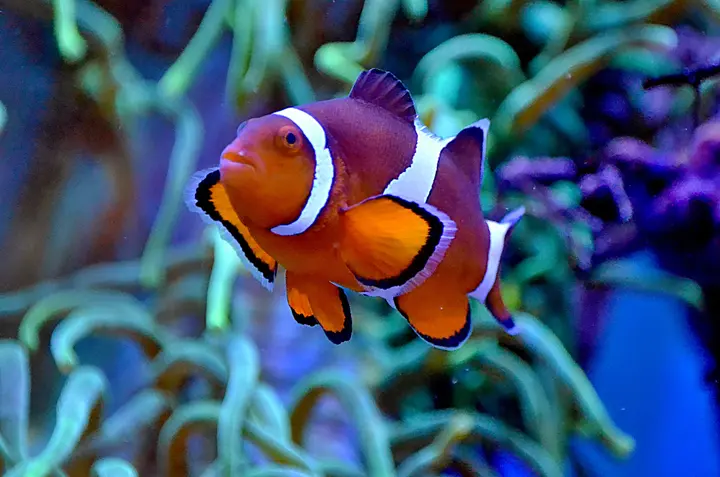
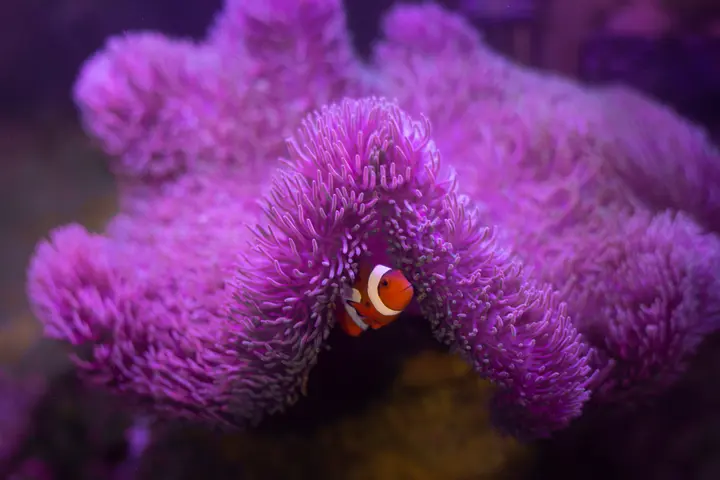
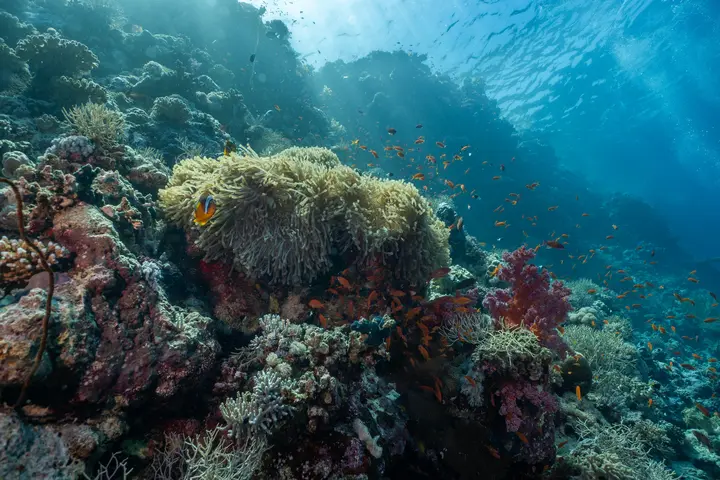
Many different clownfish species are found across the oceans, and they live among coral reefs and sea anemones. What makes them unique is their mutually beneficial relationship with the anemones. Clownfish find safe shelter among the anemone’s tentacles, while the clownfish provide food scraps and help keep the anemone free of harmful algae.
In addition, the clownfish are described as having a unique trait related to toxicity. According to the account here, they contain a toxic substance that deters predators from approaching. This toxicity causes would-be predators to retreat and avoid the clownfish. In this way, the clownfish help maintain ecosystem balance by protecting themselves and the reefs where they live.
ADVERTISEMENT
However, clownfish face multiple threats that endanger their survival and their role in the ecosystem. These include marine pollution, destruction of sea anemone habitats, and climate change affecting coral reefs. Conservation programs to protect clownfish and their coral and anemone habitats are therefore essential to preserve marine balance.
In short, we must recognize the great importance of the clownfish: it is not just a part of animation, but a living organism that plays a key role in maintaining marine balance. Through mutual cooperation with anemones and the protective traits attributed to them, clownfish are a striking example of biological harmony in the ocean and the need to preserve marine biodiversity.
ADVERTISEMENT
3. The challenges of the epic oceanic clownfish journey.
Photo by James Lee from Pexels
The story of the clownfish and its epic ocean journey is an extraordinary tale in which sea creatures face many challenges. This trip is a fact, not just cinematic fantasy; it shows the clownfish’s ability to overcome adversity and adapt to the ocean’s harsh conditions. In this section, we explore the challenges of that voyage and how these fish meet them.
First, clownfish face difficulties simply reaching their destination. They must travel long distances and move through different stages of their life cycle. Clownfish often survive in small groups and move among reefs when foraging or breeding. This requires mobility and the ability to navigate complex marine terrain.
ADVERTISEMENT
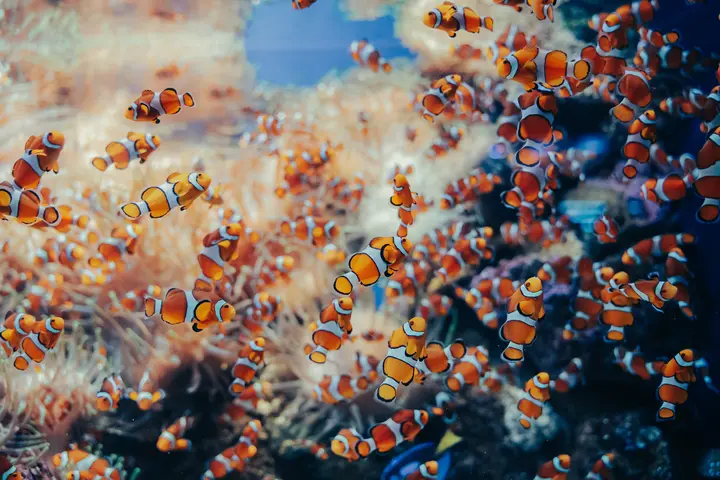
Second, clownfish must contend with dangers and predators. The ocean is home to many life-threatening animals. The most prominent enemies mentioned here are sharks, hairdresses, and octopuses. Clownfish must be ready to defend themselves and protect their eggs from these threats.
Third, climate change and ocean pollution pose major challenges during the clownfish’s voyage. Temperature shifts and contaminated waters can harm the fish and degrade coral reefs, their natural habitat. Clownfish must adapt to these environmental pressures and do what they can to preserve their surroundings.
Ultimately, the clownfish’s epic ocean journey reveals the strength and resilience of these creatures. Despite many challenges, they persist and continue to face adversity. Their story teaches us that willpower and adaptability can make it possible to overcome seemingly impossible odds.
ADVERTISEMENT
4. The science behind Finding Nemo: how the film enriched our knowledge of marine life.
Photo by Ivan Babydov from Pexels
Finding Nemo was not just animated entertainment; it opened a window onto marine life and expanded our understanding of the ocean’s creatures. The film presented a range of scientific facts and observations that increased awareness of the need to protect the marine environment.
The film introduced us to the character Nemo, a clownfish living on the reef. Through his father Marlin’s search for him, we met many sea creatures—sharks, turtles, corals, and others. The movie depicted these animals and their behavior in ways that helped viewers discover new aspects of this mysterious world.
ADVERTISEMENT
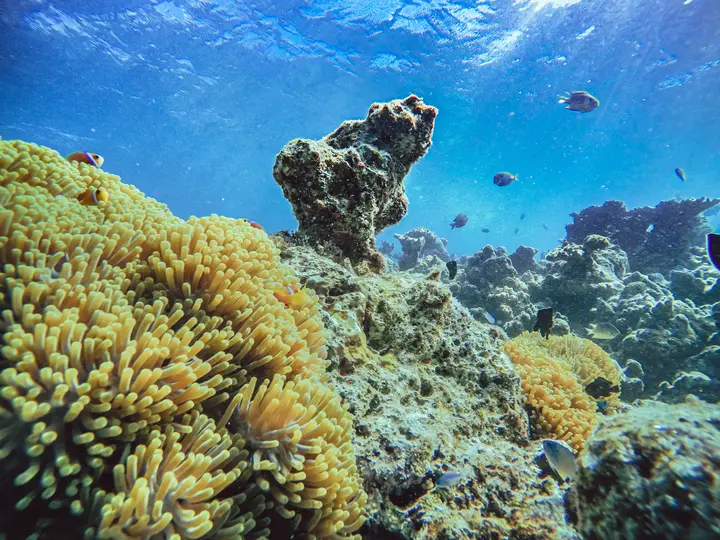
One notable point in the film is the relationship between clownfish and their host anemones. We saw that clownfish live in a cooperative relationship with anemones, protecting and cleaning them while taking shelter among their tentacles. The film also highlighted the effects of pollution on coral reefs and the harmful impact of human activity on marine life.
The movie also touched on marine migration and the role of migratory species in maintaining ecosystem balance. For example, it showed the importance of sharks’ movement between locations to sustain ocean food webs. It discussed factors affecting marine life such as climate change and light and noise pollution. As a result, Finding Nemo increased public interest in the oceans and spurred efforts to protect marine life and coral reefs. Many research projects and conservation initiatives were launched to safeguard these creatures for future generations.
ADVERTISEMENT
In short, Finding Nemo is more than entertainment; it became a powerful tool for communicating scientific information in an engaging way. The film raised awareness about marine conservation and motivated people to act to preserve the planet’s marine resources.
5. The impact of the true story of the clownfish on the public and the global community.
Photo by Saad Alaiyadhi from Pexels
Finding Nemo offers a compelling story and beloved characters, but it also reflects an inspiring true story that has touched audiences worldwide. The real-life tale behind the film has become a symbol of hope and perseverance that continues to resonate globally.
The clownfish’s story, as portrayed through Nemo, mirrors a journey of search, hardship, and determination. The film tells the tale of a small fish facing difficulties and loss but resolved to find its family and return home. That message—that even in the face of hardship we can show courage and achieve our goals—struck a chord with audiences.
ADVERTISEMENT
The impact of this story is visible in public and global engagement. Over the years, museums and galleries have hosted exhibits related to the clownfish and its voyage. Merchandise—such as toys, fireworks, and clothing—inspired by the film has spread widely and become part of global culture.
The story influenced not only general audiences but also scientists and researchers. The clownfish’s tale and its oceanic voyage stimulated interest in marine studies and conservation. The film’s international fame helped increase attention to marine reserves and the protection of marine life.
The true story of the clownfish goes beyond the film itself; it stands for hope, challenge, and strength. It has inspired millions to pursue their dreams and remain steadfast in adversity. That influence is likely to continue for generations to come.
ADVERTISEMENT
Photo by Egor Kamelev from Pexels
The story of the clownfish and its epic ocean journey is a remarkable real adventure. We have learned much about marine life and the importance of protecting the ocean environment. The clownfish has left a lasting impression and demonstrated that even the smallest creatures can overcome great odds and achieve the extraordinary.
Ahmad Alghwaja
ADVERTISEMENT
Smart Travel Tips: Avoid Common Mistakes and Enjoy Your Trip
ADVERTISEMENT
In a world where life moves quickly, travel has become an important part of both personal and professional life. Whether for work, exploration, or relaxation, travel offers chances to broaden your horizons and create lasting memories. But travel can bring challenges and unpleasant surprises if you do
ADVERTISEMENT
not plan carefully. So how can you avoid common mistakes and make the most of your trip?
The answer is smart travel — a proactive approach that emphasizes careful planning and preparation to ensure a smooth, enjoyable experience. In this article we explore tips and strategies to help you travel smarter. We cover everything from choosing a destination to handling emergencies, plus efficient packing and staying healthy and safe on the road.
ADVERTISEMENT
Let’s begin the journey toward smarter travel and learn how to make every trip memorable and worry-free.
Advance Planning
Choosing the Destination: What to Consider
Photo via Unsplash
When choosing a destination, think about factors such as the climate, cost, available activities, and local cultural events. Decide what you want from the trip — relaxation, adventure, cultural learning, or a mix — and use online tools and reviews to see others’ experiences and find the best times to visit.
Booking Flights and Accommodation: Tips for the Best Deals
Photo via Unsplash
Booking early often saves money and helps secure your preferred options. Compare prices across different sites and watch for special offers and discounts. If you can be flexible with travel dates, small changes in timing can lead to significant savings.
ADVERTISEMENT
Travel Insurance: Why It Is Essential
Photo via Picpedia
Travel insurance protects you against risks such as cancellations, accidents, illness, and theft. Choose a policy that matches your needs and covers planned activities, and read the terms and conditions carefully to avoid surprises.
Packing Luggage
Essential Packing List: What You Can't Forget
Photo via Unsplash
When packing, focus on the essentials you will need during the trip. Here are the main items to remember.
1. Clothing and footwear: Calculate the number of days at your destination and pack accordingly. Include versatile pieces that mix and match easily — for example, a white shirt and a pair of denim jeans.
2. Personal supplies: Pack personal items such as a toothbrush, toothpaste, and your regular skincare products. Include shaving tools if you need them.
ADVERTISEMENT
3. Health items: Keep essential medications in your carry-on — painkillers, any prescription antibiotics you need, and similar items. Also pack basics like band-aids and hand sanitizer.
Packing Light: How to Pack Efficiently
Photo via Unsplash
1. Choose a bag that fits the trip: a small carry-on or backpack for short trips, a larger suitcase for longer stays.
2. Roll clothes rather than folding to save space and reduce wrinkles.
3. Use luggage with pockets and compartments to keep items organized.
Smart Travel Tools: Gadgets to Ease Your Trip
Photo via Rawpixel
1. Always carry a mobile phone charger and extra USB cables.
2. Use compression bags to save space in your luggage.
3. Bring a foldable daypack for excursions and daily use.
ADVERTISEMENT
During the Trip
Navigating Airports and Stations: Avoiding Stress and Delays
Photo via Unsplash
Airport and station travel can be confusing and tiring, especially on long journeys. The following tips can make your experience smoother.
Photo via Unsplash
1. Arrive early: Give yourself plenty of time to complete check-in, security, and other procedures so you do not have to rush. Check the recommended arrival time from your airline or transport company.
Photo via Unsplash
2. Check documents: Make sure your passport, visas, and other travel documents are valid and easy to access. Store electronic copies in mobile apps as backups.
Photo via Pexels
3. Plan your route inside terminals: Learn the airport or station layout in advance and allow time to move between gates or platforms.
ADVERTISEMENT
Handling Incidents: How to Stay Calm and Organized
Photo via Unsplash
Unexpected incidents and delays happen, but good preparation helps you manage them more effectively.
1. Have a backup plan: Prepare alternatives in case of flight delays or cancellations. Keep a list of nearby hotels and alternative transport options in case you need to make emergency changes.
2. Communicate effectively: If a problem arises, speak with airline or transport staff for accurate information and assistance. Use mobile apps to get real-time updates on flight status.
Culture and Language: Communication and Respect in Different Countries
Photo via Unsplash
Visiting new countries exposes you to different cultures and languages. Here are ways to handle that diversity respectfully and effectively.
ADVERTISEMENT
1. Learn basic phrases: Knowing a few words and phrases in the local language helps you communicate and shows respect. Use translation apps to help when needed.
2. Understand local customs: Read about local customs and traditions to avoid causing offense or misunderstandings. Be mindful of social and religious norms in the places you visit.
Safety and Health
Staying Healthy: Tips to Avoid Illness
Photo via Unsplash
Travel exposes you to health risks ranging from environmental changes to local illnesses. The following measures can help you stay well.
1. Vaccinations and prevention: Make sure you receive all recommended vaccinations before travel. Use preventive measures such as hand sanitizer and insect repellent in areas prone to insect-borne diseases.
ADVERTISEMENT
2. Food and water safety: Eat clean food and drink bottled or treated water. Avoid raw or undercooked food in places where hygiene standards are uncertain.
3. Personal hygiene: Wash your hands regularly, especially before eating or after being in public places. Carry hand sanitizer and wet wipes for convenience.
Personal Safety: How to Stay Safe Abroad
Photo via Unsplash
Staying safe while traveling requires awareness and sensible precautions. Follow these guidelines.
1. Be aware of your surroundings: Avoid areas known for crime and use maps or apps to stay on familiar routes.
2. Protect your belongings: Use locks on bags and never leave items unattended in public places. Keep cash and important documents close to your body, for example in a waist pack.
ADVERTISEMENT
3. Prepare for emergencies: Keep the contact details of your country’s embassy or consulate handy. Learn local emergency numbers and how to seek help where you are visiting.
Technology and Travel
Essential Apps for Travelers
Photo via Unsplash
Smartphone apps can be valuable companions while traveling. Consider these types of apps to improve your trip.
1. Map and navigation apps: Use apps such as Google Maps or Apple Maps to find your way, locate attractions and restaurants, and download maps for offline use when you expect limited connectivity.
2. Language and translation apps: Keep a translation app for communicating with locals and store useful phrases for quick access.
3. Booking and planning apps: Book flights and hotels through services like Booking.com or Expedia, and use itinerary apps to organize your schedule and reminders.
ADVERTISEMENT
Staying Connected: Tips for Communication and Internet
Photo via Unsplash
Staying connected to family, friends, and services is important when you travel. These tips can help.
1. Buy a local SIM card: A local SIM often provides cheaper phone and data service. Make sure your phone is unlocked before you travel so you can use a different SIM.
2. Use free Wi-Fi carefully: Look for free Wi-Fi at airports, cafes, and hotels, and use a VPN to keep your connection secure on public networks.
3. Pre-load content: Download books, movies, and music before you leave so you have entertainment without needing a connection. Use apps that support offline access.
Photo via Unsplash
After exploring these smart travel tips, it is clear that careful planning and attention to detail can turn any trip into an enjoyable, hassle-free experience. Apply these tips on your next journey, and remember to enjoy every moment.
ADVERTISEMENT
Travel smart, enjoy the adventure, and keep discovering the wonders of the world.
Deniz Aksoy
ADVERTISEMENT
Growth Hormone Secretion and Its Relationship with My Teenager's Sleep
ADVERTISEMENT
Approximately 20 to 30% of children and teenagers experience sleep difficulties for various reasons. Sometimes the causes are physical, such as illnesses that affect sleep quality; other times psychological and emotional factors are involved. Genetic and environmental factors also influence sleep quality and its problems. In some cultures, strict sleep
ADVERTISEMENT
schedules for children are not enforced, and they are allowed to sleep whenever they choose. That pattern affects their biological clock and natural growth rhythms.
But why is a set sleep schedule important, and how does it relate to a child’s or teenager’s growth? This article focuses on growth hormone secretion in teenagers and its connection to their sleep. If your child is a teenager or entering that phase, this article may answer some of your questions.
ADVERTISEMENT
1- What is Growth Hormone?
Photo from Unsplash
Growth hormone is secreted by the pituitary gland, a small gland inside the brain. Its role is to support the growth, renewal, and multiplication of body cells and to stimulate the growth of tissues and organs, including bones, at different life stages. It is also called human growth hormone and is produced by the anterior cells of the pituitary gland. Secretion levels peak during puberty. The hormone is released throughout the day every three to five hours, and its secretion increases in children during deep night sleep.
2- Signs of Growth Hormone Activity and Deficiency in Children
Photo from Unsplash
When growth hormone is active, obvious signs include increases in height in children and teenagers, along with gains in muscle mass. Less visible signs include providing energy to tissues for building, stimulating protein synthesis, breaking down fat, and boosting the immune system to fight illness.
ADVERTISEMENT
Conversely, a deficiency in growth hormone leads to short stature or dwarfism. A child may grow normally until about age two, after which growth can slow or stop. It is essential to monitor a child’s growth regularly with a specialist, especially if there is a noticeable slowdown in growth.
3- Physical Growth During Adolescence
Puberty happens because of changes occurring in a child’s body, typically beginning around age 11, although timing varies for some. Individual differences are visible in children at different growth stages and between genders. During this period, hormonal activity causes many changes that clearly affect mood. Physical growth generally finishes between ages 15 and 17, aligning closely with the maturity of height and the age at puberty.
ADVERTISEMENT
Your child may grow taller and larger, possibly surpassing your size, and become physically capable of reproduction even if they are not psychologically ready for such responsibilities. Despite their physical growth, they still need your support. Environmental factors, nutrition, and other habits influence the timing of growth during adolescence.
Children often compare themselves to others’ growth stages, which can cause anxiety if they think they are behind. It is important for kids to understand that they will go through these stages like others, but not necessarily at the same pace or at the same time.
As noted earlier, growth hormone peaks during this stage, producing rapid growth and noticeable physical changes such as hair growth, voice changes in boys, and the start of menstruation in girls. These changes increase their need for sleep. Allowing them extra sleep is important because growth hormone is most active during sleep, so teenagers need more sleep.
ADVERTISEMENT
4- What is the Connection Between Growth Hormone and Sleep?
Photo from Unsplash
Many factors influence growth hormone secretion, including stress, fatigue, proper nutrition, physical activity, and sleep. Do growth processes happen only while children are awake? In fact, growth hormone is much more active during sleep, especially with regard to bone growth. During the day, the growth plates in children’s bodies are under pressure from body weight and activity. During sleep, when the body is horizontal and pressure on the bones is reduced, the bones have a chance to stretch and grow. For this reason, children sometimes wake up complaining of leg pain. Proper sleep duration for their age is therefore necessary to prevent slow or halted growth and to support healthy development.
ADVERTISEMENT
The risk is not only failing to establish suitable sleep hours, which slows growth hormone activity, but also harm to the function of other organs. Growth hormone stimulates other hormones that regulate different bodily functions. A deficiency in growth hormone affects the secretion of these hormones and impacts various organs. Changes in hormone levels also influence appetite, hunger, and satiety. This can show up as unhealthy eating habits, such as excessive carbohydrate intake — a problem common among teenagers who stay up late into the morning, leading to overeating, especially of carbohydrates, along with other unhealthy behaviors.