Basic tips for caring for pet rabbits: everything you need to know

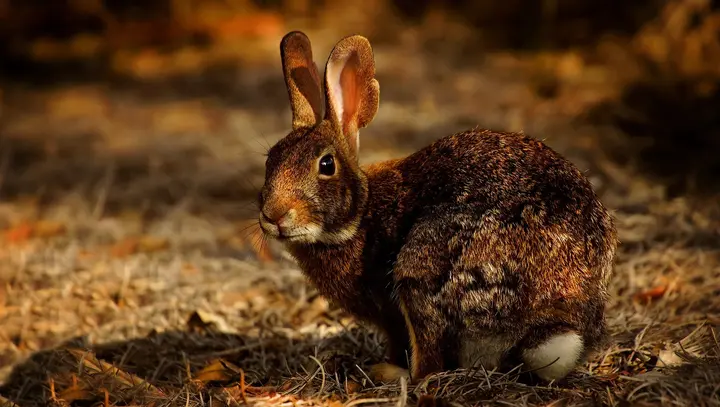
Show key points
- Owning a pet rabbit comes with full responsibility, requiring consistent care and attention to keep it healthy and happy.
- A rabbit’s diet should primarily include fresh herbs and vegetables, with occasional fruit and grains, while avoiding harmful foods like sweets and chocolate.
- Creating a spacious, comfortable, and well-ventilated living area is essential to ensure the rabbit feels safe, relaxed, and stimulated.
- ADVERTISEMENT
- Adding toys and interactive objects in the rabbit’s environment helps provide mental stimulation and physical activity, preventing boredom.
- Consistent veterinary checkups, a clean habitat, and monitoring for common illnesses are crucial for maintaining your rabbit’s health.
- Engaging with your rabbit calmly and affectionately strengthens your bond and helps build trust and companionship over time.
- Rabbits thrive in a calm, loving environment where they can explore, play, and enjoy regular daily interactions with their owner.
When you decide to own a pet rabbit, it becomes your responsibility to care for it. Rabbits need special attention and consistent care to stay healthy and happy. In this article we offer basic tips for caring for pet rabbits. You will learn about their dietary needs, the right living space, favorite activities, and the most important health precautions. Whether you are a new rabbit owner or want to refresh your knowledge, this article will help.
1. Provide the right food for the pet rabbit: what you should know about his diet
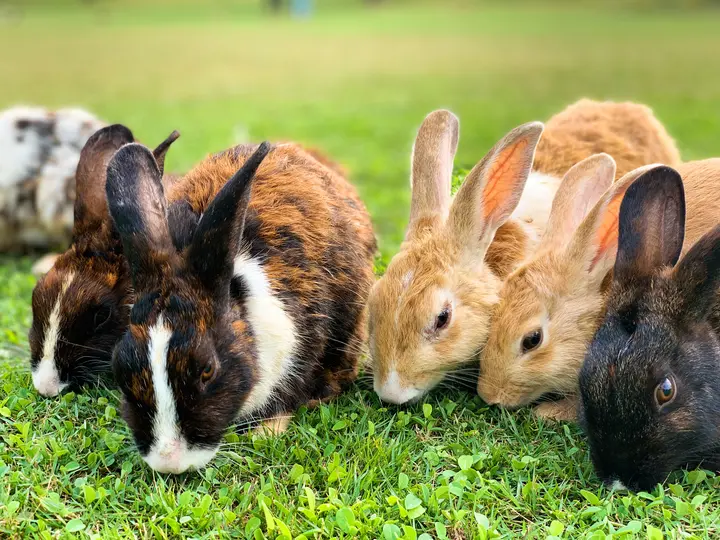
Pet rabbits have a specific diet you should understand to feed them properly. Their diet consists mainly of fresh herbs and vegetables, which are rich in fiber and vitamins. Foods that may seem insignificant to us are staples for your rabbit.
Recommend
Provide a variety of herbs and vegetables, such as carrots, lettuce, broccoli, and coriander. These should be fresh and free of chemicals. You can also offer a small amount of fruit and grains, but keep these treats limited because they are high in calories.
Avoid foods that are harmful to rabbits, such as chocolate, sweets, and fatty foods. Rabbits are sensitive to certain foods, which can cause health problems. Make sure you know which foods are safe and appropriate for your rabbit.
Finally, consider your rabbit’s individual needs and provide a balanced, healthy diet. You can consult your veterinarian for additional feeding advice; they will give useful guidance to keep your pet healthy and happy.
2. Preparing the ideal dwelling for a pet rabbit: what are its peripheral needs?
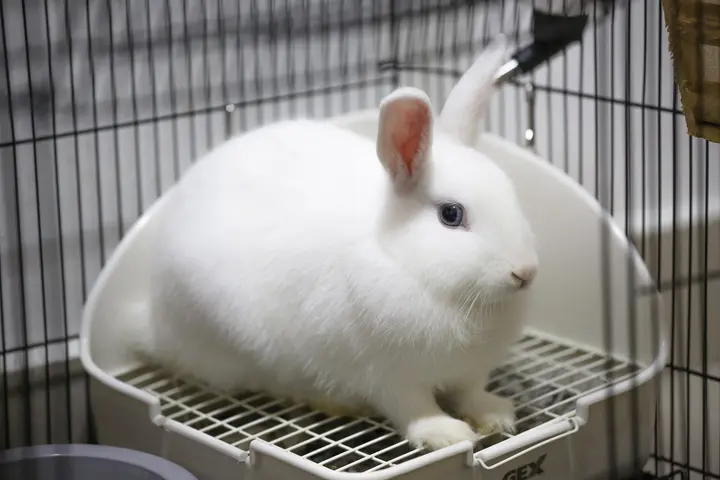
Choose a quiet corner of the house for your rabbit’s living area. A suitable dwelling is a haven where your rabbit can feel safe and comfortable. To prepare the ideal home, consider its surrounding needs. Let’s look at what your rabbit needs to be happy and comfortable.
First, the dwelling should have enough space for movement and exploration. You might think a small animal needs little room, but rabbits need space to walk, hop, and stretch. Consider a dedicated area such as a large wooden box or a spacious cage.
Second, provide a safe place for sleeping and resting. Offer a comfortable, soft bed made from natural materials such as straw or cotton. Add suitable blankets for colder months. Include a dark, quiet spot where the rabbit can hide and recharge.
Third, include items for entertainment to keep the rabbit active and occupied. Put toys, exercise items, and things to chew on in the dwelling. Rabbits enjoy wooden and cotton toys, so be sure to provide those.
Finally, ensure good ventilation in the dwelling. Rabbits need fresh air, so provide airflow while avoiding direct cold drafts. Also include a high spot inside the dwelling that the rabbit can reach to relax and look at the ocean.
3. Rabbit's favorite fun activities: how does your rabbit practice and have fun?
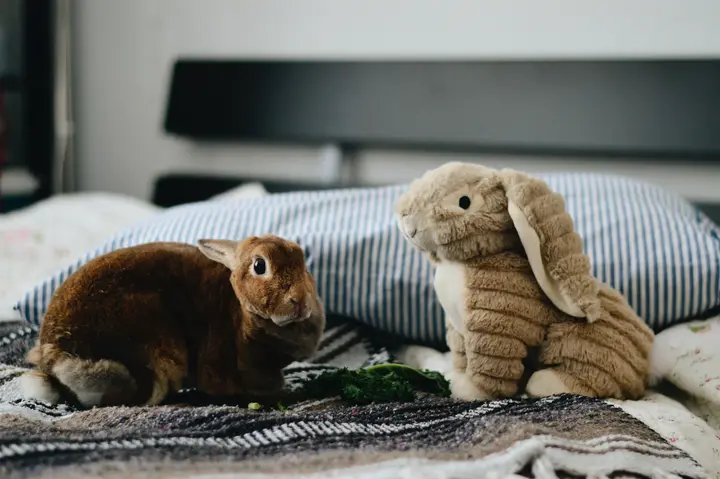
Play and enrichment are important for a rabbit’s physical health and mental well-being. If you want fun ways to keep your rabbit engaged and stimulated, here are some practical tips.
First, provide a safe, contained area for play. Use a large cage or set aside a separate space where your rabbit can roam freely. Include safe toys such as small balls and flexible tubes for exploration.
Next, provide ropes, rings, and moderate-sized toys for your rabbit to interact with. Hang some of these in the cage or place them on the floor for the rabbit to investigate. Playing with toys stimulates movement and interaction, which strengthens the bond between you.
Don’t forget to train and encourage movement. Rabbits can learn simple commands like jumping over poles or entering a small box. Use a small piece of your rabbit’s favorite food as a reward when it completes a task. This motivates participation and makes activities enjoyable.
Also set aside daily time to play with your rabbit. Direct interaction matters to them. Be gentle and affectionate, using your hands and voice to encourage interaction. Interactive games like rolling a ball back and forth or playing with rubber ropes are good options for shared play.
4. Health and Wellness: Basic Health Precautions for a Pet Rabbit
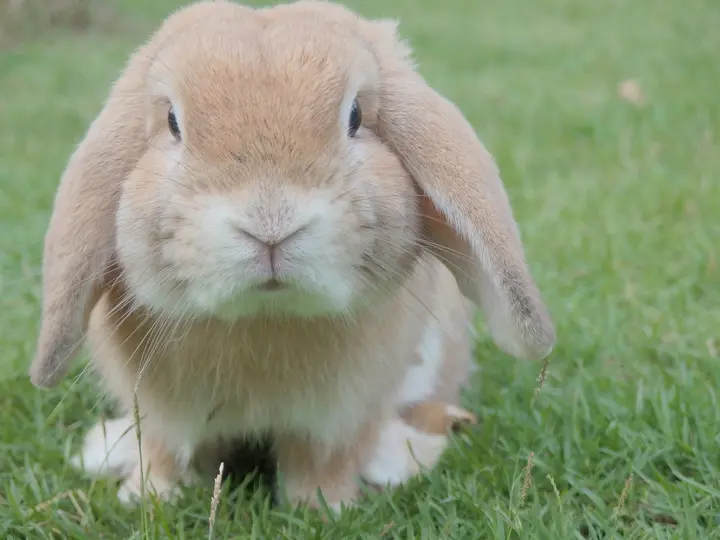
Health precautions should be a top priority when caring for a pet rabbit. Rabbits need specific care to maintain their health throughout life. Below are basic tips to help you protect your rabbit’s well-being.
Watch for common diseases: Some illnesses can affect rabbits, including the ECV virus, scabies, and food allergies. Learn the symptoms of these conditions and how to prevent and treat them.
Schedule regular veterinary checkups: It’s important to take your rabbit to the vet periodically. The veterinarian will examine your rabbit, provide necessary vaccinations and medications, and give guidance to keep your rabbit healthy.
Disinfect the cage and equipment: Keep a regular cleaning schedule for the rabbit’s cage and tools. Wash the cage with soap and water and dry it thoroughly. Clean and disinfect food and water dishes and other items to prevent the spread of germs.
Provide healthy nutrition: A balanced diet is a key part of health care. Offer a varied, balanced diet that includes organic peels, leafy greens, apricot fruits, and fresh herbs. Avoid harmful foods such as chocolate and fatty scraps.
Monitor weight and activity: Regularly check your rabbit’s weight to ensure it stays within a healthy range. Sudden weight gain or loss can signal health problems. Encourage regular activity by giving opportunities to play and roam.
5. Contact and communicate with your pet rabbit: how to be a best friend to your animal?
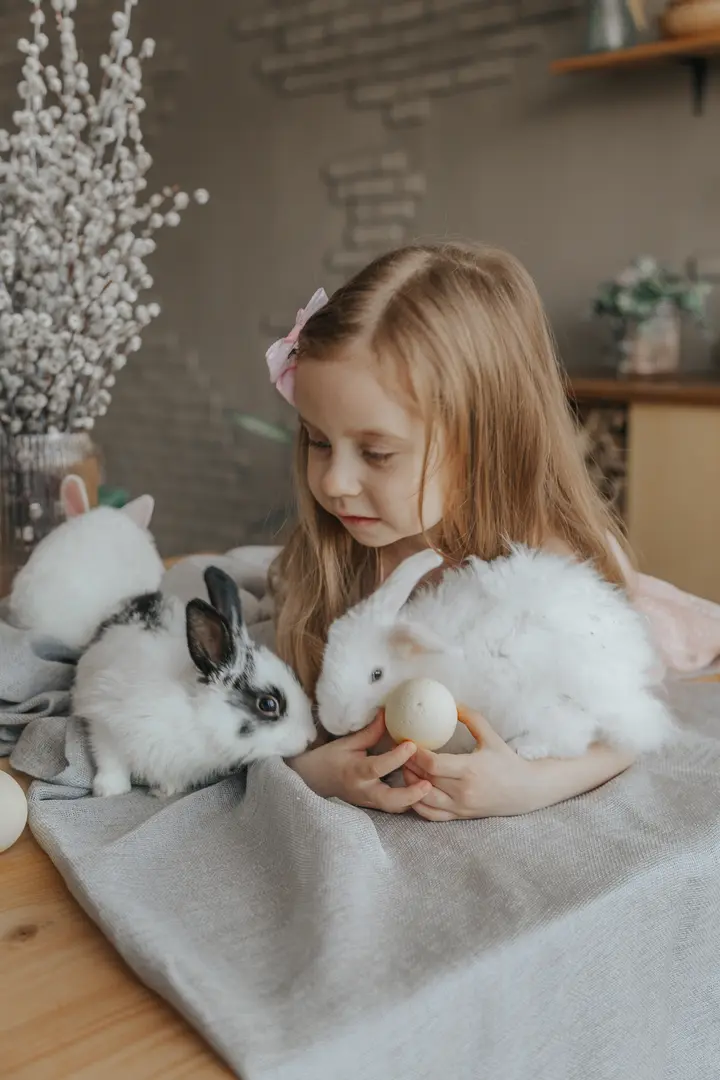
Bonding and communicating with your rabbit helps build a strong relationship. Becoming a good friend to your rabbit creates trust and comfort, making rabbit care more rewarding.
First, keep interactions calm and quiet: Rabbits feel safe in a peaceful environment. Find a quiet place to spend time with your rabbit without noise or interruption. Use gentle body language to soothe and reassure it.
Second, show love and attention regularly: Spend a little time each day giving affection. You can pick up your rabbit gently, offer petting, and share quiet moments. Establish a playful routine for interaction.
Third, provide preferred and nutritious food: Serving the right food according to dietary recommendations is a way to build trust. Hand-feeding from time to time can strengthen your bond.
Fourth, encourage exploration and play: Give your rabbit materials it enjoys, such as paper tubes, boxes, and chewable toys. Rotate toys regularly to keep it engaged.
Fifth, talk and communicate: Speak to your rabbit in a calm, friendly tone. Rabbits may not understand words, but they respond to emotion and voice. Use hand gestures and gentle movements to interact.

Always remember that caring for a pet rabbit requires attention and patience. Rabbits are delicate and sensitive, so meet their basic needs and provide a safe, loving environment. Training and care may be challenging at first, but with the right knowledge and consistent care you can be a great rabbit owner and help your pet live a happy, healthy life. Don’t hesitate to give your rabbit the love and attention it deserves.