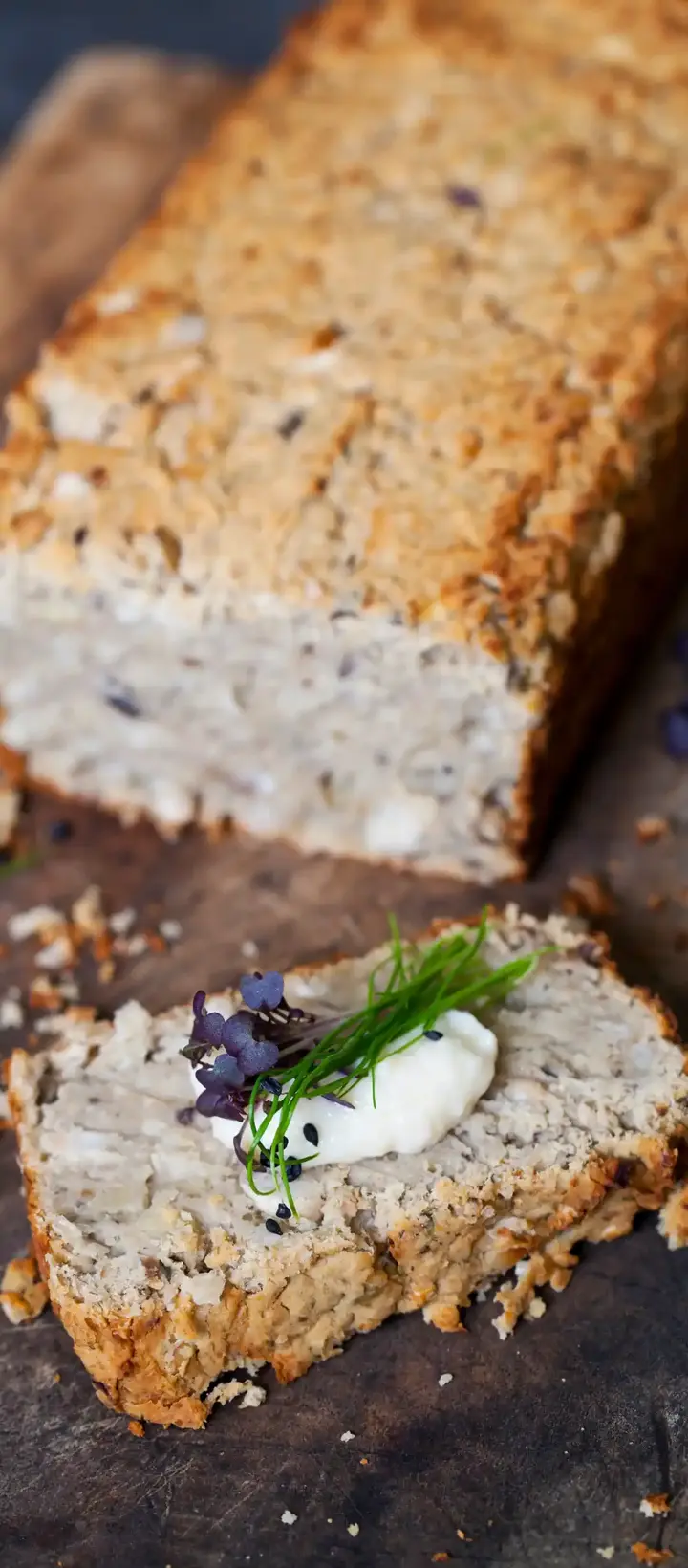
Gluten-free foods are an important healthy option for people with gluten sensitivity or related diseases such as gluten sensory nerve disease. Among these important foods, wheat-free bread comes first. Finding wheat-free bread can be a challenge for some people, as they want to enjoy the delicious bread experience without experiencing
ADVERTISEMENT
the negative symptoms caused by wheat. Therefore, our guide comes here to help you choose wheat-free bread in an easy and satisfying way.
1. What is gluten and why should it be avoided?
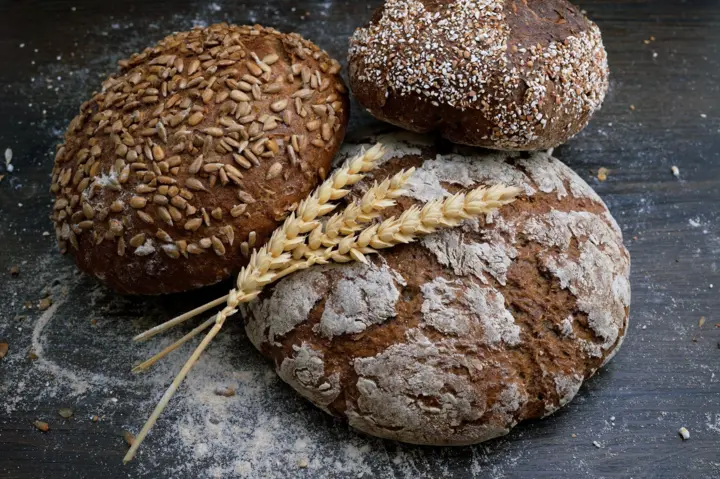
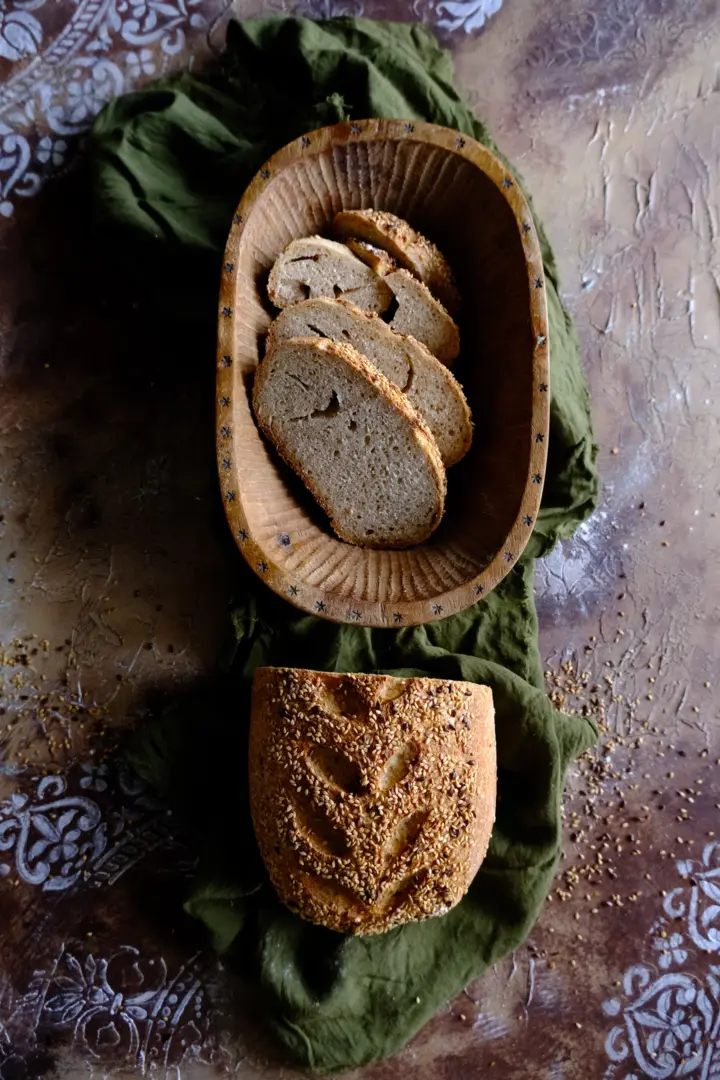
unsplash على Wesual Click صور من
Gluten is a kind of powerful protein that is found in grains of wheat, barley, rye and oats. Gluten is an essential ingredient in making bread, as it gives the dough elasticity and firmness. However, some people are allergic to gluten, and this sensitivity is called gluten sensitivity or celiac disease. When eating gluten, sufferers experience gastrointestinal irritation and common symptoms such as abdominal pain, nausea and diarrhea. In addition, people with celiac disease experience poor nutrient absorption, leading to nutritional deficiencies and other health problems.
ADVERTISEMENT
Therefore, avoiding gluten is essential for people with gluten sensitivity or celiac disease. Avoiding gluten helps them avoid negative symptoms and maintain their overall health. Fortunately, today there are many gluten-free alternatives that allow people to enjoy their favorite foods without the harmful effect of gluten. Among these alternatives, wheat-free bread is a popular option available to everyone.
Don't hesitate to consult your doctors or nutritionists to learn more about gluten sensitivity and its impact on overall health, and their recommendations on gluten-free foods that suit your condition.
2. Benefits of eating gluten-free foods.
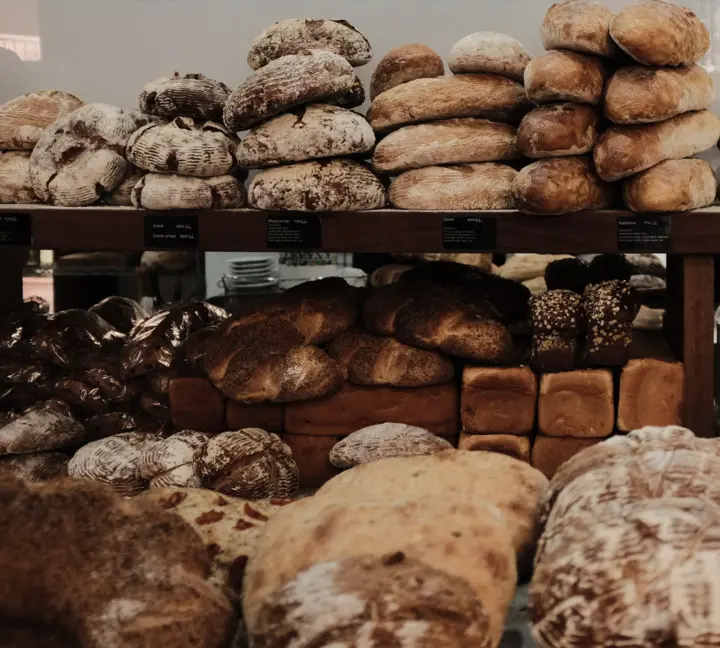
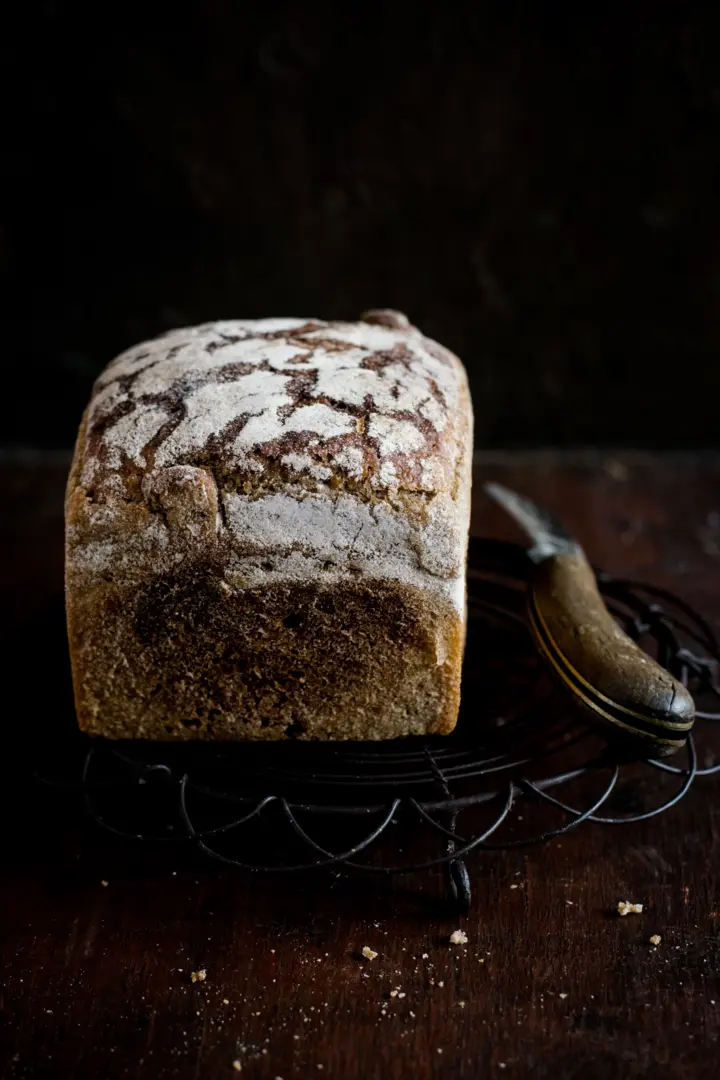
unsplash على Peter F صور من
Nowadays, gluten-free foods are becoming increasingly popular. Not surprisingly, these foods provide many health benefits for people with gluten sensitivity or related diseases. Here are some of the key benefits of eating gluten-free foods:
ADVERTISEMENT
1. Improve digestive health: People with gluten sensitivity or few may have the ability to digest gluten properly. Thus, eating gluten-free foods improves digestion and reduces associated symptoms such as bloating, gas and diarrhea.
2. Promote overall health: In addition to improving digestive health, eating gluten-free foods is believed to improve heart health and reduce the risk of cardiovascular disease. It can also help lower cholesterol and blood sugar levels and maintain a healthy weight.
3. Increase the rate of energy: Gluten is one of the ingredients that give bread and wheat products a distinctive taste and texture. However, some people feel tired or exhausted after eating gluten-containing foods, especially if they are allergic to it. Hence, eating gluten-free foods helps in increasing energy and feeling energetic throughout the day.
ADVERTISEMENT
4. Improve mental health: There is an association between gluten sensitivity and certain mental disorders such as depression, anxiety, hyperactivity and stress. Therefore, some people may find improvement in their mental health after avoiding foods that contain gluten.
5. Diverse food choices: When you're on a gluten-free diet, you should be innovative in your food choices. This means you have to try new and varied foods and ingredients. You may discover that there are many delicious and nutritious dishes that you can eat without gluten.
In short, eating gluten-free foods may be a beneficial way to improve your health and boost your overall well-being. It may take some adjustments in your dietary lifestyle, but the benefits you'll get make it worth the effort.
ADVERTISEMENT
3. How to read product labels and search for wheat-free bread.
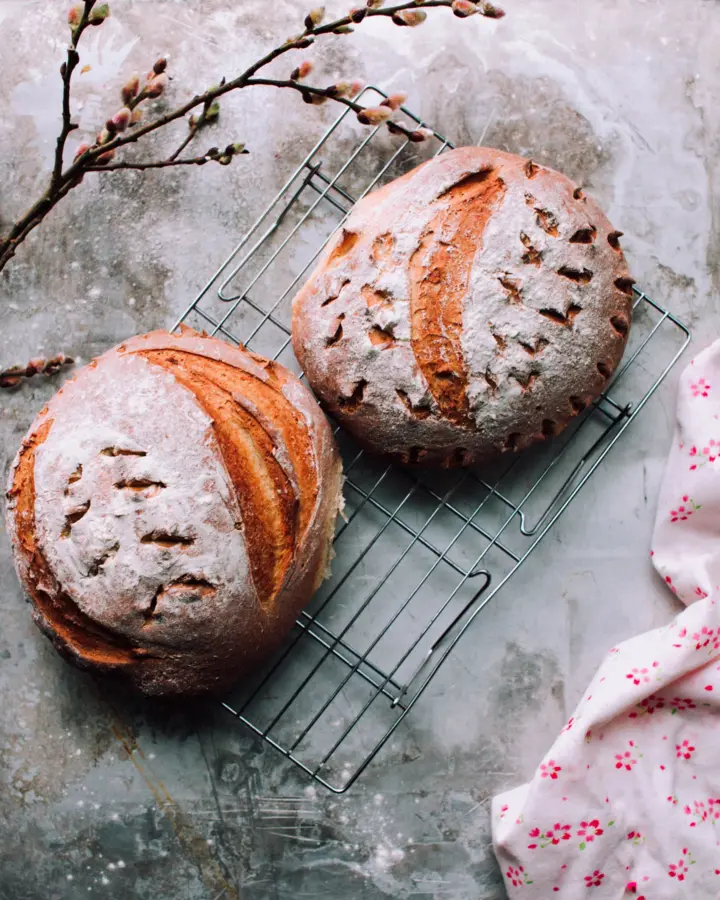
unsplash على Mae Mu صور من
When it comes to buying wheat-free bread, reading product labels becomes crucial to make sure it's really wheat-free. But what points should be considered? And what keywords to look for? This section will provide you with a journalistic guide to understand how to read product labels and search for wheat-free bread safely and conveniently.
First and foremost, product labels may contain different phrases to indicate that the product is wheat or gluten free. Among these common designations, you find "wheat-free", "gluten-free", "suitable for people who maintain a wheat-free diet", etc. These phrases should be clear and specific on the label.
ADVERTISEMENT
In addition, product labels can contain symbols or logos indicating that the product is wheat-free. For example, you may find the wheat symbol clearly crossed out or the clearly crossed gluten symbol. These codes show that the product does not contain any ingredients that contain gluten.
In addition, product labels should contain the ingredient list clearly and in detail. These lists may contain wheat as the main ingredient, and can indicate the presence of gluten or the ingredients that contain it. You should look for any of these words in your ingredient list: wheat, barley, oats (if oat bread is not wheat-free), shami barley, red barley, and malt (derived from barley).
Finally, don't forget that going to the product manufacturer section on the label may provide important additional information. It may indicate that the product was produced in a wheat-free environment or that it was processed by wheat-free machinery.
ADVERTISEMENT
When you use this press guide to read product labels and search for wheat-free bread, you'll be able to make a better and more informed decision about the products that match your health needs. Do not hesitate to consult the experts or your doctor if you are still not sure which option is right for you.
4. The best wheat-free bread available on the market.
unsplash على Işıl صور من
Finding the right wheat-free bread can be a challenge, especially since there are so many brands and types available on the market today. But with the increasing demand for gluten-free foods, you may find many excellent options to enjoy a delicious and healthy baking experience. In this section, we will show you the best types of wheat-free bread that are currently on the market.
ADVERTISEMENT
1. Brown rice bread: Brown rice bread is an excellent choice for those looking for wheat-free bread. Made from natural brown rice flour, it has a good taste and texture.
2. Cornbread: Cornbread has a crispy texture and sweet taste, and is made with wheat-free cornmeal. This type of bread is a great option for eating sandwiches and healthy toast.
3. Potato bread: If you are looking for light and delicious bread, you can choose to bake potatoes. This type of bread is made from potato flour, which gives it a rich taste and crisp texture.
4. White rice bread and sorghum: White rice bread and sorghum are a suitable choice for people looking for wheat-free bread that has a neutral taste and a smooth texture.
ADVERTISEMENT
5. Yellow cornbread: Yellow cornbread is a similar option to cornbread, but made from yellow cornmeal. It has a pleasant taste and crispy texture.
Before buying, you may want to read the ingredients and make sure they don't contain any wheat or gluten. You can also read user reviews and recommendations to find out which varieties are preferred and achieve the best results in terms of taste and quality.
Don't let the gluten delicacy stand in your way of enjoying the bread. Choose from these excellent types and enjoy delicious and healthy dining experiences without any worries.
5. Tips for making wheat-free bread at home yourself.
unsplash على Monika Grabkowska صور من
Making wheat-free bread at home is an excellent option for people who are sensitive to gluten or want to avoid eating wheat. There are many creative ways to prepare wheat-free bread at home, which can allow you to enjoy eating it healthy and delicious. Here are some important tips for making wheat-free bread at home yourself:
ADVERTISEMENT
1. Use flour alternative:
Replace plain flour with gluten-free substitute flour such as rice flour, almond flour, avocado flour or quinoa flour. You can also use a combination of these types to get a perfect result. Be sure to carefully read the recipe instructions and use the appropriate proportions.
2. Use gluten-free baking products:
You can buy gluten-free baking products from the market, such as gluten-free baking powder or ready-to-bake flour mix. Be sure to choose certified products that have the "gluten free" label.
3. Use liquid variant:
You can use vegetable milk or coconut water instead of traditional milk in baking recipes. This will give a unique flavor and help to achieve the optimal result.
ADVERTISEMENT
4. Use egg substitutes:
If you are sensitive to gluten, you may find it difficult to use eggs in baking recipes. You can use mashed bananas, flax eggs or ground flaxseed as a healthy and natural alternative to eggs in baking recipes.
5. Follow the recipe instructions strictly:
Professionalism in making wheat-free bread is important for a perfect result. Be sure to read the recipe instructions thoroughly and follow them step by step. Prepare the ingredients and measure them accurately for a successful result.
With these tips, you can make wheat-free bread at home with ease and creativity. Don't be afraid to experiment and enjoy delicious and healthy results in the comfort of your home.
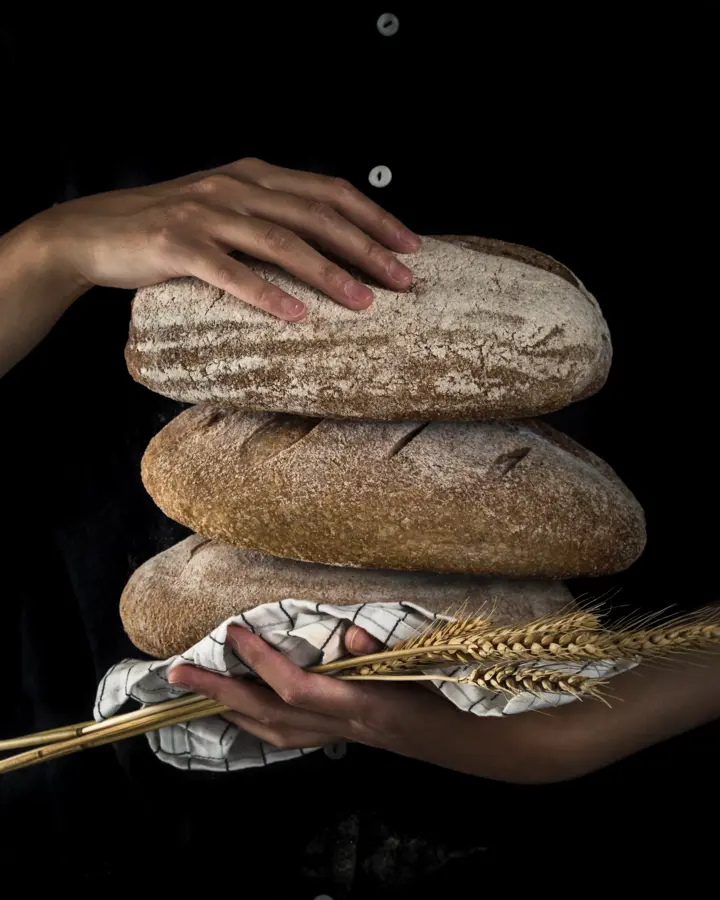
unsplash على Food Photographer | Jennifer Pallian صور من
In the end, we must emphasize that enjoying eating bread does not have to be difficult or unpleasant due to gluten sensitivity. Today's markets have a wide variety of wheat-free bread, and thanks to advances in technology, there are excellent ways to make wheat-free bread at home as well. Follow the tips and guidelines mentioned in this guide, and you will be able to enjoy a delicious and healthy baking experience without having to worry about gluten. So, feel free to try these options and enjoy delicious and nutritious wheat-free bread meals.
حكيم مروى
·
25/03/2025
ADVERTISEMENT
8 قواعد رياضية مجنونة ستجعلك تخدش رأسك
ADVERTISEMENT
الرياضة مليئة بالقواعد واللوائح والبروتوكول التي يجب على اللاعبين الالتزام بها. لكن بعض هذه القواعد أكثر غموضا من غيرها. في حين أن جميع من في الملعب سوف يعترض على إنذار لاعب كرة قدم آخر بسبب خلع قميصه احتفالاً بهدفٍ سجّله، إلا أن حفنةً منهم فقط سوف تُصدم
ADVERTISEMENT
من نفس رد الفعل تجاه الركل أعلى الخصر. إن بعضَ القواعد تكون فعلاً منطقية، تنشد جعل الرياضة أكثر عدالة، وأسرع، وأكثر أمانًا؛ وهي تنطبق على الجميع، من اللاعبين إلى المشجعين.
ولكن هناك تلك القواعد القديمة المجنونة التي كنت تعتقد أن الزمن قد نسيها. من قبعات التنس إلى "خطأ المنشفة" المشؤوم، إليك بعض القواعد الرياضية الغريبة التي ربما تكون قد تجاهلتها...
كرة القدم: الطرد الوقائي
الصورة عبر unsplash
من الممكن في كرة القدم أن يتم طرد اللاعب قبل بداية المباراة. سوف يدرك مشجعو كرة القدم أن البطاقة الحمراء يمكن أن يتم رفعُها بسرعة، مع الطرد في الدقائق القليلة الأولى أحياناً. لكن هل تعلم أنه يمكن بالفعل طردُ اللاعب قبل أن يبدأ أي شيء، من خلال الإساءة اللفظية أو الجسدية للاعبٍ خصم؟
ADVERTISEMENT
إذا حدث هذا الأمر أثناء عملية الإحماء قبل المباراة، فيمكن للحكم طرده اللعب المُسيء قبل ركل الكرة.
الجولف: خطأ المنشفة
الصورة عبر unsplash
تنص إحدى قواعد الجولف القديمة على أنه لا يجب على لاعب الجولف "بناء وقفة"، مما يعني وضع منشفة على المنطقة الخضراء لتجنب اتساخ سرواله عند تسديد الكرة. إنه في الواقع أمرٌ يمكن أن يؤدي إلى استبعاد لاعب الجولف إذا لم يضع العقوبة في بطاقة الأداء الخاصة به؛ على الرغم من أن القليلَ من الناس يدرك أن وقفةَ المنشفةِ هذه لا ينبغي أن تحدث في المقام الأول.
كرة السلة: منع الرمية الحرة
الصورة عبر unsplash
إذا حاول لاعبُ كرة السلة منعَ رمية حرة، فقد يؤدي ذلك إلى تعرضه لخطأ فني. والسبب هو أنه يمكن تصنيف هذا المنع كسلاح استراتيجي ضد الفريق المنافس. إذا قام أحدُ اللاعبين بهذه الحركة غير القانونية وأوقف الكرة وهي في طريقها للهدف، فسوف يؤدي ذلك إلى خسارة الفريق النقاط الموافقة للهجمة (كما لو تمّ تسجيل الهدف)؛ حتى لو نجح لاعبوه في استعادة الكرة.
ADVERTISEMENT
التنس: سقوط القبعة
الصورة عبر unsplash
في لعبة التنس، إذا سقطت قبعة اللاعب أثناء منتصف المباراة، فيمكن لخصمه في الواقع أن يطلب إعادة الضربة، مشيرًا إلى ذلك على أنه عائق أو إزعاج غير قانوني. إذا سمح الحكم بذلك، فيجب على اللاعب الذي انزلقت قبعته أن يعيد الضربة. تم تطبيق هذه القاعدة الغريبة بالفعل في مباراة ويمبلدون عام 2008 بين ناتالي ديشي وآنا إيفانوفيتش؛ حيث كانت مباراةً متقاربة ومثيرة امتدت لما يقرب من ثلاث ساعات ونصف. بمجرد أن أطلقت ديشي تسديدتَها الفائزة، سقطت قبعتها فاستدعى الحكمُ إعادةَ الضربة، مما أبطل النقطة وأدى إلى فوز إيفانوفيتش لاحقاً بالمباراة.
كيوكوشن كاراتيه: الركل فقط
الصورة عبر unsplash
في كاراتيه أسلوب الكيوكوشن، لا يُسمح لك بِلَكْم الأشخاص في رؤوسهم، ولكن يُسمح لك بركلهم في رؤوسهم.
نعم، نحن نعلم أن الهدف من ذلك هو حماية أيدي اللاعِب اللاكِم العارية. لكن إذا كنا قلقين للغاية بشأن إيذاء أنفسنا، فماذا عن رأس الرجل الآخر عندما يتعرض للركل؟ ألا ينبغي أن يكون ذلك محميًّا أيضًا؟
ADVERTISEMENT
المبارزة: لا تترك مسارَ المنصّة
الصورة عبر unsplash
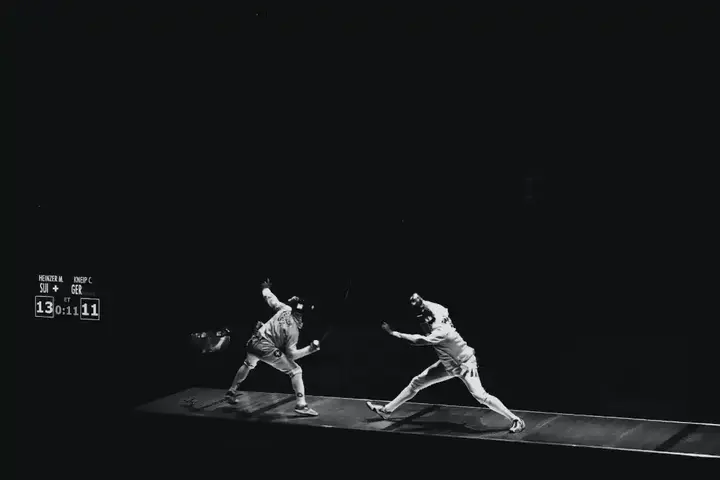
إذا غادر أحد المنافسين منطقة المبارزة (تُلفَظ بيست "peest") - المنصة التي تجري فيها المباراة - فإنه يعترف بالهزيمة. في إحدى الحوادث الشهيرة، اختلفت مُبارِزة كورية جنوبية تدعى شين آ لام مع الحكّام عندما حكموا بأنها خسرت مباراتها الأولمبية، وطالبت بإعادة النظر في النتائج. وبينما كانت لام تنتظر صدور الحكم النهائي، اضطرت إلى البقاء على المسار لمدة 45 دقيقة. جلست على سطح اللعب أمام الجمهور وبكت. وفي النهاية، بقي قرار الحكّام كما هو، وخسرت لام المباراة.
الغوص: كن واثقا
الصورة عبر unsplash
يجب أن يكون الغواصون جريئين بروح معنويةٍ عالية وواثقين من أنفسهم أثناء انطلاقهم للغوص. إذا لم يكن الأمر كذلك، يمكن للقضاة خصم ما يصل إلى نقطتين. هل تصدق أن هناك رياضة يمكن أن تخسر فيها نقاطًا لعدم ثقتك بنفسك؟
ADVERTISEMENT
كرة السلة: خطأ فني لا-غير رياضي
الصورة عبر unsplash
إذا قام اللاعب بالتعلّق على طوق السلّة عمدًا بعد ضربة عنيفة داخل السلّة، فإنه يتلقى خطأ. في حال كنت فضوليًا، فإن الاسم الرسمي لانتهاك القاعدة هو "خطأ فني لا-غير رياضي". في كرة المحترفين، سيؤدي الخطأ أيضًا إلى فرض غرامة قدرها 500 دولار على اللاعب. يا للروع!
تسنيم علياء
·
16/05/2024
ADVERTISEMENT
تنشئة الأجيال: أساليب تربية الأطفال في العصر الحديث
ADVERTISEMENT
في عالم يتسارع بلا هوادة نحو المستقبل، تبرز تحديات جديدة في ميدان تربية الأطفال تتطلب منا التوقف وإعادة النظر في الأساليب التي نتبعها لتنشئة الأجيال القادمة. لم يعد الأمر مقتصرًا على توفير الحاجات الأساسية والتعليمية فحسب، بل أصبح يشمل كيفية إعداد النشء ليكونوا مواطنين فاعلين ومبدعين في مجتمع يتغير بوتيرة
ADVERTISEMENT
متسارعة. العصر الحديث، بكل ما يحمله من تقنيات متطورة وتحولات اجتماعية، يقدم لنا فرصًا وتحديات فريدة في تربية الأطفال.
هذا المقال يهدف إلى استكشاف الأساليب المتنوعة لتربية الأطفال في ظل التغيرات العصرية، مع التركيز على النظريات الحديثة والتكنولوجيا ودورها في تشكيل شخصية الطفل. سنناقش كيف يمكن للأسر والمجتمعات أن تسهم في تنشئة جيل قادر على التكيف مع المستجدات ومواجهة التحديات بثقة وإبداع.
ADVERTISEMENT
التاريخ والتطور
الصورة عبر elements.envato
نظرة عامة على أساليب التربية عبر العصور
لطالما كانت تربية الأطفال مرآة تعكس قيم ومعتقدات المجتمعات عبر الزمان. في العصور الغابرة، كانت الأساليب تتسم بالصرامة والتقليدية، حيث كان يُنظر للطفل على أنه صفحة بيضاء يجب ملؤها بالمعارف والأخلاق الحميدة. مع تقدم الزمن، وخاصة خلال الثورة الصناعية، بدأت الأسر تعي أهمية التعليم والتنشئة الاجتماعية كأدوات أساسية لضمان مستقبل أفضل لأبنائها. واليوم، نشهد تنوعًا في الأساليب التربوية يعكس التطورات الثقافية والعلمية التي يشهدها عصرنا.
التغيرات الاجتماعية وتأثيرها على تربية الأطفال
التغيرات الاجتماعية الجذرية التي شهدها القرن الماضي، كالتحضر والعولمة، أحدثت تحولات كبيرة في نمط حياة الأسر وبالتالي في أساليب تربية الأطفال. أصبح الآباء أكثر وعيًا بأهمية توفير بيئة داعمة تشجع على الإبداع والاستقلالية، بدلاً من الاعتماد على الأساليب التقليدية الصارمة. ومع ازدياد دور التكنولوجيا في حياتنا اليومية، تبرز تحديات جديدة تتعلق بكيفية توجيه الأطفال لاستخدامها بشكل يعزز من قدراتهم التعليمية والاجتماعية.
ADVERTISEMENT
النظريات الحديثة في تربية الأطفال
الصورة عبر elements.envato
النظريات السلوكية والتربوية
تُعد النظريات السلوكية والتربوية حجر الزاوية في فهم وتوجيه سلوك الأطفال. ترتكز هذه النظريات على مبدأ أن السلوك يمكن تعديله من خلال التعزيزات الإيجابية والسلبية. فالمكافآت والثناء يمكن أن يشجعا الطفل على تكرار السلوك الجيد، بينما يمكن للعواقب المدروسة أن تقلل من السلوكيات غير المرغوبة. تُظهر الأبحاث أن الأطفال الذين يتم تربيتهم في بيئات تستخدم هذه الأساليب بشكل فعال يميلون إلى تطوير مهارات اجتماعية وعاطفية أفضل.
دور علم النفس التطوري في فهم سلوك الطفل
يقدم علم النفس التطوري إطارًا قيمًا لفهم سلوك الأطفال وتطورهم النفسي. ينظر هذا العلم إلى السلوكيات من منظور التطور البشري، مفسرًا كيف أن بعض السلوكيات قد تطورت لتعزيز البقاء والتكيف. يمكن للآباء والمربين استخدام هذه المعرفة لفهم الدوافع وراء سلوكيات أطفالهم ولتوجيههم نحو سلوكيات أكثر صحة وإيجابية، مع الأخذ في الاعتبار الاحتياجات الطبيعية للنمو والتعلم لدى الطفل.
ADVERTISEMENT
التكنولوجيا وتأثيرها على الأطفال
الصورة عبر elements.envato
الإيجابيات والسلبيات للتكنولوجيا في حياة الطفل
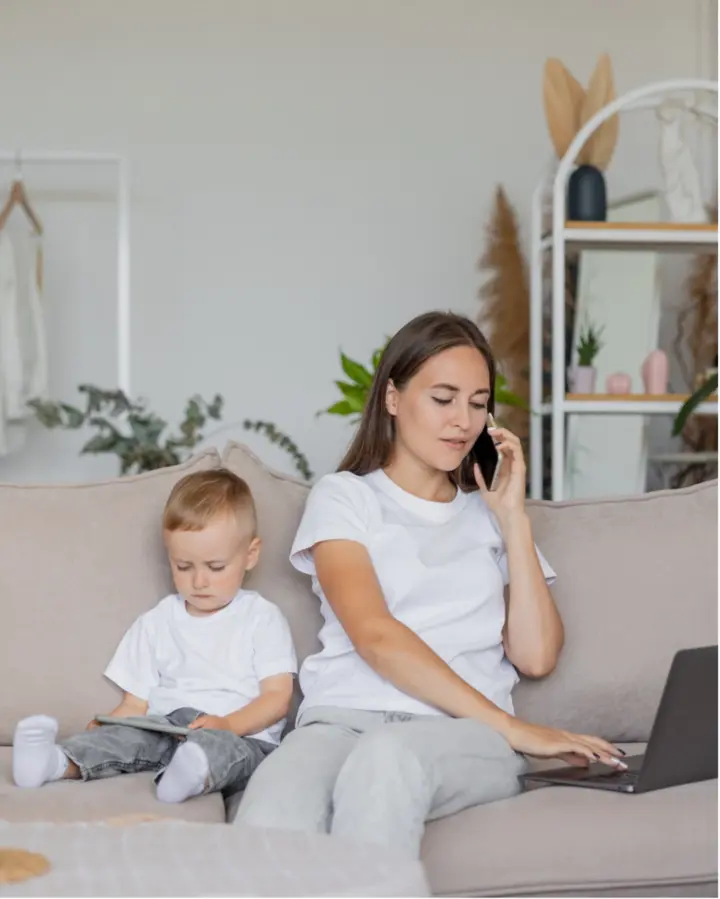
تُعتبر التكنولوجيا سيفًا ذو حدين في حياة الأطفال؛ فمن ناحية، توفر أدوات تعليمية متقدمة تسهم في تطوير مهاراتهم الفكرية والإبداعية، وتمكنهم من الوصول إلى معلومات واسعة ومتنوعة بسهولة. ومن ناحية أخرى، قد تؤدي إلى الإفراط في الاستخدام والتأثير السلبي على الصحة النفسية والبدنية للأطفال، مثل قلة النشاط البدني والتشتت الذهني.
كيفية توجيه استخدام الأطفال للتكنولوجيا بشكل صحي
لضمان استخدام صحي للتكنولوجيا، يجب على الآباء والمربين توجيه الأطفال نحو تبني عادات استخدام متوازنة. يشمل ذلك تحديد أوقات معينة للأنشطة التكنولوجية والتأكيد على أهمية الأنشطة البدنية والتفاعل الاجتماعي. كما يجب تعليم الأطفال كيفية التمييز بين المحتوى الإيجابي والسلبي على الإنترنت، وتشجيعهم على استخدام التكنولوجيا بطريقة تعزز من تعلمهم وتطورهم الشخصي.
ADVERTISEMENT
أساليب التربية العملية
الصورة عبر elements.envato
الانضباط الإيجابي وأهميته
يُعد الانضباط الإيجابي أسلوبًا تربويًا يركز على تعليم الأطفال كيفية التحكم في سلوكهم وتقدير العواقب بطريقة بناءة. بدلاً من العقاب الصارم، يشجع الانضباط الإيجابي على الفهم والتعاطف، مما يساعد الأطفال على تعلم السلوكيات المقبولة اجتماعيًا وتطوير مهارات حل المشكلات. هذا النهج لا يقتصر على تصحيح السلوك في اللحظة الراهنة فحسب، بل يعمل على ترسيخ قيم ومبادئ تدوم مع الطفل مدى الحياة.
تعزيز الاستقلالية والثقة بالنفس لدى الأطفال
تعزيز الاستقلالية والثقة بالنفس يُعتبر من العناصر الأساسية في تربية الأطفال. يبدأ هذا بتشجيع الطفل على اتخاذ قراراته الخاصة وتحمل مسؤولية اختياراته، مما يؤدي إلى تطوير شعور بالكفاءة والقدرة على التأقلم مع المواقف المختلفة. من خلال توفير بيئة داعمة تسمح بالتجربة والخطأ، يمكن للأطفال تعلم كيفية التعامل مع التحديات وبناء الثقة في قدراتهم الشخصية.
ADVERTISEMENT
دور الأسرة والمجتمع
الصورة عبر Nathan Dumlao على unsplash
التوازن بين الدور التربوي للأسرة والمدرسة
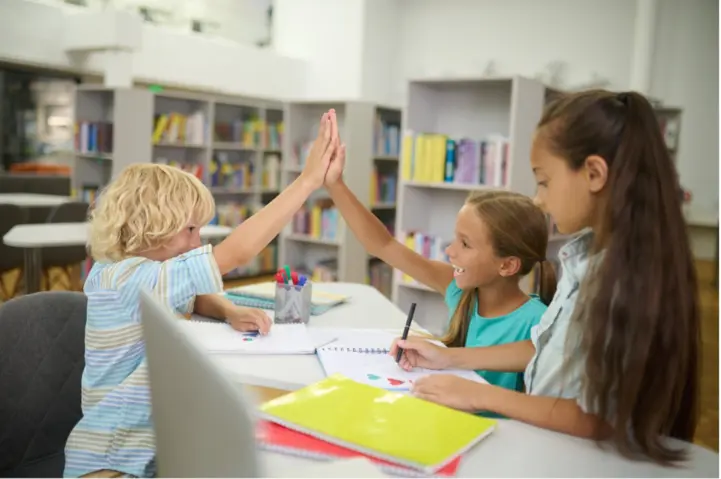
يُعتبر التوازن بين الدور التربوي للأسرة والمدرسة عاملاً حاسمًا في تنشئة الطفل. الأسرة هي النواة الأولى التي تغرس القيم والمبادئ، بينما تُعد المدرسة المحيط الأوسع الذي يُعرف الطفل من خلاله على المعارف والمهارات الأساسية. يجب على الأسرة والمدرسة العمل معًا لضمان تقديم رسائل متسقة ودعم متبادل يسهم في تطوير شخصية الطفل بشكل متكامل.
تأثير الثقافة والمجتمع على تربية الأطفال
تلعب الثقافة والمجتمع دورًا مهمًا في تشكيل أساليب تربية الأطفال. العادات، التقاليد، والمعتقدات السائدة تُؤثر بشكل مباشر على القيم التي يتم تعليمها للأطفال والسلوكيات المتوقعة منهم. يجب على الآباء والمربين أن يكونوا واعين بالتأثيرات الثقافية والاجتماعية وأن يسعوا لتربية أطفالهم بطريقة تحترم التنوع وتعزز الانفتاح على الآخر.
ADVERTISEMENT
في ختام رحلتنا عبر مسارات تربية الأطفال في العصر الحديث، نقف على أعتاب مستقبل يزخر بالإمكانيات والتحديات على حد سواء. لقد استكشفنا كيف تتشابك خيوط التاريخ والنظريات التربوية والتكنولوجيا والثقافة لتشكيل نسيج تربوي متعدد الألوان يعكس تنوع وغنى تجاربنا الإنسانية. يبقى الهدف الأسمى هو تنشئة جيل قادر على التعامل مع متغيرات العصر بكل ثقة ومرونة، محتفظًا بجذوره الثقافية ومتطلعًا نحو آفاق جديدة من الإبداع والابتكار.
لنتذكر دائمًا أن كل طفل يحمل في طيات شخصيته إمكانيات لا حدود لها، وأن دورنا كآباء ومربين وأعضاء في المجتمع هو توفير البيئة الداعمة التي تسمح لهذه الإمكانيات بالتفتح والنمو. فلنعمل معًا لنكون الدليل الذي يرشد الأجيال القادمة إلى مستقبل مشرق يسوده الفهم والتعاون والسلام.