Wild Animal Migration: A Scene from Nature's Great Annual Journey

The spectacle of animal migration is one of nature’s most magnificent annual journeys and deserves our attention and reflection. On these long trips, animals move from their native habitats to other regions in search of food and resources, to avoid harsh winters, or to reproduce and sustain their species. Watching these migrations teaches us about the wonders of wildlife and their remarkable ability to survive and adapt to environmental change. In this article we explore some interesting and surprising aspects of wildlife migration and its effects on ecosystems and the oceans.
Show key points
- Wildlife migration is a remarkable natural phenomenon where animals travel long distances to find suitable habitats, food, or breeding grounds, helping to maintain ecological balance.
- Different continents showcase unique and breathtaking scenes of animal migration, each reflecting the diverse environments and adaptation strategies of various species.
- Animals utilize extraordinary navigation techniques during migration, such as solar and magnetic orientation, chemical cues, and social cooperation to traverse vast and challenging terrains.
- ADVERTISEMENT
- Migratory animals face numerous dangers including extreme weather, predators, human-made obstacles, food scarcity, and the impacts of climate change.
- Wildlife migration positively affects ecosystems through pollination, seed dispersion, nutrient transport, and sustaining biodiversity across regions.
- Global conservation efforts, including protected corridors, international collaboration, education, and technological tracking, aim to safeguard migratory routes and preserve biodiversity.
- Protecting animal migration not only ensures species survival but also preserves the natural heritage and ecological integrity for future generations to witness and cherish.
1. Definition of wildlife migration and its environmental significance.
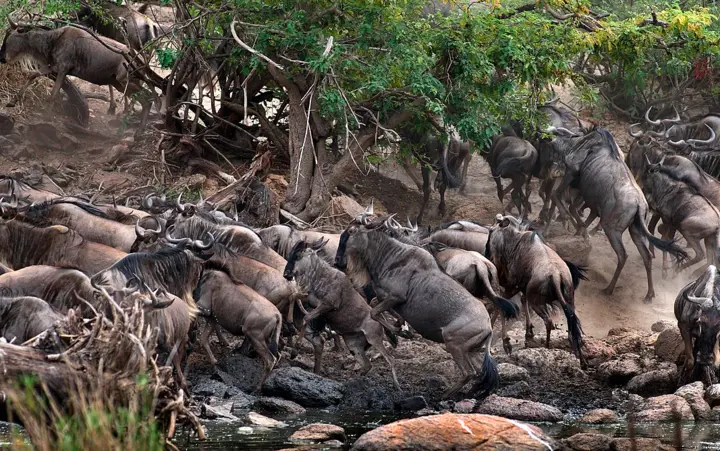
The migration of wild animals is one of nature’s most spectacular phenomena. It is an extraordinary journey animals undertake to survive and to find habitats suitable for living and reproducing. This journey is an important part of wildlife dynamics, continuing across generations and contributing to species survival and overall ecological balance.
Recommend
Wildlife migration refers to one or more annual movements that animals make from their original locations to places that provide food and other resources. These movements may be driven by the need for better conditions for growth and reproduction or by the desire to avoid unfavorable conditions such as extreme weather or scarce resources.
Migration is a striking example of how organisms adapt and overcome obstacles. Animals form large groups that travel great distances to reach their destinations. Birds cross continents, fish traverse oceans, and terrestrial animals move across plains, deserts, and forests.
Why is migration ecologically important? These journeys affect ecosystems and biological balance. By moving to new sites to live and breed, animals help disperse seeds and support biodiversity. Migratory species also transport nutrients and pollinate plants, which can enhance plant life and agricultural productivity.
Recognizing the importance of migration means protecting migration routes and breeding habitats. Despite environmental and human pressures, we must work to preserve natural habitats and safe corridors for wildlife. Protecting these great journeys preserves our natural heritage for future generations and helps ensure the continuity of remarkable wildlife.
2. The scene of the migration of wild animals on different continents.
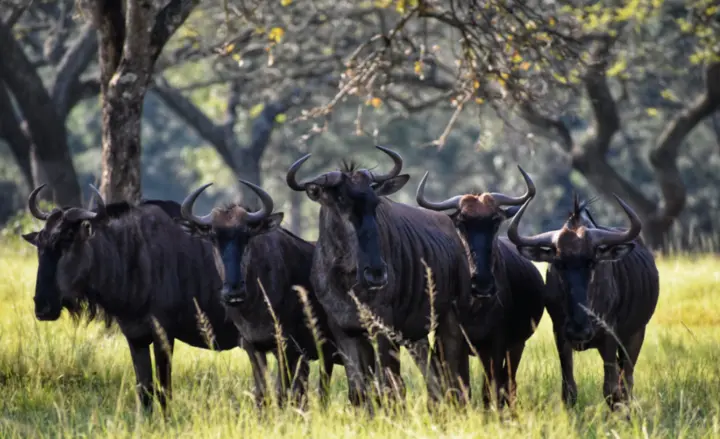
One of nature’s true wonders is the variety of migration scenes that unfold across our continents. Each continent has distinctive migration patterns that produce extraordinary sights and inspire awe.
In Africa, migrations sweep across rugged terrain and vast plains as animals search for green pastures and new water sources. Watching huge herds move across the savannah and cross natural obstacles such as wide rivers and swamps is a breathtaking sight.
In Asia, migrations often involve long journeys to key breeding grounds. From the dense forests of Southeast Asia to the Himalayan foothills where tigers and giant pandas live, dramatic scenes emerge as animals struggle to survive and reproduce.
In North America, migration is visible throughout the year. In spring, birds return from South America to breed in Canada and the United States. In autumn, herds of deer and elk move across the American West, adjusting to changing seasons and climates.
In Europe, migration shows great diversity. Eagles and bears may move across the forests of northern Russia and Siberia toward Eastern Europe, while bats fly long distances over seas and steppes. These movements reveal the complexity of migration routes and their deep effects on ecological balance.
In Australia, migration highlights the continent’s rich biodiversity. Kangaroos and other native species move across forests and plains on journeys to areas with better resources. Australia offers unique opportunities to observe migration in a distinct ecological context.
Wherever you are, the continental scenes of animal migration are memorable. Watching mass movements and the interactions between animals and their environments reveals the resilience of wildlife. Let’s appreciate these journeys and work to preserve these natural wonders for future generations.
3. The amazing mobility methods used by animals on their journey.
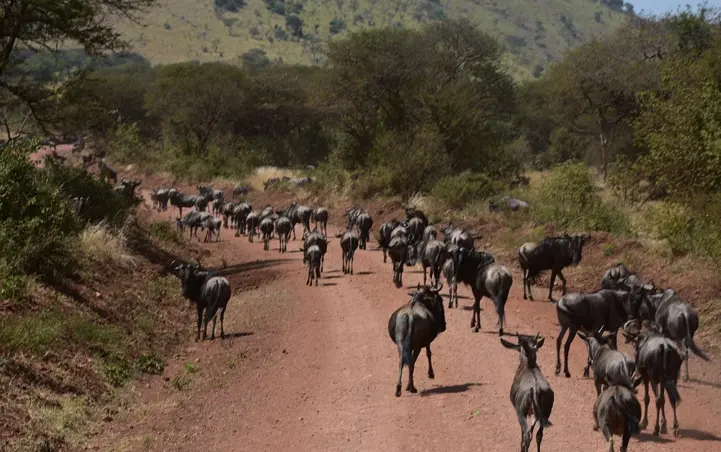
During migration, animals display remarkable adaptations and use impressive methods of movement. Rather than relying on human modes of transport, they use unique and often surprising strategies to reach their destinations. Here are some of the remarkable methods animals use:
1. Navigation by the sun and stars: Some birds and insects use celestial cues, using the sun and stars as references to determine direction and position. This ability helps them avoid getting lost.
2. Magnetic sensors: Certain animals can sense the Earth’s magnetic field and use it to orient themselves. For example, migratory birds use this sense to guide their routes.
3. Highly accurate vision: Some animals have sharp vision that lets them recognize terrain and distant landmarks, helping them identify important places along the route. For instance, whales rely on their vision to navigate oceans and avoid obstacles.
4. Dependence on chemical cues and markings: Many animals have keen senses of smell and can detect chemical cues or markings left by others. These scents help animals find food, water, and suitable mates.
5. Spatial memory: Some species remember routes and geographic features, which helps them return to their original habitats after migration. For example, migratory butterflies remember long distances and return to sites suitable for breeding.
6. Cooperation and social guidance: Many animals rely on group coordination for successful migration. Wolves, elephants, and many bird species travel in groups for mutual guidance and protection.
These navigation methods show how precisely animals communicate and adapt to changing environments. We should admire these unique abilities that make migration an unforgettable natural spectacle.
4. Challenges and risks facing animals during migration.
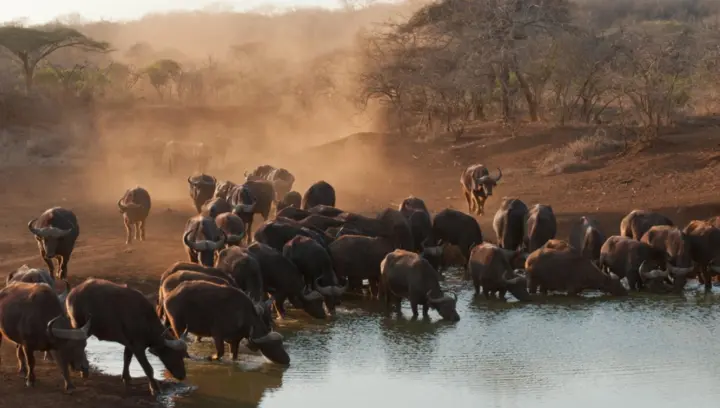
Migratory animals face significant challenges and many risks during their long journeys. Along these arduous routes, animals encounter obstacles that threaten their survival and the persistence of their species. These challenges reveal both the vulnerability and adaptability of migratory animals. Here are some of the main risks they face:
First, low energy reserves: Migration demands huge energy expenditures. Animals may swim long distances or fly for days without rest, leaving them exhausted and stressed.
Second, hunger and undernutrition: Finding food along migration routes can be difficult, especially when animals pass through arid or seasonally barren areas. Lack of nutrition weakens animals, making them more susceptible to disease and death.
Third, exposure to natural hazards: Animals can encounter severe weather, floods, or earthquakes during migration. Such events can displace populations and increase their risk from other dangers.
Fourth, human threats: Migratory animals face poaching, collisions with vehicles on migration routes, and habitat loss due to development and pollution. These human pressures can severely disrupt migration and threaten species survival.
Fifth, predator attacks: During migration, animals are often exposed and vulnerable to predators. They must remain vigilant and use defense and evasion strategies to survive.
Sixth, climate change: Shifts in climate and environment can alter migration timing and routes. Animals may be forced to change their behaviour to adapt to these changes.
Although migration is fraught with danger, it also reveals animals’ remarkable capacity to adapt and survive. Studying and protecting these journeys deepens our understanding of wildlife and supports efforts to conserve biodiversity in a changing world.
5. The impact of animal migration on the environment and biological system.
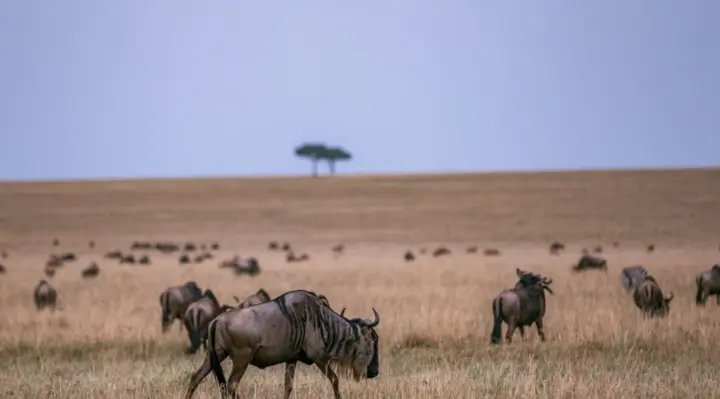
The ecological effects of wildlife migration are profound and far-reaching. Migration is not merely movement; it shapes environments and influences the balance of biological systems. Below are some key effects of animal migration:
First, effects on ecological balance:
When animals move, they alter the ecosystems they leave and those they enter. For instance, migrating herbivores can affect plant growth and the sustainability of grasslands along their routes. Movement also helps distribute seeds and supports plant diversity.
Second, environmental interactions:
As animals travel, they interact with other species and with their environments. Some species spread seeds and pollinate plants; others control pest populations. These interactions create complex ecological relationships between migratory animals and their host habitats.
Third, impact on water resources:
Migration can influence water resources in the areas animals pass through. Animals often rely on specific water sources, which can affect local water systems and flows. Some migratory species also help maintain aquatic ecosystems by grazing on algae and seaweed.
Fourth, pollution and climate change impacts:
Pollution and climate change can disrupt migration and thus alter environmental systems. Habitat loss and reduced food resources due to climate change threaten the balance of life in affected regions.
Fifth, biodiversity conservation:
Migration transfers genes and genetic diversity across habitats, enhancing overall biodiversity and helping maintain species. Protecting these annual journeys supports biodiversity conservation and ecosystem resilience.
Animal migration has significant and varied effects on the environment and biological systems. Understanding these impacts and protecting migration routes is essential to preserving nature and the richness of biodiversity.
6. Global efforts to protect wildlife migration and preserve biodiversity.
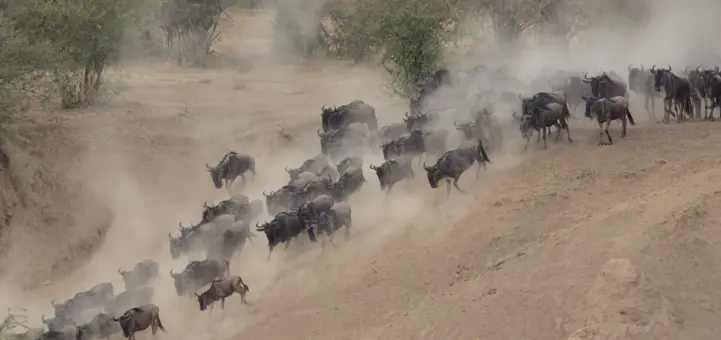
Sustaining wildlife migration and ensuring its continuity requires global cooperation among countries and conservation organizations. Climate change and environmental degradation pose major threats to migratory species and their habitats. Many measures are underway to protect migration routes and preserve biodiversity. Below are some important global efforts to support wildlife migration:
First, establishing nature reserves and protected areas:
Protected areas around the world safeguard migration corridors and provide safe habitats. These reserves form vital pathways that animals use during their journeys, ensuring they have the resources needed to survive and reproduce.
Second, improving vital corridors:
Efforts to secure and enhance migration corridors make journeys easier for animals. This includes removing barriers and providing resources such as water, food, and shelter along routes.
Third, awareness and education:
Raising awareness about the importance of migration and its impact on ecosystems is essential. Campaigns, workshops, and school programs help communities understand the value of biodiversity and encourage participation in conservation efforts.
Fourth, international cooperation:
Countries and conservation organizations share information and experiences to develop strategies for protecting migration. International conferences and meetings help coordinate efforts to safeguard these journeys.
Fifth, research and technology:
Science and technology provide tools to monitor and track migratory animals. Tools such as geospatial analysis and tracking devices help researchers map migration patterns and identify critical corridors that need protection.
Sixth, combatting illegal hunting and trafficking:
Poaching and illegal wildlife trade threaten migration and species survival. Global efforts aim to curb these activities through stronger enforcement and enhanced protection measures.
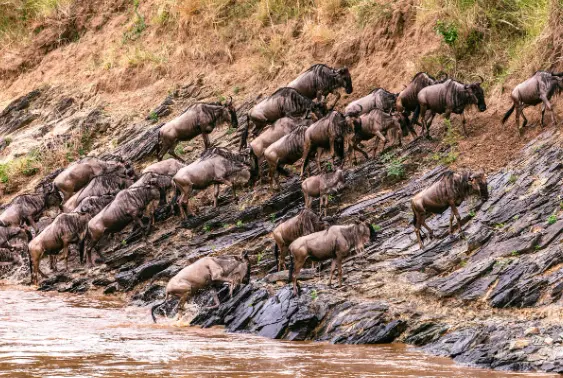
In conclusion, the migration of wild animals is a magnificent chapter in nature’s great journey. It reminds us of wildlife’s resilience and adaptability. These migrations inspire wonder and offer a unique chance for humans to learn about and connect with other living beings. We must commit to protecting these journeys and their habitats and to raising public awareness of the importance of preserving biodiversity and natural resources. Only through collective action can we safeguard these natural wonders for future generations.