Behind the Stylish Appearance: Amazing Facts About Giraffes

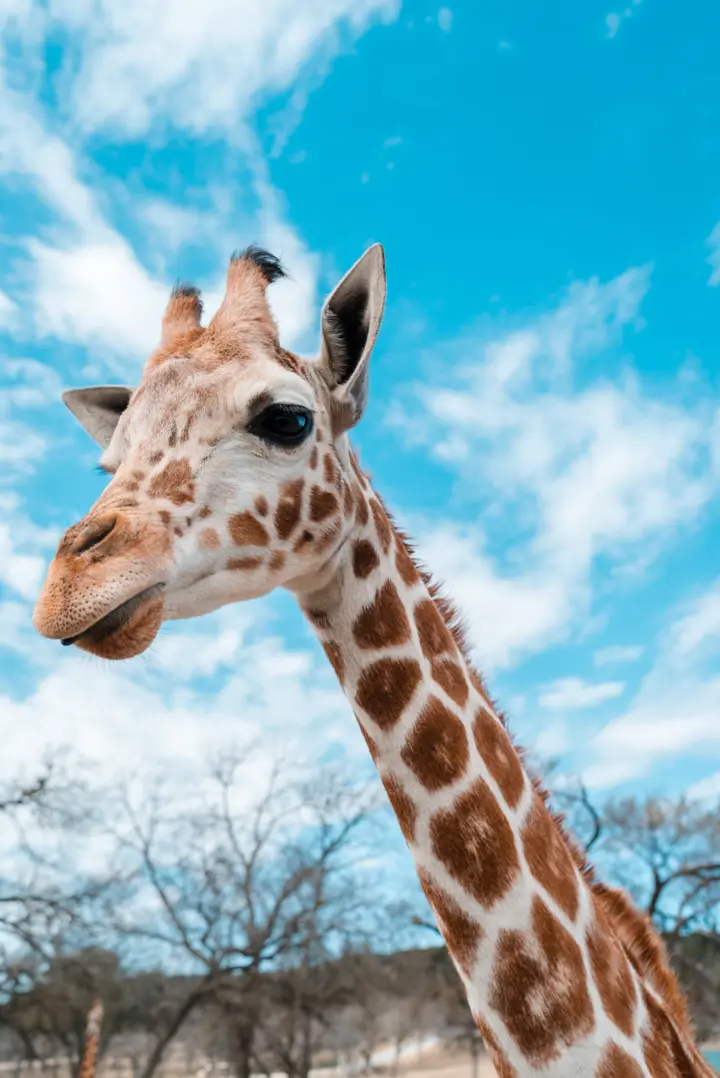
Giraffes are one of the most fascinating and exotic animals in the wildlife world. Not only does it have a sleek, distinct and consistent look, but it retains many surprising and mysterious facts. In this article, we will reveal the interesting scientific facts that underlie the elegant appearance of giraffes
Show key points
- The giraffe's unusually long neck, supported by seven elongated and lightweight cervical vertebrae, is a remarkable evolutionary adaptation that enables it to reach higher foliage and minimize food competition.
- Its cardiovascular system, including a uniquely functioning heart and blood vessels, is specifically adapted to maintain proper blood flow and pressure from the heart to the brain despite its great height.
- Giraffes possess exceptional vision with specialized eye features like long lashes and a stagnant retinal layer, which aid in spotting predators and locating nutrient-rich food sources.
- ADVERTISEMENT
- The distinctive spots on a giraffe’s skin help with thermoregulation, camouflage, parasite repulsion, and may also serve as a form of communication among individuals within groups.
- These animals exhibit complex social behaviors by forming groups known as “barracks,” communicating through body movements and sounds, and cooperating with other species like tick-removing birds for mutual benefit.
- Their physical and behavioral traits showcase a high degree of environmental adaptation, reaffirming the intricate relationship between evolution and survival in the animal kingdom.
- Protecting giraffes and understanding their unique traits are vital steps in preserving biodiversity and maintaining the balance of ecosystems where they play a crucial role.
1. Unusual neck length: The secret of the giraffe's neck length and its relationship to its adaptation in the environment.
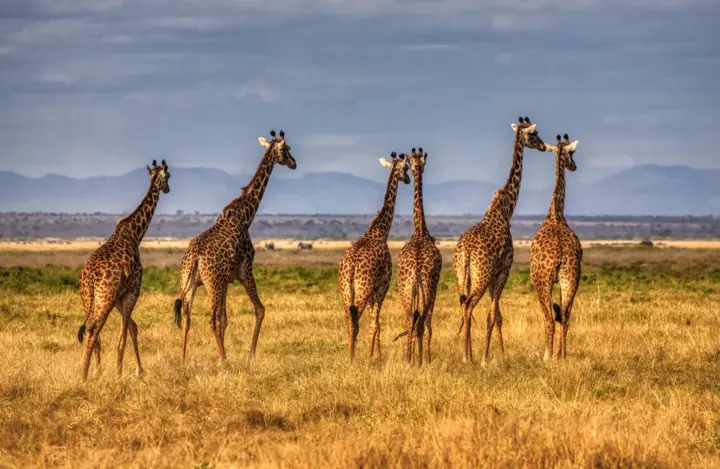
The length of the giraffe's neck is one of its most distinctive features that distinguishes it from other animals. What is the secret of such an unusual length? What affects the giraffe's adaptation to its surroundings?
Recommend
One common theory is that long petioles help giraffes climb long branches that bear tasty little leaves. Giraffes can use their long necks and extended tongues to reach tree tops, where competition for food is reduced. In this way, giraffes can live on an equal footing and compete with other animals for food resources.
The giraffe's neck has long joint bones and up to seven cervical vertebrae, in addition, it has also developed muscles and blood vessels, allowing it to withstand neck weight. The bones are long and light, allowing giraffes to move easily and flexibly. In addition, the carotid arteries have interconnected vertebrae that allow blood to flow smoothly from the heart to the head, which is critical to ensuring oxygen reaches the brain and eyes.
More than just a unique feature, a long giraffe neck is an amazing adaptation that allows giraffes to survive in harsh environments. It serves as a reminder of our ability to adapt to the circumstances around us and the evolution we are witnessing that ensures the continuity of life on Earth.
2. Strange heart size: How does a giraffe's heart avoid diseases associated with high pressure?
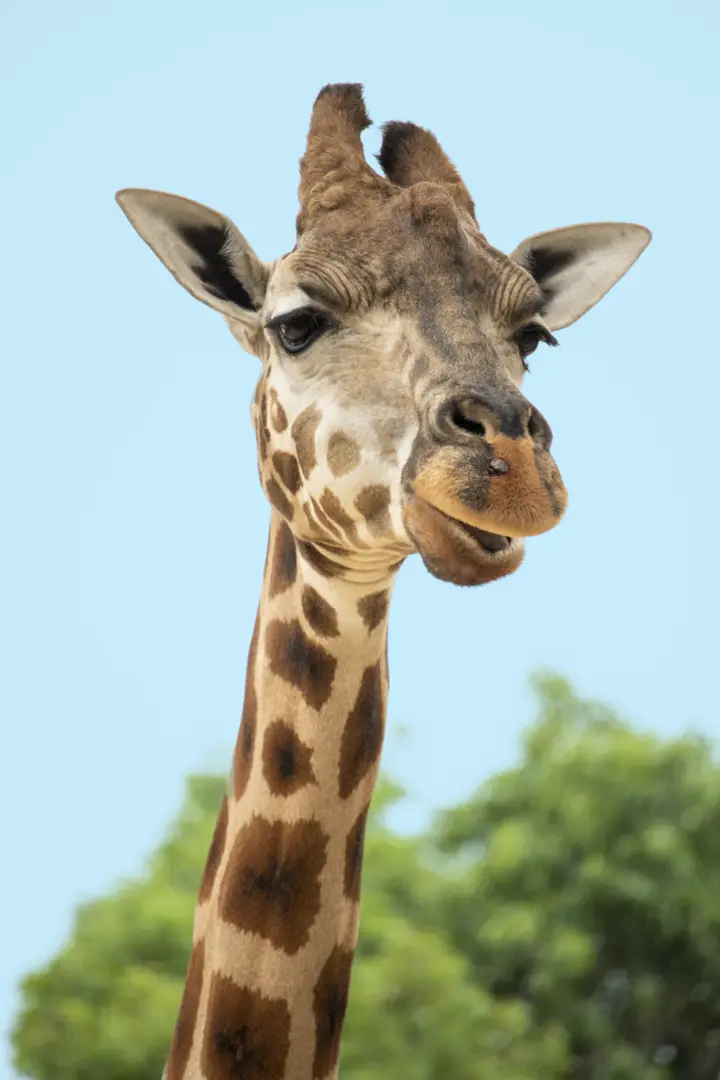
When we talk about the giraffe's life, one of the noteworthy things that catches our eye is its incredible neck length and height. But there's another aspect of the giraffe's body that also amazed us, and that is the size of its heart. Given that his neck was two and a half meters long, we probably thought he would require a huge heart to pump blood through his long body.
The giraffe's heart isn't big, but it's about the same size as a normal human heart. Does this mean that giraffes are susceptible to diseases associated with hypertension? This issue deserves further attention and research.
Scientific research shows that a giraffe's heart has a unique function of distributing blood to compensate for the excessive length of its neck. The giraffe's vascular system transports blood from the heart to the head and neck at relatively low pressure, gradually increasing pressure in the blood vessels in the head. In addition, giraffes provide a unique regulatory mechanism to control blood pressure based on its excessive height.
This amazing adaptation and regulation mechanism helps protect giraffes from stress-related illnesses, such as heart disease and stroke. The fact that giraffes possess this unique system allows us to gain insight into the incredible evolution of these wonderful creatures.
Although there are still many mysteries about giraffe life, exploring the amazing facts behind their elegant appearance provides us with the opportunity to gain a deeper understanding of the natural world and the diversity of its wildlife. Protecting this animal treasure and working to protect our giraffes is our responsibility to protect the existence of these magnificent creatures in our world.
3. Adaptation that can be seen through the eye: how did giraffes manage to evolve to protect themselves and find food?
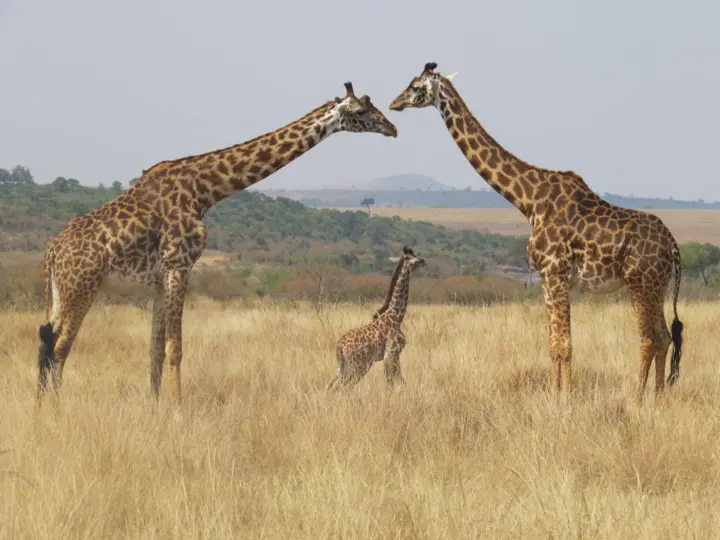
The eye is one of the most important organs that help an organism survive and adapt to its environment. By studying their eyes we can see their unusual adaptations, which play a vital role in protecting themselves and getting food.
Giraffes have amazing eyesight that helps them adapt to difficult environments and move between tall trees. Their eyes are distinguished by long lashes that protect them from the scorching rays of the sun and annoying insects. These cilia also regulate the amount of light entering the eye, allowing giraffes to see clearly even in bright light.
The most distinctive feature of giraffe eye is the presence of a special layer of cells in the retina called the "stagnation layer". These layers allow the giraffe to see clearly when it raises its head and stretches its unique neck. If the head is raised, visible light is transmitted to the stagnant layer of the retina, providing the giraffe with a wide-angle view, helping it detect potential enemies and predators.
In addition to protection, giraffe eyes help find food. Thanks to their clear, wide-angle vision, giraffes can easily distinguish between twigs and nutrient-rich leaves. Giraffes rely on this insight to locate food and avoid poisonous fingers and harmful foliage.
Simply put, giraffe eyes are unusual tools for adapting and surviving in a changing environment. His dedication to protecting the giraffe so it can find the right food makes it a magical creature that cannot be ignored in the encyclopedia of animal evolution.
4. Colorful puzzle: visible spots on the skin of giraffes and their importance.
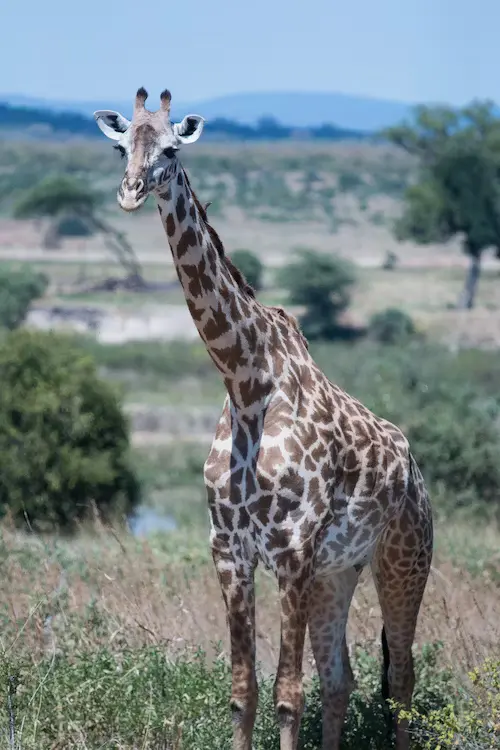
Giraffe leather with luscious spots is one of the famous features that make it exceptionally special. Although these spots only look aesthetic, they have an important role to play in the lives of these wonderful animals.
Scientists have navigated for years in the world of color paradox in giraffe skin, but the real reason behind the spots remains a mystery. One interesting explanation is that these spots adapt giraffes to their surroundings. For example, some believe that dark spots help scatter light and reduce heat when giraffes are in the rising sun, while light spots promote ventilation and cool the body when giraffes are in hot conditions.
Spots also receive great attention in behavioral studies of giraffes. It is believed that these spots play an important role in communication between giraffes. The researchers observed that giraffes make coordinated head and neck movements when in groups, and this is associated with eye contact using different spots on their skin, suggesting that the spots may be an expression of mood, attention, or even sending warning signals to the group.
Moreover, there are studies that suggest that visible spots on the skin of giraffes help protect them from parasites and annoying insects. These spots are a type of biosymbol that helps repel predatory insects, especially those that rely on vision to target their prey. Multicolored spots can distract attention and make camouflage more difficult, protecting giraffes from their natural enemies.
In short, the spots on giraffes' skin have multiple and complex significance. They are not just aesthetic, they reflect their adaptation to the environment and help them communicate and protect.
5. Exotic social lifestyle: how do giraffes interact with each other and with other animals in the wild?
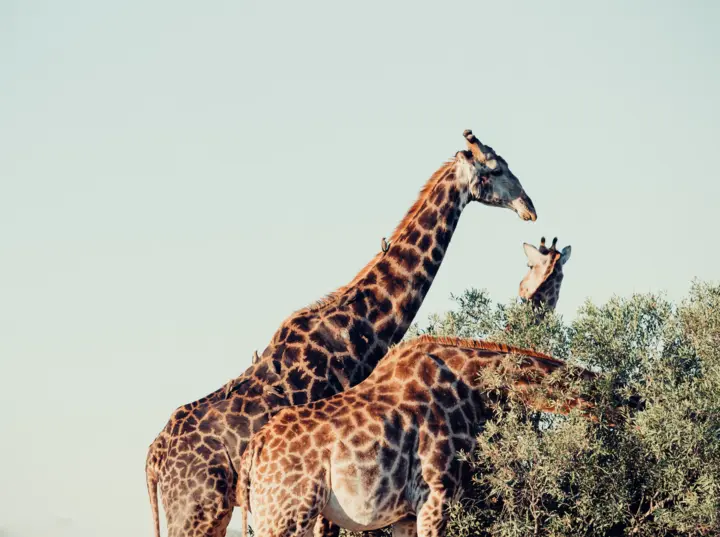
Giraffes live in social groups called "barracks", which are very similar to those where other animals such as lions and elephants live. In this wild world, giraffes communicate with each other and with other animals.
Giraffes seem to form barracks on the basis of sex. There are usually female and male giraffes, although there is sometimes overlap between these groups. Scientists believe that these populations help giraffes reproduce and protect them from enemies.
Second, giraffes rely on visual and auditory communication to communicate and interact with each other and with other animals. They use their long, strong heads to communicate visually, warn of danger and show authority. Giraffes can also make low, soothing sounds to communicate with and locate locations and shelters.
In addition, giraffes react differently to other animals in the wild. For example, birds known as "purified birds" are natural companions of giraffes, as these birds remove parasites, lice and ticks from the giraffe's body. Giraffes also collaborate with other animals to detect potential enemies, with tall giraffes able to detect a lion or hyena several kilometers away.
Giraffes seem to be more than just isolated animals in the wild, but instead interact and collaborate with their environment and other animals in surprising ways. Although the world of giraffes may seem strange to us, understanding this complex social lifestyle can enhance our appreciation for these wonderful creatures and give us the opportunity to protect and preserve their existence in the wild.
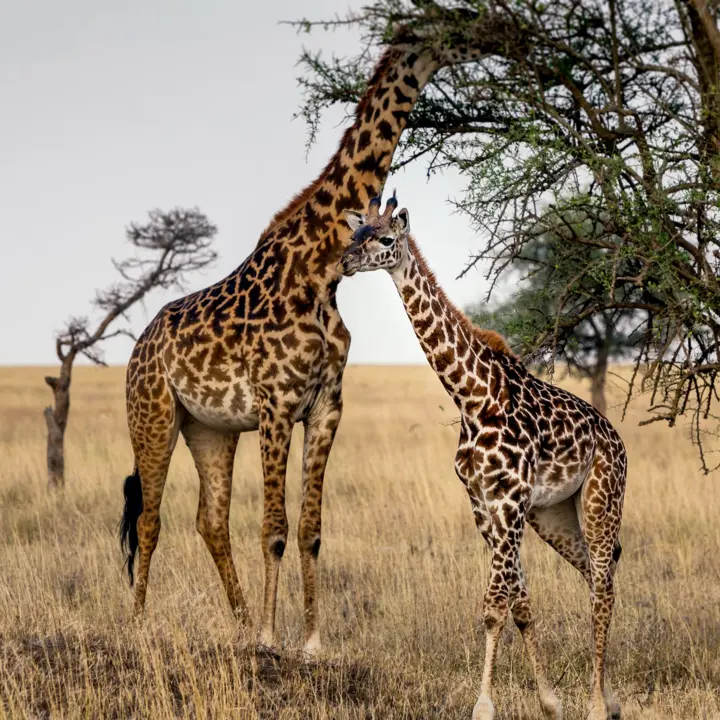
Having understood these surprising facts behind the elegant appearance of giraffes, we realize the greatness of the evolution these creatures have witnessed over the ages. Giraffes are not just strange-shaped animals, they are models of natural creativity and amazing adaptation to their challenging environment. The conservation of this animal treasure requires all of us to ensure the continuity of the beauty of these magnificent creatures and to protect the diversity of wildlife on our planet.