No one dares to swim here: 8 dangerous creatures in the Amazon River
ADVERTISEMENT
The Amazon River in South America is one of the largest and most mysterious rivers in the world. It is home to an astonishing variety of life—reptiles, mammals, birds and fish. But amid this natural beauty there is a warning: no one dares to swim
ADVERTISEMENT
here. This mighty river is home to many dangerous creatures that lurk beneath the surface. Let’s look at these terrifying inhabitants of the Amazon.
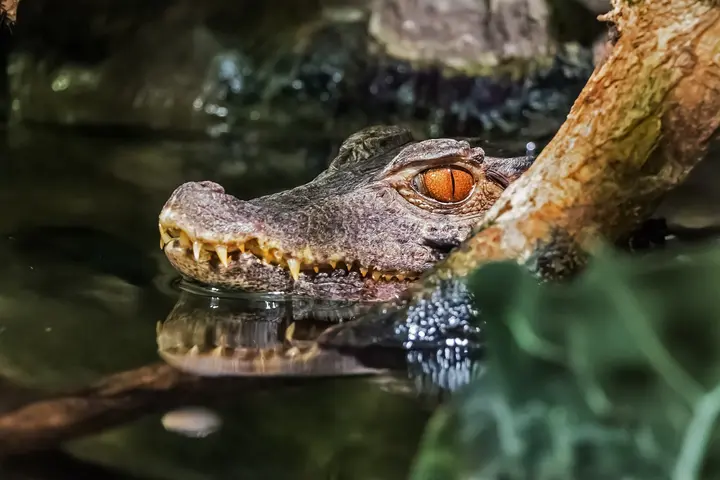
Terrifying Man-Eating Crocodile
Photo by Bergadder on Pixabay
When it comes to the river’s fearsome residents, the terrifying crocodile cannot be ignored. This giant crocodile is considered one of the scariest and deadliest animals in the Amazon. With a powerful jaw and sharp teeth, it is a real threat to both people and animals.
ADVERTISEMENT
This stealthy predator lives in the river, along sandbanks and in flooded forests. Individuals typically measure between 3 and 6 meters and weigh roughly 450 to 1,000 kilograms. It has a powerful bite, strong legs and a huge tail that lets it glide slowly through the water and accelerate suddenly when attacking.
The crocodile is a highly intelligent hunter and plays an important role in regulating the Amazon’s ecosystem, preying on turtles, small mammals and fish. It attacks ruthlessly, either consuming its catch on the spot or dragging it beneath the surface to disappear forever.
Encounters with this crocodile are terrifying. It often lies in wait for prey at the water’s edge and then strikes without warning. Once caught, the prey is overwhelmed by the crocodile’s massive strength and pulled underwater.
ADVERTISEMENT
There is no effective way to confront this monster except to avoid it—keep your distance and never approach it. It shelters in flooded forests and waits patiently for an opportunity to strike. So while you can admire this giant from afar, remember that getting too close can be deadly.
If you travel to the Amazon, watch for the crocodile’s hidden, lethal gaze. In its presence you will feel equal parts horror and awe.
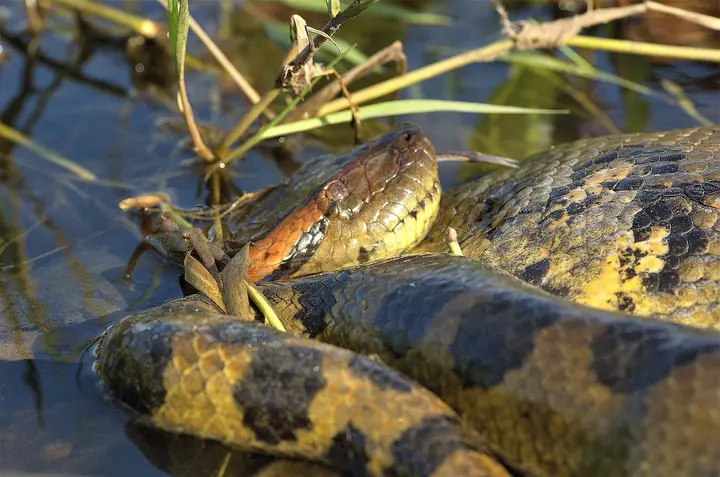
Giant Anaconda Viper
Photo by DenisDoukhan on Pixabay
The giant anaconda is one of the Amazon’s most terrifying creatures. It is notable for its enormous size and frightening power. Considered the largest snake in the world by some accounts, it can reach lengths of more than 9 meters and weigh over 250 kilograms. The giant anaconda embodies nature’s raw beauty and strength.
ADVERTISEMENT
Anacondas live in swamps and shallow rivers, hiding among flooded trees and aquatic plants. Their dark coloration helps them blend into the complex watery environment. They are patient hunters, waiting in the cool water to strike slowly and precisely.
Anacondas can swallow large prey whole—deer, horses and even cows are sometimes taken. They use the power of their massive bodies and a strong bite to secure prey. Swallowing such large animals is time-consuming and requires tremendous flexibility in the snake’s elastic body.
The giant anaconda is a living legend of the Amazon. This huge, powerful creature represents the brutality of the natural world and the region’s incredible wildlife diversity. Seeing one in the water is enough to strike fear into the hearts of daring adventurers.
ADVERTISEMENT
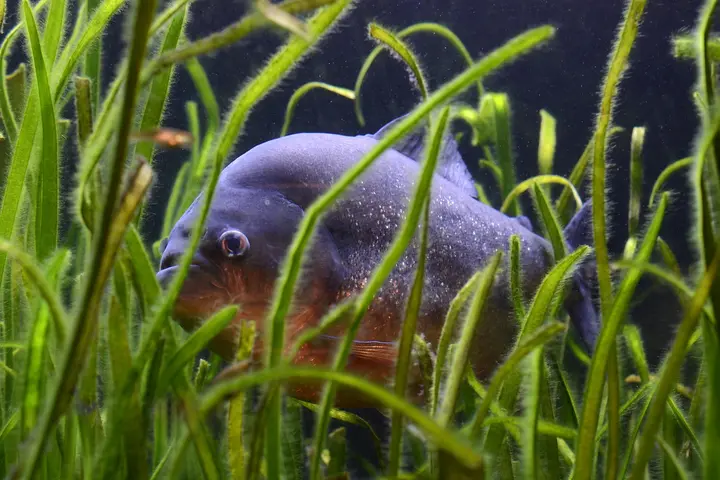
The Famous Piranha
Photo by anncapictures on Pixabay
Piranhas are carnivorous fish abundant in the Amazon and its tributaries. They grow to about 30 cm and have a strong, laterally compressed body with powerful jaws full of knife-like teeth. Piranhas use those teeth to attack quickly and tear flesh apart.
These fish are often ruthless and can be drawn by the scent of blood. Piranha breeding is prolific: females lay eggs in flooded areas, and soon the young hatch and begin hunting.
Piranhas often form groups called swarms and can be extremely powerful together. In times of extreme hunger, they may launch mass attacks on other fish or on larger animals that come to the water, turning the scene into one of blood and chaos.
ADVERTISEMENT
The piranha is undoubtedly one of the Amazon’s most predatory and dangerous creatures. If you plan to swim in the river, avoid areas known to hold piranhas and stay in safe places so you can enjoy the Amazon’s beauty without fear of these predators.
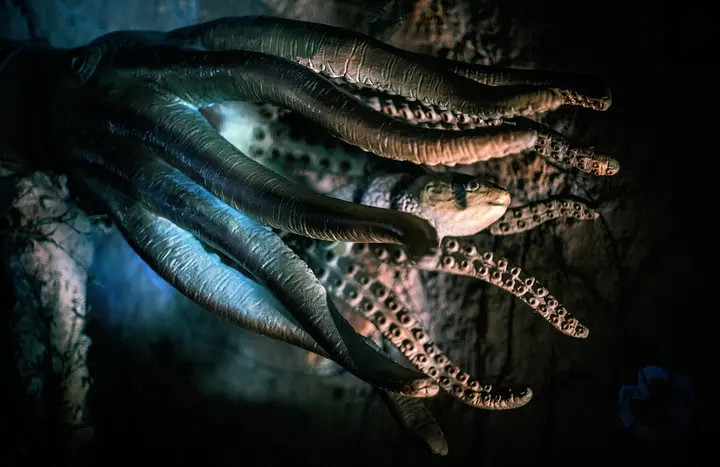
Deadly Moringa Octopus
Photo by mrganso on Pixabay
The deadly Moringa octopus, a mysterious creature of the Amazon’s depths, poses a real threat to anyone who approaches it. This octopus is striking and unusual, with long arms and a brightly patterned body. Behind that beauty, however, lies a lethal power that makes it one of the most toxic creatures in these waters.
The deadly Moringa octopus is said to reach about 3 meters in length, making it one of the largest octopuses. It uses its long arms to seize prey and its sharp beak to hold on. The real danger comes from the powerful venom it releases.
ADVERTISEMENT
This octopus’s venom reportedly contains a compound called moringin that paralyzes prey, freezing the muscles before the octopus consumes them. The toxin acts quickly, stopping the heart and causing rapid death.
The Moringa octopus is also an expert at camouflage, changing color and pattern to match its surroundings. This ability makes it difficult to spot and allows it to hide in the river’s dark shadows.
There is no doubt the deadly Moringa octopus is both dangerous and remarkable. Its presence in the Amazon reminds us of nature’s power and the many mysterious, lethal creatures that inhabit these waters. Before venturing into the river’s depths, remember the Moringa’s threat and avoid confronting it to stay safe.
ADVERTISEMENT
Wild Canimba
Photo by sdblack0 on Pixabay
The Amazon is home to many dangerous yet fascinating creatures, among them the wild canimba. This ferocious fish has a fearsome reputation as one of the river’s most dangerous inhabitants.
Canimba are characterized by a large, flattened body and can sometimes reach lengths of up to 10 feet. They have a crocodile-like profile with a powerful jaw and blade-like teeth. These teeth let them slice through flesh and bone and swallow prey with ease.
Over the years, legends have grown about canimba attacking humans. Locals say this wild fish will mercilessly attack swimmers and divers, preying on them with terrifying brutality. The canimba is said to be a silent killer of the Amazon, appearing suddenly and striking without warning.
ADVERTISEMENT
However, these stories may be exaggerated. The fish does not specifically target humans but generally hunts its usual prey such as smaller fish and snails. Still, its presence in the river inspires fear and makes for a tale that mixes fact and fiction.
Even if the danger is overstated, caution is wise. The Amazon ranks among the world’s most dangerous places and is not the best place for casual swimming or diving. Exploring the river requires awareness of the risks, including the presence of canimba and other dangerous species.
The wild canimba adds mystery and fear to the Amazon’s magic. It is part of the region’s rich wildlife and a reminder that our world still holds many surprising and formidable creatures.
ADVERTISEMENT
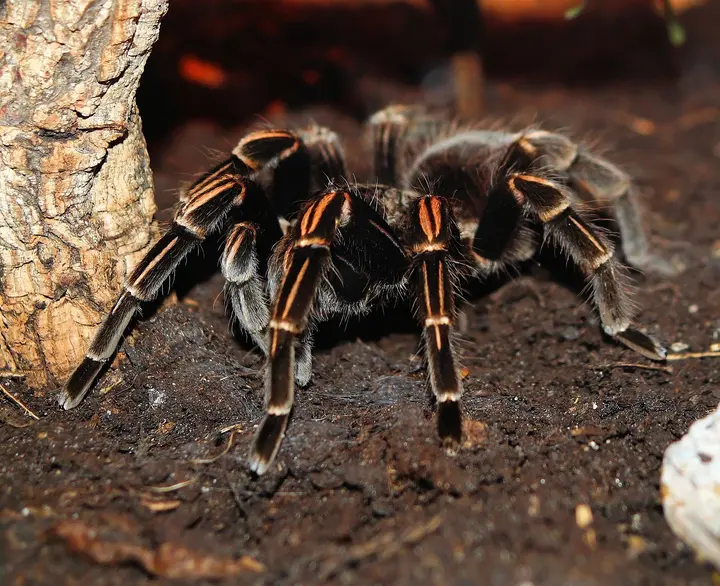
Amazonian Poisonous Spider
Photo by Kapa65 on Pixabay
If you think spiders are only small nuisances, think again before entering the Amazon forest. Several species of venomous spiders live in this region, and among them the poisonous Amazonian spider stands out as particularly dangerous.
This venomous spider inhabits the dense forest and has a frightening appearance. It is notable for a large body and long, powerful legs that let it move quickly and leap on prey. Its glossy black body with flashes of yellow and red makes it look unmistakably poisonous among the trees.
The spider’s venom is among the most potent in the animal world. It contains chemicals that attack the nervous system, causing paralysis and potentially death. A bite produces sharp pain, muscle spasms, difficulty breathing and, in severe cases, suffocation.
ADVERTISEMENT
The risk of encountering this spider is greatest in the forest, where it hides and weaves tightly spun webs to trap prey. When an intruder disturbs the web, the spider rushes out, drags the victim into its net and bites, injecting venom that can quickly immobilize its prey.
If you are thinking of swimming or exploring near the Amazon’s banks, stay alert for the Amazonian poisonous spider. It is one of the most dangerous creatures in this pristine region, so take care and avoid its webs in the perilous forest.
Destructive Water Lizards
Photo by Storme22k on Pixabay
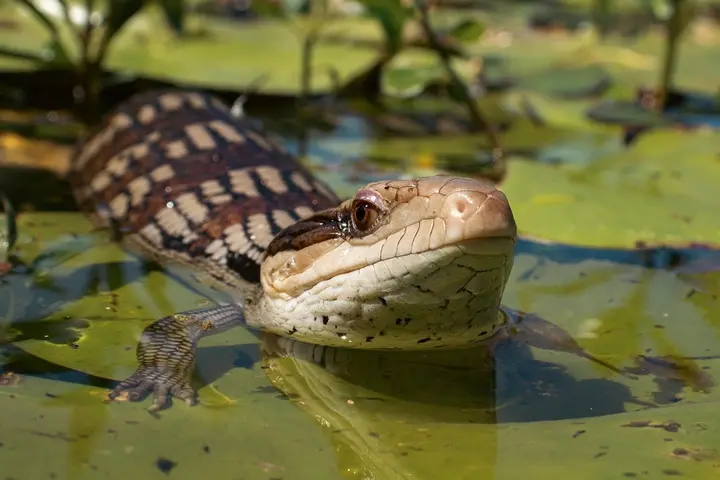
Destructive water lizards are unique, mysterious creatures of the Amazon River that symbolize strength and challenge in the wild. These lizards are well adapted to humid, flowing environments and rank among the deadliest reptiles in the region.
ADVERTISEMENT
Their sturdy, armored bodies give them a fearsome appearance and make them effective hunters and defenders. They have thick skin and hard scales that protect them and allow smooth movement in water. Sizes range from smaller species like caimans to large, destructive types such as giant monitors.
Their powerful jaws and sharp claws make them formidable hunters; they chase and seize prey with speed and force. The lizards use strong teeth to bite and tear flesh, sometimes consuming bone and cartilage as well.
People should beware of these dangerous creatures, since some species can become aggressive if threatened or if you enter their territory. Adventurers and swimmers should avoid areas where these destructive lizards are common and take care not to disturb them.
ADVERTISEMENT
Destructive water lizards combine beauty and menace. They remind us of nature’s power and teach that humans must respect wildlife and live wisely alongside it. A glimpse of these mysterious beasts is enough to spark imagination and curiosity about the many wonders still to be discovered.
The Scary Giant River Crab
Photo by Johnny_px on Pixabay
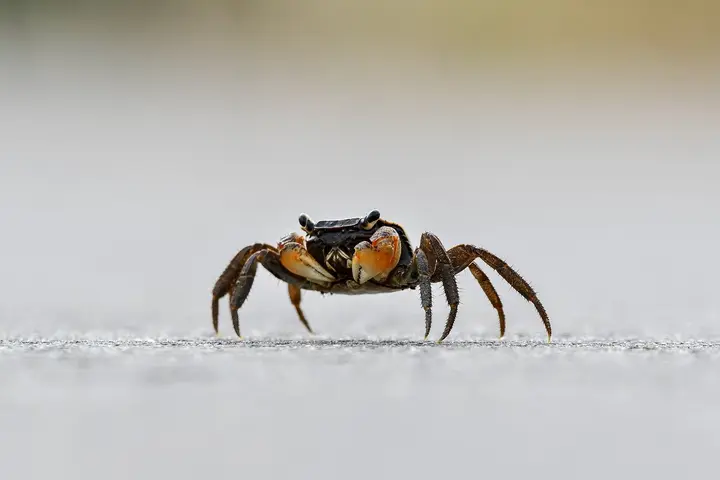
In the Amazon’s mysterious depths live creatures that make adventurers’ hearts tremble. Among them, the giant river crab ranks as one of the most terrifying. These crabs are both amazing and fearsome—often far larger than typical crabs—and inspire both appetite and dread.
At first glance, it is hard to believe the crab’s sheer size. Some giant river crabs can weigh more than 9 kilograms and span over two meters. These staggering proportions make the giant river crab one of the largest of its kind and a remarkable sight.
ADVERTISEMENT
But it is not only size that draws attention; the giant river crab’s formidable equipment is also notable. It is exceptionally strong, with powerful claws and sharp pincers that can easily grip and tear prey. A broad, pointed carapace helps it maintain balance and move in the river’s depths. These traits make the crab a force to be reckoned with among predators.
The giant river crab hunts by hiding in riverbanks and among submerged roots. When it spots prey, it lunges and seizes it with surprising force. That split-second attack is another example of the creature’s blend of beauty and danger.
Despite its fearsome appearance, the giant river crab is not harmful to humans and is in fact an important food source for local communities. Its meat is prized for flavor and nutrition and is a regional delicacy.
ADVERTISEMENT
Although the giant river crab sounds frightening, it is also a natural wonder that deserves protection. Preserving its habitat helps ensure this remarkable species endures in the Amazon. Remember: despite its intimidating look, the giant river crab is part of the river’s unique biodiversity.
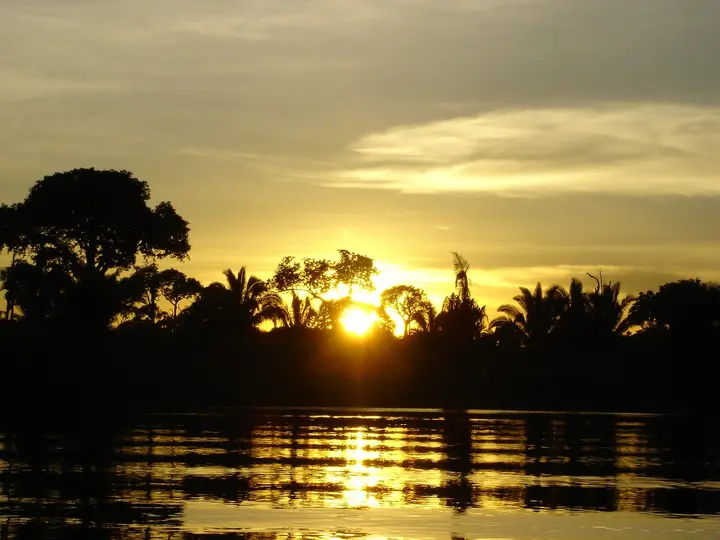
Photo by sko1970 on Pixabay
After our terrifying tour of the Amazon River, one fact stands out: this beautiful, spectacular river is also very dangerous. If you contemplate swimming in these waters, be aware that danger lurks at every turn. Observing these deadly creatures from a distance is thrilling, but approaching them demands extreme caution. The Amazon is undoubtedly one of the world’s great natural destinations, but we must always respect its powerful inhabitants and stay safe when exploring this extraordinary world.
عائشة
ADVERTISEMENT
زبدة الفول السوداني صديقة الدايت: 3 وصفات لحلوى مصنعه منها
ADVERTISEMENT
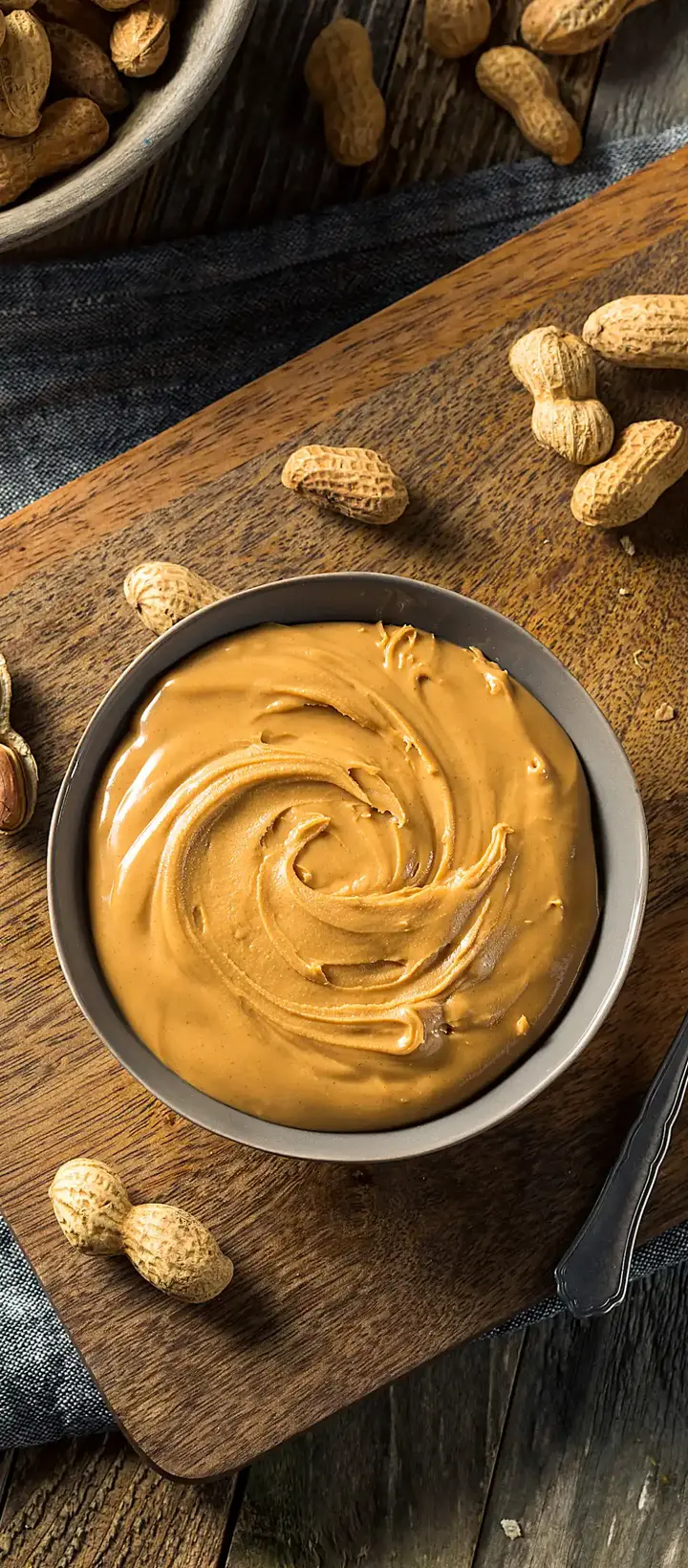
يتميز الفول السوداني بأنه من البقوليات الغنية بالبروتين والدهون في حين أنه قليل الكاربوهيدرات. مما يجعله غذاء مغذيا ويحفز الطاقة في جسمك. 100 جرام من زبدة الفول السوداني تمد جسمك بنصف احتياجه اليومي من فيتامين ه وب 3. تحتوي أيضا على فيتامين ب 6 وحمض الفوليك والمعادن مثل الماغنسيوم والنحاس
ADVERTISEMENT
والحديد والبوتاسيوم والزنك والسيلينيوم. تحتوي زبدة الفول السوداني أيضا على مضادات الأكسدة التي تحمي جسمك من خطر الإصابة بالتهابات وهي أيضا تحافظ على صحة القلب والأوعية الدموية كما أن لها بعض الخواص المضادة للسرطان بصفة خاصة سرطان الثدي. يساعد تناول زبدة الفول السوداني أيضا على الوقاية من مرض الزهايمر.
يوصي بتناول زبدة الفول السوداني لمتبعي الحميات المختلفة حيث إنها مشبعة وتحتوي على الدهون وتحفز خسارة الوزن وتساعد على عمليات التمثيل الغذائي بشكل سلس ويعود ذلك لغناها بالألياف. كما تساعد على السيطرة على مستويات السكر في الدم حيث إن محتوى الكاربوهيدرات فيها يعتبر الأقل. يلجأ ممارسو رياضة كمال الأجسام أيضا لتناولها حيث تساعد على بناء العضلات وتقوية العظام.
ADVERTISEMENT
على الرغم من غنى زبدة الفول السوداني بالبروتين إلا أنها لا تعتبر بديلا عن اللحوم والأجبان حيث لا تحتوي على الأحماض الأمينية الضرورية للجسم والتي يحصل عليها الجسم من اللحوم. 100 جرام منها يحتوي على 588 سعرا حراريا إلا أنه عند مقارنتها بالأطعمة النباتية نجد أن الأطعمة النباتية مثل السبانخ أو القرنبيط تتفوق عليها من حيث القيمة الغذائية مقابل السعرات الحرارية. على الرغم من الفوائد العديدة لزبدة الفول السوداني إلا أن لها بعض الأضرار لذا؛ ننصحكم بتناولها باعتدال بصفة خاصة للأطفال.
تدخل زبدة الفول السوداني في الكثير من وصفات الطعام وحلوى الحميات بصفة خاصة حمية الكيتو. سطور هذا المقال تقدم لكم ثلاث وصفات مختلفة لتحضير حلوى تصلح للحميات مصنعة من زبدة الفول السوداني. قمنا أيضا بإضافة طريقة تحضيرها في المنزل حتى تحصلوا على زبدة فول سوداني صحية وخالية من المواد الحافظة والألوان الصناعية.
ADVERTISEMENT
1-فنجان كيكة زبدة الفول السوداني
صورة من unsplash
المقادير:
"الكمية تكفي لفرد واحد ويمكن مضاعفتها بحسب العدد المرغوب"
½ 3 ملاعق كبيرة من زبدة الفول السوداني
1 بيضة
1 ملعقة كبيرة ماء
¼ ملعقة صغيرة من الباكنج صودا
1-2 ملعقة من سكر ستيڤيا "حسب الرغبة"
توت أو كريز للتزيين "اختياري"
طريقة التحضير:
نقوم بخلط زبدة الفول السوداني مع البيض والماء بمضرب يدوي "غير كهربائي" ثم نضيف الباكنج صودا والسكر ونستمر في مزج الخليط بالمضرب اليدوي. نقوم بصب الخليط في فنجان شاي وطهيه من 50 ل 60 ثانية. يزين باستخدام كيس أو قمع التزيين بزبدة الفول السوداني والتوت أو الكريز ويمكن التزيين بموس الشيكولاتة الداكنة. يصلح للحميات المختلفة مثل حمية الكيتو كما أنه مناسب للأشخاص المصابين بحساسية الجلوتين.
ADVERTISEMENT
2-بسكوت الشوفان وزبدة الفول السوداني
صورة من unsplash
المقادير:
½ 1 كوب من الشوفان
1 بيضة
½ كوب من زبدة الفول السوداني "يفضل استخدام الزبدة الخشنة أو كرانشي"
¼ كوب عسل أبيض " يمكن استبداله بملعقتين من سكر ستيڤيا "
¼ ملعقة صغيرة من البيكنج بودر
2 ملعقة من الكاكاو " يمكن الاستغناء عنهم أو اضافتهم لنصف الكمية فقط والحصول على نكهتين"
طريقة التحضير:
نقوم بضرب البيضة بالمضرب اليدوي ثم نضيف العسل أو السكر ونخلط جيدا ثم نضيف زبدة الفول السوداني ونخلط المزيج جيدا. نضيف الكاكاو والشوفان ونقوم بعجنه مع المكونات السابقة حتى نحصل على قوام متماسك نوعا ويمكن تشكيله. ندهن اليد بقليل من الزيت ونبدأ بتشكيل الخليط حسب الرغبة، مثلا على هيئة كرات أو دوائر مسطحه أو حتى أصابع باستخدام اليد أو الشوكة. ترص على ورقة زبدة في صينية الفرن وتدخل الفرن لمدة 20 دقيقة ثم تترك لتهدأ خارج الفرن. يمكن أن تقدم مع القهوة أو الشاي وتصلح كوجبة إفطار أو وجبة خفيفة لمتبعي الحميات المختلفة.
ADVERTISEMENT
3-مهلبية زبدة الفول السوداني
صورة من unsplash
المقادير:
1 لتر حليب نباتي حليب اللوز أو حليب جوز الهند
4 ملاعق كبيرة من زبدة الفول السوداني
4 ملاعق كبيرة من النشا
6 ملاعق كبيرة من العسل الأبيض أو سكر ستيڤيا
ملعقة صغيرة من القرفة
للتزيين: مكسرات مجروشة أو موس الشيكولاتة الخام
طريقة التحضير:
نقوم بمزج الحليب وزبدة الفول السوداني والنشا سويا في إناء ثم نرفع الإناء على النار مع التقليب المستمر طوال الوقت حتى لا تكون تكتلات. عند اقتراب الخليط من مرحلة الغليان نضيف القرفة. بعد وصول الخليط لقوام المهبلية يرفع ويصب في أطباق التقديم ونقوم بتزيينه بالمكسرات أو موس الشيكولاتة ويترك في الثلاجة ويقدم بارد. تصلح الوصفة لحمية الكيتو بشرط عدم إضافة العسل واستبداله بسكر ستيڤيا. تصلح الوصفة أيضا للحميات المختلفة وللمصابين بحساسية اللاكتوز أوالجلوتين.
ADVERTISEMENT
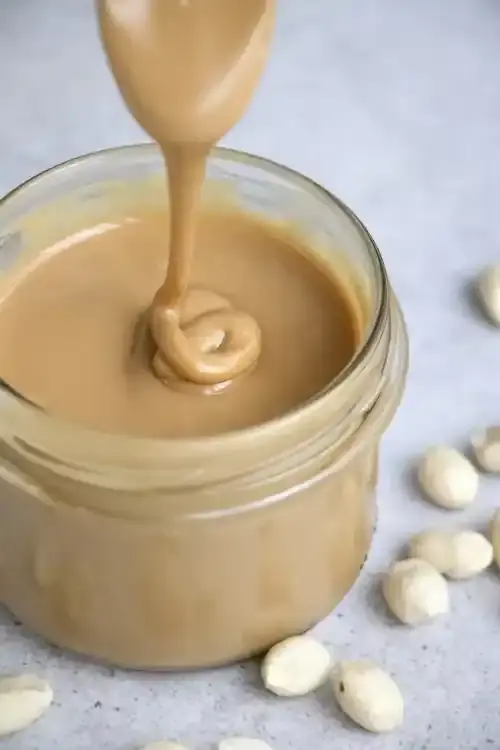
4.طريقة تحضير زبدة الفول السوداني في المنزل
صورة من unsplash
المقادير:
125 جرام سوداني مقشر
2 ملعقة كبيرة زيت جوز الهند
2 ملعقة كبيرة عسل
رشة ملح
طريقة التحضير:
نقوم بتحميص السوداني في الفرن على درجة حرارة 170 ثم نقوم بطحنه بمطحنه أو كبة أو خلاط. نضيف العسل والزيت والملح ونخلطهم مجددا حتى نحصل على قوام زبدة الفول السوداني المعروف. تصب في إناء محكم الغلق وتخزن في الثلاجة.
في حالة الرغبة في وصفة تناسب الحميات المختلفة، قوموا بالاستغناء عن العسل والزيت ويمكن استبدال الملح العادي بملح البحر. الفول السوداني تخرج زيوته عند ضربه بشكل مستمر وبالتالي، لا يحتاج لإضافة الزيت للوصول للقوام المناسب.
نهى موسى
ADVERTISEMENT
نابلس، مدينة ساحرة في فلسطين: تاريخها وأهميتها وأبرز المعالم التي يمكن زيارتها فيها.
ADVERTISEMENT
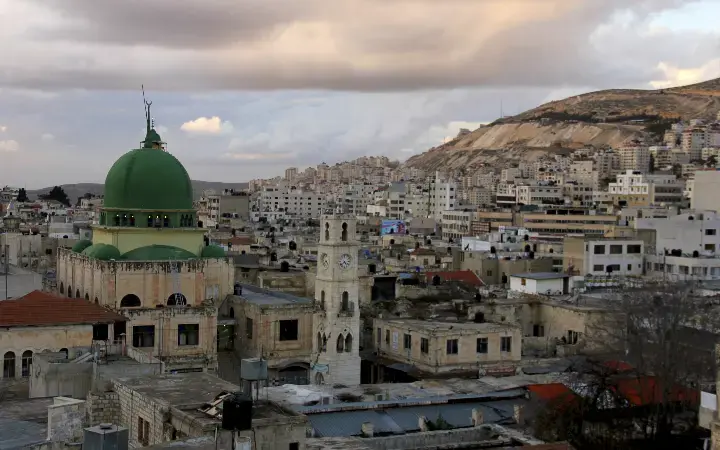
نابلس، الواقعة بين جبل جرزيم وجبل عيبال في شمال الضفة الغربية، هي واحدة من أقدم المدن المأهولة بالسكان في الشرق الأوسط. وقد ترك كل عصر بصماته على هندسة المدينة وثقافتها وتقاليدها، مما خلق سردًا تاريخيًا متعدد الطبقات لا يزال يتردد صداه حتى اليوم. تحافظ مدينة نابلس القديمة، بأكثر من 100
ADVERTISEMENT
مبنى أثري، على هذا الإرث، مقدمةً متحفًا حيًا يضم أزقة حجرية ومساجد وكنائس وحمامات تروي قصة الصمود والاستمرارية عبر آلاف السنين. لا يقتصر تاريخ المدينة على الغزو والبقاء فحسب، بل يشمل أيضًا التآلف الثقافي، حيث تعايشت مجتمعات متنوعة - مسلمون ومسيحيون وسامريون - وشكّلت هويتها. وهذا يجعل نابلس نموذجًا مصغرًا لتاريخ فلسطين الأوسع، مكانًا تشابكت فيه العقيدة والسياسة والحياة اليومية لآلاف السنين.
صورة بواسطة RehamOmarAbuSoud على wikipedia
ADVERTISEMENT
ماذا تزور في نابلس؟
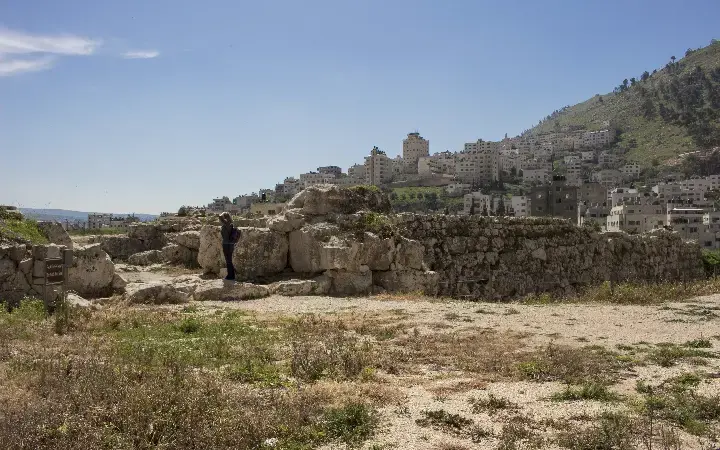
تُرحّب نابلس بزوارها من خلال ثروة من المعالم التاريخية والثقافية التي تجعل المدينة وجهةً جذابة. البلدة القديمة عبارة عن متاهة من الأزقة الحجرية والأسواق النابضة بالحياة، حيث يُمكن للمرء استكشاف محلات التوابل وأسواق المنسوجات والمخابز التقليدية. من أبرز معالمها مسجد النصر، الذي كان في الأصل كنيسة بيزنطية، وهو الآن معلم إسلامي بارز. بئر يعقوب، الواقع في كنيسة بير يعقوب الأرثوذكسية الشرقية، يُبجّله المسيحيون باعتباره الموقع الذي تحدث فيه يسوع إلى المرأة السامرية. جبل جرزيم، المُطل على المدينة، هو موطن الطائفة السامرية القديمة، إحدى أصغر الطوائف الدينية في العالم، والتي لا تزال تمارس عقيدتها حتى اليوم. تُقدّم حمامات المدينة، مثل حمام الشفاء، الذي يعود تاريخه إلى القرن السابع عشر، لمحةً عن تقاليد الحمامات العامة في العصر العثماني. يُقدّم موقع تل بلاطة الأثري، المعروف باسم شكيم القديمة، لمحةً عن ماضي المدينة الكنعاني والتوراتي. كما يُنصح الزوار باستكشاف مصانع الصابون النابلسية، حيث يُحوّل زيت الزيتون إلى الصابون الشهير الذي صُدّر إلى جميع أنحاء الشرق الأوسط لقرون. ولا تكتمل أي رحلة إلى نابلس دون تذوق الكنافة، وهي حلوى مصنوعة من الجبن والمعجنات والقطر، تُعتبر من أجود أنواع الكنافة في المنطقة. هذه المواقع والتجارب مجتمعةً تجعل من نابلس مدينةً يمتزج فيها التاريخ والإيمان والحياة اليومية. وإلى جانب المعالم الأثرية، تُتيح ثقافة المدينة الحية - موسيقاها وطعامها وحرفها اليدوية - للمسافرين فرصةً للانغماس في الحياة الفلسطينية. ولعلّ جولةً سيرًا على الأقدام في البلدة القديمة، تُختتم بتناول الكنافة في مقهى تقليدي، هي الطريقة الأكثر أصالةً لتجربة نابلس.
ADVERTISEMENT
صورة بواسطة TrickyH على wikipedia
نابلس اليوم وجاذبيتها الدائمة
تواصل نابلس الحديثة الموازنة بين تراثها العريق وحياة العصر، مما يجعلها مدينةً جذابةً لكلٍّ من السكان والزوار. يعكس عدد سكانها الذي يزيد عن 170,000 نسمة مجتمعًا نابضًا بالحياة يحافظ على التقاليد مع احتضان الحداثة. إنها مدينة الضيافة، حيث يتم الترحيب بالزوار في الأسواق والمنازل والمساحات الثقافية بحرارة وكرم. تكمن جاذبية نابلس الدائمة في أصالتها: إنها مكان لا يقتصر فيه التاريخ على المتاحف بل يُعاش يوميًا في شوارعها وأسواقها وتقاليدها. بالنسبة للمسافرين الذين يسعون إلى فهم فلسطين خارج العناوين الرئيسية، تقدم نابلس لقاءً عميقًا مع مدينة تجسد المرونة والثقافة والجمال. إن عمقها التاريخي وحيويتها الاقتصادية وثرائها الثقافي يجعلها واحدة من أكثر المدن جاذبية في فلسطين، مكان يتعايش فيه الماضي والحاضر في وئام، مما يدعو كل من يزورها لتجربة سحرها الخالد. نابلس اليوم ليست مجرد مدينة للذاكرة، بل هي أيضًا مدينة للرؤية، حيث يُغذّي الحفاظ على التراث الأمل بمستقبلٍ متجذّر في الهوية والفخر. وهي تُذكّرنا بأن المدن ليست مجرد أماكن على الخريطة، بل هي كياناتٌ حيّة، تحمل ثقل التاريخ وتُشكّل تطلعات الأجيال القادمة.