Emperor Penguins: The Ultimate Masters of Survival in Extreme Environments


Show key points
- Emperor penguins exhibit extraordinary resilience and strength by surviving in the extreme cold and harsh conditions of Antarctica.
- These magnificent birds form tightly knit communities, working together to build protective settlements using stones and ice.
- Through well-coordinated group hunting strategies, emperor penguins dive into icy waters in search of krill, their primary source of nourishment.
- ADVERTISEMENT
- They defend their nests and offspring with fierce determination, utilizing body language and group tactics to ward off predators.
- Emperor penguins engage in a remarkable breeding process marked by devotion, endurance, and shared responsibilities between partners.
- The looming threat of climate change endangers their habitat and survival, prompting urgent questions about their future on Earth.
- Despite environmental challenges, the emperor penguin remains a symbol of adaptability and endurance in the face of nature's extremes.
In the world of wild animals, the emperor penguin stands out as a true soldier, facing relentless cold and harsh conditions in its remote Antarctic colonies. It is a remarkable creature, worthy of admiration, living in an environment full of challenges and threats. In this article, we explore the emperor penguin and how it adapts to these extreme conditions.
1. Adventure in the world of extreme cold: first encounter with the emperor penguins.
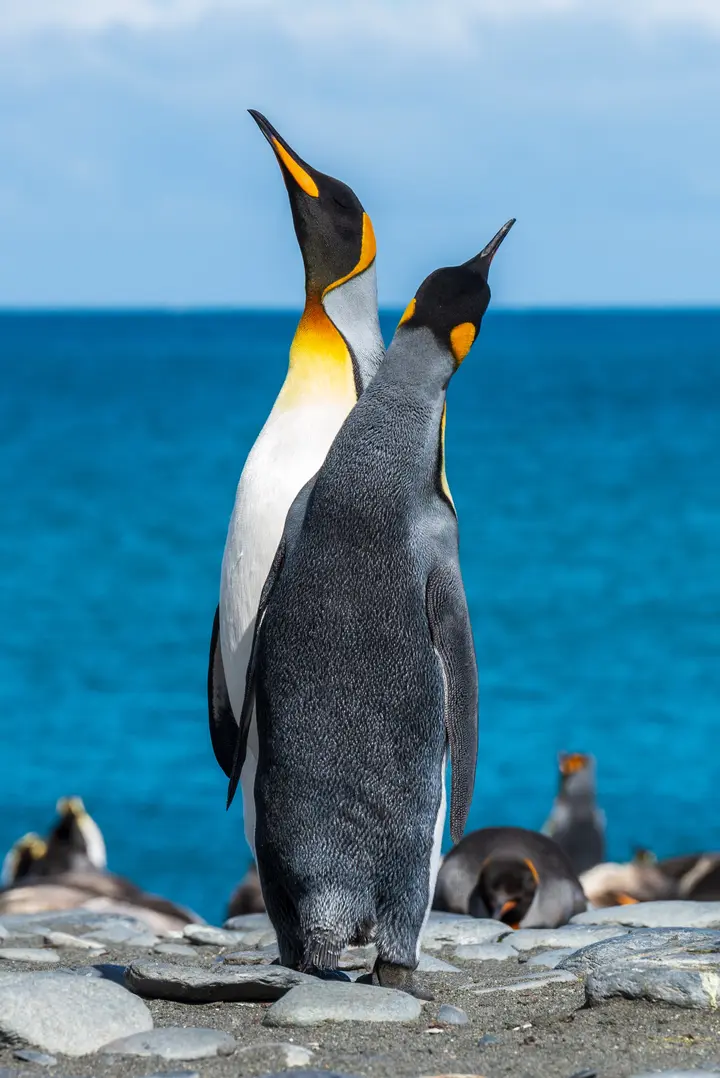
The journey began across a white, ice‑strewn landscape, where slabs of ice slid beneath well-balanced feet. Cold air seeped into every corner of the penguins’ world, as if testing their endurance and strength. The continent’s breathtaking vistas were strangely beautiful, and they left me both humbled and inspired.
Recommend
At last I met this striking bird: the emperor penguin. It stood there with a large body, glossy black feathers and distinctive markings that added to its dignity. It measured about 1.2 to 1.4 meters long, with a brightly colored bill and dark eyes that seemed to hold countless stories.
I imagined its long journeys from the Southern Ocean, where it searches for food and seeks suitable breeding grounds. Emperor penguins travel hundreds of miles, and it is astonishing how they endure such harsh distances and conditions.
Its gaze was sharp and attentive, giving the scene a sense of wonder. Families gathered nearby, calling to one another in penguin vocalizations, building icy settlements and caring for the next generation. As their calls rose, my first lesson in this cold, unforgiving world began.
2. Building community settlements: emperor penguins collaborate in the face of frost.
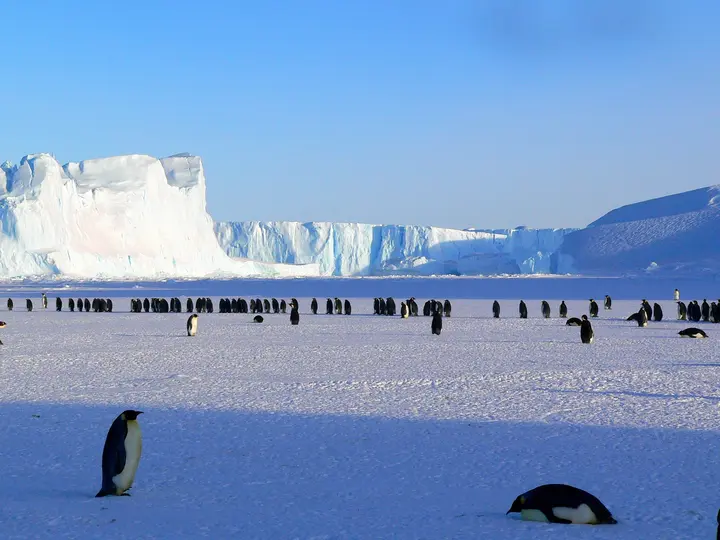
One of the most remarkable things about emperor penguins is their ability to cooperate and form strong communal settlements against bitter cold. These birds work together to find shelter, share warmth and construct protective walls for their nests and chicks.
During the cold months, emperor penguins collect hundreds of small stones and pebbles to build their colonies. Patiently and deliberately, they arrange these stones into tight circles that help shield nests from fierce winds and blizzards.
Construction begins with stones placed in narrow rings, then layers are added until solid walls are formed to protect against the weather. Penguins create small entrances and internal passages to move between nests and to exchange warmth.
Their organization during construction is striking. Some birds fetch stones while others place them in the prepared structures. They take turns and coordinate with body language and calls to achieve the best result.
The cooperation of emperor penguins in building their settlements carries a clear lesson: in a harsh world, collaboration and teamwork are essential to survival. They remind us of the importance of strong communities and working together when conditions are tough.
3. Foraging in a sea of ice: emperor penguins' strategies for survival.
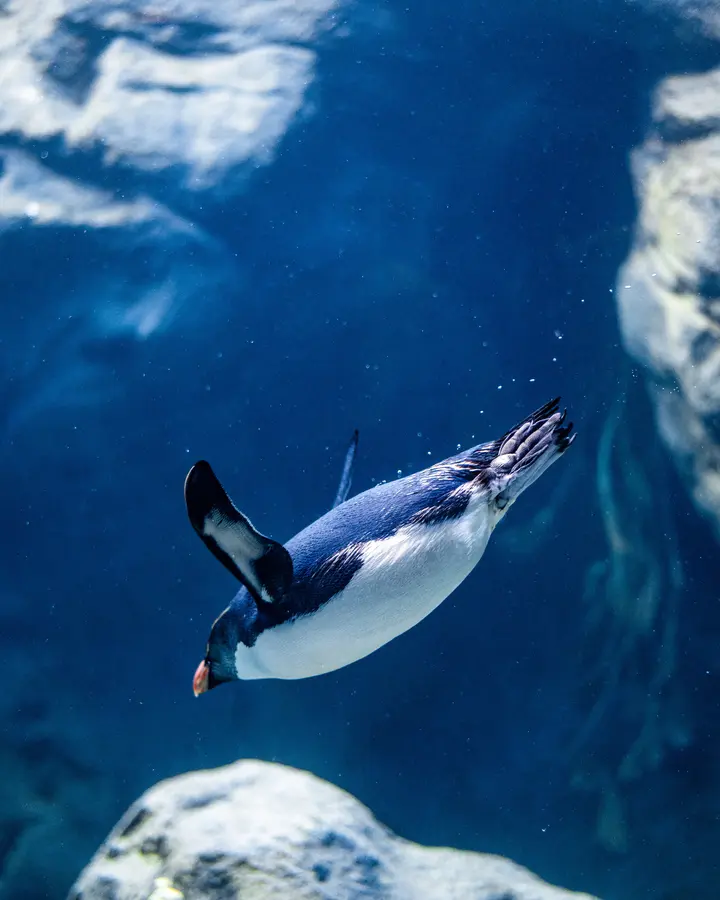
In the frozen sea, emperor penguins embark on perilous expeditions to find food. They race against time to stay underwater before breathing holes freeze over and they must return to the ice. Their sleek bodies flash against the snow as they dive, guided by the leaders of their groups.
Facing icy winds and churning waves, emperor penguins plunge into the water without hesitation, hunting for their favored prey: krill, a small crustacean that thrives in polar waters. They chase krill in a furious struggle for survival.
Emperor penguins use the power of their stout bodies to move quickly, sometimes reaching speeds up to 20 miles per hour. They snap at prey with pointed bills and hooked edges, and their bodies are adapted to the cold with a thick layer of insulating fat to retain heat.
In this frozen ocean, penguins work as a team and employ clever hunting strategies. They call to one another to signal the presence of prey so others can join in. They cooperate to drive krill from their hiding places and scatter them, using coordinated movements to make escape difficult. By working together, they increase their chances of a successful catch.
As they carve their path through the icy sea, the Antarctic sky casts its glow. Emperor penguins take pride in their ability to survive and forage under such harsh conditions, returning to their ice floes with precious prey to sustain them for the next phase of their unending struggle to live in this frozen world.
4. The colony’s guards: how emperor penguins protect their nests and young from predators?
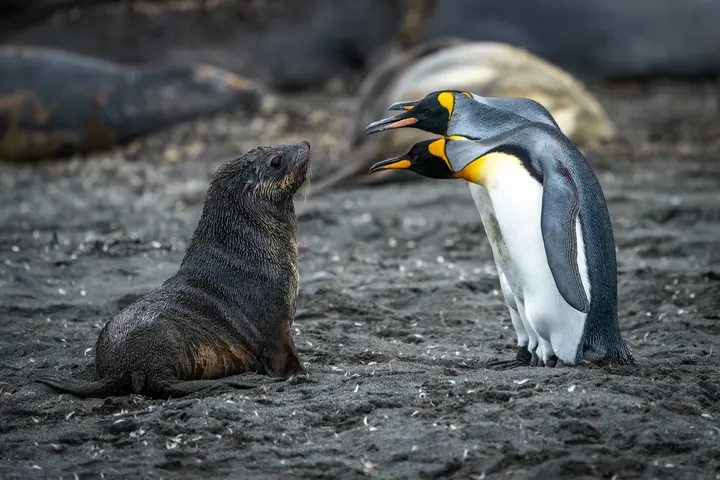
When the Antarctic sun rises, emperor penguins awaken and begin their daily mission of protecting nests and chicks from danger. They spread through the colony to keep nests and young birds safe and secure.
In the calm morning light, the colony takes on a peaceful quality. White snow both surrounds and conceals nests from potential predators, making hunting more difficult. But emperor penguins have developed effective tactics to guard their young.
They leave temporary scent markers on the snow to signal that a site is occupied and that adults are nearby. They also use camouflage and stealth to keep nests hidden and reduce the chance of detection.
When threats appear, the penguins unite to confront them. They use body language to communicate and display strong defensive postures. They stand tall and make fierce, threatening sounds to warn predators to stay away from nests and chicks.
If aggression escalates, emperor penguins rush forward with force and courage to defend their young. They use strategic maneuvers and strength in numbers to repel attacks, producing alarming calls and displays to deter intruders and protect their offspring.
5. The astonishing breeding journey: how do emperor penguins breed in harsh conditions?
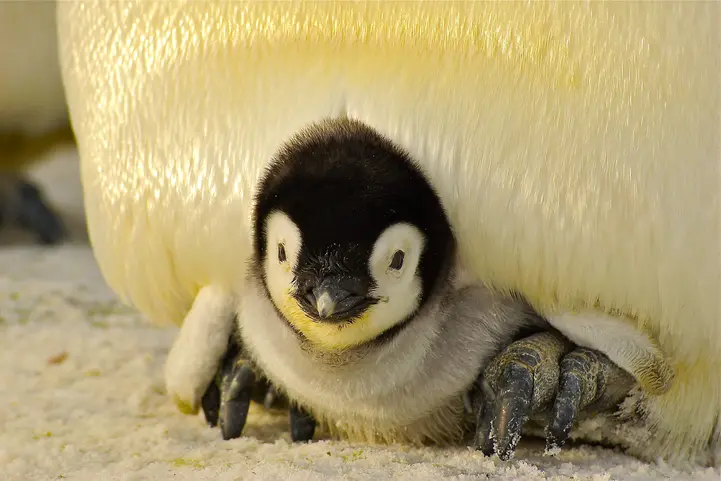
The breeding journey begins before the worst of winter, when penguins gather in large groups on the ice. They choose mates carefully, circling and displaying calls and gestures to show off strength and skill. They perform a formal greeting, raising their heads and walking slowly in small circles around one another in a strange, clipped dance.
After pairing, the couple builds a stone nest on solid ice. They cooperate to collect small stones, plant material and bits of ice to form a sheltered courtyard suitable for laying a single egg. The egg is placed in the nest and the pair take turns protecting and warming it to maintain the right temperature. Preparation can require patience and persistence, sometimes taking up to two months before a chick appears.
When the egg hatches, the vulnerable chick stays warm under its parents’ brood patch, fed on regurgitated nutrients from the adults. Young penguins grow slowly and are fully dependent on parental care at first. Parents watch closely, feeding and shielding the chick from violent storms until it is strong enough to survive.
Once the chick can move and gain independence, parents teach it to swim and the basic skills needed to survive at sea. The young bird imitates its parents’ movements and learns hunting techniques. It must become strong and skilled before it can survive alone in the harsh ocean environment.
The emperor penguin’s breeding journey is a remarkable life story. Their ability to overcome environmental challenges and pass on survival skills to the next generation is a natural wonder.
6. Emperor penguins and climate change: can this species avoid extinction?
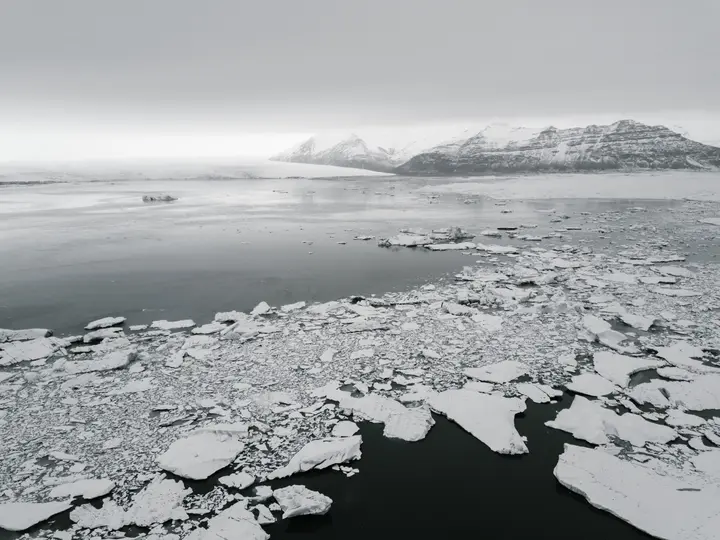
On the polar ice, emperor penguins live dangerous lives. This large bird survives a collapsing frozen continent and punishing blizzards, but can it withstand the greatest threat of our time?
With global climate change, emperor penguins’ survival is increasingly at risk. Melting ice and shrinking food supplies pose real dangers. Storms and harsh weather have always been part of their lives, but can they adapt to rapid new changes?
Emperor penguins are attempting to adjust by adopting new foraging strategies, shifting breeding sites and improving communication, but the question remains: are these adaptations enough to prevent extinction?
Scientists and conservationists around the world are deeply concerned. Emperor penguins are symbols of pristine wilderness and wild beauty, and losing them would be an irreplaceable loss. Will humanity respond to the consequences of climate change and take action to protect this remarkable species and its habitat? Or are we at risk of losing emperor penguins forever?
Their struggle in the face of climate change raises urgent questions. Can they find a way to survive a bleak future? Can people become part of the solution instead of the problem? The story of the emperor penguin teaches us that fighting to survive is worth the hardship, no matter how great.
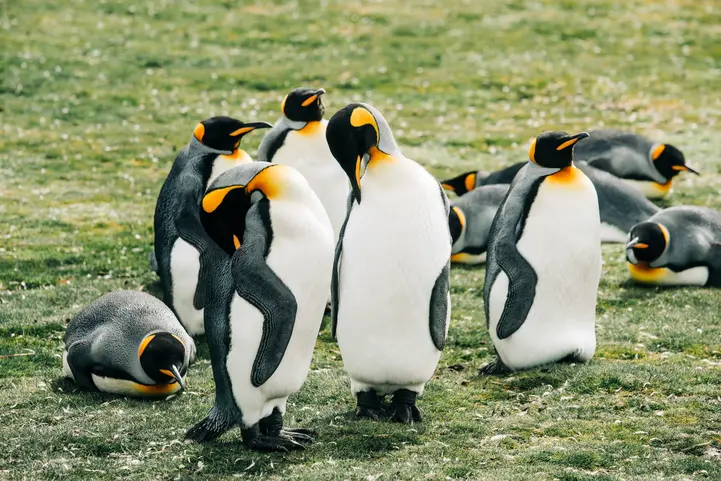
The emperor penguin stands as a story of resilience in the polar ice. Its capacity to endure extreme cold and to live and breed under changing conditions makes it one of the most formidable creatures in the wild. Let us learn from the emperor penguin’s strength and determination, and work to preserve this extraordinary species.