Noble birds of peace: white doves and their role in history
ADVERTISEMENT
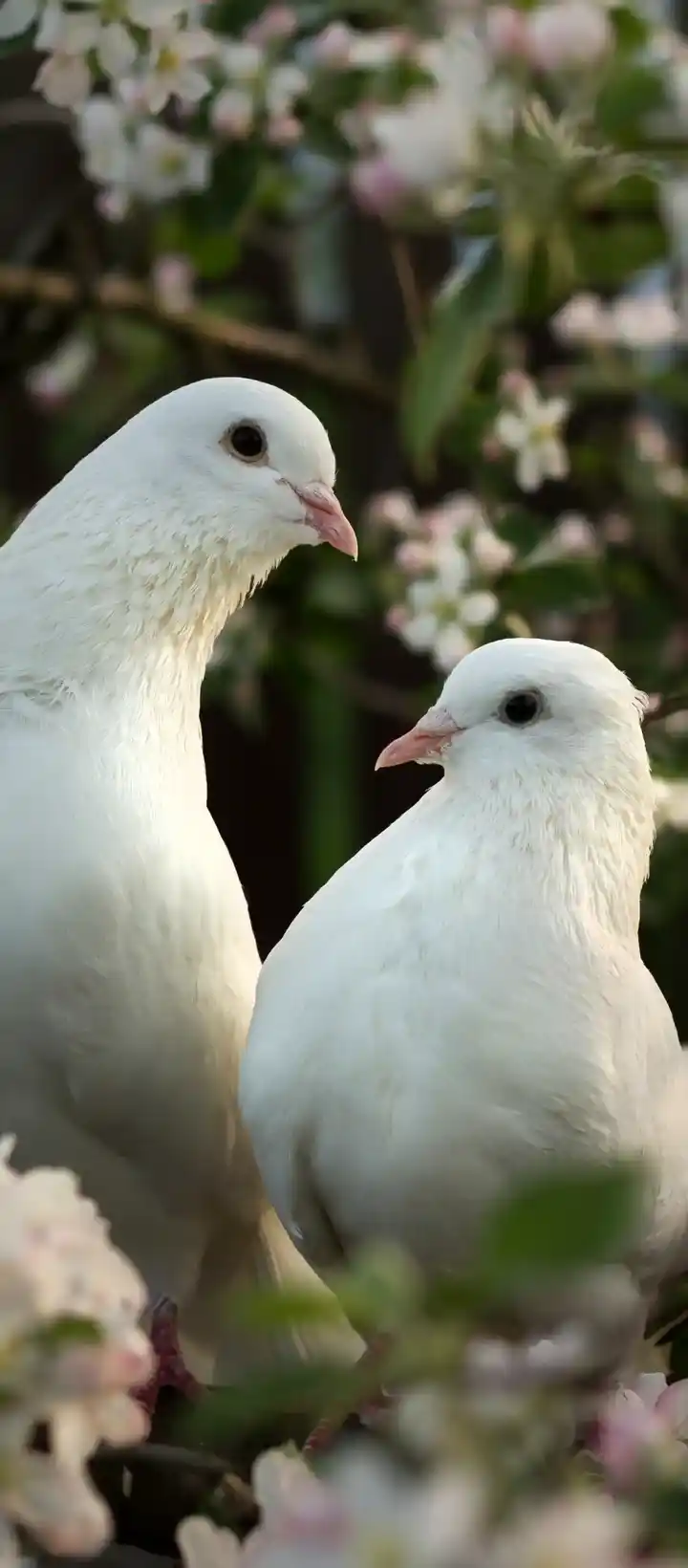
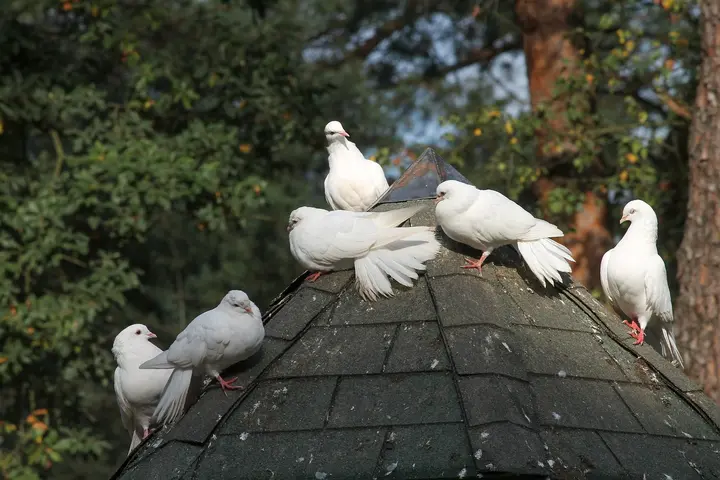
For centuries, the noble birds of peace have been seen as symbols of peace and purity across many cultures and civilizations. These white doves, with their bright feathers, have played an important role in history and influenced many aspects of human life—cultural, religious, and political.
ADVERTISEMENT
This article examines their role and impact on history and culture.
The Holiness of White Feathers: The Symbolism of Noble Birds of Peace in Religions
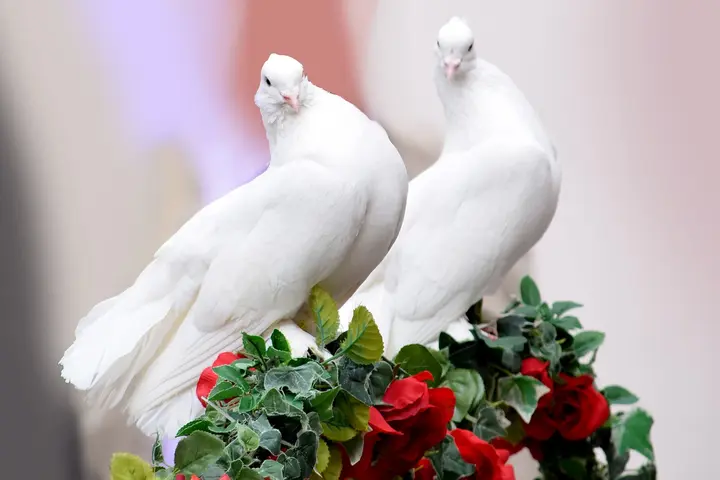
Photo via Chrisjmit on Pixabay
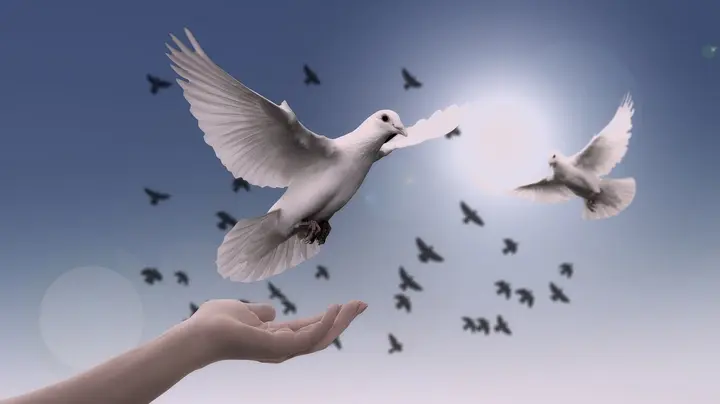
Through the years and ages, the noble birds of peace have soared across the religious skies as symbols of peace and spiritual purity. Since ancient times they have flown over temples, mosques, and churches, bringing calm and tranquility to the hearts of believers.
ADVERTISEMENT
In major religions such as Hinduism, these birds were seen as sacred symbols of freedom, safety, and balance. Ancient Indians believed their bright white feathers symbolized inner light and spiritual enlightenment. In religious ceremonies people released them toward the horizon to mark the start of a new era of peace and prosperity.
In monotheistic faiths such as Islam, Christianity, and Judaism, the symbolism of the noble birds of peace took different forms. In Islam, they are believed to be sent by God as messengers, carrying divine messages and spreading the spirit of peace. In Christianity, religious narratives say that these birds announced peace after the Great Flood, restoring a new peace between God and humanity. In Judaism, they symbolize reconciliation and peace; as the Torah relates, Aaron and Moses led the Jewish people toward the Holy Land.
ADVERTISEMENT
Despite religious differences, the symbol of the noble birds of peace can unite people's hearts, inspiring hope and peaceful coexistence. Their flight across the horizon reminds us to renounce violence and treat one another with kindness and compassion. Let us heed their message and work toward a world of peace and tolerance.
From magic lamps to national symbols: the influence of birds of peace on world culture
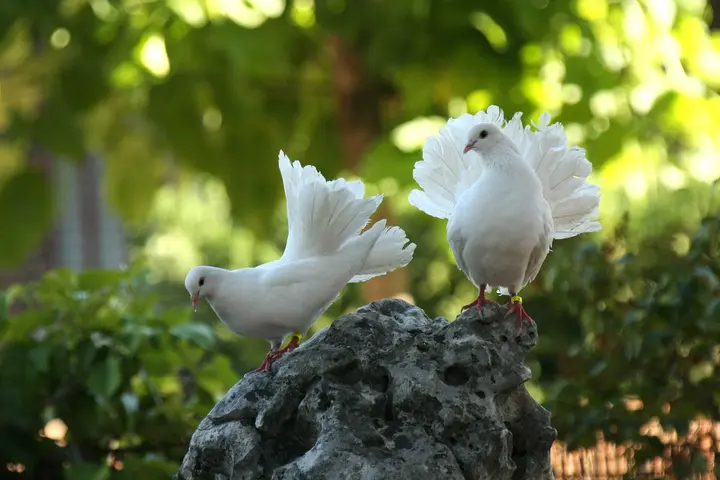
Photo via Balt on Pixabay
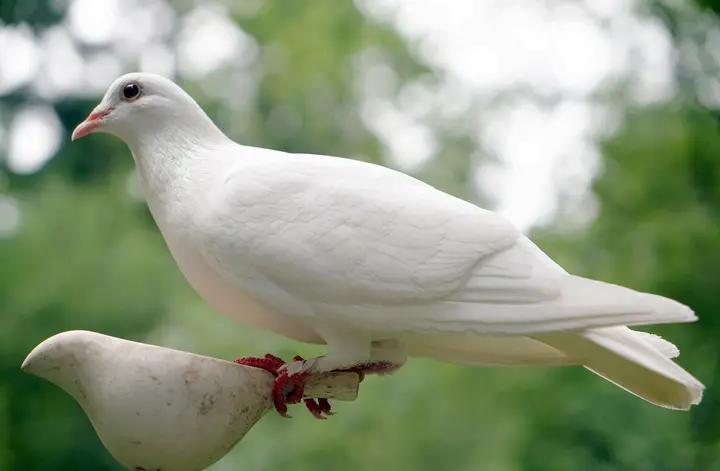
The noble birds of peace—the beautiful white dove—have been mythical figures in human hearts for centuries. People have regarded them as symbols of peace and purity, expressing a longing for a world without conflict. As a result, these birds have profoundly influenced global culture.
ADVERTISEMENT
In ancient myths and legends, the birds of peace appeared as magical beings carrying messages of peace and goodwill. They served as intermediaries between humans and the supernatural, transmitting messages of tolerance and peaceful coexistence to distant lands.
Later, these birds became national symbols in many cultures. White doves were released at peace ceremonies and the start of new eras, soaring above national events to urge people to unite and cooperate. As national emblems, they came to represent cultural identity and collective sacrifice.
The influence of the birds of peace on art and literature is also clear. Artists and writers have long drawn inspiration from them; they appear in paintings and poetry as symbols of love, peace, and spiritual beauty. The gleam of their white wings arrests the viewer and leads them on a lyrical, romantic journey.
ADVERTISEMENT
Today their influence endures. They remind us of the need for peace, coexistence, and tolerance and urge us to pursue a shared vision of a better world. Like a cry in the modern desert, they invite us to stand together and preserve the symbols of peace and purity embodied by the noble birds.
White Bird Diplomacy: The History of Peace Doves in International Relations
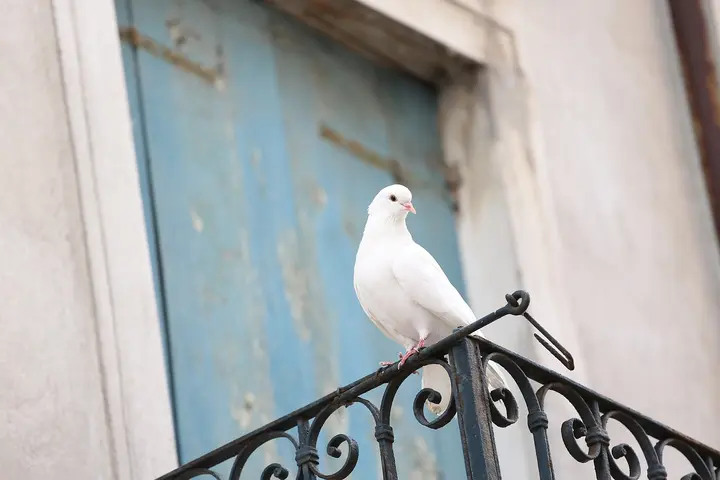
Photo via Rothart on Pixabay
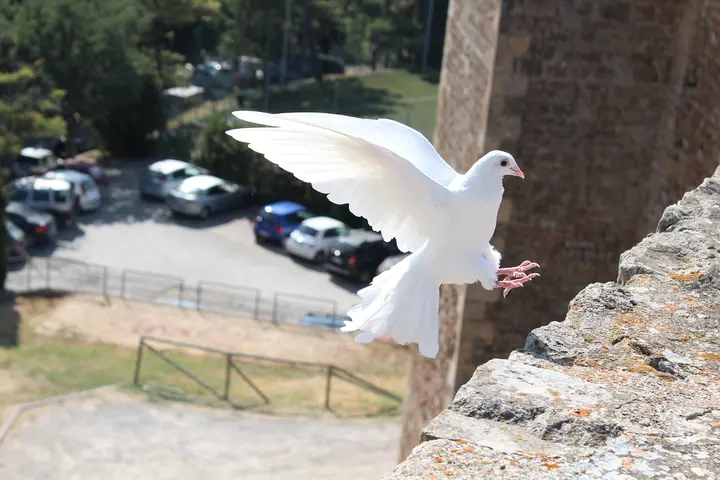
The room of politicians and diplomats often lacked an outward sign of hope—until the white dove provided what they were seeking. It carried a simple but powerful message. Its bright plumage suggested pure intentions and a sincere desire for peace. The dove holds a prominent place in international relations; it can bring conflicting parties closer and encourage dialogue and understanding.
ADVERTISEMENT
White doves were used to carry messages between ancient civilizations. They embodied trust, peace, and harmony among nations and were trusted to help resolve disputes peacefully. Their homing ability made them symbols of reliability and trust in diplomacy.
In the Middle Ages, the use of white doves in diplomacy expanded, offering a quick and secure means of communication between states and monarchs. Their use expressed a desire to legitimize relations between states and to open paths for dialogue. They embodied the power of the spoken and written word and underscored the importance of peaceful negotiation in avoiding war.
Even today peace doves feature in international relations. At state summits and international conferences they are presented as symbols of commitment to peace and consensus. They remind us that dialogue and understanding can yield positive results and that peace is essential for progress and prosperity.
ADVERTISEMENT
Ultimately, the white dove continues to carry hope and optimism. In a world of conflicts and tensions, it reminds us that opportunities for peace and coexistence remain. We should take these lessons from the doves and work to build a better world founded on peace and understanding.
White Doves and War History: Stories of Their Use in Wars and Peace Settlements
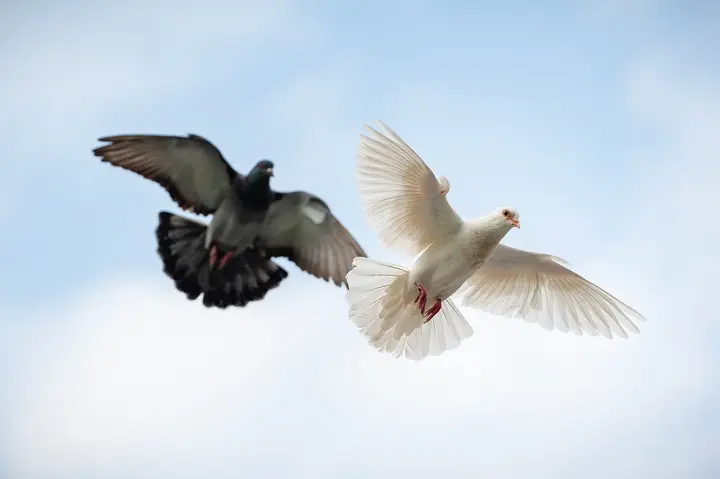
Photo via Amadeosainz on Pixabay
On the battlefield, I am amazed to see white doves of peace flying above the heads of weary soldiers and broken hearts. Those pristine birds and their quiet presence testify to the bloody struggles and suffering of humankind. Their white feathers dance amid shells and gunfire, sowing seeds of hope and consolation in the hearts of warriors. In stories from wars and peace settlements, the doves of peace tell a moving tale of resilience and reconciliation.
ADVERTISEMENT
During the worst conflicts, exhausted and frustrated soldiers have found their spirits lifted by white doves. These birds fly over battlefields carrying messages of peace and humanity, reminding combatants of the value of life and sacrifice. In the cruelest moments, doves can bring a sense of calm and security, acting as a symbol from above that hope still survives.
The history of white doves of peace appears not only in wartime but also in peace settlements and reconciliation processes. Doves serve as silent partners in efforts toward tolerance and reconciliation. They rise over peace conferences, carrying messages of forgiveness to former enemies. Crossing national and ethnic borders, they convey the powerful message that peace is possible and that cooperation and understanding can form the foundation for a better future.
ADVERTISEMENT
Cruelty and senseless bloodshed fade before the brilliance of white doves. Their sight moves people and brings balance and reconciliation even in the most chaotic times. The doves reflect nature's capacity to unite and cooperate, reminding us that even amid war human hearts can still beat with compassion and peace.
Heaven comes to life: international efforts to protect noble birds of peace
Photo via Nadia71 on Pixabay
When the sounds of war fade, the noble birds of peace revive the joyful breeze in a dark sky. This is the story of international efforts to protect these fragile and beautiful creatures.
From the headquarters of international organizations to the Himalayas, people are mobilizing to protect and preserve the doves of peace. Organic farms and nature reserves provide safe, balanced habitats for these birds. Scientists and researchers track their migrations across seas and continents, uncovering the secrets of the birds' origins.
ADVERTISEMENT
But forests—the natural shelter of these beautiful birds—are shrinking day by day. Governments and NGOs have formed anti-poaching units and developed programs to protect and bolster white dove populations.
With every call for justice and ecological balance, the world responds to the whispers of peace carried by the noble birds. When people protect these rare and important creatures, the sky comes alive again with the seeds of hope and harmony they plant.
Symphony of Peace: Artwork inspired by Birds of Peace
Photo via Kieutruongphoto on Pixabay
In the Symphony of Peace, artworks tell a distinctive story about the noble birds of peace and their impact on humanity. The series opens with soft pastels showing wings stretching across a starry sky. The work rises in energy, transforming into an exuberant movement. War's gray gives way to the bright white of shimmering dove feathers; feathers flow gracefully as the theme of peace echoes throughout. The artist uses brushwork with skill and imagination to reveal the natural beauty and radiance of the plumage. These images reflect the birds' influence on hearts and souls, their photographic details revealing passion and inner calm. The Symphony of Peace is a story of hope and coexistence, inviting viewers to trust again in art's power to change the world and make it more beautiful.
ADVERTISEMENT
Photo via Manfredrichter on Pixabay
Through history, the noble birds of peace have sung the songs of coexistence. Their white wings heal the wounds of war and bring hope to the bereaved. They fly over ruined cities, seeking remnants of hope and reviving what was lost. The history of these peacebirds is full of tales and adventures that inspire people. The signs of peace these white doves paint across history continue to light dark paths and remind us that hope never dies.
عائشة
ADVERTISEMENT
غابة عجلون: واحة خضراء في قلب الأردن
ADVERTISEMENT
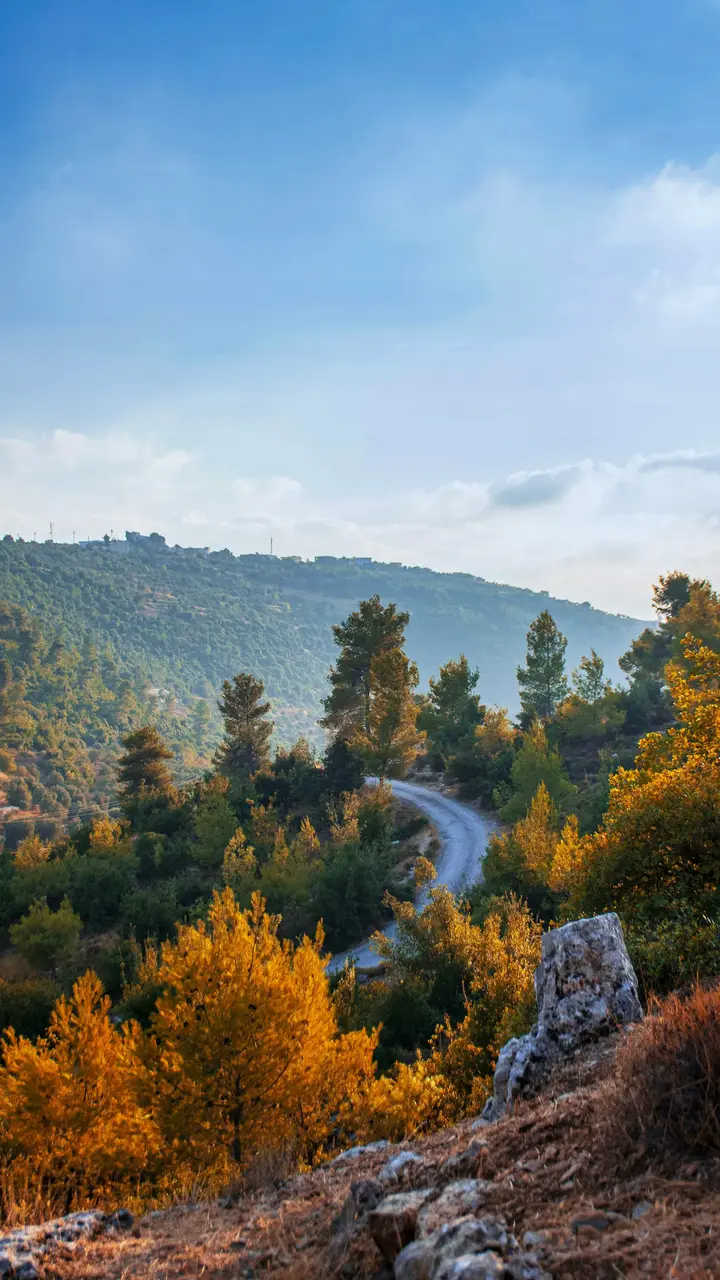
غابة عجلون، الجوهرة الطبيعية التي تقع شمال الأردن، تُعد واحدة من أجمل الوجهات السياحية لعشاق الطبيعة ومحبي المغامرات. هذه الواحة الخضراء تمزج بين جمال الطبيعة الخلاب وتاريخ المنطقة العريق، ما يجعلها مكانًا مثاليًا للهروب من ضوضاء المدينة واستكشاف أسرار البيئة البرية في أجواء مميزة. تقع الغابة ضمن محافظة عجلون التي
ADVERTISEMENT
تُعرف بتضاريسها الجبلية وطبيعتها الساحرة، مما يجعلها وجهة مفضلة على مدار العام.
wikimedia الصورة من
سحر الطبيعة في غابة عجلون
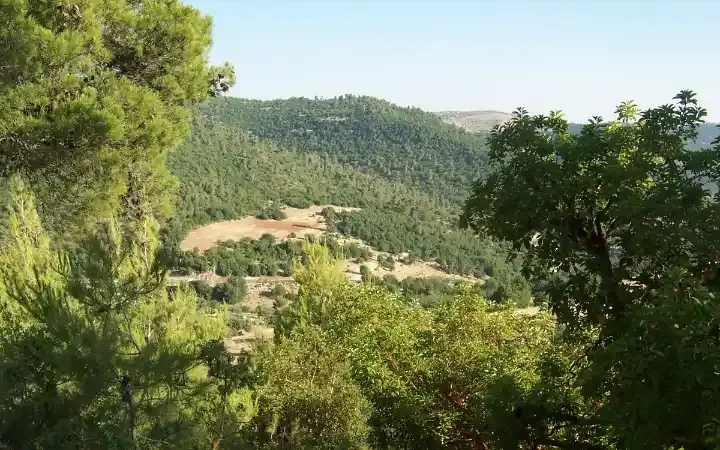
غابة عجلون تمتد على مساحة واسعة وتتميز بتنوع بيئي فريد. تغطي الغابة أشجار السنديان والبلوط والصنوبر، التي تشكل غطاءً أخضر كثيفًا يوفر ملاذًا للكثير من الحيوانات البرية والطيور النادرة. بالإضافة إلى ذلك، تزدان الغابة خلال فصل الربيع بألوان الأزهار البرية المتنوعة التي تضيف لمسة ساحرة للمناظر الطبيعية.
ADVERTISEMENT
كما تحتضن الغابة العديد من الوديان والينابيع التي تجعلها وجهة مميزة لمحبي استكشاف المناطق الطبيعية البكر. من بين هذه الينابيع ينابيع راجب وأم الينابيع، التي توفر مياهًا عذبة تعكس نقاء الطبيعة.
الأنشطة التي يمكن القيام بها
رحلات المشي واستكشاف الطبيعة
تُعد غابة عجلون وجهة مثالية لمحبي الرحلات، حيث يمكن للزوار الاستمتاع بالمشي لمسافات طويلة عبر المسارات المخصصة لذلك. هذه المسارات تمر عبر التلال والوديان، مما يمنح الزوار فرصة لاكتشاف تنوع الغطاء النباتي والحياة البرية في المنطقة. ومن أبرز المسارات "مسار عجلون البيئي" الذي يأخذك في رحلة استكشاف طبيعة المنطقة وتاريخها.
التخييم تحت النجوم
للمهتمين بالمغامرات الليلية، توفر غابة عجلون أماكن مميزة للتخييم. قضاء ليلة تحت السماء المليئة بالنجوم وسط أصوات الطبيعة هو تجربة لا تُنسى لمحبي السفر والمغامرات. يمكن للزوار التخييم بالقرب من ينابيع المياه أو اختيار مواقع مرتفعة للحصول على إطلالات رائعة.
ADVERTISEMENT
مراقبة الطيور والتصوير الفوتوغرافي
تعتبر الغابة موطنًا لأنواع نادرة من الطيور مثل الحجل والشحرور، مما يجعلها وجهة رائعة لمحبي مراقبة الطيور. بالإضافة إلى ذلك، يمكن للمصورين الهواة والمحترفين التقاط صور خلابة تعكس جمال الطبيعة وتنوعها، حيث تُعد الغابة لوحة فنية مفتوحة تنتظر من يلتقط سحرها.
الاسترخاء والاستمتاع بالهدوء
إلى جانب الأنشطة المغامرة، يمكن للزوار ببساطة الاسترخاء والاستمتاع بالهدوء الذي توفره الغابة. قراءة كتاب تحت ظلال الأشجار أو التنزه برفقة الأصدقاء والعائلة هو خيار مثالي للراغبين في قضاء يوم بعيد عن صخب الحياة اليومية.
wikimedia الصورة من
التاريخ والثقافة
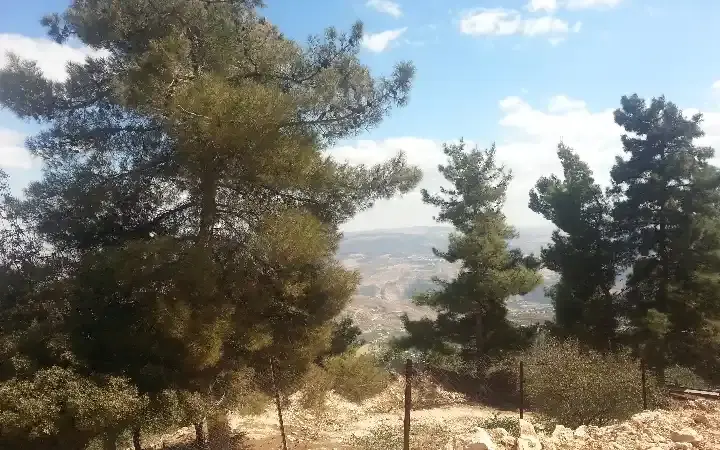
إلى جانب جمالها الطبيعي، تعد منطقة عجلون غنية بالمواقع التاريخية التي تستحق الزيارة. قلعة عجلون، التي تقع على بعد مسافة قصيرة من الغابة، تُعد واحدة من أبرز المعالم الأثرية في المنطقة. بُنيت القلعة في القرن الثاني عشر الميلادي بأمر من القائد صلاح الدين الأيوبي بهدف حماية المنطقة من الغزوات الصليبية، وهي اليوم وجهة سياحية شهيرة تقدم إطلالات بانورامية رائعة على الغابة والمناطق المحيطة.
ADVERTISEMENT
كما تضم المنطقة العديد من القرى الريفية التي تحتفظ بعاداتها وتقاليدها الأصيلة، حيث يمكن للزوار التعرف على التراث الأردني الأصيل وتجربة الأطعمة المحلية مثل المنسف والمأكولات الشعبية.
التنوع البيئي والحيواني
غابة عجلون ليست مجرد غابة، بل هي نظام بيئي متكامل يضم أنواعًا متعددة من النباتات والحيوانات. إلى جانب الأشجار الكبيرة التي تشتهر بها المنطقة، يوجد العديد من النباتات الطبية والأعشاب التي يستخدمها السكان المحليون في الطب التقليدي. أما بالنسبة للحيوانات، فتُعد الغابة موطنًا للثعالب، والأرانب البرية، وحتى الغزلان التي تظهر أحيانًا في الأجزاء النائية من الغابة.
أفضل وقت للزيارة
يمكن زيارة غابة عجلون على مدار العام، ولكن يُعد فصل الربيع والخريف من أفضل الأوقات للاستمتاع بجمال الطبيعة. في الربيع، تزدهر النباتات والأزهار البرية، وتكون درجات الحرارة معتدلة، مما يجعل الرحلات أكثر راحة ومتعة. أما في فصل الخريف، فتتحول أوراق الأشجار إلى ألوان دافئة تضيف جمالًا خاصًا للغابة.
ADVERTISEMENT
نصائح للزوار
ارتداء ملابس مريحة وأحذية مناسبة للمشي:الغابة تتميز بتضاريسها المتنوعة، لذا يُفضل ارتداء أحذية تسلق مريحة.
حمل كمية كافية من الماء والطعام الخفيف:خاصة إذا كنت تخطط للمشي لمسافات طويلة.
الالتزام بتعليمات السلامة البيئية:احرص على عدم ترك أي نفايات خلفك والمحافظة على نظافة المكان.
التأكد من حالة الطقس قبل الانطلاق:تجنب الذهاب في الأيام الممطرة لتفادي الانزلاقات وصعوبة التنقل.
التواصل مع السكان المحليين:يمكن للسكان تقديم نصائح قيمة حول أفضل الأماكن والمسارات التي تستحق الزيارة.
دعم السياحة البيئية
زيارة غابة عجلون ليست مجرد تجربة شخصية، بل هي أيضًا وسيلة لدعم السياحة البيئية والمحافظة على الموارد الطبيعية. من خلال الالتزام بالسلوك المسؤول أثناء الزيارة، يمكن للزوار المساهمة في حماية هذه البيئة الفريدة وضمان استدامتها للأجيال القادمة.
غابة عجلون ليست مجرد وجهة سياحية، بل هي تجربة فريدة تتيح للزوار التواصل مع الطبيعة واكتشاف جمالها وسحرها. سواء كنت تبحث عن مكان للاسترخاء أو مغامرة مثيرة، فإن هذه الغابة تقدم لك كل ما تحتاجه لتجربة لا تُنسى. لا تفوت فرصة زيارة هذا الكنز الطبيعي واستكشاف أسراره بنفسك.
ياسر السايح
ADVERTISEMENT
لماذا تتحول الحقول من الأخضر إلى الذهبي
ADVERTISEMENT
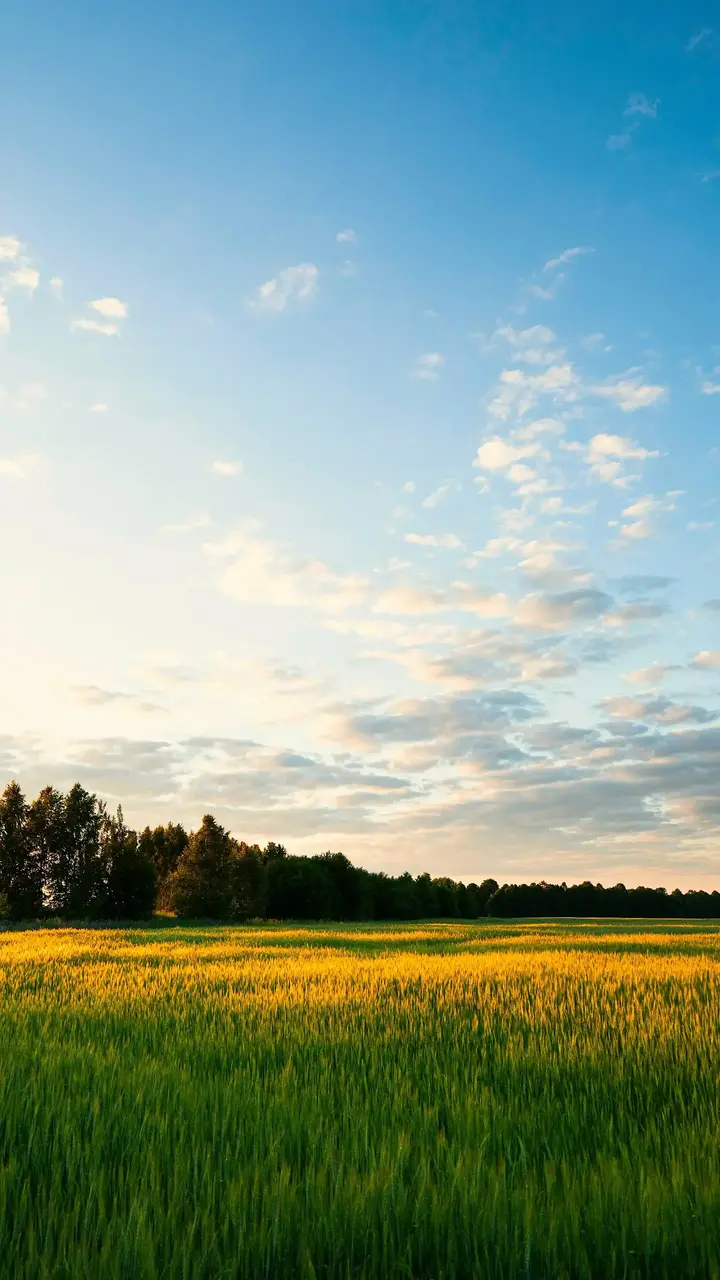
يبدو أن الحقل قد وصل إلى أوج سطوعه وصحته، ولكن ذلك اللون الذهبي عادة ما يعني أن النبات ينهي نظامه الأخضر مع نضوج الحبوب. في القمح والشعير والشوفان والمحاصيل الحبوبية الأخرى، يكون تغير اللون عادة علامة واضحة على الشيخوخة: حيث يتلاشى الكلوروفيل وتقل الرطوبة وتتركز الطاقة المخزنة في البذور.
هذه
ADVERTISEMENT
هي النسخة البسيطة من علم المحاصيل لما تراه من الطريق. توصيات الجامعات حول نضج الحبوب، بما في ذلك الدراسات من جامعة كانساس وجامعة مينيسوتا، تصف هذه الفترة المتأخرة من الموسم على أنها انتقال من امتلاء الحبوب نحو النضج الفيزيولوجي والجفاف، حيث تفقد الأوراق والسيقان لونها الأخضر ويتجه المحصول نحو الحصاد بدلًا من النمو النباتي الطازج.
لماذا يبدو الحقل أكثر غنيًا حينما يكون النبات ينهي دورته
الآن ننتقل بسرعة إلى الآلية، لأنها أبسط مما تبدو. الأوراق الخضراء تلتقط الضوء. تلك الطاقة الملتقطة تسهم في بناء السكريات والنشويات. ومع امتلاء البذور، ينتقل النبات من إنشاء المزيد من الآليات الورقية إلى إتمام الحبوب.
ADVERTISEMENT
ثم يبدأ اللون الأخضر في الاختفاء. الكلوروفيل هو الصبغة التي تجعل حقول الحبوب تبدو خصبة في بدايات الصيف، وأثناء النضوج تتحلل هذه الصبغة. استعرضت دراسة لعام 2016 لهورتيستينر وكراوتلر في مجلة "The Plant Molecular Biology Reporter" تدهور الكلوروفيل كعلامة على شيخوخة الأوراق، كجزء من عملية مرتبة وليس انهيار عشوائي.
أثناء تلاشي الكلوروفيل، تصبح الألوان الصفراء الموجودة في النبات أكثر وضوحًا، ويتغير لون الحقل بالكامل. في نفس الوقت، تتحرك العناصر الغذائية من الأوراق والسيقان القديمة إلى الحبوب النامية. النبات لا يضيف حياة ورقية نهائية. إنه ينهي عمل الموسم ويعبئ النتائج في البذور.
يمكنك تلخيص الأمر كله في خمس خطوات قصيرة. الأخضر يلتقط الضوء. البذور تمتلئ. الكلوروفيل يتلاشى. الرطوبة تنخفض. السيقان تفقد ليونتها، ويتحول الحقل إلى اللون الذهبي.
ADVERTISEMENT
هذا الجزء مهم للمزارعين لأن الحبوب تُحصد ليس عندما تبدو في أجمل حالاتها، ولكن عندما تكون ناضجة بما يكفي وجافة بما يكفي للتخزين الآمن. تشير منشورات الإرشاد من جامعات مثل بوردو ونيبراسكا إلى أن البذور تصل إلى النضج الفيزيولوجي قبل أن تكون جافة بما يكفي للتخزين، لذا هناك عادة فترة يكون فيها المحصول قد تحول بالفعل ويستمر في الجفاف في الحقل.
الجزء الذي يغفل عنه معظم الناس عندما يشاهدون تغير اللون
قِف على حافة حقل في وقت متأخر من الظهيرة وستشعر برائحته قبل أن تدركه عينيك: الرائحة الجافة والحلوة قليلاً لرؤوس الحبوب الدافئة بالشمس، مع قليل من الغبار المتصاعد حيث يلتقي الحقل بالطريق. إذا قضيت مواسم كافية من حوله، ستتعلم سماع نوع من الهدوء في تلك المرحلة. النبات لا يندفع. إنه ينتهي.
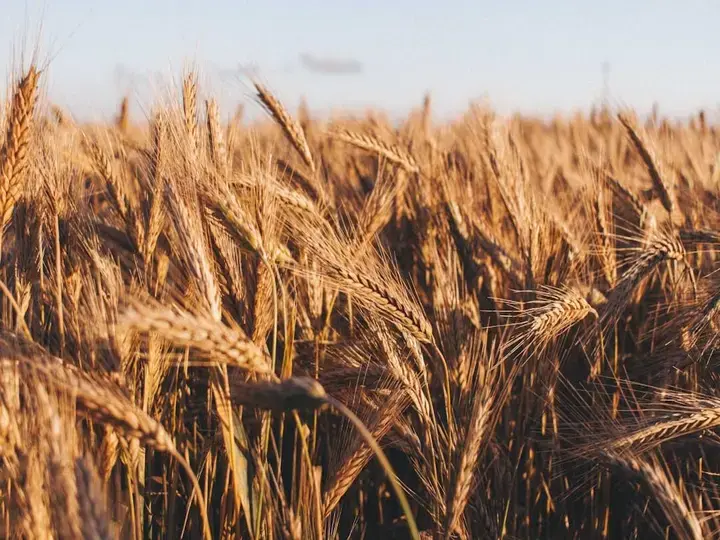
صورة لتوماش فيليبيك على Unsplash
ADVERTISEMENT
وهنا الأدوات القديمة تُستخدم. ما شاهدته على مدى ثلاثة أو أربعة أسابيع من الصيف هو أيضًا إشارة قد قرأها الناس لآلاف السنين. قبل وقت طويل من وجود علم المحاصيل بأسماء مثل تحلل الكلوروفيل أو مراحل امتلاء الحبوب، تعلم المزارعون من خلال الحصاد المتكرر أن المحصول الحبوبي الذي يقترب من اللون الذهبي كان يتحرك نحو بذور ناضجة قابلة للتخزين.
هذا ساعد في تشكيل النباتات التي أبقيناها. التفضيل البشري كان للحبوب التي تحتفظ بالبذور المفيدة وتنضج في نافذة زمنية عملية وتقدم إشارة مرئية أن الحصاد قريب. لذا فإن التحول اللوني المألوف ليس فقط علم النبات. بل هو أيضًا جزء من شراكة طويلة بين الأعشاب والبشر الذين تعلموا، موسمًا بعد موسم، الثقة فيما يعنيه تلاشي الأخضر.
ولكن أليس الاصفرار يعني أيضًا حدوث خطأ ما؟
نعم، أحيانًا. قد يكون الحقل الذهبي عاديًا نتيجة الشيخوخة الطبيعية، ولكن ليس كل حقل أصفر هو سعيد. الجفاف، والإجهاد الحراري، ونقص النيتروجين، والمشاكل الجذرية أو الأمراض يمكن أن تجعل النباتات صفراء قبل الأوان، وفي تلك الحالات قد تتأثر الغلة لأن النبات توقف قبل أن تكتمل البذور بالكامل.
ADVERTISEMENT
لذا التمييز المهم هو التوقيت والملمس، وليس اللون وحده. في النضوج الطبيعي، التغيير يميل إلى الانتشار عبر الحقل بطريقة متساوية إلى حد ما، وتصبح الرؤوس متماسكة وناضجة، ويشعر الحقل كله بأنه أكثر جفافًا على مدى الأيام. في حالة الاصفرار الناتج عن الإجهاد، قد تلاحظ وجود بقع متفرقة، رؤوس ذابلة، أوراق سفلية ميتة في وقت مبكر، أو حقل يتحول قبل أن تتطور الحبوب بشكل صحيح.
إذا كنت ترغب في إجراء فحص بسيط لنفسك في المرة القادمة عندما تقود السيارة أو تمشي، لا تفترض أن المزيد من اللون الذهبي يعني مزيد من الازدهار. قارن بين ثلاثة أشياء على مدى أسبوع: لون الأوراق، تماسك رأس البذور، وجفاف السيقان بشكل عام. عندما تتحرك الأشياء الثلاثة معًا، ربما تشاهد نضوجًا بدلاً من مجرد ضرر.
ما الذي يجب ملاحظته في المرة المقبلة عند تحول حقل أخضر إلى الهدوء
ADVERTISEMENT
بمجرد معرفتك بالآلية، يبدو التغيير ليس كحقل يزداد بريقًا بل كنبات ينقل مكاسبه إلى الحبوب. الآلية الخضراء قد قامت بوظيفتها. اللون الذهبي هو الهدوء المرئي الذي يتبع.
لذا عندما يمر حقل تراه كل أسبوع من الأخضر إلى الأصفر إلى الذهبي، اقرأه كحدث دورة حياة، وليس اندفاعة نهائية للصحة. انظر إلى تلاشي الأوراق، وتماسك الرؤوس، وجفاف المحصول نحو الحصاد. هذا التصحيح الصغير يجعل المشهد على جانب الطريق أكثر إثارة للاهتمام، وبطريقة ما أكثر إنسانية أيضًا.
بعد ذلك، لا يبدو الحقل الذهبي فارغًا أو متعبًا. يبدو مستكملاً بأفضل معنى، ومن الجيد معرفته عندما تمر بجانبه.