Get to Know the Fennec Fox: The Cutest Desert Explorer
ADVERTISEMENT

The big eared African fox, nicknamed the "King of the Desert," is a striking animal built for life in Africa's harsh dry lands. It has long thin legs, reddish gold fur, huge ears and bright eyes that catch the attention of both scientists plus wildlife fans. Those ears stand out

ADVERTISEMENT
ADVERTISEMENT

in looks and in use - they pick up faint sounds of prey moving under the sand - the fox finds food more easily in the open desert.

The fox moves fast, thinks quickly, copes well with heat and drought. It eats insects but also small creatures, sneaks up on them and waits motionless until the moment to pounce. Even though it sprints at about 50 km/h, it prefers quiet steps as well as blend-in fur to surprise prey. Sharp hearing and clear night sight let it hunt with ease once the sun sets.

When large prey vanish or the weather turns, the fox simply eats more beetles, termites or grasshoppers. It scrapes out short burrows for shade, escape routes and a safe den for pups showing both cleverness also strong care for its family.

As a top small predator, the fox keeps the desert in balance. It lowers rodent numbers and spreads seeds in droppings, which helps plants grow. It also shares space with other animals next to at times joins forces for mutual safety - its presence boosts overall desert life.

Yet the species now confronts serious dangers - shrinking habitat, hotter drier climate, too much hunting and black-market sale. To save it, people must guard remaining wild land, enforce tougher wildlife rules, teach the public plus support trips run by local villages that bring in money without harming foxes. Ongoing field study remains vital to learn what the fox needs and how to keep it alive. The big eared African fox stands for hardiness in the wild - if it endures, the whole desert community stays healthier, more varied.

Yasmine

Yasmine

·

11/10/2025

ADVERTISEMENT
Supplements: Red Yeast Rice
ADVERTISEMENT

Nutritional supplements add nutrients that meals leave out. If your food day after day falls short on vitamins or minerals, a pill or powder closes the gap. Some people ask a dietitian for help - others copy a friend. Most skip any expert talk. A diet that stays lopsided drains

ADVERTISEMENT
ADVERTISEMENT

vitamins and minerals - the immune system and other body jobs slow down. A supplement steps in to cover the loss.

A pill is not lunch plus it is not a drug. It tops up missing nutrients - it does not heal illness. Ask a doctor first so you know the dose, the hour to take it and the risks. The pages that follow look only at red yeast rice.

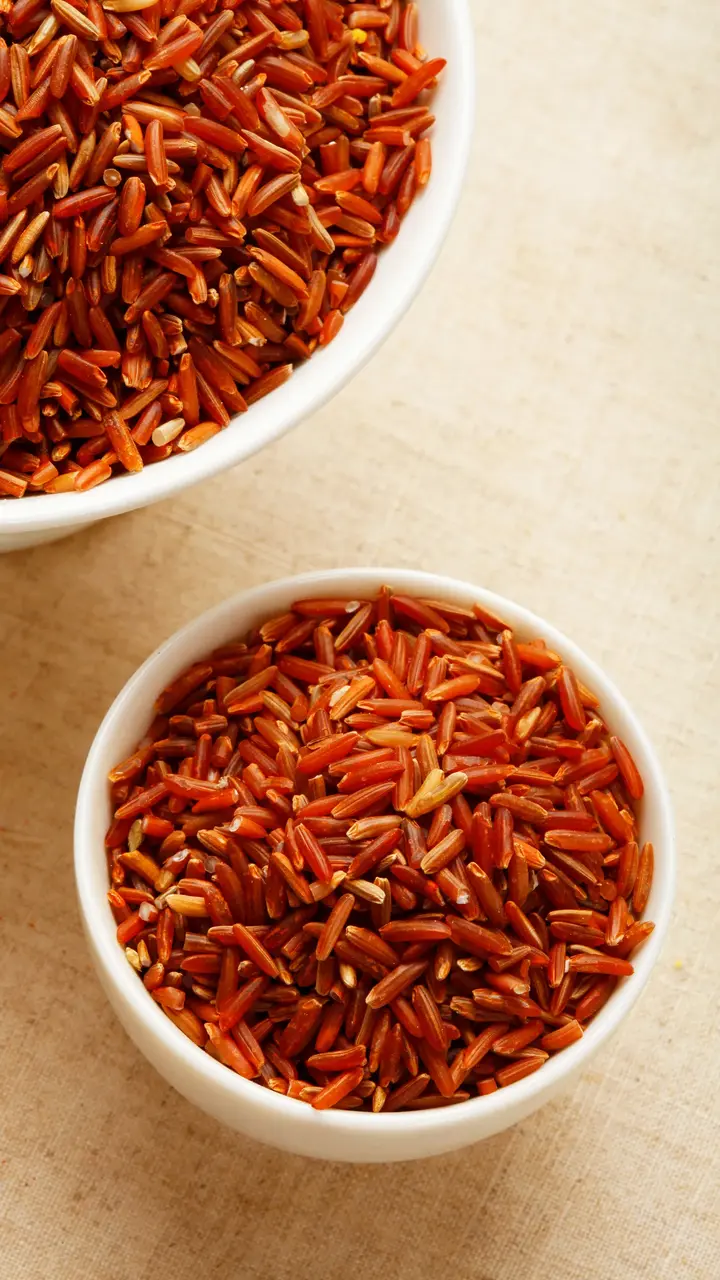
Workers spread yeast on white rice and let it ferment. The dried red crop is ground but also packed into capsules. Chinese doctors have handed it out for centuries to pull cholesterol numbers down. The capsule holds monacolin K, a substance that acts like a statin and lowers blood fats.

The same capsule carries plant sterols and good fats that calm swelling, steady blood sugar, push blood pressure lower, help the heart as well as ease digestion. It is still not a replacement for the drugs your doctor orders and it will not fix diseases caused by poor food choices.

Do not swallow red yeast rice if you already take a statin - the liver must handle both and it will overload. Pregnant women nursing mothers, people with liver trouble, gut disease or an allergy to any part of the red yeast rice must stay away. Ask a doctor to check that the capsule fits your personal health picture.

Hannah Griffiths

Hannah Griffiths

·

13/10/2025

ADVERTISEMENT
Dishes For Your Eid Al-Fitr Feast: Delicious Recipes To Help You Celebrate The End Of Ramadan
ADVERTISEMENT

Eid al-Fitr lasts three days and ends Ramadan. People pray, visit relatives, eat special food plus give to the poor. Each culture bakes its own sweets. A favorite is maamoul, a shortbread cookie from the Levant, stuffed with dates, pistachios or walnuts and covered with powdered sugar. Iraq has a

ADVERTISEMENT
ADVERTISEMENT

version called kalaysha - Egypt besides Sudan call it kahk.

Kambabur is a soft Somali pancake, spread with sugar but also yogurt. Sher Khorma means “milk with dates”; it mixes vermicelli, milk, dried fruit and nuts as well as is loved in Pakistan, India, Afghanistan or Bangladesh. North African families cook tagine, a long simmered stew of meat, vegetables and fruit. In Ethiopia, people share doro wat, a chicken stew eaten with injera.

Luqaim is a bright jelly cube with nuts, sold as Turkish Delight. Tafhija comes from Bosnia - apples are boiled, filled with walnuts or served with syrup and cream. Manti are small dumplings of spiced lamb or beef, eaten from Central Asia through Turkey to Russia. Afghan bulani is a thin bread rolled around lentils or potatoes also served with yogurt.

Indonesians bake lapis lahiri, a spice layered cake that grew from Dutch recipes. In Malaysia, Eid tables hold beef rendang, a rich, fiery stew that stands for culture and togetherness.

To bake maamoul at home - mix flour, salt, sugar, cinnamon, sesame seeds, yeast next to soft ghee into dough. Let the dough rest. Fill it with honey, pistachios and toasted flour. Shape the cookies, press patterns on top plus bake until golden. After they cool, sprinkle powdered sugar on top and serve. Those Eid al-Fitr sweets carry joy but also history from one kitchen to the next.

Grace Fletcher

Grace Fletcher

·

20/10/2025

ADVERTISEMENT