تنزانيا المذهلة: رحلة عبر جزيرة زنجبار

في قلب المحيط الهندي، حيث تتلاقى أمواج البحر الزرقاء مع السماء الصافية، تقع جزيرة زنجبار، جوهرة تنزانيا المتلألئة. هذه الجزيرة، التي تُعرف بجزيرة التوابل، ليست مجرد وجهة سياحية تقليدية، بل هي صفحة حية من كتاب التاريخ، تروي قصص الحضارات التي تعاقبت على أرضها. من الشواطئ الرملية البيضاء التي تحتضنها أشجار النخيل الشاهقة إلى الأزقة الضيقة في ستون تاون التي تحكي أسرار العصور، تعد زنجبار ملتقى للثقافات والتقاليد التي شكلت مزيجًا فريدًا من الجمال والتنوع.
مع كل خطوة على أرضها، يمكن للزائر أن يشعر بنبض الحياة التي تسري في عروق زنجبار، من الأسواق الملونة التي تفوح منها رائحة التوابل العطرية إلى الابتسامات الدافئة لأهلها الذين يرحبون بكل من يأتي إليها. في هذا المقال، ندعوكم لرحلة استكشافية عبر جزيرة زنجبار، لنكتشف معًا أسرارها ونعيش تجربة لا تُنسى في أحضان الطبيعة الخلابة والتراث الغني.
التاريخ والثقافة
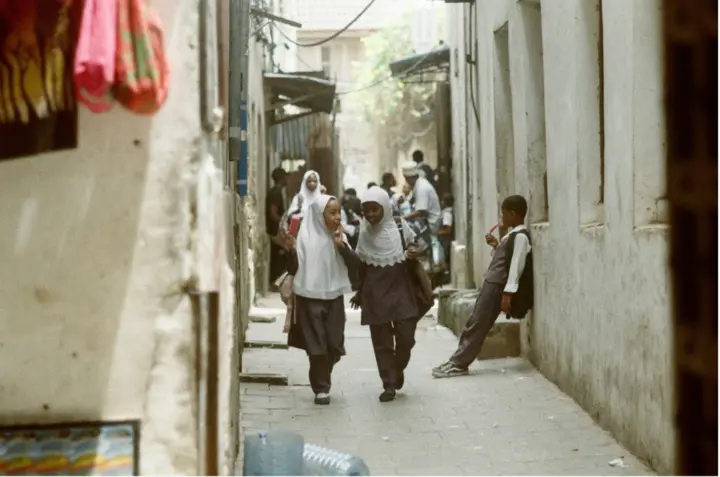
أصداء الماضي: الإرث العربي والأفريقي
تتردد أصداء الماضي في كل ركن من أركان زنجبار، حيث يمتزج الإرث العربي مع الروح الأفريقية ليشكلا نسيجًا ثقافيًا غنيًا. العمارة الإسلامية البديعة، والخطوط العربية المزخرفة التي تزين المساجد والقصور، تحكي قصة تجارة العرب القدامى وتأثيرهم العميق على هذه الجزيرة. وفي الوقت نفسه، تعكس الفنون الأفريقية التقليدية، والرقصات الشعبية، والموسيقى الإيقاعية، قوة وحيوية القارة السمراء. هذا التلاقح الثقافي يجعل من زنجبار موطنًا لتراث عريق يعبر عنه السكان بفخر ويعيشونه في حياتهم اليومية.
مهد الثقافات: تأثيرات برتغالية وعمانية
زنجبار، التي كانت مهدًا للثقافات عبر العصور، تحمل في طياتها تأثيرات برتغالية وعمانية لا تزال بادية حتى اليوم. الحصون والقلاع البرتغالية القديمة تقف شاهدة على الفترة التي حكمت فيها الإمبراطورية البرتغالية البحار. ومن جهة أخرى، تظهر الأثر العماني في العادات والتقاليد، والمأكولات البحرية الغنية، وحتى في اللهجة الزنجبارية التي تحمل نبرات عمانية مميزة. هذه العناصر المتنوعة تجتمع لتروي قصة جزيرة كانت ملتقى للبحارة والمستكشفين من مختلف أنحاء العالم.
قراءة مقترحة
ملامح الإرث الثقافي في زنجبار
تتجلى هوية الجزيرة في تداخل مؤثرات متعددة صنعت شخصيتها التاريخية والثقافية.
الإرث العربي
يظهر في العمارة الإسلامية والخطوط العربية وتأثير تجارة العرب القديمة في تشكيل ملامح الجزيرة.
الروح الأفريقية
تنبض في الفنون التقليدية والرقصات الشعبية والموسيقى الإيقاعية التي تمنح زنجبار حيوية خاصة.
الأثر البرتغالي والعماني
تحمله الحصون القديمة والعادات والمأكولات واللهجة المحلية التي احتفظت بنبرات عمانية مميزة.
الجغرافيا والطبيعة
جمال الشواطئ: رمال بيضاء ومياه كريستالية
على امتداد الساحل الشرقي لزنجبار، تتلألأ الشواطئ برمالها البيضاء الناعمة كالبودرة، وتتمايل أشجار النخيل على وقع نسمات البحر العليلة. المياه الكريستالية الصافية تدعو الزائرين للغوص في أحضانها، حيث يمكنهم استكشاف عالم تحت الماء مليء بالألوان الزاهية للأسماك الاستوائية والشعاب المرجانية البديعة. هذه الشواطئ ليست مجرد مكان للاسترخاء والتمتع بالشمس، بل هي دعوة للتأمل في عظمة الطبيعة وجمالها الخالد.
الحياة البرية: استكشاف الشعاب المرجانية والغابات الخضراء
تزخر زنجبار بتنوع بيولوجي يأسر الألباب، حيث تعج الشعاب المرجانية بالحياة والحركة، وتشكل الغابات الخضراء موطنًا للعديد من الأنواع النادرة من الحيوانات والنباتات. الغوص في أعماق البحار يكشف عن مشاهد مذهلة للأحياء المائية التي تعيش بين الشعاب المرجانية المتلألئة، بينما توفر الغابات الكثيفة فرصة للمشي وسط أصوات الطيور الاستوائية ورؤية القرود تتنقل بين الأغصان. هذه الرحلة في قلب الطبيعة تعد بتجربة لا تُنسى، تجمع بين الإثارة والاكتشاف.
المعالم السياحية
ستون تاون: متاهة الأزقة التاريخية
تعد ستون تاون، قلب زنجبار النابض، متاهة من الأزقة التاريخية التي تأخذك في رحلة عبر الزمن. الأبواب المنحوتة بدقة، والشرفات الخشبية المعقدة، والجدران المتآكلة بفعل الزمن، كلها تحكي قصصًا من الماضي. هنا، يمكن للزائرين التجول بين المباني العتيقة، واكتشاف السوق القديم، وزيارة القصور التي كانت شاهدة على عصور مختلفة من الثراء والتجارة. ستون تاون هي ليست مجرد موقع تراث عالمي، بل هي تجربة حية تنقل الزائر إلى عالم آخر.
الرحلات البحرية: الغوص والسنوركلينج في البحر الأزرق
تجمع معالم زنجبار السياحية بين سحر المدينة التاريخية وروعة البحر المفتوح، ويظهر ذلك بوضوح في ستون تاون والرحلات البحرية.
مقارنة بين تجربتين بارزتين في زنجبار
| التجربة | الطابع | أبرز ما يميزها |
|---|---|---|
| ستون تاون | تاريخي وثقافي | الأزقة القديمة، الأبواب المنحوتة، السوق القديم، والقصور التاريخية |
| الرحلات البحرية | طبيعي ومغامر | الغوص والسنوركلينج ومشاهدة الشعاب المرجانية والأسماك الملونة |
تقدم زنجبار لعشاق البحر والمغامرة تجربة فريدة من نوعها مع الرحلات البحرية التي تتيح فرص الغوص والسنوركلينج (الغوص السطحي) في البحر الأزرق الساحر. تحت الماء، ينتظر الغواصون عالمًا مذهلًا من الشعاب المرجانية المتألقة والأسماك الملونة التي تسبح بحرية في مياهه الدافئة. السنوركلينج يكشف عن جمال خفي تحت الأمواج، حيث يمكن للزائرين الاقتراب من الطبيعة البحرية واستكشاف أسرارها العميقة بأمان وسهولة.
المأكولات والأطباق المحلية
مطبخ زنجبار: مزيج من النكهات العالمية
مطبخ زنجبار هو عبارة عن لوحة فنية تجمع بين ألوان النكهات العالمية، حيث تتلاقى التوابل الحارة من الشرق مع الأطباق الأفريقية التقليدية ولمسات من الأذواق البرتغالية والهندية. يشتهر المطبخ الزنجباري بأطباقه البحرية الغنية، مثل السمك المشوي المتبل بصلصة الكاري والكزبرة، والأرز بالزعفران المعروف بـ “البيلو”. كل طبق يحكي قصة الجزيرة، مزيج من التاريخ والثقافة يمكن تذوقه في كل لقمة.
الأسواق المحلية: تجربة الأطعمة والتوابل الطازجة
تعج الأسواق المحلية في زنجبار بالحياة والألوان، وهي تعتبر القلب النابض للجزيرة. يمكن للزوار هنا تجربة الأطعمة والتوابل الطازجة التي تعد العمود الفقري للمطبخ الزنجباري. من الفانيليا العطرية والقرفة الدافئة إلى الفلفل الحار والكركم الذهبي، تقدم الأسواق مجموعة واسعة من النكهات التي تستخدم في تحضير أشهى الأطباق. التجول بين أكشاك البائعين وتذوق الأطعمة المحلية يعد تجربة لا تُنسى تنقل الزائر إلى عمق التراث الزنجباري.
جزيرة التوابل
هذا اللقب يلخص حضور التوابل والأسواق المحلية في هوية زنجبار الغذائية والثقافية.
الفنون والحرف
الحرف اليدوية: تقاليد النحت والنسيج
زنجبار ليست مجرد جزيرة ذات مناظر طبيعية خلابة، بل هي أيضًا موطن لتقاليد الحرف اليدوية التي تنتقل عبر الأجيال. النحت على الخشب، الذي يتجلى في الأبواب المزخرفة والأثاث الفني، يعكس مهارة الحرفيين الزنجباريين وعمق تراثهم الثقافي. كما تشتهر الجزيرة بالنسيج، حيث تُنتج الأقمشة الملونة مثل الخنغا والكيتنغي، التي تعبر عن الهوية الزنجبارية وتضفي على الأزياء المحلية لمسة من الأصالة والجمال.
الفن المعاصر: معارض الفنون والمهرجانات الثقافية
في زنجبار تمتد الفنون من الحرف التقليدية المتوارثة إلى مشهد معاصر نابض بالمعارض والمهرجانات الثقافية.
من الحرفة التقليدية إلى المشهد الفني المعاصر
برزت الفنون في النحت على الخشب والأبواب المزخرفة والأثاث الفني، إلى جانب النسيج وإنتاج الخنغا والكيتنغي.
شهدت الجزيرة نهضة في الفن المعاصر عبر معارض ستون تاون والمهرجانات الثقافية التي تجمع بين الأساليب التقليدية والحديثة.
في السنوات الأخيرة، شهدت زنجبار نهضة في الفن المعاصر، حيث بدأ الفنانون الشباب في استكشاف طرق جديدة للتعبير عن ثقافتهم وتجاربهم. معارض الفنون تنتشر في ستون تاون، وتعرض أعمالًا تجمع بين الأساليب التقليدية والحديثة، مما يخلق حوارًا بصريًا مثيرًا. المهرجانات الثقافية، مثل مهرجان ساوتي زا بوسارا، تجذب الزوار من جميع أنحاء العالم للاستمتاع بالموسيقى، الرقص، والفنون الأدائية، مما يؤكد على مكانة زنجبار كمركز للإبداع والابتكار في المنطقة.
ونحن نقترب من نهاية رحلتنا الاستكشافية في زنجبار، نجد أنفسنا محاطين بذكريات لا تُنسى وتجارب غنية بالألوان والأصوات والنكهات. جزيرة زنجبار، بماضيها العريق وحاضرها المتجدد، تقف كشاهد على قوة التاريخ وجمال التنوع الثقافي. من الشواطئ الساحرة إلى الأزقة التاريخية، ومن الأطباق المحلية الشهية إلى الفنون الرائعة، تبقى زنجبار موطنًا لروح لا تُقهر تتجلى في كل جانب من جوانب الحياة هناك.
في الوقت الذي نودع فيه هذه الجزيرة الجميلة، نحمل معنا الإلهام الذي منحتنا إياه، ونعد بأن نحتفظ بصورة زنجبار في قلوبنا، كمكان حيث يلتقي الماضي بالمستقبل، وحيث تستمر الحكايات والأساطير في النمو والازدهار. ولعل في الوداع، نجد دعوة أخرى للعودة، لاكتشاف المزيد من أسرار هذه الجزيرة العجيبة التي لا تنفك تفاجئنا بجمالها وعراقتها.